The Definitive Guide to Small Flowering Willow: Unearthing Its Profound Health Benefits
In the vast and intricate tapestry of natural medicine, certain herbs stand out for their focused yet potent therapeutic properties. Among these botanical treasures is the Small Flowering Willow, scientifically known as Epilobium parviflorum. While it may not possess the widespread renown of ginseng or turmeric, this unassuming perennial herb has garnered significant attention, particularly in European folk medicine, for its remarkable benefits, especially concerning men’s health and urinary tract wellness. This exhaustive guide delves deep into the essence of Small Flowering Willow, exploring its rich history, intricate biochemistry, and the profound health advantages it offers, making a compelling case for its inclusion in a holistic wellness regimen.
Botanical Overview: The Humble yet Potent Epilobium parviflorum
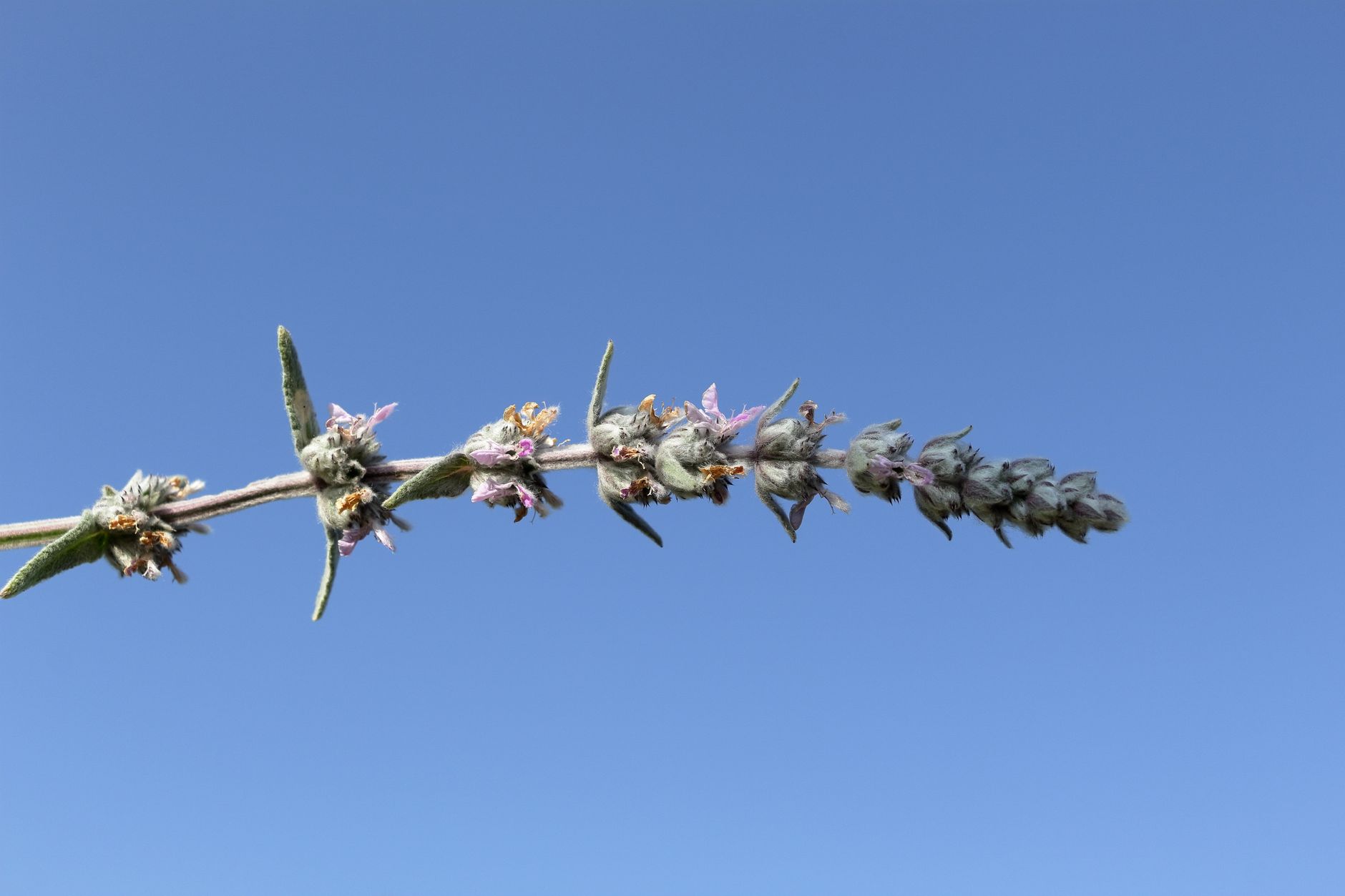
Small Flowering Willow, or Epilobium parviflorum, belongs to the Onagraceae family, commonly known as the willowherb family. It is a perennial herbaceous plant native to Europe, Asia, and parts of North Africa. The plant typically grows to a height of 10 to 80 centimeters, characterized by its slender, often reddish stems, lance-shaped leaves, and delicate, small pale pink to purplish flowers that bloom from mid-summer to early autumn. Despite its modest appearance, the entire aerial part of the plant – leaves, stems, and flowers – is traditionally harvested for its medicinal properties.
The name “willowherb” itself hints at the plant’s visual resemblance to willow leaves, though they are botanically distinct. Epilobium parviflorum thrives in damp, marshy areas, along riverbanks, and in woodlands, often growing in profusion in disturbed soils. Its adaptability and widespread distribution have made it a readily accessible folk remedy across various cultures for centuries. Understanding its natural habitat and growth patterns provides insight into its hardy nature and the traditional methods of its collection and preparation, often involving wildcrafting techniques passed down through generations.

A Journey Through Time: Historical Context and Traditional Uses
The use of Small Flowering Willow in herbal medicine dates back centuries, particularly in European traditional practices. While it might not appear in ancient Roman or Greek texts as prominently as some other herbs, its efficacy was widely recognized and documented in later folk medicine. The plant’s reputation truly soared in the 20th century, largely thanks to the Austrian herbalist Maria Treben, whose popular book “Health from God’s Pharmacy” brought renewed attention to its potent benefits, especially for prostate and urinary tract issues. Treben championed Small Flowering Willow as a specific remedy for various conditions affecting the prostate gland, from benign prostatic hyperplasia (BPH) to other urinary discomforts, a claim that resonated deeply with countless individuals seeking natural alternatives.
Before Treben’s popularization, traditional healers across Central and Eastern Europe used various species of Epilobium for their anti-inflammatory, astringent, and diuretic properties. It was employed to treat a range of ailments, including digestive complaints, skin conditions, and, crucially, problems related to the bladder and kidneys. The preparation was typically in the form of a simple tea or infusion, brewed from the dried aerial parts of the plant. This long history of empirical use provides a strong foundation for current scientific investigations into its mechanisms of action, highlighting a wisdom passed down through generations of healers who observed and utilized nature’s pharmacy effectively.

Unveiling the Chemistry: Bioactive Compounds of Small Flowering Willow
The therapeutic prowess of Small Flowering Willow is attributed to its complex symphony of bioactive compounds. Scientific research has begun to isolate and identify the specific constituents responsible for its acclaimed health benefits. These compounds work synergistically, contributing to the herb’s anti-inflammatory, antioxidant, antiproliferative, and hormone-modulating effects. Understanding this biochemical profile is key to appreciating its multifaceted action within the body.
Key Bioactive Compounds:
- Flavonoids: These powerful plant pigments are abundant in Small Flowering Willow, including compounds like quercetin, myricetin, kaempferol, and their glycosides. Flavonoids are renowned for their potent antioxidant activity, scavenging free radicals and reducing oxidative stress. They also exhibit significant anti-inflammatory properties by inhibiting various enzymatic pathways involved in inflammation, such as COX-2, and modulating the release of pro-inflammatory cytokines. In the context of prostate health, some flavonoids have been implicated in influencing hormone metabolism.
- Tannins: Epilobium parviflorum is particularly rich in tannins, especially ellagitannins (like oenothein B) and gallotannins. Tannins are polyphenolic compounds known for their astringent properties, which contribute to the herb’s ability to tone tissues and reduce secretions. More importantly, certain tannins, notably oenothein B, have demonstrated significant anti-androgenic effects, influencing the metabolism of sex hormones, which is critical for prostate health. They can also possess antimicrobial and antioxidant activities.
- Phenolic Acids: Compounds such as gallic acid, caffeic acid, chlorogenic acid, and p-coumaric acid are present, contributing to the herb’s antioxidant and anti-inflammatory profile. Phenolic acids play a vital role in protecting cells from damage caused by free radicals and oxidative stress, thereby supporting overall cellular health and reducing the burden of inflammation.
- Phytosterols: These plant sterols, structurally similar to cholesterol, can compete with cholesterol for absorption in the gut. More relevant to prostate health, certain phytosterols, such as beta-sitosterol, found in Epilobium species, have been widely studied for their ability to alleviate symptoms of benign prostatic hyperplasia (BPH) by improving urinary flow and reducing inflammation.
- Triterpenes: While less extensively studied in Epilobium compared to other compounds, triterpenes are a diverse group of natural products known for their anti-inflammatory, anticancer, and hepatoprotective activities. Their presence likely contributes to the overall therapeutic spectrum of Small Flowering Willow.
The intricate interplay of these compounds is what makes Small Flowering Willow a powerful botanical ally. It’s not just one active ingredient, but the harmonious synergy of its chemical constituents that delivers its comprehensive health benefits.
Primary Health Benefit: Comprehensive Support for Prostate Health
The most celebrated and scientifically investigated benefit of Small Flowering Willow is its profound support for prostate health, particularly in managing symptoms associated with Benign Prostatic Hyperplasia (BPH). BPH is a common condition among aging men, characterized by an enlarged prostate gland, which can lead to uncomfortable urinary symptoms such as frequent urination, weak urine stream, difficulty starting urination, and nocturia (waking up at night to urinate). Small Flowering Willow addresses these issues through several interconnected mechanisms.
Mechanisms of Action for Prostate Health:
- 5-alpha Reductase Inhibition: One of the primary drivers of BPH is the conversion of testosterone into dihydrotestosterone (DHT) by the enzyme 5-alpha reductase. DHT is a more potent androgen that stimulates prostate cell growth. Extracts of Small Flowering Willow, particularly its ellagitannins like oenothein B, have been shown to inhibit the activity of 5-alpha reductase. By reducing DHT levels within the prostate, the herb helps to prevent further growth of the prostate gland and may even contribute to a reduction in its size, thereby alleviating the pressure on the urethra and improving urinary flow.
- Anti-androgenic Effects: Beyond 5-alpha reductase inhibition, certain compounds in Small Flowering Willow may directly interfere with androgen receptor binding or modulate other hormonal pathways that contribute to prostate cell proliferation. This multi-pronged approach to hormonal balance is crucial for long-term prostate health management.
- Anti-inflammatory Properties: Inflammation is increasingly recognized as a significant factor in the progression of BPH and associated urinary symptoms. The flavonoids and phenolic acids present in Small Flowering Willow exert potent anti-inflammatory effects. They achieve this by inhibiting pro-inflammatory enzymes (like COX-2) and modulating the release of inflammatory mediators (cytokines). Reducing inflammation in the prostate can significantly alleviate discomfort, pain, and the urgency associated with an enlarged prostate, contributing to improved quality of life.
- Antiproliferative Effects: Studies suggest that certain compounds in Epilobium parviflorum may possess antiproliferative properties, meaning they can inhibit the abnormal growth and multiplication of prostate cells. This effect contributes to the herb’s potential in managing BPH by directly targeting the cellular mechanisms responsible for prostate enlargement. While not a cure for prostate cancer, these properties highlight its role in maintaining a healthy prostatic environment.
The comprehensive action of Small Flowering Willow on hormonal balance, inflammation, and cellular proliferation makes it a highly valued natural remedy for men seeking to manage BPH symptoms and support overall prostate wellness. Its efficacy is particularly appreciated by those looking for a gentle yet effective alternative or complementary approach to conventional treatments.
Broader Health Benefits: Beyond Prostate Support
While prostate health remains its flagship benefit, the rich phytochemical profile of Small Flowering Willow extends its therapeutic reach to several other areas of health, offering a range of benefits that underscore its value as a versatile medicinal herb.
1. Urinary Tract Health (Beyond Prostate):
Small Flowering Willow is not just beneficial for the prostate but also supports the wider urinary system. Its mild diuretic properties can help flush out toxins and waste products from the kidneys and bladder, promoting urinary tract cleansing. Furthermore, its anti-inflammatory and antiseptic qualities may help soothe irritated urinary passages and potentially assist in preventing or managing minor urinary tract infections (UTIs) by creating an environment less conducive to bacterial growth. This makes it a valuable herb for maintaining overall urinary system integrity in both men and women.
2. Kidney Health:
By promoting healthy urine flow and possessing anti-inflammatory attributes, Small Flowering Willow indirectly supports kidney function. While not a direct treatment for severe kidney diseases, its gentle diuretic action can aid in reducing fluid retention and supporting the kidneys’ natural filtration processes. The antioxidant compounds also protect kidney cells from oxidative damage, contributing to long-term renal health.
3. Potent Anti-inflammatory Properties:
The robust anti-inflammatory action of Small Flowering Willow, primarily driven by its flavonoids and phenolic acids, extends beyond the prostate to benefit the entire body. Chronic inflammation is a root cause of many modern diseases, from arthritis to cardiovascular conditions. By modulating inflammatory pathways, the herb can help reduce systemic inflammation, potentially alleviating pain and discomfort associated with inflammatory conditions, and contributing to overall well-being. This systemic effect highlights its potential as a general anti-inflammatory agent.
4. Antioxidant Powerhouse:
Oxidative stress, caused by an imbalance between free radicals and antioxidants, leads to cellular damage and accelerates aging and disease progression. The high concentration of flavonoids, tannins, and phenolic acids in Small Flowering Willow makes it a potent antioxidant. These compounds effectively neutralize free radicals, protecting cells, tissues, and DNA from oxidative damage. This cellular protection is fundamental to preventing chronic diseases, supporting immune function, and promoting healthy aging.
5. Skin Health Support (Topical Applications):
Due to its anti-inflammatory, astringent, and potentially antimicrobial properties, Small Flowering Willow has also been used topically in traditional remedies. It can be applied as a compress or wash to soothe various skin irritations, including mild eczema, acne, and other inflammatory dermatological conditions. The astringent tannins can help tone the skin and reduce excess oil, while anti-inflammatory compounds alleviate redness and swelling, promoting clearer, healthier skin. Its gentle nature makes it suitable for sensitive skin types.
6. Digestive Aid:
Traditionally, some Epilobium species were used to soothe digestive complaints. The astringent qualities of its tannins may help tighten gut lining and reduce mild diarrhea, while its anti-inflammatory effects could potentially calm irritation in the gastrointestinal tract, contributing to overall digestive comfort. However, its primary focus remains on urinary and prostate health.
Forms of Small Flowering Willow: From Tea to Tinctures
Small Flowering Willow is available in various forms, allowing individuals to choose the most suitable method for incorporation into their health regimen. The choice often depends on desired potency, convenience, and traditional preference.
1. Teas and Infusions:
This is the most traditional way to consume Small Flowering Willow. Dried herb is steeped in hot water, allowing its soluble compounds to infuse into the liquid. Teas offer a gentle, hydrating method of delivery and are often preferred for daily maintenance or mild symptoms. The ritual of preparing and consuming herbal tea can also be a calming and therapeutic experience.
2. Tinctures:
Tinctures are concentrated liquid extracts made by macerating the herb in alcohol (or sometimes glycerin or apple cider vinegar). This extraction method effectively draws out a broad spectrum of the herb’s active compounds, including those less soluble in water. Tinctures offer higher potency and better absorption compared to teas, and their liquid form allows for flexible dosing, typically administered in drops mixed with water.
3. Capsules and Supplements:
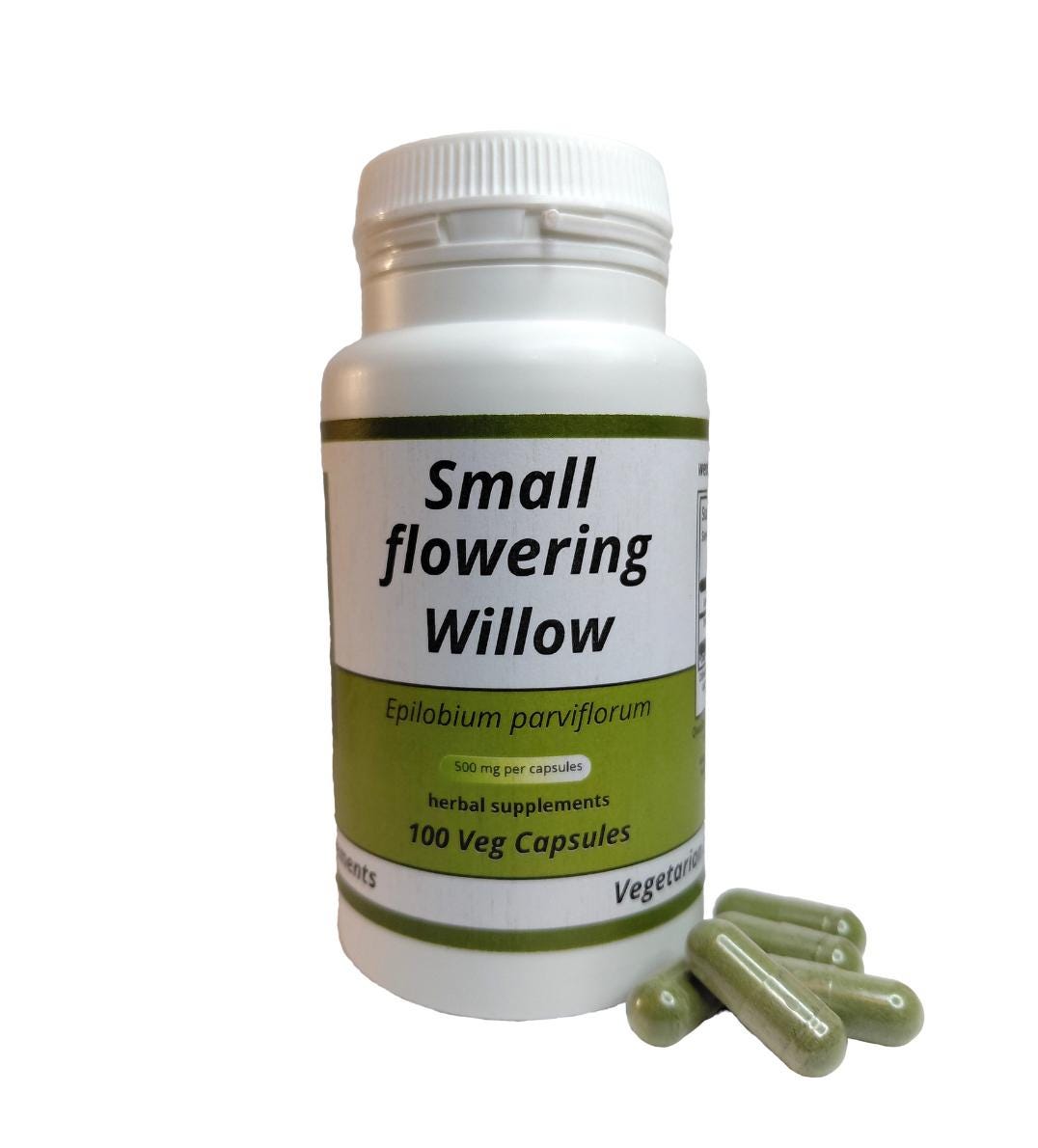
For convenience and precise dosing, Small Flowering Willow is widely available in capsule form. These supplements often contain standardized extracts, meaning they are formulated to provide a consistent amount of key active compounds, such as oenothein B. Capsules are an excellent option for individuals seeking a reliable and easy-to-integrate source of the herb’s benefits without the taste or preparation time associated with teas or tinctures.
Practical Usage and Dosage Guidelines
Determining the appropriate dosage for Small Flowering Willow can vary depending on the form of the herb, the concentration of the product, and individual health needs. It is always advisable to consult with a healthcare professional, especially one knowledgeable in herbal medicine, before starting any new supplement regimen.
General Guidelines:
- For Tea/Infusion: Typically, 1-2 teaspoons of dried herb steeped in 200-250 ml of hot water for 10-15 minutes, consumed 1-2 times daily. For stronger effects, up to three cups a day may be suggested by traditional practitioners.
- For Tincture: Dosage can range from 1-2 ml, 2-3 times daily, depending on the concentration of the tincture. Always follow the product-specific instructions provided by the manufacturer.
- For Capsules/Supplements: Doses often range from 300 mg to 500 mg of standardized extract, taken 1-2 times daily. Look for products that specify the concentration of active compounds, such as oenothein B, for more reliable efficacy.
For best results, Small Flowering Willow is often recommended for consistent, long-term use, especially for chronic conditions like BPH. It may take several weeks to months to observe significant improvements in symptoms. Starting with a lower dose and gradually increasing it while monitoring your body’s response is a sensible approach.
Potential Side Effects and Precautions
Small Flowering Willow is generally considered safe for most people when consumed in recommended doses. Side effects are rare and typically mild, primarily involving gastrointestinal upset like nausea or diarrhea. However, certain precautions and considerations are important:
- Pregnancy and Breastfeeding: Due to a lack of sufficient research on its effects in pregnant and breastfeeding women, it is best to avoid using Small Flowering Willow during these periods.
- Hormone-Sensitive Conditions: Given its potential to influence hormone metabolism, individuals with hormone-sensitive conditions (e.g., prostate cancer, breast cancer, endometriosis) should exercise caution and consult a doctor before use.
- Medication Interactions: While direct interactions are not well-documented, theoretical interactions exist due to its various compounds. Individuals taking medications, especially blood thinners, hormone therapies, or medications for prostate conditions, should consult their healthcare provider to avoid potential adverse effects or altered drug efficacy.
- Allergies: Individuals with known allergies to plants in the Onagraceae family should avoid Epilobium parviflorum.
- Surgery: Due to its potential influence on blood clotting (though minor), it is advisable to discontinue use at least two weeks before any scheduled surgery.
Quality and Sourcing: Ensuring Efficacy and Safety
The efficacy and safety of herbal remedies heavily rely on the quality of the raw material and the manufacturing process. When choosing Small Flowering Willow products, consider the following:
- Reputable Suppliers: Purchase from trusted brands known for their commitment to quality, purity, and transparency in sourcing.
- Organic or Wild-Harvested: Opt for organically grown or sustainably wild-harvested herbs to ensure they are free from pesticides, herbicides, and other chemical contaminants.
- Standardized Extracts: For capsules and tinctures, look for products that are standardized to contain a specific percentage of key active compounds, such as oenothein B. This ensures consistent potency and predictable therapeutic effects.
- Third-Party Testing: Products that undergo third-party testing for purity, potency, and contaminants (heavy metals, microbes) offer an extra layer of assurance regarding their quality and safety.

Conclusion: Small Flowering Willow – A Natural Legacy for Wellness
Small Flowering Willow (Epilobium parviflorum) stands as a testament to the enduring power of traditional herbal medicine, now increasingly validated by modern scientific inquiry. From its humble origins in European folk remedies, championed by figures like Maria Treben, to its current recognition as a significant natural prostate remedy, its journey highlights a potent botanical with targeted benefits.
Rich in flavonoids, tannins, phenolic acids, and phytosterols, this herb offers a complex symphony of bioactive compounds that synergistically contribute to its therapeutic effects. Its primary role in supporting prostate health through anti-androgenic, anti-inflammatory, and antiproliferative mechanisms makes it an invaluable natural ally for men managing BPH symptoms. Beyond this, its comprehensive benefits extend to general urinary tract wellness, kidney support, systemic anti-inflammatory actions, and powerful antioxidant protection, underlining its holistic contribution to health.
As interest in natural and complementary therapies continues to grow, Small Flowering Willow provides a compelling option for those seeking to enhance their well-being, particularly in areas of prostate and urinary health. When sourced responsibly and used judiciously, ideally under the guidance of a healthcare professional, this small but mighty willowherb truly embodies a legacy of natural healing, offering a profound contribution to a balanced and healthy life.
Disclaimer: For informational purposes only. Not medical advice. Consult a qualified healthcare professional before use.