Unveiling the Power of Meadowsweet Herb: A Definitive Guide to Its Profound Health Benefits
In the vast tapestry of botanical medicine, certain plants stand out for their exceptional healing properties and rich historical legacy. Among these revered herbs, Meadowsweet (Filipendula ulmaria) shines as a true botanical marvel. Often heralded as nature’s aspirin, this fragrant perennial has been a cornerstone of traditional medicine across Europe and Asia for centuries. Far more than a simple pain reliever, Meadowsweet offers a complex array of health benefits, ranging from potent anti-inflammatory and digestive support to antioxidant and diuretic effects. This exhaustive guide delves deep into the science, history, and practical applications of Meadowsweet, providing an unparalleled understanding of why this unassuming herb deserves a prominent place in modern holistic health.
A Journey Through Time: Botanical Profile and Historical Significance of Meadowsweet
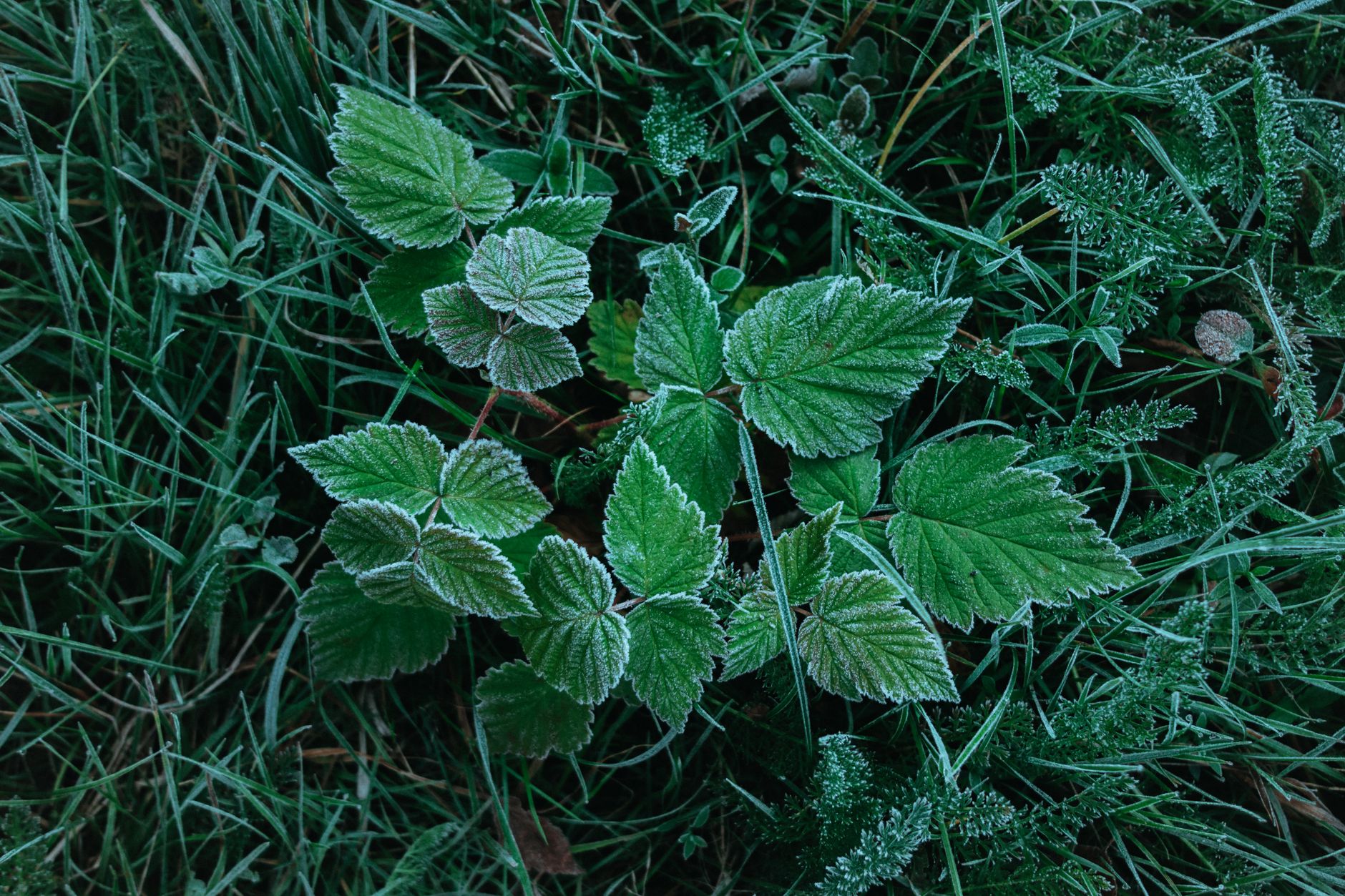
Meadowsweet, scientifically known as Filipendula ulmaria, is a graceful perennial herb belonging to the Rosaceae family, which also includes roses, apples, and strawberries. It is easily recognized by its clusters of creamy-white, almond-scented flowers that bloom in profusion from early summer to autumn. Thriving in damp meadows, fens, and riverbanks, particularly in temperate regions of Europe and Western Asia, its distinctive aroma is often described as a delicate blend of honey, almonds, and vanilla, making it a favorite for strewing and flavoring in ancient times.
The historical reverence for Meadowsweet is profound. Its medicinal use dates back to the Iron Age, with archaeological findings suggesting its presence in ancient burial sites. The Druids, ancient Celtic priests, considered Meadowsweet one of their three most sacred herbs, using it in rituals and for its healing properties. In medieval Europe, it was a popular strewing herb, used to freshen homes and banquet halls, not only for its pleasant scent but also for its supposed ability to ward off illness and evil spirits. It was also a common ingredient in mead, adding flavor and preservative qualities.
The true scientific breakthrough concerning Meadowsweet emerged in the 19th century. In 1838, the active compound salicylic acid was first isolated from the flowers of Meadowsweet by German chemists, leading to the synthesis of acetylsalicylic acid – the well-known pain reliever, aspirin. This historical connection underscores Meadowsweet’s long-standing reputation as a natural analgesic and anti-inflammatory agent, making it a foundational botanical in the evolution of modern pharmacology. Unlike synthetic aspirin, however, Meadowsweet delivers its powerful compounds in a gentler, buffered form, often alleviating the gastric irritation associated with its pharmaceutical counterpart.
The Chemical Symphony: Unpacking Meadowsweet’s Bioactive Compounds
The therapeutic prowess of Meadowsweet is attributed to a sophisticated interplay of various bioactive compounds working synergistically. This complex biochemical profile provides a holistic approach to healing, distinguishing it from isolated pharmaceutical agents. Understanding these key constituents is crucial to appreciating the herb’s wide-ranging benefits.
Primary among its active constituents are the **salicylates**, particularly methyl salicylate and gaultherin (a salicylate glycoside), which are precursors to salicylic acid. When ingested, these compounds are metabolized in the digestive tract into salicylic acid, the active ingredient renowned for its anti-inflammatory and analgesic effects. Unlike synthetic aspirin, which is acetylsalicylic acid and can be harsh on the stomach lining, the salicylates in Meadowsweet are bound to sugars, forming glycosides. This structure allows for a slower release of salicylic acid, which is then buffered by other compounds in the plant, such as mucilage and tannins, significantly reducing the risk of gastric irritation often associated with synthetic salicylates. This natural buffering mechanism is a key reason why Meadowsweet is often tolerated better by individuals with sensitive stomachs.
**Flavonoids** represent another critical class of compounds found abundantly in Meadowsweet, including quercetin, kaempferol, rutin, and spiraeoside. These potent antioxidants are responsible for much of the herb’s protective and anti-inflammatory actions. Flavonoids combat oxidative stress by neutralizing free radicals, thereby protecting cells from damage and reducing inflammation at a cellular level. Quercetin, in particular, is well-studied for its ability to modulate immune response and inhibit inflammatory pathways, contributing to the herb’s effectiveness in conditions like arthritis and allergic reactions.
**Tannins**, predominantly ellagitannins and gallotannins, impart Meadowsweet with its characteristic astringent properties. These compounds interact with proteins in the mucous membranes, creating a protective layer that helps to reduce inflammation, alleviate irritation, and constrict tissues. This astringent action is invaluable for digestive health, helping to soothe inflamed gut linings, reduce hyperacidity, and combat diarrhea. Furthermore, tannins contribute to the herb’s antimicrobial effects, providing a natural defense against various pathogens.
Other significant compounds include **volatile oils**, such as salicylaldehyde, which contribute to the herb’s distinctive scent and possess antiseptic properties. **Mucilage**, a gelatinous substance, provides a soothing and protective coating to mucous membranes, particularly in the digestive and urinary tracts, further enhancing its gastroprotective and demulcent qualities. The combined action of these compounds makes Meadowsweet a multifaceted therapeutic agent, offering a harmonious and balanced approach to health and healing.
Comprehensive Health Benefits: A Deep Dive into Meadowsweet’s Healing Prowess
The synergistic action of Meadowsweet’s rich biochemical profile translates into an impressive spectrum of health benefits, addressing numerous bodily systems. Its balanced nature makes it a highly versatile and valuable addition to a holistic health regimen.
1. Potent Anti-inflammatory and Analgesic Action
Meadowsweet’s reputation as “nature’s aspirin” is well-earned, primarily due to its salicylate content. These compounds, once metabolized into salicylic acid, exert their anti-inflammatory effects by inhibiting cyclooxygenase (COX) enzymes, particularly COX-2, which are central to the production of pro-inflammatory prostaglandins. Unlike many synthetic NSAIDs, the salicylates in Meadowsweet are delivered in a buffered form, minimizing gastric irritation while still effectively reducing pain and inflammation. This makes it an invaluable herb for conditions characterized by chronic inflammation and pain, such as osteoarthritis, rheumatoid arthritis, gout, headaches (including tension headaches and migraines), muscular aches, and general body pain. Its ability to gently soothe inflammation without causing stomach upset is a significant advantage, particularly for individuals who cannot tolerate conventional pain medications.
2. Exceptional Digestive System Support and Gastric Protection
One of Meadowsweet’s most remarkable attributes is its profound ability to support and protect the digestive system. This is a multi-faceted benefit derived from its unique blend of compounds. The tannins present in Meadowsweet act as powerful astringents, helping to tighten and tone the mucous membranes of the digestive tract. This action reduces inflammation, helps to stop diarrhea by decreasing fluid secretion, and can be beneficial in conditions like irritable bowel syndrome (IBS), gastritis, and ulcerative colitis. Furthermore, the mucilage forms a protective, demulcent coating over irritated tissues, soothing inflammation and promoting healing of the stomach lining. This makes Meadowsweet particularly effective in ameliorating symptoms of hyperacidity, heartburn, acid reflux (GERD), and even protecting against stomach ulcers. The flavonoids also contribute to gastric protection by their antioxidant and anti-inflammatory properties, safeguarding the integrity of the gastric mucosa.
3. Diuretic and Detoxifying Properties for Renal Health
Meadowsweet exhibits mild diuretic properties, encouraging increased urine production and excretion. This action aids the body in flushing out excess fluids, toxins, and metabolic waste products. By promoting urination, Meadowsweet supports kidney function and helps to alleviate conditions associated with fluid retention, such as edema and swelling. Its diuretic and antiseptic qualities also make it beneficial for urinary tract health, helping to clear minor urinary tract infections (UTIs) by flushing out bacteria and soothing inflammation in the bladder and urethra. This gentle detoxification pathway contributes to overall systemic cleansing and wellbeing.
4. Natural Antacid and Heartburn Relief
For individuals suffering from indigestion, acid reflux, and heartburn, Meadowsweet offers a natural and gentle solution. Its combined action of mucilage and tannins helps to coat and protect the irritated esophageal and gastric linings, while its mild alkalinity and anti-inflammatory properties help to neutralize excess stomach acid and soothe the burning sensation. Unlike many conventional antacids that merely suppress acid production, Meadowsweet works by harmonizing digestive function, making it a more holistic approach to gastric discomfort.
5. Powerful Antioxidant Defense
The rich concentration of flavonoids, such as quercetin and kaempferol, along with other phenolic compounds, bestows Meadowsweet with significant antioxidant capabilities. These compounds are crucial in neutralizing harmful free radicals that contribute to oxidative stress, cellular damage, and the aging process. By protecting cells and tissues from oxidative damage, Meadowsweet supports overall cellular health, may reduce the risk of chronic diseases, and contributes to a more robust immune system. This antioxidant activity is fundamental to its general health-promoting effects.
6. Antimicrobial and Antiseptic Qualities
Meadowsweet contains compounds, particularly tannins and volatile oils, that possess mild antimicrobial and antiseptic properties. This makes the herb useful in combating various bacterial and fungal pathogens, both internally and externally. When used as a gargle, it can help soothe sore throats and mouth irritations. Internally, its antimicrobial action, combined with its anti-inflammatory effects, supports the body’s natural defense mechanisms against infections, particularly those affecting the digestive and urinary tracts.
7. Respiratory Support for Colds and Flu
Beyond its analgesic properties for fever, Meadowsweet can also offer support for respiratory conditions. Its expectorant properties help to thin and loosen mucus, making it easier to expel from the respiratory passages. This makes it a valuable herb for relieving symptoms of colds, flu, bronchitis, and upper respiratory catarrh, promoting clearer breathing and reducing congestion.
Practical Usage and Forms of Meadowsweet Herb
Meadowsweet can be incorporated into a wellness routine in several forms, each offering distinct advantages. The choice of form often depends on the desired effect and individual preference.
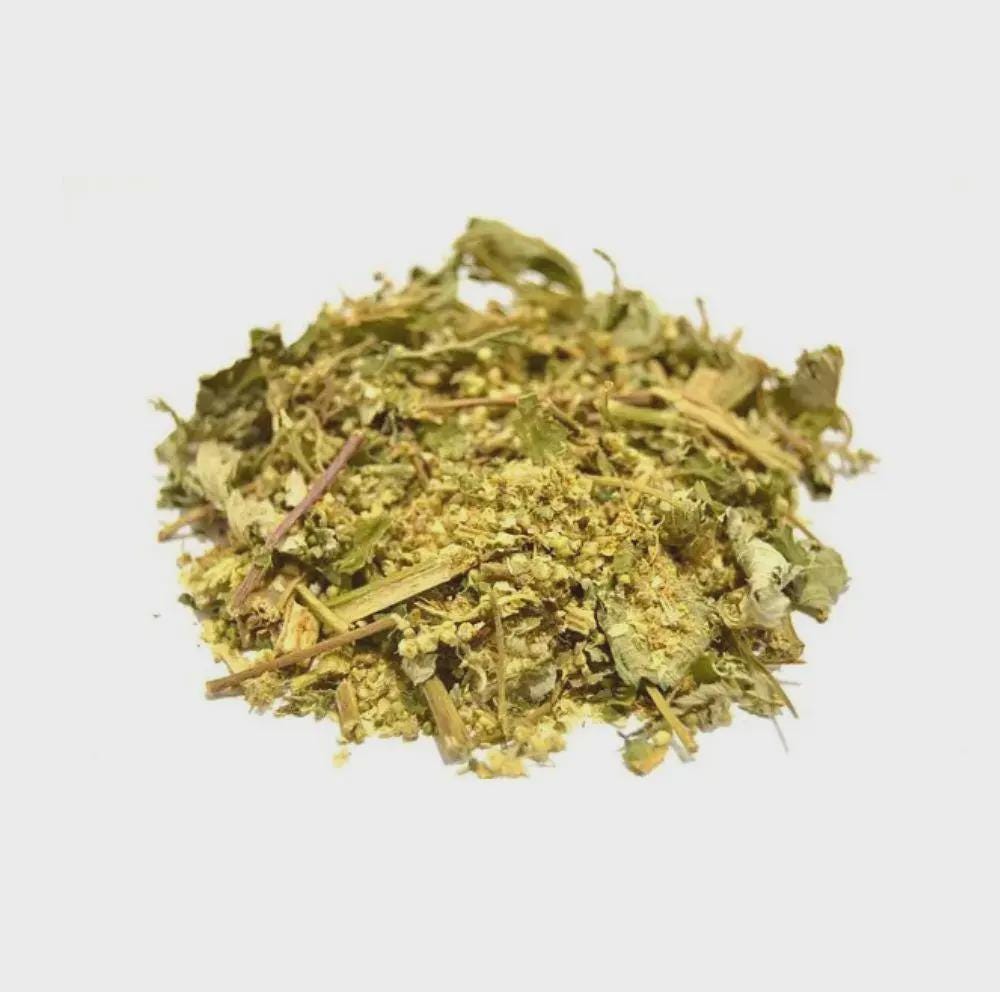
- Herbal Tea/Infusion: This is arguably the most traditional and popular method of consumption. Dried flowers and leaves are steeped in hot water, creating a pleasant-tasting and soothing brew. This form is excellent for digestive issues, general anti-inflammatory effects, and respiratory support.
- Tinctures: An alcoholic or glycerin extract of the herb, tinctures are concentrated and offer a convenient way to consume Meadowsweet. They are easily absorbed and can be precisely dosed, making them suitable for acute conditions or when a stronger effect is desired.
- Capsules/Tablets: For those who prefer a standardized dose and convenience, Meadowsweet is available in capsule or tablet form. These often contain powdered dried herb or concentrated extracts.
- Topical Applications: Infusions or diluted tinctures can be used externally as compresses, poultices, or washes to soothe irritated skin, reduce inflammation in joints, or cleanse minor wounds due to its astringent and antiseptic properties.
- Culinary Use: Historically, Meadowsweet flowers were used to flavor wines, vinegars, desserts, and mead, imparting a delicate almond-like aroma.
Dosage and Preparation Guidelines
While Meadowsweet is generally considered safe, appropriate dosage is important to maximize benefits and minimize potential risks. It is always advisable to consult with a qualified healthcare professional or herbalist before starting any new herbal regimen, especially for specific health conditions or if you are taking other medications.
- For Tea/Infusion: Steep 1-2 teaspoons of dried herb (flowers and leaves) in 1 cup of hot water for 5-10 minutes. Strain and drink 2-3 cups daily, ideally before meals for digestive benefits or throughout the day for anti-inflammatory effects.
- For Tincture: Standard dosage often ranges from 2-5 mL (40-100 drops), 2-3 times daily, or as directed by a practitioner.
- For Capsules: Follow the manufacturer’s instructions, as potency can vary significantly between brands. Typically, dosages range from 300-500 mg, 1-3 times daily.
Potential Side Effects and Precautions
Despite its gentle nature, Meadowsweet is not suitable for everyone, and certain precautions must be observed due to its salicylate content:
- Aspirin Allergy: Individuals with a known allergy or hypersensitivity to aspirin or other salicylates should avoid Meadowsweet.
- Anticoagulant Medications: As salicylates can have a mild blood-thinning effect, Meadowsweet should be used with caution by individuals taking anticoagulant drugs (blood thinners) like warfarin, or antiplatelet drugs.
- Children with Viral Infections (Reye’s Syndrome): Similar to aspirin, Meadowsweet should not be given to children or teenagers with viral infections (especially chickenpox or flu-like symptoms) due to the theoretical risk of Reye’s syndrome, a rare but serious condition affecting the brain and liver.
- Pregnancy and Breastfeeding: There is insufficient scientific evidence regarding the safety of Meadowsweet during pregnancy and breastfeeding. Therefore, it is generally recommended to avoid its use during these periods.
- Asthma: Individuals with asthma, particularly aspirin-sensitive asthma, should use Meadowsweet with caution, as salicylates can sometimes trigger bronchoconstriction.
- Gastric Irritation (Rare): While generally gentle on the stomach, excessive doses or individual sensitivities might rarely lead to mild stomach upset.
Always source Meadowsweet from reputable suppliers to ensure purity and potency, and consider starting with a lower dose to assess individual tolerance.
Conclusion: Meadowsweet – A Legacy of Gentle Healing
Meadowsweet herb stands as a testament to the enduring wisdom of traditional medicine, offering a multifaceted approach to health that seamlessly blends ancient knowledge with modern scientific understanding. From its historical role as a sacred herb and the precursor to aspirin to its scientifically validated anti-inflammatory, digestive, diuretic, and antioxidant properties, Filipendula ulmaria is truly a powerhouse of natural healing. Its unique ability to deliver the benefits of salicylates in a naturally buffered form makes it an invaluable alternative for those seeking gentle relief from pain and inflammation, particularly for digestive sensitivities.
As we navigate an increasingly complex world of health and wellness, the gentle yet profound efficacy of Meadowsweet serves as a powerful reminder of nature’s capacity to provide potent remedies. By understanding its rich botanical profile, historical significance, and the intricate mechanisms of its bioactive compounds, we can harness the full potential of this exceptional herb to promote holistic wellbeing and enhance our journey towards optimal health. Embrace the legacy of Meadowsweet, and discover the harmonious balance it can bring to your life.
Disclaimer: For informational purposes only. Not medical advice. Consult a qualified healthcare professional before use.