The Undeniable Power of Dill Seeds: An Exhaustive Guide to Their Profound Health Benefits
For millennia, various cultures around the globe have revered dill, not just for its distinctive culinary zest, but more profoundly for its remarkable medicinal properties. While the fresh herb (Anethum graveolens) is a familiar sight in kitchens, it is the often-underestimated dill seeds that harbor a concentrated wealth of therapeutic compounds. These tiny, oval, ridged seeds possess a potent aromatic profile and a nutritional composition that positions them as a true superfood in the realm of natural health. Far beyond their ability to elevate pickles and stews, dill seeds offer a comprehensive spectrum of health advantages, ranging from digestive solace to chronic disease prevention. This exhaustive guide delves deep into the science, history, and practical applications of dill seeds, uncovering the intricate mechanisms behind their celebrated health benefits and establishing them as an indispensable ally for holistic well-being.
A Botanical Journey and Historical Roots of Anethum graveolens
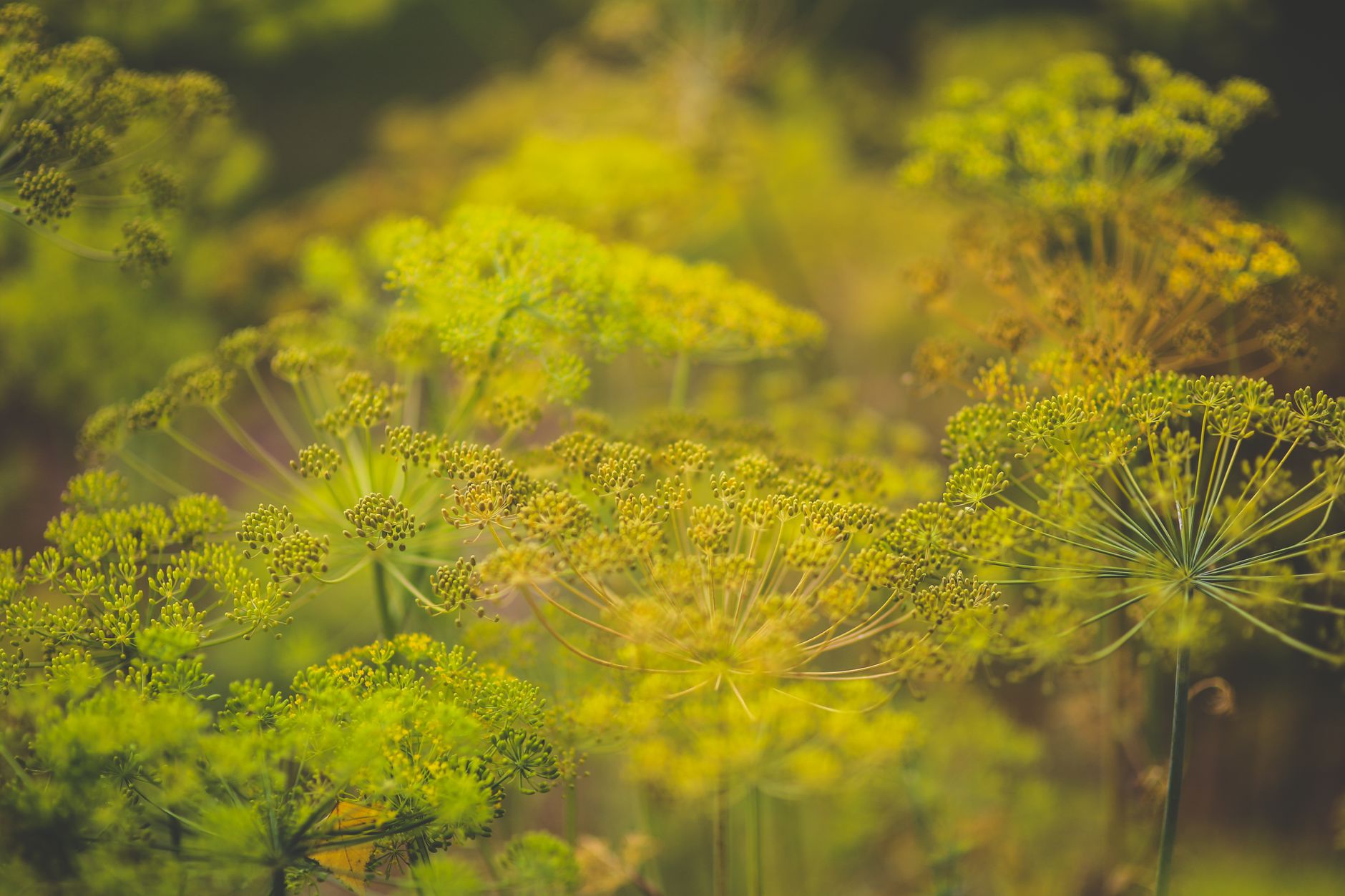
Dill, scientifically known as Anethum graveolens, belongs to the Apiaceae family, a distinguished group that also includes carrots, parsley, and celery. Native to Eastern Europe and the Mediterranean region, dill is an annual herb characterized by its delicate, feathery leaves and distinctive yellow umbels of flowers. It is from these flowers that the small, flattened, oval seeds are harvested, embodying a more pungent and potent flavor profile compared to their leafy counterparts. The name “dill” itself is believed to originate from the Old Norse word “dilla,” meaning “to lull” or “to soothe,” a direct nod to its traditional use as a carminative and sleep aid.
The historical reverence for dill seeds stretches back thousands of years. Ancient Egyptian texts, dating as far back as 1500 BC, mention dill as a potent medicinal herb, used for its soothing properties and to ward off evil spirits. The Greeks and Romans also recognized its value, incorporating it into their diets and medicines. Roman gladiators were believed to rub dill seed oil on their bodies to promote healing and muscle strength. In medieval Europe, dill seeds were a common ingredient in traditional remedies, employed to alleviate digestive discomfort, calm colicky babies, and even to protect against witchcraft. Ayurvedic medicine in India and Traditional Chinese Medicine also integrated dill seeds into their pharmacopeias, utilizing them for a range of conditions from digestive ailments to respiratory issues. This rich tapestry of historical usage underscores the enduring recognition of dill seeds as a powerful natural remedy across diverse civilizations.
The Robust Nutritional Profile of Dill Seeds
Beyond their aromatic allure, dill seeds are a nutritional powerhouse, packed with an array of essential vitamins, minerals, and dietary fiber that contribute significantly to overall health. While consumed in relatively small quantities, their concentrated nutrient density makes them a valuable addition to any diet. They are an excellent source of calcium, a mineral critical for bone health, nerve function, and muscle contraction. Furthermore, dill seeds provide a significant amount of iron, vital for oxygen transport and energy production, and manganese, an essential cofactor for numerous enzymes involved in metabolism and antioxidant defense. Other minerals present include magnesium, phosphorus, potassium, and zinc, each playing distinct roles in maintaining bodily functions.
In terms of vitamins, dill seeds contain noteworthy levels of Vitamin A (primarily as beta-carotene), important for vision, immune function, and skin health, and Vitamin C, a powerful antioxidant that supports immunity and collagen synthesis. They also offer a spectrum of B-complex vitamins, including folate, riboflavin, and niacin, which are crucial for cellular metabolism and energy production. Moreover, the high fiber content in dill seeds supports digestive regularity, helps regulate blood sugar levels, and contributes to satiety, aiding in weight management. This synergistic blend of micronutrients and fiber lays the groundwork for the extensive health benefits attributed to these unassuming seeds.
Unlocking the Power: Bioactive Compounds and Their Mechanisms
The profound health benefits of dill seeds are primarily attributed to their rich concentration of bioactive compounds, particularly their essential oils, flavonoids, and coumarins. These phytochemicals work in concert, exhibiting a wide range of therapeutic actions within the body.
Essential Oils: The Aromatic Architects of Health
The characteristic aroma and much of the medicinal efficacy of dill seeds stem from their volatile essential oil content, which can comprise up to 2-4% of the seed’s weight. The predominant compounds in dill seed essential oil include:
- Carvone: This monoterpene ketone is perhaps the most significant compound in dill seeds, responsible for much of its distinctive flavor and many of its therapeutic effects. Carvone acts as a potent carminative, helping to relax the smooth muscles of the digestive tract, thereby alleviating gas, bloating, and spasms. Its antispasmodic properties are well-documented, making it effective in managing conditions like irritable bowel syndrome (IBS) and menstrual cramps. Furthermore, carvone exhibits significant antimicrobial and antifungal activities, disrupting microbial cell membranes and inhibiting their growth.
- Limonene: Another prevalent monoterpene, limonene is also found in citrus peels. It is recognized for its anti-inflammatory, antioxidant, and even potential anticancer properties. Limonene can help to neutralize free radicals, reduce oxidative stress, and has been studied for its role in modulating immune responses.
- Alpha-Phellandrene: This cyclic monoterpene contributes to the aroma and possesses anti-inflammatory and analgesic properties. It interacts with various cellular pathways to mitigate inflammatory responses, offering pain relief and reducing swelling.
- Dillapiole: A phenylpropanoid, dillapiole is known for its mild diuretic and carminative effects. It contributes to the overall digestive benefits of dill seeds and may have some insecticidal properties.
- Myristicin: Another phenylpropanoid, myristicin, is present in smaller quantities. It is known for its potential to stimulate detoxification enzymes, particularly in the liver, aiding in the body’s natural cleansing processes.
Flavonoids: Potent Antioxidant Defenders
Dill seeds are also a good source of various flavonoids, including quercetin, kaempferol, and vicenin. Flavonoids are a class of polyphenolic compounds renowned for their powerful antioxidant and anti-inflammatory capabilities. They function by scavenging free radicals, unstable molecules that cause cellular damage and contribute to chronic diseases such as heart disease, cancer, and neurodegenerative disorders. By neutralizing these free radicals, flavonoids protect cellular integrity and reduce oxidative stress. Moreover, they can modulate inflammatory pathways, inhibiting the production of pro-inflammatory cytokines and enzymes, thereby alleviating systemic inflammation.
Coumarins: Under-Explored Potential
While less studied in dill seeds compared to essential oils and flavonoids, coumarins are another class of phytochemicals present. Coumarins are known for their anticoagulant, anti-inflammatory, and antimicrobial properties. Their presence further adds to the complex array of beneficial compounds in dill seeds, suggesting additional therapeutic avenues.

Comprehensive Health Benefits: A Deep Dive
The synergistic action of these bioactive compounds translates into a remarkable array of health benefits that make dill seeds a valuable addition to a health-conscious lifestyle.
1. Unparalleled Digestive Health Support
Dill seeds are perhaps most celebrated for their profound impact on digestive health. Their potent carminative and antispasmodic properties make them a go-to remedy for a host of gastrointestinal discomforts. The essential oils, particularly carvone, relax the smooth muscles of the gastrointestinal tract, facilitating the expulsion of trapped gas and alleviating bloating, flatulence, and abdominal distension. This antispasmodic action also extends to reducing cramping and spasms associated with conditions like irritable bowel syndrome (IBS) and general indigestion. Furthermore, dill seeds are known to stimulate the secretion of digestive enzymes, aiding in the more efficient breakdown and absorption of nutrients. They can also act as a mild appetite stimulant and have been traditionally used to relieve colic in infants. Emerging research even suggests their potential in protecting the gastric lining, offering some anti-ulcerogenic effects.
2. Potent Anti-inflammatory and Antioxidant Powerhouse
Chronic inflammation and oxidative stress are underlying drivers of many modern chronic diseases, including cardiovascular disease, diabetes, and certain cancers. Dill seeds stand out as a formidable natural defense against these cellular aggressors. The high concentration of flavonoids like quercetin and kaempferol, along with phenolic acids and essential oil compounds such as limonene, provides a powerful antioxidant shield. These compounds actively neutralize free radicals, preventing oxidative damage to DNA, proteins, and lipids. Simultaneously, their anti-inflammatory properties work by inhibiting the production of pro-inflammatory mediators and enzymes (like COX-2), thereby reducing systemic inflammation. This dual action is crucial for maintaining cellular health and reducing the risk of inflammation-related pathologies.
3. Promoting Healthy Blood Sugar Regulation
For individuals concerned with blood sugar management, dill seeds offer a promising natural intervention. Studies have indicated that dill seeds possess hypoglycemic properties, meaning they can help lower elevated blood glucose levels. The mechanisms behind this effect are thought to involve several pathways: improving insulin sensitivity, stimulating insulin secretion from pancreatic beta cells, and inhibiting alpha-glucosidase, an enzyme responsible for breaking down complex carbohydrates into glucose in the gut. By slowing down carbohydrate absorption and enhancing the body’s response to insulin, dill seeds can contribute to more stable blood sugar levels, making them a valuable adjunct for those managing type 2 diabetes or seeking to prevent its onset.
4. Supporting Cardiovascular Health and Cholesterol Management
The heart-healthy benefits of dill seeds are multifaceted, stemming from their antioxidant, anti-inflammatory, and lipid-modulating effects. Their rich fiber content aids in reducing LDL (“bad”) cholesterol by binding to bile acids in the gut, promoting their excretion. The powerful antioxidants protect LDL cholesterol from oxidation, a critical step in the development of atherosclerosis (hardening of the arteries). Furthermore, some compounds in dill seeds may help regulate blood pressure by acting as natural vasodilators, relaxing blood vessels and improving blood flow. By mitigating oxidative stress, inflammation, and unfavorable lipid profiles, dill seeds contribute significantly to overall cardiovascular wellness and a reduced risk of heart disease.
5. Bolstering Bone Health
Dill seeds are a surprisingly good source of calcium, a mineral fundamentally essential for strong bones and teeth. Adequate calcium intake is crucial throughout life to prevent osteoporosis, a condition characterized by brittle bones. Beyond calcium, the presence of other essential minerals like magnesium, phosphorus, and manganese in dill seeds further supports bone metabolism and density. Manganese, for instance, is involved in the formation of bone cartilage and bone collagen, making dill seeds a holistic contributor to skeletal integrity.
6. Potent Antimicrobial and Antifungal Properties
The essential oils found in dill seeds, particularly carvone and limonene, demonstrate significant antimicrobial and antifungal activities. Research has shown their efficacy against various strains of bacteria, including some common foodborne pathogens, and fungi. This makes dill seeds beneficial not only for internal health, by potentially inhibiting the growth of harmful gut bacteria or fungi, but also as a natural food preservative and a traditional remedy for topical infections. Their ability to disrupt microbial cell membranes and inhibit their replication makes them a versatile natural antiseptic.
7. Promoting Relaxation and Improved Sleep
True to its ancient etymology, dill seeds possess mild sedative and anxiolytic (anxiety-reducing) properties. Traditional medicine has long utilized dill seed infusions to calm nerves, reduce anxiety, and promote restful sleep. Certain compounds in dill seeds may interact with neurotransmitters in the brain, such as GABA (gamma-aminobutyric acid), which has a calming effect on the central nervous system. This makes dill seeds a gentle natural aid for those struggling with insomnia, nervousness, or general stress, offering a soothing alternative to harsher sedatives.
8. Supporting Respiratory Health
Dill seeds have been traditionally used as an expectorant, helping to loosen and expel mucus from the respiratory tract. This property can provide relief from coughs, colds, and mild congestion. Their anti-inflammatory and antimicrobial actions also contribute to alleviating symptoms associated with respiratory infections, offering a gentle way to support lung health and ease breathing.
9. Alleviating Menstrual Discomfort
For women, dill seeds can be a valuable ally in managing menstrual health. They possess emmenagogue properties, meaning they can help stimulate or regulate menstrual flow, potentially aiding those with irregular periods. More significantly, their antispasmodic and anti-inflammatory effects can provide considerable relief from dysmenorrhea (menstrual cramps). By relaxing the uterine muscles and reducing inflammatory prostaglandins, dill seeds can ease the pain and discomfort associated with menstruation, offering a natural alternative to conventional pain relievers.
10. Potential in Cancer Prevention
While research is ongoing, the robust antioxidant and anti-inflammatory profile of dill seeds, coupled with specific compounds like limonene and certain flavonoids, suggests a potential role in cancer prevention. These compounds have been shown in in-vitro and animal studies to exhibit antiproliferative effects, inhibiting the growth of cancer cells, and promoting apoptosis (programmed cell death) in various cancer lines. They may also support detoxification pathways in the liver, helping the body eliminate carcinogens. While not a cure, incorporating dill seeds into a healthy diet could contribute to a strategy for reducing cancer risk.
Traditional Uses and Modern Culinary Applications
Dill seeds, with their distinctive pungent, slightly bitter, and subtly sweet flavor profile, have a long and varied history of culinary and medicinal uses. Traditionally, they were commonly infused into teas or decoctions to treat digestive ailments, promote sleep, or alleviate menstrual cramps. Ground dill seeds were sometimes mixed with honey or other carriers for topical applications as a poultice to soothe minor skin irritations or aid wound healing, leveraging their antimicrobial properties.
In modern kitchens, dill seeds are a staple, especially in Eastern European, Nordic, and Indian cuisines. They are most famously associated with pickling, imparting their signature flavor to cucumbers, cabbage, and other vegetables. They are also widely used in baking, particularly in rye bread and other savory loaves, adding a warm, aromatic depth. Whole or ground, dill seeds can enhance the flavor of fish dishes, roasted vegetables, stews, soups, and even salads. They pair exceptionally well with potatoes, cabbage, and root vegetables. Toasting the seeds lightly before use can intensify their flavor, releasing their essential oils and adding a nutty dimension.

Dill Seed Supplements and Concentrated Extracts
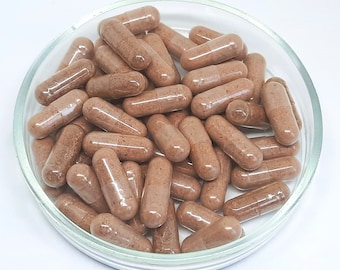
For those seeking to leverage the health benefits of dill seeds in a more concentrated and convenient form, various supplements and extracts are available. These typically come in capsules, tinctures, or essential oil formulations. Standardized extracts ensure a consistent dose of key bioactive compounds, such as carvone or flavonoids, allowing for targeted therapeutic applications. Dill seed essential oil, for instance, is a highly concentrated form and is often used in aromatherapy for its calming effects or diluted and applied topically for pain relief and muscle spasms. Capsules provide a convenient way to integrate dill seeds into a daily health regimen, especially for digestive support or blood sugar management, without altering the taste of meals. When opting for supplements, it is crucial to choose reputable brands that provide third-party testing and clear labeling regarding concentration and purity.
Practical Incorporation and Dosage Considerations
Integrating dill seeds into your diet is simple and versatile. They can be added whole to soups, stews, salads, and vegetable dishes. Ground dill seeds can be used as a spice rub for meats or fish, or blended into dressings and dips. For a soothing digestive aid, a simple dill seed tea can be prepared by crushing a teaspoon of seeds and steeping them in hot water for 5-10 minutes. A typical culinary dosage would be 1/2 to 1 teaspoon of whole or ground seeds per serving.
For therapeutic purposes, specific dosages may be recommended. For example, a common recommendation for digestive issues is 1-2 grams of crushed dill seeds steeped in hot water, consumed 2-3 times daily. For blood sugar management, studies have often used doses equivalent to several grams of dill seed extract. When using supplements, always adhere to the manufacturer’s recommended dosage or consult with a healthcare professional, especially when addressing specific health conditions. As with any herbal remedy, consistency is key to experiencing the full spectrum of benefits.
Potential Side Effects and Precautions
While dill seeds are generally considered safe for most people when consumed in moderate culinary amounts, certain precautions should be observed, especially with higher therapeutic doses or concentrated extracts.
- Allergies: Individuals with known allergies to other plants in the Apiaceae family (e.g., carrots, celery, parsley, caraway) may experience allergic reactions to dill, including skin rashes, swelling, or respiratory symptoms.
- Medication Interactions: Dill seeds may have mild blood-thinning properties and could potentially interact with anticoagulant medications (e.g., Warfarin, Aspirin), increasing the risk of bleeding. They may also affect blood sugar levels, necessitating careful monitoring for individuals on diabetes medications to avoid hypoglycemia.
- Pregnancy and Breastfeeding: While culinary amounts are likely safe, high therapeutic doses of dill seed extracts or essential oil are generally not recommended during pregnancy due to potential emmenagogue effects. Consult a healthcare provider before using dill seeds therapeutically during pregnancy or breastfeeding.
- Photosensitivity: In rare instances, excessive topical application of dill essential oil or very high oral doses may increase sensitivity to sunlight (photosensitivity), leading to skin reactions upon sun exposure.
- Hypotension: Given its potential to mildly lower blood pressure, individuals with naturally low blood pressure should exercise caution with large doses.
Always consult with a healthcare professional before incorporating dill seeds into a therapeutic regimen, particularly if you have pre-existing health conditions or are taking medications.
Conclusion: Embracing the Holistic Power of Dill Seeds
From ancient apothecaries to modern scientific laboratories, the humble dill seed has consistently revealed itself as a botanical marvel, brimming with compounds that confer an extraordinary array of health benefits. Its rich history as a digestive aid, tranquilizer, and flavor enhancer is now powerfully supported by scientific elucidation of its essential oils, flavonoids, and other phytochemicals. Whether it’s soothing digestive discomfort, combating inflammation, stabilizing blood sugar, protecting cardiovascular health, or even offering solace to the mind, dill seeds stand as a testament to nature’s profound capacity to heal and nourish.
As we increasingly seek natural and holistic approaches to health, embracing the simple yet potent power of dill seeds offers an accessible and delicious pathway to enhanced well-being. By thoughtfully integrating these tiny seeds into our diets and considering their broader therapeutic applications, we unlock a tradition of wellness that has spanned civilizations and continues to enrich lives today. Their comprehensive nutritional profile and multifaceted actions firmly establish dill seeds not just as a culinary spice, but as a vital component of a truly vibrant and healthful lifestyle.

Disclaimer: For informational purposes only. Not medical advice. Consult a qualified healthcare professional before use.