Unveiling the Power of Parsley: An Exhaustive Deep-Dive into Its Remarkable Health Benefits
Often relegated to a mere garnish, the vibrant green sprig of parsley (Petroselinum crispum) is far more than just a decorative element on a plate. This humble herb, with its distinctive peppery yet fresh flavor, is a nutritional powerhouse and a repository of potent bioactive compounds that offer an astonishing array of health benefits. From ancient medicinal applications to modern scientific validation, parsley stands as a testament to nature’s profound capacity for healing and nourishment. This comprehensive guide aims to peel back the layers of this culinary staple, exploring its rich history, intricate nutritional profile, specific mechanisms of action, and the multifaceted ways it contributes to human health, cementing its status as a veritable superfood.
A Journey Through Time: The Historical and Cultural Significance of Parsley
The story of parsley begins millennia ago, not as a culinary adornment but as a plant steeped in myth, medicine, and symbolism. Originating in the Mediterranean region, particularly Sardinia and Algeria, its name is derived from the Greek “petroselinon,” meaning “rock celery,” a nod to its tendency to grow in rocky areas. Ancient Greeks revered parsley, weaving it into garlands for athletes and adorning tombs, associating it with victory and remembrance. It wasn’t until the Middle Ages that its culinary potential began to be widely recognized in Europe, thanks to figures like Charlemagne, who reportedly cultivated it extensively in his gardens.
Beyond its symbolic use, early civilizations utilized parsley for its perceived medicinal properties. Roman physicians prescribed it for various ailments, including digestive issues and as a breath freshener after lavish feasts. Medieval herbalists championed its diuretic qualities and its purported ability to treat kidney stones and menstrual problems. Over centuries, these traditional applications have laid the groundwork for modern scientific inquiry, which continues to uncover the profound biochemical basis behind parsley’s long-standing reputation as a therapeutic herb.
Botanical Overview and Distinct Varieties
Parsley belongs to the Apiaceae family, alongside other well-known herbs like celery, carrots, and dill. It is typically a biennial plant, meaning it completes its life cycle over two years, though it is often cultivated as an annual in cooler climates. The plant forms a rosette of leaves in its first year, focusing on foliage production, and then sends up a flower stalk in its second year to produce seeds.
While often seen as a single entity, parsley comes in several distinct varieties, each with its own nuances in flavor and texture. The most common types include:
- Curly-Leaf Parsley (Petroselinum crispum): Recognized by its tightly curled, ruffled leaves, this variety is often used as a garnish due to its attractive appearance. It has a slightly milder flavor compared to its flat-leaf counterpart.
- Flat-Leaf Parsley (Italian Parsley – Petroselinum crispum var. neapolitanum): Featuring broad, flat leaves that resemble cilantro, this variety boasts a more robust, peppery, and intense flavor profile. It is favored by chefs for its superior taste and ease of chopping.
- Root Parsley (Petroselinum crispum var. tuberosum): Less common in many parts of the world, this variety is cultivated for its parsnip-like root, which offers a unique earthy flavor suitable for stews and roasts, while its leaves can also be used culinarily.
Regardless of the variety, the potent health benefits are largely consistent across the species, stemming from the rich concentration of vitamins, minerals, and specialized phytochemicals found predominantly in its vibrant green leaves.

The Nutritional Profile: A Macroscopic View of Parsley’s Core Components
Beyond its aromatic qualities, parsley is a micronutrient marvel. Even in small serving sizes, it delivers a significant punch of essential vitamins and minerals crucial for optimal bodily function. It is particularly renowned for its exceptional vitamin content:
- Vitamin K: Parsley is an extraordinary source of Vitamin K, providing well over 100% of the daily recommended intake in just a small handful. This fat-soluble vitamin is indispensable for blood clotting and plays a pivotal role in maintaining bone health.
- Vitamin C: A potent water-soluble antioxidant, Vitamin C is abundant in parsley, contributing significantly to immune function, collagen synthesis, and cellular protection.
- Vitamin A (from carotenoids): Parsley contains pro-vitamin A carotenoids like beta-carotene, which the body converts into Vitamin A. This vitamin is vital for vision, immune response, and skin health.
In addition to these vitamins, parsley also supplies a valuable spectrum of minerals:
- Iron: Essential for oxygen transport in the blood and preventing anemia.
- Potassium: Critical for maintaining fluid balance, nerve signals, and healthy blood pressure.
- Calcium: Fundamental for strong bones and teeth, nerve transmission, and muscle function.
- Magnesium: Involved in over 300 biochemical reactions in the body, including energy production and muscle and nerve function.
Furthermore, parsley contributes dietary fiber, aiding in digestive health and promoting satiety, and is exceptionally low in calories, making it a nutrient-dense addition to any diet.
Delving Deeper: Bioactive Compounds and Their Intricate Mechanisms of Action
The true magic of parsley, and the source of its extensive health benefits, lies in its complex array of bioactive phytochemicals. These plant compounds work synergistically to exert powerful therapeutic effects within the body.
Flavonoids: Potent Antioxidants and Anti-inflammatories
Parsley is particularly rich in flavonoids, a class of plant metabolites known for their strong antioxidant and anti-inflammatory properties. The most prominent flavonoids in parsley include:
- Apigenin: This powerful flavonoid is perhaps the most extensively studied compound in parsley. Apigenin exhibits remarkable anti-inflammatory effects by inhibiting various pro-inflammatory cytokines and enzymes, such as cyclooxygenase-2 (COX-2) and inducible nitric oxide synthase (iNOS). Its antioxidant capacity helps scavenge free radicals, protecting cells from oxidative damage. Moreover, apigenin has garnered significant attention for its potential anticancer properties, demonstrated in various studies to induce apoptosis (programmed cell death) in cancer cells, inhibit cell proliferation, and suppress angiogenesis (the formation of new blood vessels that feed tumors).
- Luteolin: Another significant flavonoid, luteolin, works in conjunction with apigenin to reduce inflammation and oxidative stress. It has been shown to modulate immune responses and possess neuroprotective qualities, potentially guarding against age-related cognitive decline.
- Myricetin: While present in smaller amounts, myricetin also contributes to parsley’s antioxidant and anti-inflammatory profile, and some research suggests its potential role in managing blood sugar levels.
Volatile Oils (Essential Oils): Digestive Aids and Diuretics
The characteristic aroma and many therapeutic effects of parsley are attributed to its volatile oils, particularly those found in its essential oil. Key components include:
- Myristicin: This compound is responsible for much of parsley’s diuretic action, promoting increased urine flow and aiding in the elimination of toxins and excess water from the body. It also possesses chemoprotective properties, particularly against certain carcinogens, by activating phase II detoxification enzymes in the liver. However, in very high concentrations (e.g., from excessive essential oil consumption), myristicin can have neurotoxic effects, highlighting the importance of moderation, especially with concentrated forms.
- Apiol: Similar to myristicin, apiol contributes to parsley’s diuretic and emmenagogic (promoting menstrual flow) effects. Historically, both myristicin and apiol were used in traditional medicine for their uterine stimulant properties, which is why pregnant women are often advised to limit large quantities of parsley.
- Limonene and Eugenol: These compounds contribute to parsley’s fresh scent and possess antimicrobial and antioxidant properties, further enhancing the herb’s overall health benefits.
Coumarins: Understated Bioactivity
Parsley also contains coumarins, a group of phytochemicals with diverse biological activities, including anti-inflammatory, antioxidant, and anticoagulant properties. While not as dominant as flavonoids or volatile oils, they contribute to the herb’s overall therapeutic spectrum.

Comprehensive Health Benefits: The Therapeutic Spectrum of Parsley
The synergistic action of parsley’s rich nutrient profile and its potent bioactive compounds translates into an extensive list of health advantages.
1. Antioxidant Powerhouse: Battling Oxidative Stress
Oxidative stress, caused by an imbalance between free radicals and antioxidants, is a major contributor to chronic diseases like heart disease, cancer, and neurodegenerative disorders. Parsley is an exceptional source of antioxidants, including flavonoids (apigenin, luteolin), vitamin C, and carotenoids. These compounds work by neutralizing harmful free radicals, protecting cellular components from damage, and reducing the burden of oxidative stress on the body. This protective action is fundamental to preventing cellular aging and maintaining overall health.
2. Anti-inflammatory Properties: Soothing the System
Chronic inflammation is a silent driver behind many modern diseases, from arthritis to metabolic syndrome. The flavonoids in parsley, especially apigenin and luteolin, exhibit significant anti-inflammatory effects. They achieve this by inhibiting key inflammatory pathways and enzymes, such as COX-2 and various pro-inflammatory cytokines (e.g., TNF-α, IL-6). By modulating the inflammatory response, parsley can help alleviate symptoms associated with inflammatory conditions and contribute to long-term disease prevention.
3. Robust Bone Health: A Pillar of Strength
Parsley is one of the richest plant sources of Vitamin K, a critical nutrient often overlooked in bone health discussions. Vitamin K plays an essential role in the carboxylation of osteocalcin, a protein necessary for binding calcium to the bone matrix. Adequate Vitamin K intake ensures strong, dense bones and reduces the risk of fractures and osteoporosis. The presence of calcium and magnesium further complements parsley’s bone-building capabilities.
4. Immune System Fortification: Your Body’s Defense
A strong immune system is paramount for fighting off infections and maintaining health. Parsley’s high content of Vitamin C is a primary driver of its immune-boosting effects. Vitamin C stimulates the production and function of white blood cells, which are the body’s primary defense against pathogens. Additionally, the pro-vitamin A carotenoids support immune cell development and function, while the various antioxidants protect immune cells from damage, ensuring they can perform optimally.
5. Digestive Health and Gut Support: A Happy Tummy
Parsley contributes to digestive wellness in several ways. Its dietary fiber content promotes regular bowel movements, preventing constipation and supporting a healthy gut microbiome. The volatile oils, particularly myristicin, have carminative properties, which can help alleviate indigestion, bloating, and gas by relaxing digestive tract muscles. Historically, parsley tea was used to soothe stomach upset and stimulate appetite.
6. Natural Diuretic and Kidney Support: Gentle Detoxification
The compounds apiol and myristicin in parsley are renowned for their natural diuretic effects. They promote increased urine production and excretion, which helps flush out excess sodium and water from the body. This can be beneficial for individuals experiencing fluid retention or mild edema. While often traditionally used for kidney stones, it’s important to note that individuals with existing kidney conditions should consult a healthcare professional before using parsley as a therapeutic agent due to its oxalate content, which could exacerbate stone formation in susceptible individuals.
7. Cardiovascular Health: Protecting Your Heart
Parsley offers multiple benefits for heart health. Its rich potassium content helps to counteract the effects of sodium, contributing to healthy blood pressure regulation. The antioxidants, particularly flavonoids and Vitamin C, protect blood vessels from oxidative damage and reduce inflammation, both of which are critical for preventing atherosclerosis (hardening of the arteries). Furthermore, parsley contains folate (Vitamin B9), which helps reduce homocysteine levels, an amino acid linked to an increased risk of heart disease.
8. Anticancer Potential: A Shield Against Disease
Emerging research has highlighted parsley’s significant anticancer potential, primarily attributed to its flavonoid content, especially apigenin and myristicin. Studies suggest that these compounds can inhibit tumor growth, induce apoptosis in various cancer cell lines (including breast, colon, and prostate), and prevent the formation of new blood vessels that feed tumors (angiogenesis). Myristicin also acts as a chemoprotectant by activating enzymes that detoxify carcinogens.
9. Eye Health: Protecting Your Vision
As a source of pro-vitamin A carotenoids like beta-carotene, lutein, and zeaxanthin, parsley plays a role in maintaining healthy vision. Lutein and zeaxanthin are particularly important for eye health, accumulating in the retina and acting as natural sunscreens, protecting the eyes from harmful blue light and reducing the risk of age-related macular degeneration (AMD) and cataracts.
10. Skin Health and Radiance: Glow from Within
The high Vitamin C content in parsley is crucial for collagen synthesis, the structural protein that gives skin its elasticity and firmness. By promoting collagen production, parsley can contribute to healthier, more youthful-looking skin. Its antioxidant properties also protect skin cells from damage caused by UV radiation and environmental pollutants, further supporting skin health and radiance.
11. Natural Breath Freshener: A Simple Solution
Parsley contains chlorophyll, a natural deodorizer. Chewing fresh parsley can help neutralize bad breath, particularly after consuming pungent foods like garlic or onions, by masking and absorbing odors. This traditional remedy is still effective and widely used today.
Practical Ways to Incorporate Parsley into Your Diet and Lifestyle
Integrating parsley into your daily routine is both easy and delicious, offering a simple way to boost your nutritional intake and harness its therapeutic benefits.
- Fresh Culinary Uses: This is arguably the best way to consume parsley. Chop fresh flat-leaf parsley and add it generously to salads, tabouleh, pesto, chimichurri, salsas, and dressings. Stir it into soups, stews, pasta sauces, and grain dishes just before serving to preserve its flavor and nutrient content. It makes an excellent garnish for virtually any savory dish.
- Smoothies and Juices: For a concentrated dose of nutrients, blend a handful of fresh parsley into your morning smoothie or green juice. Its fresh flavor pairs well with fruits and other leafy greens.
- Teas and Infusions: A simple parsley tea can be made by steeping fresh or dried parsley leaves in hot water. This infusion can be particularly beneficial for digestive aid or as a mild diuretic.
- Herb Butters and Oils: Infuse butter or olive oil with finely chopped parsley for a flavorful spread or cooking oil that adds a fresh herbaceous note to dishes.
Parsley Supplements and Extracts: Concentrated Benefits
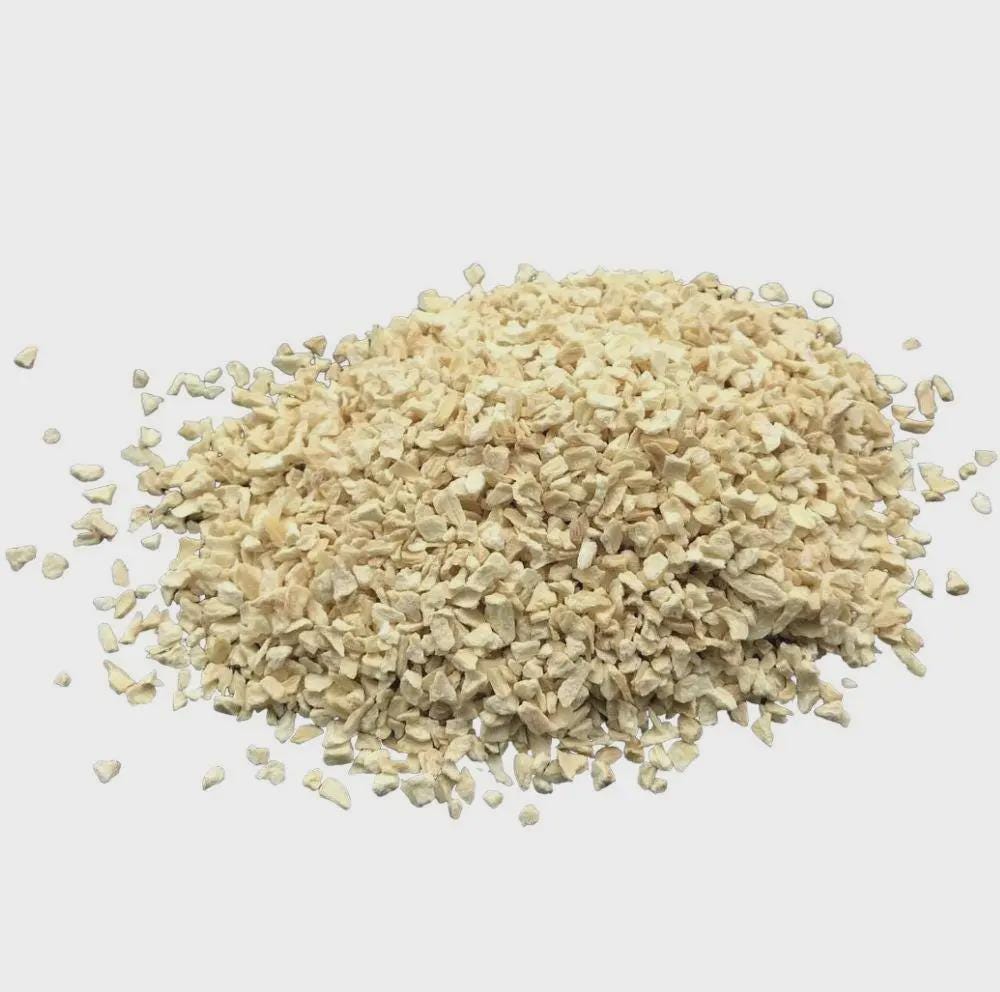
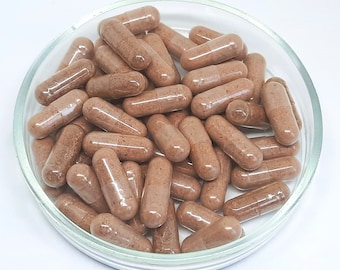
For those looking for a more concentrated form of parsley’s health benefits, or when fresh parsley isn’t readily available, supplements and extracts offer an alternative. These can include:
- Parsley Capsules: Available as dried herb powder or concentrated extracts, these capsules provide a convenient way to consume specific dosages of parsley’s beneficial compounds. They are often used for general wellness, as a diuretic, or for digestive support.
- Liquid Extracts/Tinctures: These are alcohol or glycerin-based preparations that extract the soluble compounds from parsley. Tinctures offer quick absorption and can be easily added to water or juice.
- Parsley Essential Oil: While extremely potent and generally not recommended for internal use without expert guidance, parsley essential oil contains highly concentrated volatile compounds and is sometimes used topically (diluted) or aromatically for certain therapeutic purposes. Due to the high concentration of compounds like myristicin and apiol, internal use of essential oil can be toxic and should be avoided or undertaken only under strict professional supervision.
When considering parsley supplements, it is crucial to consult with a healthcare professional, especially if you have underlying health conditions, are pregnant, or are taking other medications, to determine appropriate dosage and ensure safety.
Potential Side Effects and Precautions
While generally safe for most people in culinary amounts, certain precautions should be considered when consuming parsley in larger, medicinal quantities:
- Pregnancy: High concentrations of parsley, particularly from essential oils or large quantities of root parsley, contain apiol and myristicin, which can stimulate uterine contractions. Pregnant women should avoid consuming parsley in medicinal amounts.
- Blood Thinners (Anticoagulants): Due to its extremely high Vitamin K content, individuals taking blood-thinning medications like warfarin should consume parsley in consistent, moderate amounts and consult their doctor. Sudden large changes in Vitamin K intake can interfere with medication efficacy.
- Kidney Conditions: While traditionally used as a diuretic, individuals with existing kidney disease or a history of oxalate kidney stones should exercise caution. Parsley contains oxalates, which can contribute to stone formation in susceptible individuals.
- Photosensitivity: In rare cases, especially with extensive topical use of parsley juice or very high internal consumption, furocoumarins in parsley can increase skin sensitivity to sunlight, leading to phytophotodermatitis in highly sensitive individuals.
- Allergies: Though uncommon, individuals with allergies to other members of the Apiaceae family (e.g., celery, carrot, dill) may experience cross-reactivity to parsley.
Conclusion: Parsley – A Verdant Elixir for Wellness
Parsley, far from being a mere decorative afterthought, emerges as a genuine superfood with a profound impact on human health. Its rich historical legacy, coupled with an impressive modern scientific understanding of its bioactive compounds, underscores its multifaceted therapeutic potential. From its powerful antioxidant and anti-inflammatory properties to its vital roles in bone health, immune function, digestion, and even its potential anticancer effects, parsley offers a verdant elixir for holistic wellness.
By thoughtfully incorporating fresh or dried parsley into your culinary creations, you not only enhance the flavor and aroma of your meals but also imbue your body with a concentrated dose of essential vitamins, minerals, and phytochemicals. As a testament to nature’s profound pharmacy, parsley reminds us that some of the most potent medicines and nourishing foods are found in the simplest, most accessible ingredients. Embrace the power of parsley, and let this humble herb elevate your health and culinary experience to new heights.

Disclaimer: For informational purposes only. Not medical advice. Consult a qualified healthcare professional before use.