Unearthing Nature’s Potent Bitter: The Definitive Guide to Yellow Gentian’s Profound Health Benefits
In the vast and intricate tapestry of botanical medicine, few plants hold as revered a position as Yellow Gentian (*Gentiana lutea*). This magnificent perennial herb, native to the mountainous regions of Europe, has been celebrated for centuries, not merely for its striking golden blossoms but for the remarkable array of health benefits encapsulated within its root. Often hailed as the “king of bitters,” Yellow Gentian is a powerhouse of potent compounds, offering a holistic approach to wellness, particularly renowned for its profound impact on the digestive system. This exhaustive guide delves deep into the historical legacy, botanical marvels, complex biochemistry, and the far-reaching therapeutic applications of Yellow Gentian, providing an unparalleled resource for those seeking to understand and harness its natural prowess.
From ancient apothecaries to modern supplement shelves, the journey of Yellow Gentian is one of enduring efficacy and evolving scientific understanding. Our exploration will unravel the layers of traditional wisdom, substantiated by contemporary research, to present a comprehensive picture of how this humble root can contribute to a healthier, more balanced life. Prepare to discover the intricate mechanisms by which Yellow Gentian supports vital bodily functions, combats common ailments, and stands as a testament to the enduring power of nature’s pharmacy.
Botanical Majesty: A Closer Look at *Gentiana lutea*
Yellow Gentian, scientifically known as *Gentiana lutea*, is an imposing and aesthetically pleasing member of the Gentianaceae family. It is typically found thriving in the subalpine meadows and pastures of central and southern Europe, flourishing at altitudes ranging from 800 to 2,500 meters. The plant is easily recognizable by its robust stature, often reaching heights of 1 to 2 meters, making it one of the tallest gentian species. Its sturdy, hollow stem is adorned with large, ovate to elliptical leaves that are sessile, ribbed, and have a distinctive bluish-green hue, arranged in opposite pairs along the stem. The plant’s most captivating feature, however, is its inflorescence: dense clusters of vibrant yellow, star-shaped flowers that emerge from the upper leaf axils during the summer months, creating a striking visual against the verdant alpine landscape. These flowers give the plant its characteristic name and serve as a beacon for pollinators.
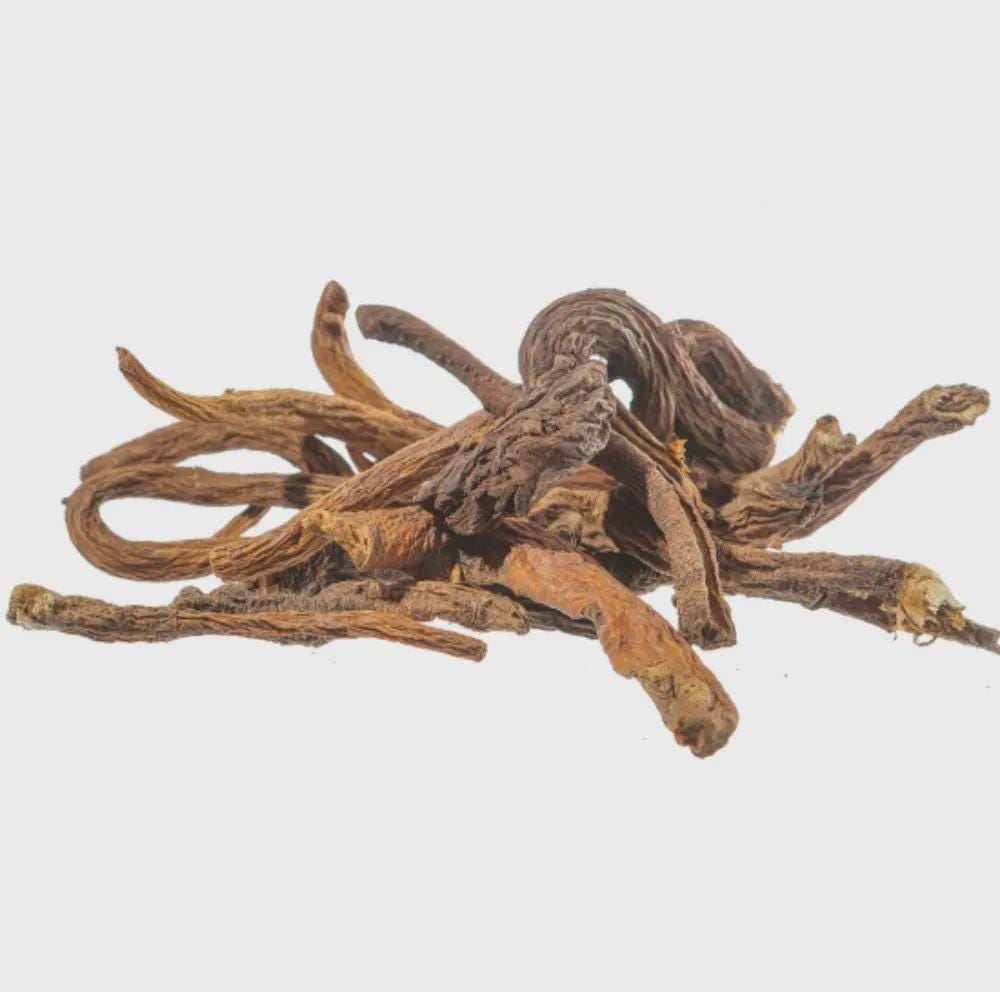
While the flowers are beautiful, it is the root of *Gentiana lutea* that holds the true medicinal treasure. This taproot is thick, fleshy, and highly branched, growing deep into the soil. It is typically brownish on the outside and yellowish on the inside, possessing an intensely bitter taste that is immediately apparent upon consumption. The development of this root is a slow process; Yellow Gentian can take many years, sometimes up to a decade, to reach maturity before its root is deemed potent enough for harvest. This slow growth cycle contributes to the plant’s value and emphasizes the patience required to cultivate and utilize its full therapeutic potential. The habitat and unique botanical characteristics of Yellow Gentian are intrinsically linked to the development of its remarkable biochemical profile, which we will explore in detail.

A Rich Tapestry of History: Yellow Gentian Through the Ages
The historical reverence for Yellow Gentian is deeply embedded in ancient and traditional medical practices, extending back over two millennia. Its medicinal use is often attributed to King Gentius of Illyria, who, in the 2nd century BCE, is said to have discovered its healing properties, particularly for stimulating appetite and aiding digestion, hence the genus name *Gentiana*. However, the herb’s use likely predates this attribution, rooted in the folk medicine of various European cultures.
Throughout the Middle Ages, Yellow Gentian became a staple in European herbalism, documented in influential texts and pharmacopoeias. Physicians and herbalists like Hildegard von Bingen and Paracelsus lauded its ability to “open” the stomach, suggesting its role in digestive health. It was widely employed to treat a spectrum of ailments, including fevers, stomach complaints, intestinal worms, and even as an antidote to certain poisons. Its intense bitterness was not merely tolerated but seen as a direct indicator of its therapeutic strength, a concept central to traditional humoral theory where bitter tastes were believed to “cleanse” and “purify” the body.
The plant’s popularity continued into the Renaissance and beyond, becoming an essential ingredient in various elixirs, tonics, and digestives. Its reputation as a potent bitter meant it was frequently used to stimulate appetite in convalescents and to alleviate dyspepsia. The tradition of incorporating gentian into alcoholic bitters, such as amari and vermouth, also emerged, testament to its profound impact on flavor and digestion. Even in more recent history, during times of scarcity, gentian root was occasionally used as a substitute for hops in brewing, highlighting its enduring versatility. This rich historical narrative underscores Yellow Gentian’s long-standing credibility as a fundamental botanical ally, cementing its place in the enduring legacy of natural medicine.
The Science Beneath the Soil: Bioactive Compounds of Yellow Gentian
The remarkable therapeutic properties of Yellow Gentian are directly attributable to its complex chemical composition, a symphony of bioactive compounds working in concert. The most significant of these are secoiridoid glycosides, which are primarily responsible for the root’s characteristic intense bitterness and many of its health benefits. However, Yellow Gentian also boasts a diverse profile of xanthones, alkaloids, and other beneficial constituents, each contributing to its overall pharmacological action.
Secoiridoid Glycosides: The Essence of Bitterness and Digestive Power
- Gentiopicroside (Gentiopicrin): This is the most abundant secoiridoid glycoside found in Yellow Gentian root, contributing significantly to its bitter taste. Gentiopicroside is crucial for initiating the “bitter reflex” in the body, stimulating the secretion of digestive juices throughout the gastrointestinal tract, from saliva in the mouth to gastric acid, bile, and pancreatic enzymes. This enhanced digestive activity is fundamental to its ability to improve appetite, reduce indigestion, and facilitate nutrient absorption.
- Amarogentin: While present in smaller quantities than gentiopicroside, amarogentin holds the distinction of being one of the bitterest substances known to humankind. Its extreme bitterness plays a pivotal role in the potent digestive stimulus provided by Yellow Gentian. Even at incredibly low concentrations, amarogentin can trigger robust physiological responses, underscoring its efficacy in promoting digestive function and appetite.
- Swertiamarin: Another significant secoiridoid glycoside, swertiamarin, contributes to the overall bitter profile and therapeutic actions of Yellow Gentian. Like its counterparts, swertiamarin supports digestive health by promoting the flow of digestive secretions and has been investigated for potential anti-inflammatory and hepatoprotective properties.
Xanthones: Antioxidant and Anti-Inflammatory Guardians
Yellow Gentian is also rich in xanthones, a class of polyphenolic compounds known for their wide range of biological activities. The primary xanthones identified in *Gentiana lutea* include gentisin, isogentisin, and gentisein.
- Antioxidant Activity: Xanthones are powerful antioxidants, meaning they can neutralize harmful free radicals in the body. This protective action helps to reduce oxidative stress, which is implicated in cellular damage, aging, and the development of numerous chronic diseases. By mitigating oxidative damage, gentian’s xanthones contribute to overall cellular health and resilience.
- Anti-inflammatory Effects: Research suggests that gentian xanthones possess significant anti-inflammatory properties. They can modulate inflammatory pathways, potentially by inhibiting the production of pro-inflammatory mediators. This anti-inflammatory action could be beneficial in managing conditions characterized by chronic inflammation, further extending the therapeutic reach of Yellow Gentian beyond its primary digestive benefits.
Alkaloids and Other Constituents
While secoiridoids and xanthones dominate the pharmacological profile, Yellow Gentian also contains other important compounds:
- Alkaloids (e.g., Gentianine): Alkaloids are nitrogen-containing compounds often known for potent pharmacological effects. Gentianine, an alkaloid found in gentian, has been investigated for various potential actions, though its contribution to the primary bitter and digestive effects is less prominent than that of the secoiridoids.
- Flavonoids, Triterpenes, and Phenolic Acids: These additional compounds further enrich Yellow Gentian’s biochemical profile, contributing to its overall antioxidant, anti-inflammatory, and potentially other synergistic health benefits. Flavonoids, for instance, are well-known for their protective vascular effects and ability to enhance antioxidant defense systems.
The intricate interplay between these diverse bioactive compounds establishes Yellow Gentian as a multi-faceted therapeutic agent, capable of exerting a broad spectrum of physiological effects. It is this complex synergy that underlies its enduring reputation as a cornerstone of traditional herbal medicine and its continued relevance in contemporary natural health. The profound bitterness, often a deterrent for some, is precisely the key to its powerful and comprehensive action, making it a truly unique botanical.

Unlocking Nature’s Pharmacy: Comprehensive Health Benefits of Yellow Gentian
The health benefits of Yellow Gentian are extensive, stemming primarily from its remarkable ability to stimulate the digestive system, but also extending to its potent antioxidant and anti-inflammatory properties. Its long history of use is now increasingly supported by scientific inquiry, illuminating the mechanisms behind its profound therapeutic effects.
1. Digestive Powerhouse: The Bitter Reflex Explained
Yellow Gentian’s most celebrated attribute is its unparalleled ability to act as a digestive tonic. This action is primarily driven by its intense bitterness, which triggers the “bitter reflex” when the bitter compounds, especially amarogentin and gentiopicroside, bind to bitter taste receptors on the tongue and in the gastrointestinal tract. This reflex initiates a cascade of physiological responses designed to optimize digestion:
- Stimulation of Salivary Glands: The mere taste of bitterness in the mouth prompts an increase in saliva production, which contains enzymes like amylase that begin the breakdown of carbohydrates. This prepares the digestive system for the incoming food.
- Enhanced Gastric Acid Secretion: As the bitter compounds reach the stomach, they signal the stomach lining to produce more hydrochloric acid and pepsin, critical for breaking down proteins and killing harmful bacteria ingested with food. Adequate stomach acid is fundamental for preventing indigestion, bloating, and nutrient malabsorption.
- Promotion of Bile Flow: Yellow Gentian stimulates the gallbladder to release bile and the liver to produce more bile. Bile is essential for emulsifying fats, allowing for their proper digestion and absorption, as well as for carrying away metabolic waste products. Improved bile flow also prevents gallstone formation and supports overall liver health.
- Increased Pancreatic Enzyme Output: The bitter compounds also stimulate the pancreas to release a broader spectrum and greater quantity of digestive enzymes, including lipases, proteases, and amylases. These enzymes are vital for breaking down fats, proteins, and carbohydrates into smaller molecules that can be absorbed by the intestines.
- Appetite Stimulation: For individuals suffering from anorexia, loss of appetite due to illness, or convalescence, Yellow Gentian acts as a potent orexigenic agent. By preparing the digestive system so thoroughly, it primes the body for food intake, making the process of eating more appealing and efficient.
- Relief from Indigestion, Bloating, and Gas: By optimizing all phases of digestion, Yellow Gentian effectively alleviates common dyspeptic symptoms such as indigestion, heartburn, bloating, and excessive gas. When food is properly broken down and assimilated, it reduces the likelihood of fermentation and putrefaction in the gut, which are common causes of these uncomfortable symptoms.
- Support for Liver and Gallbladder Function: Beyond bile flow, the hepatoprotective qualities of Yellow Gentian are noteworthy. By reducing the workload on the liver through improved digestion and potentially offering direct antioxidant protection from its xanthones, it supports the liver’s detoxification processes and overall metabolic health.
- Gut Motility and Microbiome Modulation: While not its primary action, enhanced digestive secretions and a more efficient digestive process can indirectly support healthy gut motility and potentially foster a more balanced gut microbiome by ensuring that food is thoroughly processed, leaving less fermentable substrate for undesirable bacteria.
2. Anti-Inflammatory and Antioxidant Properties
Beyond its digestive prowess, Yellow Gentian exhibits significant anti-inflammatory and antioxidant activities, predominantly attributed to its xanthone content (gentisin, isogentisin, gentisein) and other phenolic compounds.
- Combating Oxidative Stress: The xanthones in Yellow Gentian are potent free radical scavengers. They donate electrons to unstable free radicals, neutralizing them before they can cause oxidative damage to cells, DNA, and lipids. This protection is crucial in preventing chronic diseases like cardiovascular disease, neurodegenerative disorders, and certain cancers, which are often exacerbated by oxidative stress.
- Modulating Inflammatory Pathways: Studies suggest that Yellow Gentian compounds can modulate various inflammatory pathways in the body. They may inhibit the release of pro-inflammatory cytokines and enzymes, thereby helping to dampen inflammatory responses. This makes Yellow Gentian a potential adjunct in managing inflammatory conditions, both acute and chronic, offering a natural approach to reducing discomfort and promoting healing at a cellular level.
3. Immune System Support
While not a direct immune stimulant in the same vein as echinacea or astragalus, Yellow Gentian supports immune function through several indirect mechanisms:
- Optimized Nutrient Absorption: A healthy immune system is heavily dependent on a steady supply of vitamins, minerals, and other micronutrients. By improving digestion and nutrient absorption, Yellow Gentian ensures the body receives the necessary building blocks to produce immune cells and antibodies, thus enhancing overall immune competence.
- Gut-Immune Axis: The gut is intrinsically linked to the immune system, with a significant portion of immune cells residing there. By promoting a healthy digestive environment and potentially aiding in gut barrier integrity, Yellow Gentian can indirectly support a robust immune response and reduce systemic inflammation that can compromise immunity.
4. Antiparasitic and Antimicrobial Potential
Historically, Yellow Gentian was employed in traditional medicine to expel intestinal worms and combat various infections. Modern research is beginning to explore these claims:
- Antiparasitic Effects: Some traditional uses point to its efficacy against intestinal parasites. While more definitive human studies are needed, the bitter compounds may create an unfavorable environment for certain parasites in the gut.
- Antimicrobial Activity: Preliminary studies have indicated that certain compounds within Yellow Gentian may possess antimicrobial properties against a range of bacteria and fungi. This could contribute to its traditional use in managing infections, although further research is required to fully elucidate these effects and their clinical relevance.
5. Fever Reduction (Febrifuge)
In traditional European herbal medicine, Yellow Gentian was often administered as a febrifuge, particularly for intermittent fevers. While the exact mechanisms are not fully understood, its ability to stimulate detoxification pathways, potentially through enhanced liver function and general systemic cleansing, may contribute to its fever-reducing effects. By supporting the body’s natural healing processes and reducing systemic burden, it can aid in the resolution of fever.
The multifaceted benefits of Yellow Gentian underscore its significant value as a medicinal herb. Its profound impact on digestion, coupled with its antioxidant and anti-inflammatory attributes, positions it as a powerful natural remedy for a variety of health concerns, emphasizing the wisdom of traditional practices and the ongoing discoveries of modern phytotherapy.
Traditional Applications and Modern Usage
The journey of Yellow Gentian from an ancient folk remedy to a respected botanical supplement illustrates its enduring versatility and efficacy. Its preparation and application have evolved over time, yet the core principles of its use remain centered on harnessing its bitter potency.
Traditional Preparations: Embracing the Bitter
Historically, Yellow Gentian was most commonly prepared as a decoction, tincture, or maceration. A decoction involved simmering the dried, chopped root in water for an extended period, extracting its water-soluble compounds and producing a highly bitter tea. This was often consumed before meals to stimulate digestion. Tinctures, alcohol-based extracts, were also popular, allowing for a concentrated and shelf-stable form of the herb. Small doses of tinctures were typically diluted in water and taken similarly. Macerations involved steeping the root in cold water for several hours, extracting compounds without heat. The herb was also a key ingredient in traditional European bitters, often combined with other digestive herbs and spices to create aperitifs and digestifs.
Modern Formulations: Convenience and Precision
Today, Yellow Gentian is widely available in various forms, making it more accessible and convenient for contemporary use:
- Dried Herb (Loose Root): Still available for those who prefer to prepare their own teas, decoctions, or custom tinctures. This allows for direct control over the strength and freshness of the preparation.
- Liquid Extracts and Tinctures: These remain popular due to their rapid absorption and ease of dosage. Liquid extracts offer a potent way to experience the bitter reflex immediately.
- Capsules and Tablets: For individuals who find the intense bitterness unpalatable, capsules or tablets provide a convenient way to ingest Yellow Gentian without directly tasting it. While the immediate bitter reflex in the mouth is bypassed, the compounds still activate bitter receptors in the stomach, promoting digestive benefits. These are often standardized to contain a certain amount of active compounds, ensuring consistency.
- Digestive Bitters Formulations: Yellow Gentian is a primary ingredient in many commercial digestive bitter blends, often combined with other herbs like dandelion, ginger, and artichoke, to create synergistic effects for comprehensive digestive support.

When selecting a Yellow Gentian product, it is paramount to choose high-quality sources, ideally organic and from reputable manufacturers. This ensures the product is free from contaminants and contains the optimal concentration of active compounds necessary for therapeutic efficacy. Understanding the different forms allows individuals to choose the most suitable option based on their preferences and specific health goals, whether it’s for immediate digestive stimulation or sustained support.
Practical Guide to Yellow Gentian: Dosage, Forms, and Administration
To effectively utilize Yellow Gentian for its health benefits, understanding proper dosage and administration is crucial. The goal is often to stimulate the bitter reflex, which means even small amounts can be highly effective. However, individual responses can vary, and it’s always recommended to start with a lower dose and gradually increase if needed.
General Dosage Guidelines (Consult a Healthcare Professional)
- Dried Root (for tea/decoction): Typically, 1/4 to 1/2 teaspoon (approximately 0.5-1 gram) of dried, cut root is simmered in 1 cup of water for 5-10 minutes. This decoction is strained and consumed 15-30 minutes before meals. The intensely bitter taste is a key indicator of its potency.
- Tincture (1:5 extract, 60% alcohol): A common dose is 1-2 ml (20-40 drops) diluted in a small amount of water, taken 15-30 minutes before meals. This allows the bitter compounds to activate taste receptors quickly.
- Powdered Root (Capsules/Tablets): Doses can range from 250 mg to 1000 mg per day, often divided into two or three doses. While the bitterness is bypassed, the compounds will still interact with receptors in the gut. These are generally taken with or just before meals.
- Fluid Extract (1:1 extract): A potent form, typically 0.5-1 ml diluted in water, taken before meals.
Best Time for Administration
For optimal digestive benefits, Yellow Gentian is most effective when taken 15-30 minutes before meals. This timing allows the bitter reflex to fully engage, stimulating the production of digestive juices in anticipation of food, thereby preparing the gastrointestinal tract for efficient digestion and nutrient assimilation. When used for general tonic purposes or other non-digestive benefits, timing might be less critical, but before meals is still a common and often beneficial approach due to its overall systemic effects.
Important Considerations for Usage
- Taste Acclimation: For those new to bitter herbs, the taste of Yellow Gentian can be quite challenging. Persistence is often rewarded as the palate can become more accustomed over time. Diluting tinctures or decoctions in a larger amount of water can help, but it’s important not to dilute so much that the bitter sensation is completely lost, as this is crucial for the bitter reflex.
- Quality Sourcing: Always prioritize purchasing Yellow Gentian from reputable herbal suppliers who can ensure the purity, potency, and sustainable harvesting of the root. Organic certification can also be a good indicator of quality.
- Consistency: Like many herbal remedies, the full benefits of Yellow Gentian often become apparent with consistent use over a period of time. It is not always a quick-fix solution but rather a supportive aid for long-term digestive health.
By adhering to these guidelines and recognizing Yellow Gentian as a powerful natural tool, individuals can effectively integrate this venerable herb into their wellness routine to support digestive vitality and overall health. As always, consulting with a qualified healthcare practitioner is advisable before starting any new supplement regimen, especially if you have underlying health conditions or are taking other medications.

Safety Profile, Potential Side Effects, and Contraindications
While Yellow Gentian is widely considered safe for most healthy adults when used appropriately, its potent nature means certain precautions and contraindications must be observed. Understanding these aspects is essential for safe and effective use.
Potential Side Effects
Most side effects associated with Yellow Gentian are mild and usually related to its strong digestive stimulating properties:
- Gastric Upset: In sensitive individuals or when taken in excessive doses, Yellow Gentian can cause stomach discomfort, nausea, or indigestion. This is often due to an overstimulation of stomach acid.
- Headaches: Rarely, some individuals may experience headaches.
- Dizziness: Very infrequently reported.
These side effects are generally mitigated by starting with low doses and taking the herb with or just before food, rather than on an empty stomach if sensitivity is an issue.
Contraindications and Warnings
Yellow Gentian is not suitable for everyone, and several conditions warrant caution or avoidance:
- Pregnancy and Breastfeeding: Due to a lack of sufficient safety data, Yellow Gentian should be avoided by pregnant and breastfeeding women.
- Stomach or Duodenal Ulcers: Individuals with active stomach or duodenal ulcers should avoid Yellow Gentian. Its ability to significantly increase gastric acid secretion could exacerbate these conditions and cause pain or further damage.
- Acid Reflux (GERD) / Hiatal Hernia: While bitters can sometimes help with mild acid reflux by improving sphincter tone, in cases of severe or chronic acid reflux, or hiatal hernia, the increased stomach acid production stimulated by gentian could worsen symptoms. Consultation with a doctor is essential.
- High Blood Pressure: Though not a common contraindication, some sources suggest caution in individuals with very high blood pressure, especially with prolonged use, due to potential adrenergic effects, although this is not strongly established.
- Allergies: As with any botanical product, individuals with known allergies to plants in the Gentianaceae family should avoid Yellow Gentian.
Drug Interactions
Yellow Gentian may interact with certain medications:
- Antacids and Acid-Reducing Medications (PPIs, H2 blockers): Since Yellow Gentian increases stomach acid production, it can counteract the effects of medications designed to reduce stomach acid. It is generally advisable to avoid concurrent use or consult a doctor for guidance on timing.
- Blood Thinners (Anticoagulants/Antiplatelets): Although evidence is limited, some bitter herbs can theoretically impact blood clotting. Individuals on blood-thinning medications like warfarin or aspirin should exercise caution and consult their physician.
- Diabetic Medications: Given its potential, albeit indirect, influence on metabolism through improved digestion, individuals with diabetes on medication should monitor blood sugar levels closely and consult their doctor.
The golden rule for incorporating any potent herbal remedy like Yellow Gentian into a health regimen is to consult with a qualified healthcare professional, especially if you have pre-existing medical conditions, are taking prescription medications, or are unsure about its suitability for your specific health profile. This ensures a safe, informed, and personalized approach to harnessing the benefits of this remarkable plant.
Conclusion: Yellow Gentian – A Timeless Elixir for Modern Wellness
Yellow Gentian, *Gentiana lutea*, stands as a monumental figure in the pantheon of medicinal herbs, its legacy woven through centuries of traditional healing and increasingly illuminated by modern scientific discovery. From the alpine meadows of Europe, this majestic plant offers a potent reminder of nature’s profound ability to support human health, particularly through its unparalleled capacity to invigorate the digestive system.
Our deep dive has revealed the intricate dance of its bioactive compounds, primarily the intensely bitter secoiridoid glycosides like gentiopicroside and amarogentin, which orchestrate a symphony of digestive secretions, priming the body for optimal nutrient absorption and alleviating a spectrum of gastrointestinal discomforts. Beyond its renowned digestive prowess, Yellow Gentian’s rich profile of xanthones bestows powerful antioxidant and anti-inflammatory properties, offering cellular protection and systemic well-being that extends far beyond the gut. Its historical applications, ranging from appetite stimulant and fever reducer to antiparasitic agent, speak volumes about its versatile therapeutic scope.
In an age where digestive health is recognized as a cornerstone of overall vitality and immune function, Yellow Gentian emerges as an invaluable natural ally. Whether embraced in traditional decoctions, modern tinctures, or convenient capsules, its essence remains the same: a profound bitter taste that signals profound healing. As we continue to seek holistic and natural pathways to wellness, Yellow Gentian offers a timeless, evidence-backed solution, inviting us to reconnect with the enduring wisdom of the plant kingdom. By respecting its potency, understanding its mechanisms, and heeding necessary precautions, Yellow Gentian can undoubtedly enrich and empower your journey toward optimal health, standing as a testament to nature’s enduring power to heal and restore.
Disclaimer: For informational purposes only. Not medical advice. Consult a qualified healthcare professional before use.