The Profound Health Benefits of Chicory: A Definitive Deep-Dive Guide
In the vast tapestry of natural remedies and nutritional powerhouses, Chicory (*Cichorium intybus*) stands as a remarkably resilient and beneficial plant, often overlooked yet brimming with therapeutic potential. From its ancient origins as a revered herb in various cultures to its modern-day recognition as a potent source of prebiotics and antioxidants, chicory has earned its place as a cornerstone of holistic health. This exhaustive guide delves into the intricate mechanisms behind chicory’s health benefits, exploring its rich history, diverse bioactive compounds, and practical applications, making a compelling case for its integration into a health-conscious lifestyle.
A Journey Through Time: Chicory’s Historical and Cultural Significance
The story of chicory is deeply interwoven with human history, spanning millennia and continents. Ancient Egyptians cultivated chicory, not merely for its culinary versatility, but primarily for its medicinal properties, believing it to be a powerful liver tonic and digestive aid. Records indicate its use as an antidote to poisons and a remedy for various ailments. Similarly, the ancient Greeks and Romans valued chicory for its bitter leaves, which were incorporated into salads and stews, and its roots, recognized for their purported ability to purify the blood and support detoxification.
During the Middle Ages, chicory spread across Europe, becoming a common garden plant. Monks cultivated it in monastery gardens, further solidifying its reputation in herbal medicine. Its use as a coffee substitute gained significant traction during periods of scarcity and conflict, such as the Napoleonic Wars and the American Civil War, when coffee imports were restricted or expensive. This practice continued through the World Wars, cementing chicory’s role as an economic and accessible alternative, appreciated for its robust flavor and perceived digestive advantages over traditional coffee. Today, many cultures, particularly in Louisiana and parts of Europe, still blend chicory with coffee for its unique taste and purported health benefits, demonstrating its enduring cultural legacy.
Botanical Profile: Unveiling the Chicory Plant
Chicory, scientifically known as *Cichorium intybus*, belongs to the Asteraceae family, which also includes sunflowers, daisies, and dandelions. This hardy perennial plant is characterized by its striking blue or lavender flowers, which typically bloom from mid-summer to early autumn, adding a touch of vibrant color to fields and roadsides. The plant typically grows between 3 to 5 feet tall, developing a deep, strong taproot that can extend several feet into the soil, allowing it to thrive in diverse conditions.
Its leaves, often referred to as chicory greens, vary in appearance depending on the cultivar. Wild chicory leaves are typically elongated and somewhat bitter, while cultivated varieties like radicchio, endive, and sugarloaf chicory boast a range of colors and textures, from crisp, pale green to deep red. It is the root, however, that holds the highest concentration of many of chicory’s most beneficial compounds, particularly inulin. This robust root, when roasted and ground, gives rise to the familiar chicory coffee additive or substitute, while its leaves are prized in culinary dishes for their distinctive, slightly bitter flavor.

The Chemical Arsenal: Key Bioactive Compounds and Nutritional Powerhouse
The extensive health benefits of chicory are primarily attributed to its complex array of bioactive compounds, each playing a crucial role in its therapeutic actions. Understanding these constituents is key to appreciating chicory’s profound impact on human health.
Inulin: The Prebiotic Superstar
Perhaps the most celebrated compound in chicory, especially its root, is inulin. Inulin is a type of fructan, a naturally occurring polysaccharide, and a soluble dietary fiber. It is classified as a prebiotic, meaning it serves as a non-digestible food source for beneficial bacteria in the gut, primarily *Bifidobacteria* and *Lactobacilli*. Unlike most carbohydrates, inulin bypasses digestion in the upper gastrointestinal tract, reaching the colon intact where it undergoes fermentation by the gut microbiota. This fermentation process yields short-chain fatty acids (SCFAs) such as butyrate, acetate, and propionate, which are vital for gut health and systemic well-being.
Sesquiterpene Lactones: The Bitter Warriors
Chicory’s characteristic bitter taste comes from a group of compounds known as sesquiterpene lactones, with lactucin and lactucopicrin being the most prominent. These compounds are not merely flavor agents; they possess significant biological activities. Research indicates that sesquiterpene lactones exhibit anti-inflammatory, antioxidant, and even antimalarial properties. They are believed to stimulate bile production in the liver, contributing to chicory’s traditional use as a liver tonic and digestive aid.
Phenolic Compounds: Antioxidant Defenders
Chicory is rich in various phenolic compounds, including chicoric acid, chlorogenic acid, and caffeic acid. These potent antioxidants play a critical role in neutralizing free radicals, unstable molecules that can cause oxidative stress and cellular damage. Oxidative stress is implicated in the development of numerous chronic diseases, including cardiovascular disease, cancer, and neurodegenerative disorders. The presence of these phenolics underscores chicory’s capacity to protect the body at a cellular level.
Vitamins and Minerals: Essential Micronutrients
Beyond its specialized bioactive compounds, chicory also provides a spectrum of essential vitamins and minerals. It is a good source of Vitamin K, crucial for blood clotting and bone health, and Vitamin A, vital for vision and immune function. It also contains modest amounts of Vitamin C, several B-vitamins (folate, B6), and essential minerals such as potassium (important for blood pressure regulation), manganese, iron, and calcium.

Unpacking the Exhaustive Health Benefits of Chicory
The synergy of chicory’s diverse compounds translates into a wide array of scientifically supported health benefits, impacting multiple physiological systems.
1. Superior Digestive Health and Gut Microbiome Support
Chicory’s most acclaimed benefit lies in its profound impact on digestive health, primarily due to its high inulin content. As a powerful prebiotic, inulin selectively feeds beneficial gut bacteria like *Bifidobacteria* and *Lactobacilli*, promoting their growth while inhibiting the proliferation of pathogenic microorganisms. This shift towards a healthier gut microbiota, often referred to as gut dysbiosis correction, has far-reaching implications for overall health.
The fermentation of inulin by these beneficial bacteria produces short-chain fatty acids (SCFAs), notably butyrate. Butyrate is the primary energy source for colonocytes (cells lining the colon) and plays a critical role in maintaining gut barrier integrity, reducing inflammation, and potentially protecting against colorectal cancer. Furthermore, the bulking effect of inulin and other fibers in chicory helps to normalize bowel movements, effectively alleviating constipation and improving stool consistency. Regular consumption of chicory can lead to a more balanced and efficient digestive system, reducing symptoms associated with irritable bowel syndrome (IBS) and other gastrointestinal discomforts.
2. Potent Blood Sugar Regulation and Diabetes Management
Chicory offers significant advantages for individuals managing blood sugar levels or at risk of developing type 2 diabetes. The soluble fiber, particularly inulin, plays a crucial role by slowing down the absorption of glucose from the small intestine into the bloodstream. This delayed absorption prevents rapid spikes in blood sugar levels after meals, leading to a more stable glycemic response. Moreover, studies suggest that chicory extract can improve insulin sensitivity, meaning the body’s cells become more responsive to insulin, allowing for more efficient glucose uptake and utilization. By mitigating post-prandial hyperglycemia and enhancing insulin function, chicory can be a valuable dietary component in the prevention and complementary management of diabetes.
3. Comprehensive Liver Health and Detoxification
Historically, chicory has been revered as a natural liver tonic, and modern science is beginning to unravel the mechanisms behind this traditional wisdom. The sesquiterpene lactones in chicory are believed to stimulate bile production and flow (a choleretic and cholagogue effect), which is essential for digesting fats and eliminating waste products and toxins from the liver. Increased bile flow aids in the detoxification process, facilitating the excretion of metabolic byproducts and harmful substances. Additionally, the antioxidant compounds, such as chicoric acid and chlorogenic acid, protect liver cells from oxidative damage caused by toxins and free radicals. By supporting bile production and providing antioxidant defense, chicory contributes to optimal liver function and its vital role in detoxification.
4. Robust Anti-inflammatory and Antioxidant Properties
Chronic inflammation and oxidative stress are underlying factors in many degenerative diseases. Chicory is a treasure trove of compounds that actively combat these detrimental processes. Its rich content of phenolic acids, flavonoids, and sesquiterpene lactones confers powerful antioxidant capabilities. These compounds scavenge free radicals, preventing cellular damage and reducing the burden of oxidative stress on the body. Furthermore, emerging research indicates that sesquiterpene lactones, particularly lactucin and lactucopicrin, possess significant anti-inflammatory properties. They are thought to modulate inflammatory pathways, such as the NF-κB pathway, thereby reducing the production of pro-inflammatory cytokines. This dual action of fighting oxidative stress and quelling inflammation makes chicory a powerful agent in promoting overall cellular health and potentially reducing the risk of chronic inflammatory conditions.
5. Support for Weight Management and Satiety
For those striving for healthy weight management, chicory can be a valuable ally. Its high fiber content, particularly inulin, contributes significantly to feelings of satiety and fullness. When consumed, inulin absorbs water and expands in the stomach, which can help reduce overall calorie intake by signaling to the brain that the stomach is full. This increased satiety can curb appetite and prevent overeating. Moreover, the fermentation of inulin in the gut can influence the release of appetite-regulating hormones, such as GLP-1 (glucagon-like peptide-1) and peptide YY, which further contribute to feelings of fullness and reduced food intake. By promoting satiety and potentially impacting hormonal regulation of appetite, chicory offers a natural approach to support weight management efforts.
6. Enhanced Bone Health
Beyond its well-known gut benefits, inulin in chicory also plays a role in enhancing bone mineral density. Studies have shown that inulin can significantly improve the absorption of essential minerals like calcium and magnesium in the gut. By creating a more acidic environment in the colon through SCFA production, inulin makes these minerals more soluble and therefore more readily absorbed into the bloodstream. Given that chicory itself contains these vital bone-building minerals, its consumption can contribute to stronger bones and potentially reduce the risk of osteoporosis, especially when part of a mineral-rich diet.
7. Cardiovascular Health Protection
Chicory’s multifaceted composition also extends its benefits to cardiovascular health. The soluble fiber, including inulin, can help lower LDL (“bad”) cholesterol levels by binding to bile acids in the gut and promoting their excretion. This forces the liver to use more cholesterol to produce new bile acids, thereby reducing circulating cholesterol. The potent antioxidants, such as chlorogenic and caffeic acids, protect against the oxidation of LDL cholesterol, a critical step in the development of atherosclerosis and heart disease. Furthermore, the potassium content in chicory contributes to healthy blood pressure regulation by counteracting the effects of sodium, helping to maintain fluid balance and reduce strain on the cardiovascular system.
Practical Usage and Culinary Applications
Chicory’s versatility extends beyond its health benefits into the culinary realm, offering various ways to incorporate this potent plant into your diet.
Chicory Root Coffee
The most popular application of chicory root is as a coffee substitute or additive. Roasted and ground chicory root has a rich, earthy, slightly bitter, and subtly sweet flavor profile that mimics coffee. It is naturally caffeine-free, making it an excellent choice for those seeking to reduce caffeine intake without sacrificing the ritual and robust taste of a warm beverage. It can be brewed on its own or blended with regular coffee to enhance flavor and reduce caffeine content.
Chicory Leaves (Greens)
Chicory greens, encompassing varieties like radicchio, endive, and curly endive, are a staple in European cuisine. Their distinctive bitter notes add complexity to salads, providing a refreshing contrast to sweeter ingredients. They can also be braised, grilled, or sautéed, which mellows their bitterness and brings out a subtle sweetness. These greens are packed with vitamins, minerals, and antioxidants, offering a nutritious addition to any meal.
Dried Chicory Root and Herbal Teas
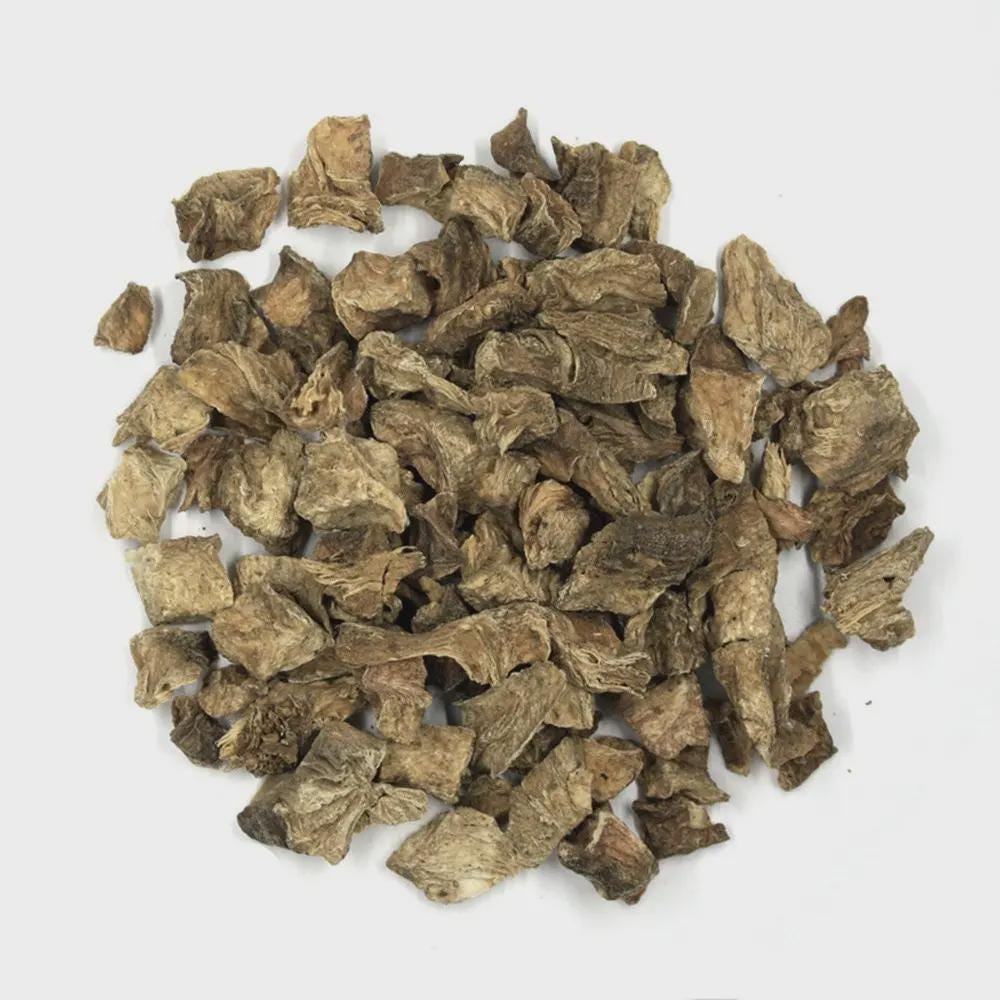
Dried chicory root pieces can be steeped to make an herbal tea, offering a milder, caffeine-free beverage that still delivers the health benefits of its compounds. This form is particularly popular for those looking to support digestion or liver function. The dried herb can also be incorporated into herbal blends.
Inulin Powder and Extracts
Chicory-derived inulin is widely available as a dietary supplement in powdered form. It can be easily added to smoothies, yogurts, cereals, or baked goods to boost fiber content and prebiotic intake. Liquid extracts and tinctures of chicory root are also available, offering a concentrated form of its beneficial compounds for those seeking specific therapeutic effects.
Chicory Supplements: Capsules, Tinctures, and Dosages
For those who prefer a more targeted and convenient approach, chicory supplements are readily available in various forms, including capsules, tablets, and tinctures. These supplements often concentrate the beneficial compounds, particularly inulin, allowing for precise dosing.
Capsules and Tablets
Chicory root extract capsules are a popular choice for their convenience and standardized dosages. Many supplements specify the inulin content, which is crucial for achieving prebiotic benefits. Typical dosages for inulin range from 5 to 10 grams per day for digestive health, though individual tolerance and desired effects may vary. It is often recommended to start with a lower dose and gradually increase to avoid potential digestive discomfort.
Liquid Extracts and Tinctures
Liquid extracts and tinctures offer a bioavailable form of chicory’s compounds, which can be easily absorbed. These are often preferred for their ease of use and flexibility in dosing. Dosages can vary significantly based on the concentration of the extract, so it is imperative to follow the manufacturer’s instructions or consult with a qualified herbalist.
Considerations for Supplementation
When selecting a chicory supplement, look for products from reputable manufacturers that provide third-party testing for purity and potency. Pay attention to the inulin content if your primary goal is prebiotic support. Discussing supplementation with a healthcare professional is always recommended, especially if you have underlying health conditions or are taking other medications.

Potential Side Effects and Precautions
While chicory is generally considered safe for most people when consumed in moderation, there are a few considerations and potential side effects to be aware of.
Digestive Upset
Due to its high fiber and inulin content, consuming large quantities of chicory, especially in supplement form, can lead to digestive discomfort such as gas, bloating, stomach cramps, and diarrhea. This is particularly true for individuals not accustomed to high-fiber diets. It is advisable to start with small doses and gradually increase them to allow the gut microbiome to adapt.
Allergic Reactions
Individuals with allergies to plants in the Asteraceae family (e.g., ragweed, daisies, marigolds, chrysanthemums) may experience allergic reactions to chicory, including skin rashes, itching, or respiratory symptoms. If you have known allergies to this plant family, exercise caution or avoid chicory.
Pregnancy and Breastfeeding
There is insufficient research on the safety of chicory in medicinal amounts during pregnancy and breastfeeding. While culinary amounts are likely safe, pregnant or breastfeeding individuals should consult their doctor before using chicory supplements.
Drug Interactions
Chicory may interact with certain medications. For instance, its potential to lower blood sugar levels could enhance the effects of diabetes medications, leading to hypoglycemia. Additionally, its high Vitamin K content might interfere with blood-thinning medications like warfarin. Always discuss chicory consumption with a healthcare provider if you are on medication.
Conclusion: Chicory as a Pillar of Natural Wellness
Chicory, a plant steeped in history and validated by modern scientific inquiry, stands as a testament to nature’s profound capacity to support human health. From its ancient origins as a revered medicinal herb to its contemporary role as a prebiotic powerhouse and a delicious coffee alternative, chicory offers a remarkable spectrum of benefits. Its rich composition of inulin, sesquiterpene lactones, and phenolic compounds synergistically contributes to superior digestive health, effective blood sugar regulation, robust liver support, powerful anti-inflammatory and antioxidant actions, and even aids in weight management and bone health. As we navigate an increasingly health-conscious world, embracing natural, holistic solutions becomes paramount. Integrating chicory into your daily routine, whether through culinary delights, a comforting beverage, or targeted supplementation, provides a simple yet profound pathway to enhancing overall well-being. Its enduring legacy and scientifically backed advantages firmly establish chicory as a true pillar of natural wellness, awaiting wider recognition and appreciation.

Disclaimer: For informational purposes only. Not medical advice. Consult a qualified healthcare professional before use.