The Aronia Berry: Unveiling the Potent Health Benefits of Nature’s Dark Jewel
In the vast tapestry of nature’s botanical treasures, certain fruits stand out not just for their vibrant colors and distinctive flavors, but for their unparalleled density of health-promoting compounds. Among these, the Aronia berry, often heralded as the “chokeberry,” reigns supreme. This remarkable superfruit, a small, dark, and intensely flavored berry, has garnered significant attention from the scientific community and wellness enthusiasts alike due to its extraordinary nutritional profile and an array of documented health benefits. Far from being just another berry, Aronia offers a powerful arsenal of antioxidants, vitamins, and minerals, making it a cornerstone for those seeking to bolster their health naturally. This exhaustive guide delves deep into the Aronia berry, exploring its botanical origins, its rich history, its complex biochemistry, and the profound ways it can enhance human well-being, providing a definitive resource for understanding this powerful fruit.
A Botanical Profile and a Rich History: From Wild Plains to Wellness Staples
The Aronia berry, scientifically known primarily as Aronia melanocarpa (black chokeberry), though species like Aronia arbutifolia (red chokeberry) and Aronia prunifolia (purple chokeberry) also exist, is a deciduous shrub native to eastern North America. Its common name, “chokeberry,” is often attributed to the berry’s astringent taste, a characteristic testament to its high concentration of tannins and polyphenols. Historically, Aronia shrubs thrived in wetlands and moist woodlands across the continent, forming an integral part of the natural ecosystem. Indigenous peoples of North America recognized the berry’s value long before modern science confirmed its properties. They utilized Aronia not only as a food source, drying them for winter provisions or mixing them into pemmican, but also for its perceived medicinal qualities, employing it to treat various ailments, particularly colds and digestive issues. Its robust nature and ability to withstand harsh climates made it a reliable resource.
The journey of Aronia from North American wildlands to a global health phenomenon is fascinating. In the late 19th and early 20th centuries, it was introduced to Eastern Europe, particularly Russia, by the renowned botanist Ivan Michurin. Recognizing its hardiness and nutritional potential, Michurin initiated extensive cultivation programs, leading to its widespread adoption and breeding in countries like Poland, Ukraine, and Bulgaria. These regions quickly became primary producers, valuing Aronia for its resilience and high yield, transforming it from a wild shrub into a cultivated crop. Today, while it remains a cherished component of traditional diets in Eastern Europe, its incredible health benefits are increasingly recognized worldwide, sparking a resurgence of interest in its cultivation and consumption across Western Europe and back in North America. This global appreciation underscores its enduring appeal and potent capabilities.

The Nutritional Powerhouse: Bioactive Compounds of Aronia Berry
The true marvel of the Aronia berry lies within its intricate biochemical composition. It is not merely rich in vitamins and minerals, but it boasts an unparalleled concentration of polyphenols, making it one of the most antioxidant-dense fruits known to science. The synergistic action of these diverse compounds is what confers Aronia its profound health-promoting capabilities, working together to combat oxidative stress, inflammation, and cellular damage. Understanding these key bioactive components is crucial to appreciating the berry’s therapeutic potential.
Anthocyanins: The Pigmented Protectors
Aronia berries are perhaps most famous for their incredibly high anthocyanin content, which is responsible for their deep, dark purple to almost black coloration. These powerful water-soluble pigments are a class of flavonoids and are found in staggering concentrations in Aronia, often significantly surpassing levels found in other well-known berries like blueberries and blackberries. The predominant anthocyanins in Aronia include cyanidin-3-galactoside, cyanidin-3-glucoside, cyanidin-3-arabinoside, and cyanidin-3-xyloside. These specific anthocyanins are particularly potent free radical scavengers, meaning they neutralize harmful free radicals that contribute to cellular aging and disease. Their mechanism involves donating electrons to unstable free radicals, thereby stabilizing them and preventing them from damaging cellular components such as DNA, proteins, and lipids. Beyond their direct antioxidant action, anthocyanins also exhibit strong anti-inflammatory properties by modulating various signaling pathways involved in the inflammatory response, such as inhibiting cyclooxygenase-2 (COX-2) and nuclear factor-kappa B (NF-κB).
Proanthocyanidins (PACs): The Unsung Heroes
While anthocyanins give Aronia its color, proanthocyanidins, also known as condensed tannins, contribute significantly to its astringency and, more importantly, its health benefits. These complex polyphenols are polymers of flavan-3-ols and are present in very high amounts in Aronia, particularly in the skin and seeds. Research suggests that Aronia’s proanthocyanidins, especially oligomeric proanthocyanidins (OPCs), possess even greater antioxidant activity than many anthocyanins. They are exceptional at binding to and neutralizing reactive oxygen species (ROS) and reactive nitrogen species (RNS), offering enhanced protection against oxidative damage. Furthermore, PACs are known for their ability to inhibit bacterial adhesion, particularly in the urinary tract, and play a crucial role in maintaining cardiovascular health by improving vascular integrity and elasticity. Their presence contributes to a broader spectrum of protective effects, reinforcing Aronia’s status as a top-tier functional food.

Phenolic Acids and Flavonoids: The Supporting Cast
Beyond anthocyanins and proanthocyanidins, Aronia berries contain a rich assortment of other phenolic compounds, including various phenolic acids and flavonoids. Key phenolic acids like chlorogenic acid and caffeic acid are present, known for their antioxidant and anti-inflammatory effects. Chlorogenic acid, for instance, is well-studied for its potential role in glucose metabolism and blood pressure regulation. Flavonoids such as quercetin, rutin, and epicatechin further bolster Aronia’s health-promoting properties. Quercetin is a powerful antioxidant and antihistamine, while rutin is known to strengthen capillaries and improve blood circulation. These compounds work synergistically, creating a comprehensive defense system against various health challenges, illustrating the holistic power of whole foods over isolated nutrients.
Vitamins and Minerals: Essential Micronutrients
While celebrated for its polyphenols, Aronia also provides a valuable array of essential vitamins and minerals. It is a good source of Vitamin C, a crucial antioxidant and immune booster that plays a role in collagen synthesis and iron absorption. Vitamin K, vital for blood clotting and bone health, is also present. The berry contains important B vitamins, including folate, which is essential for cell division and DNA synthesis. In terms of minerals, Aronia provides manganese, an essential cofactor for numerous enzymes involved in metabolism and antioxidant defense, and good amounts of potassium, which is important for maintaining fluid balance and blood pressure.
Comprehensive Health Benefits of Aronia Berry: A Deep Dive
The extraordinary blend of bioactive compounds in Aronia translates into a wide spectrum of health benefits that impact nearly every system in the human body. Research continues to uncover new applications and deepen our understanding of its therapeutic mechanisms.
Potent Antioxidant Activity and Oxidative Stress Reduction
One of the most well-established benefits of Aronia is its exceptional antioxidant capacity. Oxidative stress, a state where there’s an imbalance between free radical production and the body’s ability to neutralize them, is a key contributor to aging and the development of numerous chronic diseases, including cardiovascular disease, cancer, and neurodegenerative disorders. The high levels of anthocyanins, proanthocyanidins, and other polyphenols in Aronia act as powerful free radical scavengers. They directly neutralize reactive oxygen species, thereby preventing cellular damage. Furthermore, Aronia compounds can upregulate the body’s endogenous antioxidant enzymes, such as superoxide dismutase (SOD) and glutathione reductase, providing a dual layer of protection. This robust antioxidant defense mechanism is fundamental to many of Aronia’s other health benefits.
Cardiovascular Health Support
Aronia berry has shown significant promise in promoting cardiovascular well-being, addressing several key risk factors for heart disease. Its compounds contribute to:
- Blood Pressure Regulation: Studies suggest Aronia extracts can help reduce elevated blood pressure. This effect is attributed to several mechanisms, including improving endothelial function by increasing nitric oxide bioavailability (which helps blood vessels relax and widen) and potentially inhibiting the angiotensin-converting enzyme (ACE), similar to ACE inhibitor medications.
- Cholesterol Management: Aronia has been shown to favorably influence lipid profiles. It can help reduce levels of low-density lipoprotein (LDL) cholesterol, often referred to as “bad” cholesterol, and prevent its oxidation, a critical step in the development of atherosclerosis. Some research also indicates a potential to increase high-density lipoprotein (HDL) cholesterol, the “good” cholesterol.
- Improved Endothelial Function: The endothelium, the inner lining of blood vessels, plays a crucial role in vascular health. Aronia’s antioxidants protect endothelial cells from damage and improve their function, leading to better blood flow and reduced risk of plaque formation.
- Anti-platelet Aggregation: Certain compounds in Aronia may inhibit platelet aggregation, reducing the risk of blood clot formation that can lead to heart attacks and strokes.
Immune System Enhancement
The immune-modulating properties of Aronia are gaining recognition. Its high Vitamin C content is a well-known immune booster, supporting the function of various immune cells. Moreover, anthocyanins and other polyphenols contribute to immune health by directly stimulating immune responses and exhibiting antimicrobial properties. Aronia extracts have demonstrated antiviral activity against certain viruses, including influenza, by inhibiting viral replication and preventing viral entry into cells. They also possess antibacterial effects, particularly against common pathogens, suggesting a role in strengthening the body’s defenses against infections.
Anti-inflammatory Properties
Chronic inflammation is a silent driver of many diseases, from arthritis to metabolic syndrome and even cancer. Aronia’s rich polyphenol content, particularly anthocyanins and proanthocyanidins, makes it a potent anti-inflammatory agent. These compounds work by modulating key inflammatory pathways and reducing the production of pro-inflammatory mediators. They can inhibit the activation of NF-κB, a protein complex that controls DNA transcription and cytokine production, and downregulate cyclooxygenase-2 (COX-2) enzymes, which are involved in pain and inflammation. This reduction in systemic inflammation can alleviate symptoms of inflammatory conditions and protect against inflammation-driven chronic diseases.
Blood Sugar Regulation and Diabetes Management
For individuals concerned with blood sugar levels and diabetes, Aronia offers promising therapeutic potential. Research indicates that Aronia can help improve insulin sensitivity, allowing cells to more effectively take up glucose from the bloodstream. It may also inhibit alpha-glucosidase, an enzyme responsible for breaking down complex carbohydrates into glucose, thereby slowing down glucose absorption and preventing post-meal blood sugar spikes. Furthermore, the antioxidants in Aronia can protect pancreatic beta-cells (which produce insulin) from oxidative damage and reduce the risk of diabetes-related complications, such as retinopathy and nephropathy, which are often exacerbated by oxidative stress and inflammation.
Digestive Health and Gut Microbiome Support
A healthy gut is foundational to overall health, and Aronia contributes positively to digestive wellness. Its fiber content aids in regularity and bowel function. More significantly, its polyphenols act as prebiotics, meaning they are not fully digested in the upper gastrointestinal tract but instead reach the colon, where they are fermented by beneficial gut bacteria. This process encourages the growth of advantageous microorganisms, such as Bifidobacteria and Lactobacilli, while inhibiting the growth of harmful bacteria. A balanced gut microbiome is essential for nutrient absorption, immune function, and even mood regulation. The anti-inflammatory properties of Aronia also help soothe and protect the gut lining, potentially reducing symptoms of inflammatory bowel conditions.
Neuroprotective Benefits and Cognitive Function
The brain is particularly vulnerable to oxidative stress and inflammation, which are implicated in cognitive decline and neurodegenerative diseases like Alzheimer’s and Parkinson’s. Aronia’s powerful antioxidants can cross the blood-brain barrier, providing direct protection to neuronal cells. They scavenge free radicals within brain tissue, reduce neuroinflammation, and improve cerebral blood flow, all of which are critical for optimal cognitive function. Regular consumption of Aronia may help preserve memory, enhance learning capabilities, and protect against age-related cognitive impairment.
Liver Health and Detoxification Support
The liver is the body’s primary detoxification organ, constantly exposed to toxins and free radicals. Aronia berry has demonstrated hepatoprotective effects, helping to shield the liver from damage caused by toxins, alcohol, and certain medications. Its antioxidants neutralize harmful compounds and reduce lipid peroxidation in liver cells. Some studies suggest Aronia can also support the liver’s detoxification pathways and reduce markers of liver damage, making it a valuable adjunct for maintaining liver health.
Eye Health
The delicate tissues of the eyes are susceptible to oxidative damage, which can contribute to conditions like macular degeneration and cataracts. Aronia’s anthocyanins, particularly cyanidin-3-galactoside, are known to support eye health. They help protect the retina from oxidative stress, improve microcirculation in the ocular tissues, and enhance visual acuity, especially in low light conditions (night vision). The potent antioxidant shield Aronia provides can be a proactive step in preserving long-term eye health.
Anti-Cancer Potential (Emerging Research)
While still in the early stages of research, numerous in vitro and in vivo studies have explored Aronia’s potential anti-cancer properties. The high concentration of anthocyanins and proanthocyanidins appears to exhibit antiproliferative effects against various cancer cell lines, including those of the colon, breast, liver, and lung. Mechanisms proposed include inducing apoptosis (programmed cell death) in cancer cells, inhibiting angiogenesis (the formation of new blood vessels that feed tumors), suppressing cancer cell proliferation, and reducing metastasis. It is crucial to emphasize that this research is largely preclinical, and Aronia should not be considered a substitute for conventional cancer treatments, but its potential as a complementary agent is a promising area of study.
Traditional and Modern Uses of Aronia Berry
Aronia’s versatility extends beyond its health benefits to its various applications in both traditional practices and modern culinary and supplemental forms.
Traditional and Culinary Uses
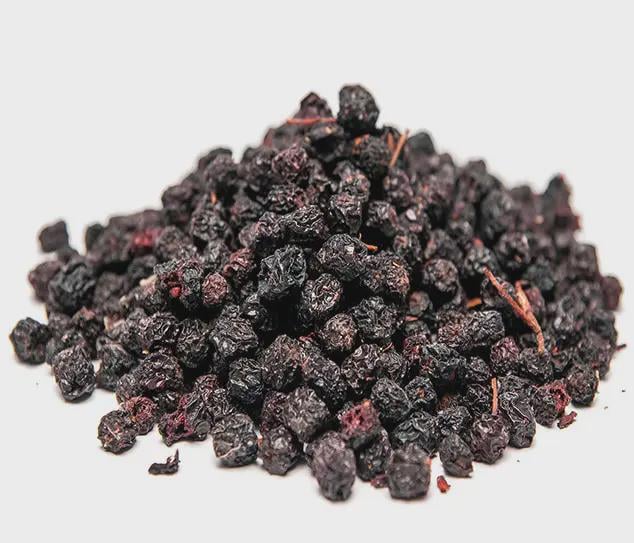
As mentioned, Native Americans used Aronia berries in dried forms, often combined with meat to create nutrient-dense pemmican, or brewed into teas for medicinal purposes. In Eastern Europe, its tartness led to its use in a wide range of food products, including concentrated juices, jams, jellies, marmalades, and wines. The juice is particularly popular, often blended with sweeter fruits to balance its astringency. Dried Aronia berries are used in cereals, baked goods, and trail mixes, offering a chewy, antioxidant-rich addition. Aronia powder, made from dried and ground berries, is another convenient way to incorporate its benefits into smoothies or yogurt.
Modern Supplemental Forms
Given its powerful health benefits, Aronia has naturally transitioned into the supplement market. It is widely available as:
- Aronia Berry Juice: A concentrated source of its beneficial compounds, often consumed pure or diluted.
- Aronia Berry Powder: Made from freeze-dried or air-dried berries, ideal for mixing into drinks, foods, or making DIY capsules.
- Aronia Berry Extracts: Standardized to contain specific concentrations of anthocyanins or polyphenols, offering a potent dose in a smaller format.
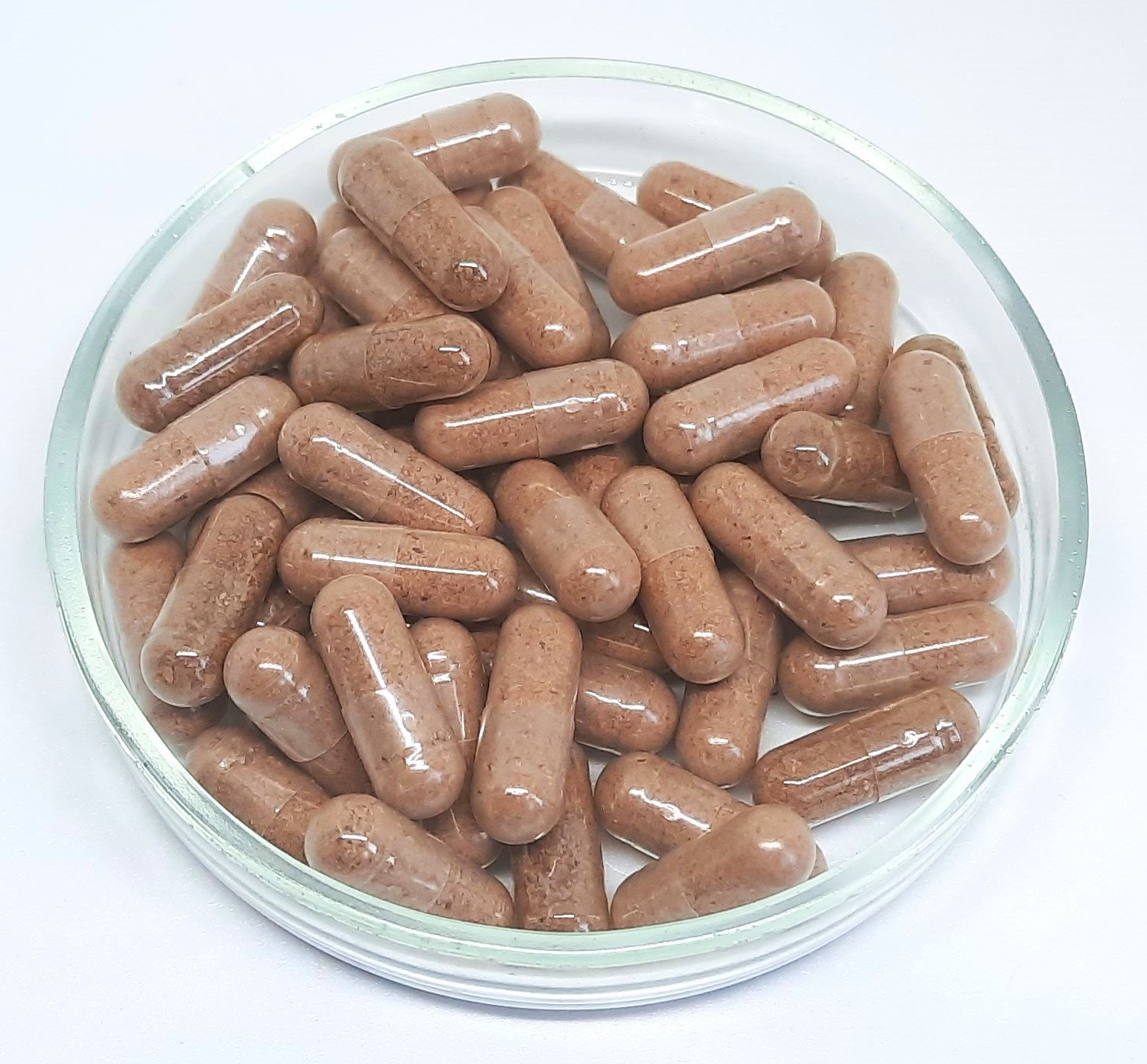
- Aronia Berry Capsules: A convenient and precise way to consume Aronia, especially for those who dislike the tart taste of the fresh berry or juice. Capsules provide a measured dose of concentrated Aronia extract or dried berry powder.
How to Incorporate Aronia Berry into Your Diet
Embracing the benefits of Aronia is easier than one might think, with numerous delicious and practical ways to include it in your daily routine:
- Fresh or Frozen: If you can find fresh Aronia berries, they are excellent in smoothies, mixed with other fruits, or used in baking. Frozen berries are a convenient year-round option and retain most of their nutritional value.
- Juice: Aronia juice can be quite tart, so it’s often blended with sweeter juices like apple or grape, or diluted with water. Start with a small amount and gradually increase.
- Powder: Aronia berry powder is incredibly versatile. Add a teaspoon or two to your morning oatmeal, yogurt, smoothie, or even sprinkle it over salads for an antioxidant boost.
- Jams, Jellies, and Syrups: These offer a sweet way to enjoy Aronia, perfect for spreading on toast, pancakes, or as a topping for desserts.
- Teas: Dried Aronia berries can be steeped to make a nourishing herbal tea.
- Supplements: For consistent and potent intake, Aronia capsules or extracts are an excellent choice, providing concentrated benefits without the tart taste.
Dosage and Safety Considerations
While Aronia is generally considered safe for most people, it’s important to approach supplementation with awareness and consult a healthcare professional, especially if you have underlying health conditions or are taking medications.
- Typical Dosages:
- Fresh/Frozen Berries: 10-30 grams daily.
- Juice: 30-150 ml (1-5 ounces) daily, often diluted.
- Powder: 1-3 teaspoons (3-10 grams) daily.
- Extracts/Capsules: Follow product-specific instructions, as concentrations vary widely. Dosages often range from 300 mg to 1000 mg of extract daily, standardized for anthocyanin content.
- Potential Side Effects: Aronia is well-tolerated, but its astringency can cause mild digestive upset in sensitive individuals, especially if consumed in large quantities on an empty stomach. Starting with smaller doses and gradually increasing is advisable.
- Interactions: Due to its potential effects on blood clotting and blood sugar, individuals on blood-thinning medications (anticoagulants), diabetes medications, or blood pressure medication should consult their doctor before incorporating high doses of Aronia.
- Pregnancy and Lactation: There is limited research on Aronia’s safety during pregnancy and breastfeeding. It is best to err on the side of caution and consult a healthcare provider.
- Children: While generally safe in moderate food amounts, consult a pediatrician before giving children concentrated Aronia supplements.
Conclusion: Aronia Berry – A Testament to Nature’s Healing Power
The Aronia berry stands as a powerful testament to the intricate and profound healing capabilities inherent in nature. From its humble origins in North American wetlands to its widespread cultivation and scientific recognition, this dark jewel has emerged as a true superfruit. Its unparalleled concentration of anthocyanins, proanthocyanidins, and other potent polyphenols provides a robust defense against oxidative stress and inflammation, the root causes of many modern chronic diseases. By supporting cardiovascular health, bolstering the immune system, aiding in blood sugar regulation, promoting gut and liver health, and even offering neuroprotective and anti-cancer potential, Aronia provides a holistic approach to wellness.
Incorporating Aronia into your daily life, whether through fresh berries, juices, powders, or convenient supplements, is a proactive step towards enhancing your vitality and protecting your long-term health. As research continues to unveil new facets of its incredible benefits, the Aronia berry solidifies its place as an indispensable ally in the pursuit of optimal well-being. Embrace the power of this remarkable fruit and unlock a richer, healthier future.

Disclaimer: For informational purposes only. Not medical advice. Consult a qualified healthcare professional before use.