The Golden Bloom of Wellness: An Exhaustive Guide to the Health Benefits of Elder Flower
For centuries, nestled within the lush landscapes of Europe, North America, and parts of Asia, the Elder tree (*Sambucus nigra*) has been revered not just for its striking beauty but for the profound medicinal properties encapsulated within its delicate white blossoms. Elder Flower, with its characteristic musky-sweet aroma and subtle flavor, has transitioned from being a cherished ingredient in traditional folk remedies and culinary delights to a subject of rigorous scientific scrutiny, revealing a fascinating array of health benefits. This comprehensive guide delves deep into the multifaceted wellness potential of Elder Flower, exploring its rich historical tapestry, its intricate chemical composition, and the myriad ways it can contribute to a vibrant, healthier life.
Unveiling *Sambucus nigra*: A Botanical Profile of the Elder Tree
The Elder tree, most commonly *Sambucus nigra* (also known as Black Elder), is a deciduous shrub or small tree belonging to the Adoxaceae family. It typically thrives in hedgerows, woodlands, and neglected areas, reaching heights of up to 10 meters. Its most distinctive feature, particularly in late spring and early summer, is the profusion of creamy-white, flat-topped flower clusters, known as cymes, which can measure up to 20 cm in diameter. Each tiny flower possesses five petals and a sweet, heady fragrance that fills the air. These flowers eventually give way to small, dark purple-black berries in late summer and autumn, which are equally prized for their medicinal value but must be cooked before consumption due to mild toxicity when raw. The identification of Elder Flower is crucial for safe and effective use, ensuring only the correct species is harvested.

A Tapestry of Time: Elder Flower’s Historical and Traditional Significance
The reverence for Elder Flower is not a modern phenomenon; its roots run deep into ancient history and diverse cultures. From the time of Hippocrates, who considered the elder tree his “medicine chest,” to the pages of medieval herbals, its healing prowess has been extensively documented. Ancient Egyptians and Romans utilized elder preparations for cosmetic purposes and to treat various ailments. In European folklore, the elder tree was often associated with protective magic and was believed to ward off evil spirits, while its flowers were used for healing. Traditional healers throughout Britain, Scandinavia, and Germany commonly prescribed Elder Flower for fevers, colds, coughs, and as a diaphoretic (to induce sweating) to break fevers. It was also employed topically for skin inflammations, wounds, and burns, highlighting its versatile application across different healing traditions. The enduring presence of elderflower cordial and champagne in traditional European cuisine further cements its cultural and practical significance, showcasing a history steeped in both wellness and enjoyment.

The Chemical Symphony: Bioactive Compounds in Elder Flower
The remarkable health benefits attributed to Elder Flower are largely due to its complex and rich phytochemical profile. Far from being a simple plant, *Sambucus nigra* flowers are a botanical pharmacy, brimming with a synergistic blend of bioactive compounds, each contributing to its therapeutic effects. Understanding these components is key to appreciating the plant’s medicinal power:
- Flavonoids: These powerful polyphenolic compounds are perhaps the most significant contributors to Elder Flower’s therapeutic value. Key flavonoids include quercetin, kaempferol, rutin, and isoquercitrin. Flavonoids are renowned for their potent antioxidant activity, ability to scavenge free radicals, and their anti-inflammatory and immune-modulating effects. They help stabilize mast cells, which are crucial in allergic reactions, and may inhibit the release of histamine.
- Phenolic Acids: Compounds like chlorogenic acid and caffeic acid are also present in significant amounts. These phenolic acids are strong antioxidants and contribute to the anti-inflammatory and antiviral properties of the flower. Chlorogenic acid, in particular, has been studied for its potential roles in glucose metabolism and cardiovascular health.
- Triterpenes: Ursolic acid and oleanolic acid are examples of triterpenes found in Elder Flower. These compounds are widely recognized for their anti-inflammatory, hepatoprotective (liver-protective), and even some anticancer properties, contributing to the flower’s broad spectrum of action.
- Volatile Oils: The characteristic fragrance of Elder Flower comes from its volatile oils, which contain compounds such as alpha- and beta-ionone, and monoterpenes. While present in smaller quantities, these oils can possess antimicrobial and decongestant properties, further enhancing the flower’s utility, especially in respiratory ailments.
- Mucilages: These complex carbohydrates, when mixed with water, form a gelatinous substance. Mucilages provide a soothing effect on irritated mucous membranes, making Elder Flower particularly beneficial for sore throats, coughs, and digestive discomfort.
- Tannins: Present in moderate amounts, tannins are astringent compounds that can help tighten and tone tissues. This property contributes to Elder Flower’s traditional use in addressing skin irritations and minor cuts, as well as its potential to alleviate mild diarrhea by reducing intestinal inflammation and secretion.
This intricate blend of compounds works synergistically, meaning their combined effect is greater than the sum of their individual parts, leading to the comprehensive health benefits observed with Elder Flower.

Deep Dive into Health Benefits: The Therapeutic Power of Elder Flower
Potent Immune System Support and Antiviral Action
One of the most celebrated attributes of Elder Flower is its profound ability to bolster the immune system and combat viral infections. The high concentration of flavonoids, particularly quercetin, plays a pivotal role in this. These compounds have been shown to directly inhibit viral replication at various stages, including early attachment and entry into host cells, as well as later stages of replication. Beyond direct antiviral action, Elder Flower enhances the body’s natural defense mechanisms. It modulates the immune response, helping the body effectively respond to pathogens without overreacting. This makes it particularly effective against common respiratory viruses like those responsible for the common cold and influenza. By reducing the duration and severity of symptoms, such as fever, congestion, and malaise, Elder Flower supports a quicker recovery and helps prevent secondary infections.
Powerful Anti-inflammatory Properties
Chronic inflammation is at the root of many modern diseases. Elder Flower offers significant relief through its powerful anti-inflammatory compounds, predominantly flavonoids and triterpenes. These active constituents work by modulating several key inflammatory pathways in the body. They can inhibit the production of pro-inflammatory mediators, such as cyclooxygenase-2 (COX-2) enzymes and lipoxygenases (LOX), which are targets for many conventional anti-inflammatory drugs. Furthermore, Elder Flower may help reduce the release of inflammatory cytokines, which are signaling molecules that escalate the inflammatory response. This broad anti-inflammatory action makes Elder Flower beneficial for conditions ranging from mild aches and pains to more persistent inflammatory states, contributing to overall cellular health and reducing systemic stress.
Respiratory Health and Allergy Relief
For centuries, Elder Flower has been a go-to remedy for respiratory ailments, and modern science corroborates this traditional wisdom. Its mucilages provide a soothing demulcent effect on irritated mucous membranes, alleviating sore throats and dry coughs. The volatile oils and flavonoids contribute to its expectorant and decongestant properties, helping to thin mucus and clear congested airways in conditions like bronchitis, sinusitis, and the common cold. Moreover, Elder Flower is a valuable ally for allergy sufferers. The flavonoids, especially quercetin, act as natural antihistamines, stabilizing mast cells and preventing the excessive release of histamine, the compound responsible for allergic symptoms like runny nose, watery eyes, and sneezing. This makes Elder Flower an excellent natural option for managing seasonal allergies, such as hay fever, by reducing the body’s overreaction to allergens.
Antioxidant Powerhouse for Cellular Protection
Oxidative stress, caused by an imbalance between free radical production and the body’s ability to detoxify them, is a major contributor to aging and numerous chronic diseases. Elder Flower is an exceptional source of antioxidants, primarily flavonoids and phenolic acids. These compounds tirelessly scavenge harmful free radicals, neutralizing them before they can inflict cellular damage. By mitigating oxidative stress, Elder Flower helps protect cells, tissues, and DNA from damage, potentially reducing the risk of chronic conditions such like cardiovascular disease, neurodegenerative disorders, and certain cancers. This cellular protection also contributes to maintaining overall vitality and slowing down the aging process.
Skin Health and Radiance
The benefits of Elder Flower extend to external applications, particularly for skin health. Its potent antioxidant and anti-inflammatory properties make it an excellent ingredient for soothing irritated or inflamed skin. Applied topically as a compress or wash, Elder Flower infusions can help calm skin conditions like eczema, minor rashes, and sunburn. The mild astringent effect of tannins can help tone the skin and reduce excess oiliness, while its antioxidant content contributes to protecting the skin from environmental damage and promoting a more radiant, youthful complexion. Traditional uses also included elderflower water as a natural skin tonic and cleanser.
Diuretic Effects and Detoxification
Elder Flower possesses natural diuretic properties, meaning it can promote the excretion of urine. This gentle diuretic action aids in flushing out excess fluids and waste products from the body, supporting the kidneys in their vital role of detoxification. By encouraging increased urine flow, Elder Flower can help reduce mild edema (fluid retention) and cleanse the urinary system. This supportive role in detoxification contributes to overall systemic health and can be beneficial for individuals looking to support their body’s natural cleansing processes in a gentle manner.
Cardiovascular System Support
While not a primary cardiovascular treatment, Elder Flower contributes to heart health through its antioxidant and anti-inflammatory mechanisms. By reducing oxidative stress and inflammation, it helps protect blood vessels from damage, which is a key factor in the development of atherosclerosis and other cardiovascular diseases. Some research suggests that certain flavonoids, like quercetin, can also positively influence blood pressure and cholesterol levels, further adding to the flower’s indirect benefits for the cardiovascular system. Its diuretic action may also help manage fluid balance, which can be supportive for cardiovascular function.
Digestive Comfort and Regulation
Elder Flower can also offer gentle support for the digestive system. The mucilages provide a soothing effect on the gastrointestinal lining, which can alleviate irritation and discomfort, particularly in cases of mild indigestion or gastritis. In traditional herbalism, it was sometimes used as a mild laxative to promote bowel regularity, though this effect is generally milder compared to other herbal laxatives. Its anti-inflammatory properties can also help reduce inflammation within the digestive tract, contributing to overall gut comfort.
Practical Applications: Integrating Elder Flower into Your Wellness Routine
The versatility of Elder Flower allows for various forms of consumption and application, making it easy to integrate into daily wellness practices:
- Teas and Infusions: This is perhaps the most common and simplest method. A hot infusion of dried Elder Flowers is excellent for colds, flu, fevers, and allergies. The steam from the tea can also help clear nasal passages.
- Syrups and Cordials: Elderflower syrup is a delightful and traditional way to preserve the flower’s essence. It can be added to drinks, desserts, or taken by the spoonful for sore throats and coughs, offering a pleasant and effective remedy.
- Tinctures: A concentrated alcoholic extract of Elder Flower offers a convenient way to consume its beneficial compounds. Tinctures are potent and allow for precise dosing.
- Topical Applications: Infusions can be used as washes, compresses, or added to bathwater to soothe skin irritations, reduce inflammation, and promote skin health.
- Culinary Uses: Beyond medicine, Elder Flower is a cherished culinary ingredient, used to flavor drinks, jellies, desserts, and even savory dishes, adding a unique floral note.
Understanding Elder Flower Supplements: Capsules and Extracts
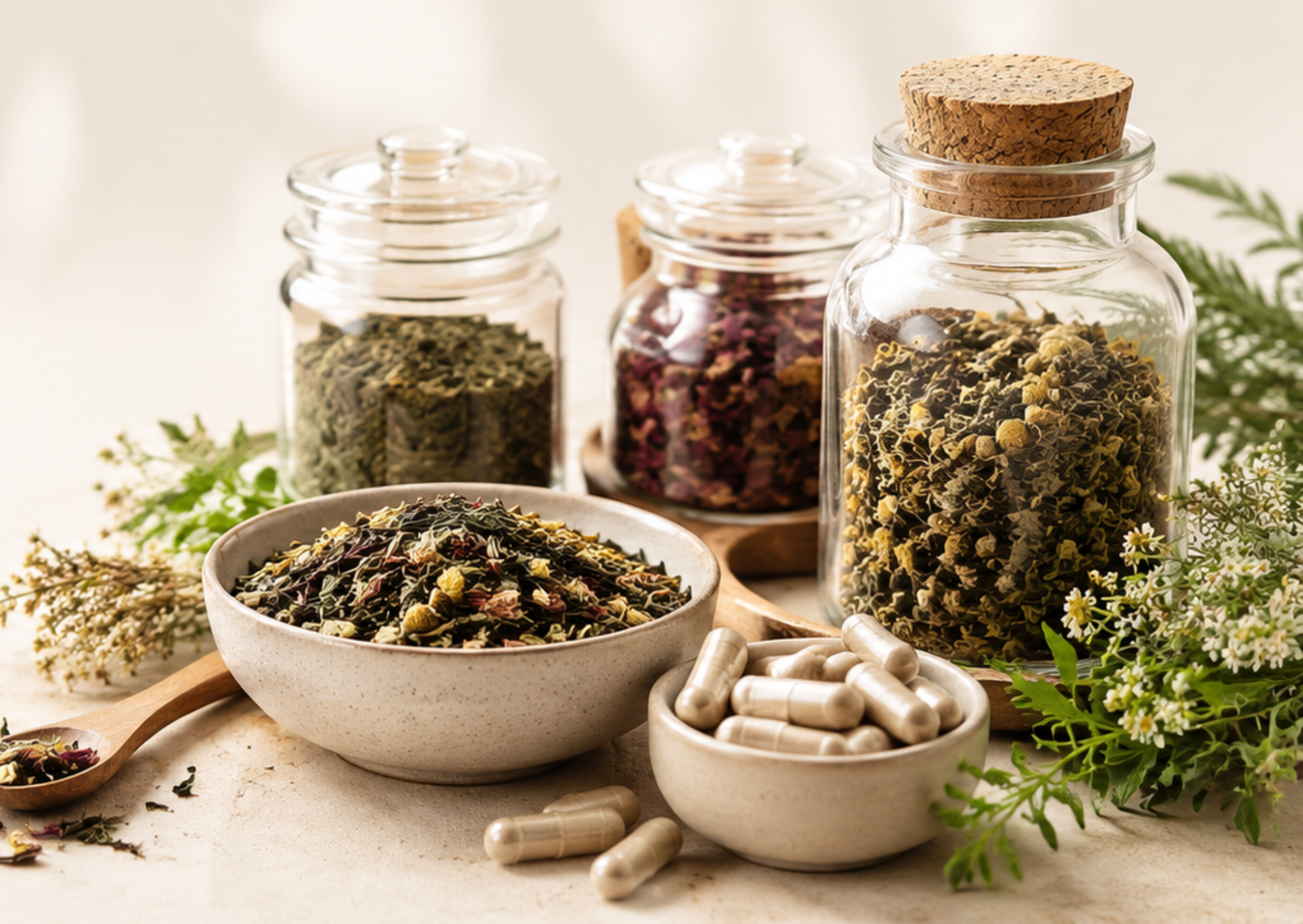
For those seeking a convenient and standardized approach to incorporating Elder Flower into their health regimen, supplements in capsule or extract form are readily available. These products typically contain concentrated extracts of the flower, ensuring a consistent dose of active compounds. Quality supplements will often specify the concentration of key flavonoids or phenolic acids, allowing users to choose products based on their specific needs. Elder Flower capsules offer a practical way to receive the benefits without the need for preparation, making them ideal for busy lifestyles or for consistent, long-term support, especially during cold and flu season or allergy periods. When selecting a supplement, it’s advisable to choose reputable brands that prioritize purity, potency, and transparent sourcing.

Dosage, Preparation, and Safety Considerations
While Elder Flower is generally considered safe for most people, particularly when consumed in traditional forms like teas or cooked preparations, understanding proper dosage and potential precautions is essential:
- Dosage: For dried flowers, a common recommendation for tea is 1-2 teaspoons steeped in hot water for 5-10 minutes, consumed 2-3 times daily. Tincture dosages typically range from 2-5 ml, 2-3 times daily, but always follow the specific instructions on the product label. For capsules, adhere to the manufacturer’s recommended dosage.
- Pregnancy and Breastfeeding: Due to a lack of extensive research, pregnant and breastfeeding women should exercise caution and consult a healthcare professional before using Elder Flower.
- Medication Interactions: Elder Flower’s diuretic properties might interact with diuretic medications, potentially increasing their effect. Its immune-modulating effects could also theoretically interact with immunosuppressant drugs. Individuals on any prescription medications should consult their doctor before using Elder Flower supplements.
- Allergies: While rare, some individuals may be allergic to Elder Flower, especially those with allergies to other members of the Adoxaceae family.
- Raw Berries and Other Parts: It is crucial to remember that raw Elder berries, leaves, stems, and bark contain cyanogenic glycosides, which can be toxic if consumed raw. Only cooked berries, processed flowers, and commercially prepared extracts should be used. The flowers themselves are generally considered safe.
Always prioritize sourcing Elder Flower from reputable suppliers to ensure quality and prevent contamination. When wild-harvesting, ensure accurate identification to avoid poisonous look-alikes. Consulting a qualified herbalist or healthcare practitioner is always recommended, especially if you have underlying health conditions or are taking other medications.

Conclusion: The Enduring Legacy of Elder Flower
The humble Elder Flower stands as a testament to nature’s profound healing capabilities, a golden bloom of wellness woven into the fabric of history and increasingly validated by modern scientific inquiry. From its ancient roots in folk medicine to its contemporary role as a powerful herbal ally, its extensive array of bioactive compounds offers comprehensive support for immune function, respiratory health, inflammation reduction, and antioxidant defense. Whether enjoyed as a comforting tea, a delicious cordial, or a convenient supplement, Elder Flower continues to offer a gentle yet potent path towards holistic health. As research continues to unravel its full therapeutic potential, the Elder Flower’s legacy as a cornerstone of natural wellness is destined to flourish for generations to come, reminding us of the timeless wisdom embedded in the plant kingdom.
Disclaimer: For informational purposes only. Not medical advice. Consult a qualified healthcare professional before use.