Unveiling the Hidden Power of Cherry Leaf: A Definitive Guide to Its Extraordinary Health Benefits
For centuries, the vibrant red fruit of the cherry tree has been celebrated globally for its delectable taste and impressive nutritional profile. Yet, often overlooked and underestimated, the humble leaves of this prolific tree, particularly those from species like Prunus cerasus (sour cherry) and Prunus avium (sweet cherry), harbor a treasure trove of medicinal properties. Far beyond being mere botanical remnants, cherry leaves are emerging as a significant contender in the world of natural health, lauded for their potent bioactive compounds and a spectrum of health-promoting effects. This exhaustive guide delves deep into the science, history, and practical applications of cherry leaf, aiming to illuminate its extraordinary potential as a natural therapeutic agent and establish it as a cornerstone of holistic wellness.
From ancient folk remedies to contemporary scientific inquiry, the journey of cherry leaf from obscurity to prominence is fascinating. Traditional medicine systems across various cultures have long recognized its efficacy in treating an array of ailments, often brewed into teas or prepared as poultices. Modern research, employing sophisticated analytical techniques, is now meticulously dissecting the intricate biochemical composition of cherry leaves, validating these age-old wisdoms and uncovering new avenues for its application. This article serves as your ultimate resource, providing an in-depth exploration of the botanical essence, historical reverence, detailed chemical constituents, and comprehensive health benefits that make cherry leaf an unparalleled botanical ally.
Botanical Roots and a Storied Past: The Heritage of Cherry Leaf
The genus Prunus, a member of the Rosaceae family, encompasses a vast array of species, including peaches, plums, apricots, and almonds, alongside the diverse varieties of cherries. While the fruits of Prunus cerasus (sour cherry) and Prunus avium (sweet cherry) are the most commercially recognized, it is their leaves that have garnered increasing attention in ethnobotany and phytotherapy. These trees, native to parts of Europe and Western Asia, have adapted to various climates, their leaves typically appearing vibrant green in spring and summer, providing shade and sustenance before their autumnal transformation.
Historically, the use of cherry leaves extends back through centuries, woven into the fabric of traditional European and Asian folk medicine. In parts of Eastern Europe, particularly in regions like Hungary, Poland, and Romania, cherry leaf tea has been a household staple, revered for its purported diuretic and anti-inflammatory properties. It was commonly consumed to alleviate symptoms of urinary tract infections, kidney stones, and even as a general tonic for detoxification. Similarly, in some Asian cultures, cherry leaves were applied topically to soothe skin irritations and promote wound healing, reflecting a holistic understanding of the plant’s diverse therapeutic capabilities. This long-standing tradition underscores a deep-rooted belief in the leaves’ medicinal efficacy, passed down through generations before modern science began to unravel their complex chemistry.
The Bioactive Arsenal: Unpacking the Chemical Compounds in Cherry Leaf
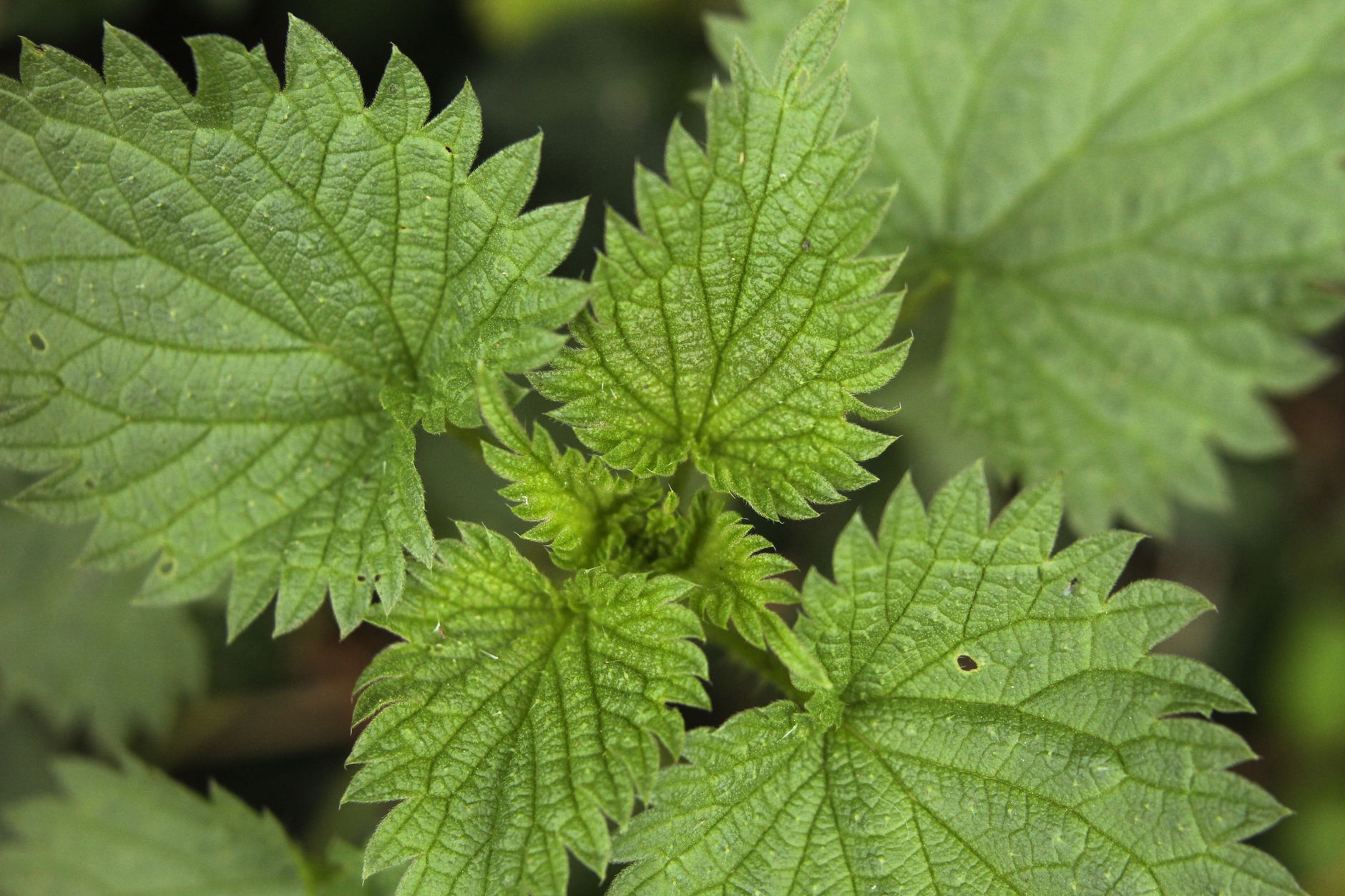
The profound health benefits attributed to cherry leaf are not accidental; they are meticulously orchestrated by a rich symphony of bioactive compounds working in concert. Unlike the fruit, which is rich in anthocyanins, the leaves boast a unique phytochemical profile dominated by flavonoids, phenolic acids, tannins, and a host of other beneficial constituents. Understanding these compounds is key to appreciating the mechanistic basis of cherry leaf’s therapeutic actions.
Flavonoids: The Antioxidant & Anti-inflammatory Vanguard
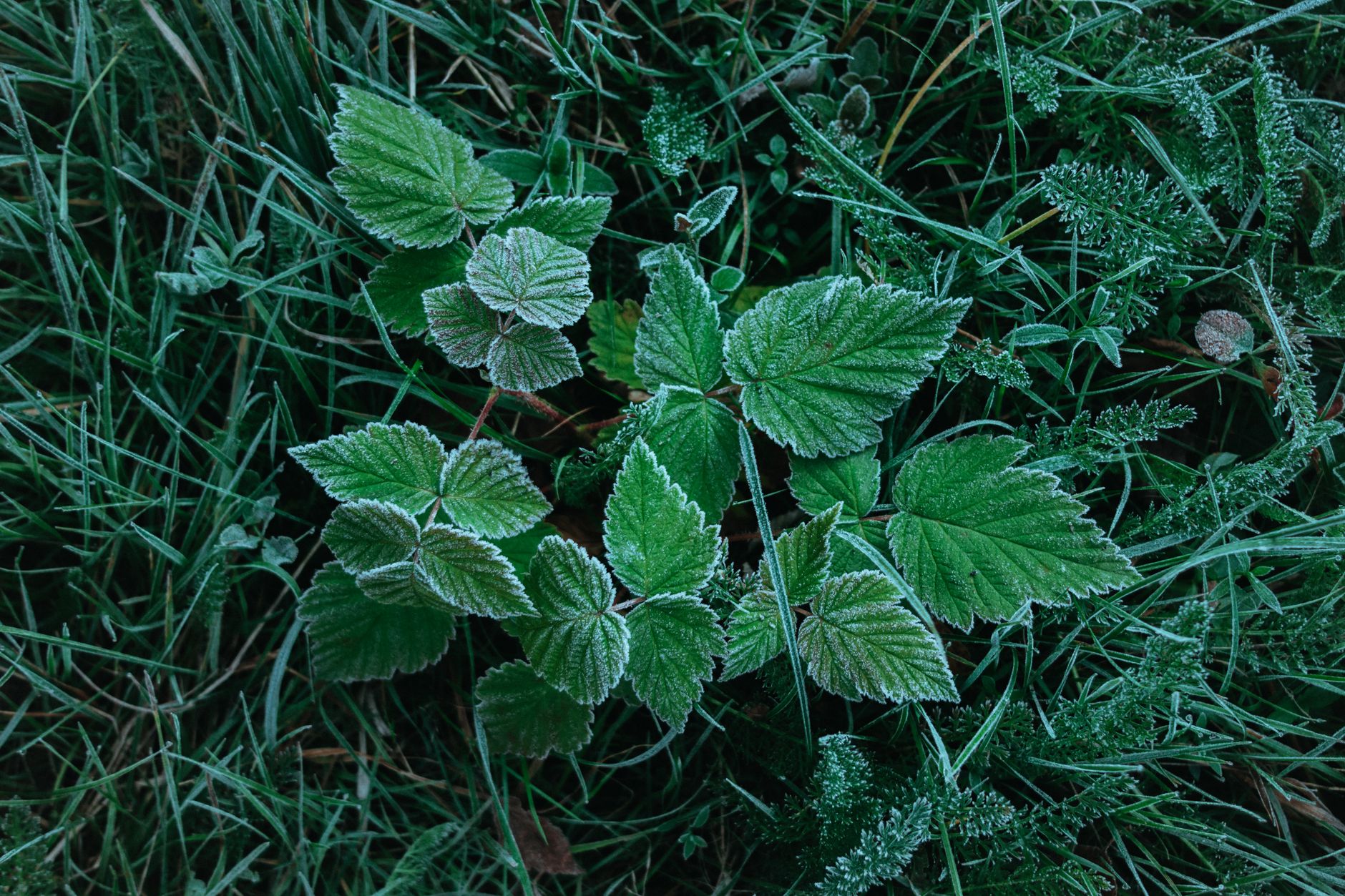
Flavonoids, a diverse group of plant pigments, are among the most prominent and impactful compounds in cherry leaves. Key examples include quercetin, kaempferol, and their various glycosides. These molecules are renowned for their potent antioxidant activity, effectively scavenging harmful free radicals that contribute to oxidative stress and cellular damage. Beyond their antioxidant prowess, flavonoids exhibit significant anti-inflammatory properties by modulating various signaling pathways involved in inflammation, such as inhibiting cyclooxygenase (COX) enzymes and suppressing the production of pro-inflammatory cytokines. This dual action makes them crucial for combating chronic diseases linked to inflammation and oxidative damage.
Phenolic Acids: Guardians of Cellular Health
Cherry leaves are also replete with various phenolic acids, including chlorogenic acid and caffeic acid. These compounds contribute substantially to the overall antioxidant capacity of the leaves. Chlorogenic acid, in particular, is widely studied for its ability to reduce oxidative stress, exhibit anti-inflammatory effects, and potentially play a role in glucose metabolism. Its presence underscores the multifaceted protective mechanisms exerted by cherry leaf constituents, contributing to cellular resilience and overall physiological balance.
Tannins: The Astringent & Protective Agents
Tannins, complex polyphenolic compounds, contribute to the characteristic slightly bitter or astringent taste of cherry leaves. Their primary therapeutic roles include astringent effects, which can help tighten tissues and reduce secretions, making them beneficial for digestive issues like mild diarrhea. Furthermore, tannins possess antioxidant, antimicrobial, and anti-inflammatory properties, adding another layer of defense against pathogens and cellular damage. Their presence in cherry leaves provides a broad spectrum of protective actions.
Coumarins: Potential for Microcirculation and Beyond
Certain coumarins, naturally occurring benzopyrone compounds, are also found in cherry leaves. Some coumarins are known for their potential to support healthy blood circulation and exhibit anti-inflammatory effects. While specific coumarins in cherry leaf require more targeted research, their general presence contributes to the overall therapeutic potential, hinting at benefits for cardiovascular health and beyond.
Vitamins and Minerals: Essential Micronutrient Support
Beyond the primary phytochemicals, cherry leaves contain essential micronutrients, including vitamin C, a powerful antioxidant and immune booster, and vitamin A precursors. They also provide various minerals like potassium, magnesium, and calcium, which are vital for maintaining electrolyte balance, nerve function, muscle contraction, and bone health. While not present in quantities that would replace dietary sources, their contribution adds to the overall nutritive value of cherry leaf preparations.
Important Note on Cyanogenic Glycosides: Safety First
It is crucial to acknowledge the presence of cyanogenic glycosides, such as prunasin, in cherry leaves. These compounds can release hydrogen cyanide upon enzymatic hydrolysis, particularly in fresh or improperly prepared leaves. However, drying and proper preparation methods, such as boiling for tea, significantly reduce the concentration of these potentially harmful compounds, making prepared cherry leaf products generally safe for consumption in recommended amounts. This underscores the importance of using commercially prepared dried leaves or following traditional preparation methods which account for detoxification.
The Comprehensive Health Benefits of Cherry Leaf: A Deep Dive
The intricate blend of bioactive compounds in cherry leaves translates into a wide array of compelling health benefits, spanning multiple physiological systems. From robust antioxidant protection to targeted anti-inflammatory actions, cherry leaf is a holistic powerhouse.
1. Potent Antioxidant Protection: Combating Oxidative Stress
The high concentration of flavonoids and phenolic acids positions cherry leaf as an exceptional antioxidant. Oxidative stress, caused by an imbalance between free radicals and the body’s antioxidant defenses, is a fundamental driver of aging and numerous chronic diseases, including cardiovascular disease, neurodegenerative disorders, and certain cancers. By effectively scavenging reactive oxygen species (ROS) and inhibiting lipid peroxidation, the compounds in cherry leaf help protect cellular structures, DNA, and proteins from damage. This sustained cellular protection contributes to overall health, supports graceful aging, and bolsters the body’s resilience against environmental stressors. Regular consumption can significantly enhance the body’s internal antioxidant capacity, providing a shield against insidious cellular degradation.
2. Superior Anti-inflammatory Effects: Alleviating Pain and Swelling
Chronic inflammation is a silent epidemic, underlying conditions ranging from arthritis and gout to metabolic syndrome and autoimmune diseases. Cherry leaf exhibits remarkable anti-inflammatory properties, primarily through the actions of its flavonoid and phenolic acid constituents. These compounds have been shown to modulate key inflammatory pathways, including the inhibition of cyclooxygenase-2 (COX-2) enzymes, which are responsible for producing pro-inflammatory prostaglandins. Furthermore, they can suppress the production of inflammatory cytokines like TNF-α and IL-6. This multi-pronged attack on inflammation makes cherry leaf a promising natural remedy for conditions characterized by pain and swelling, offering potential relief for sufferers of osteoarthritis, rheumatoid arthritis, and muscle soreness post-exercise. Its ability to dampen inflammatory responses without the side effects often associated with synthetic drugs positions it as a valuable adjunct therapy.
3. Supporting Urinary Tract Health and Diuretic Action
One of the most historically recognized uses of cherry leaf is its support for urinary tract health. Its mild diuretic properties promote increased urine production, which helps flush out toxins, waste products, and potentially harmful bacteria from the urinary system. This “washing out” effect can be beneficial in preventing and alleviating symptoms of urinary tract infections (UTIs) and kidney stone formation. The compounds in cherry leaf may also possess mild antimicrobial properties that further contribute to a healthy urinary environment. By encouraging the natural flow and elimination processes of the kidneys, cherry leaf helps maintain renal function and reduces fluid retention (edema), making it a popular choice for those seeking gentle detoxification and relief from swelling.

4. Promoting Digestive Wellness: Soothing the Gut
The tannins present in cherry leaves contribute to their beneficial effects on the digestive system. Tannins are natural astringents, meaning they can help tighten and tone mucous membranes, which can be particularly useful in managing mild cases of diarrhea or digestive upset. By reducing inflammation in the gut lining and forming a protective layer, cherry leaf preparations can help soothe an irritated digestive tract. While not a laxative, its overall effect can contribute to a more balanced and comfortable digestive process, potentially aiding in the absorption of nutrients and promoting a healthy gut environment.
5. Potential Cardioprotective Effects: Supporting Heart Health
The antioxidant and anti-inflammatory properties of cherry leaf extend their benefits to cardiovascular health. By reducing oxidative stress on blood vessels and mitigating systemic inflammation, cherry leaf compounds can help protect the integrity of the cardiovascular system. Preliminary research suggests that these compounds may contribute to maintaining healthy blood pressure levels and supporting cholesterol regulation, although more extensive human studies are needed to confirm these effects definitively. Nevertheless, its comprehensive protective actions underscore its potential as a supportive herb for overall heart and circulatory well-being.
6. Skin Health and Topical Applications: A Natural Soother
Beyond internal consumption, cherry leaf has a history of topical application for skin ailments. Its anti-inflammatory and antioxidant compounds can help soothe irritated skin, reduce redness, and accelerate the healing process of minor cuts, abrasions, and insect bites. When prepared as a poultice or infused oil, cherry leaf can provide a calming effect, promote healthy cell regeneration, and protect the skin from environmental damage. Its natural astringent qualities can also help refine pores and improve overall skin tone, making it a valuable ingredient in natural skincare formulations.
7. Immune System Modulation: Bolstering Defenses
A well-functioning immune system is paramount for warding off infections and maintaining robust health. Cherry leaf, through its rich content of vitamin C, flavonoids, and other antioxidants, plays a supportive role in modulating immune responses. By reducing oxidative stress, which can impair immune cell function, and providing essential micronutrients, it helps strengthen the body’s natural defenses. While not a direct immune stimulant, its comprehensive cellular protection contributes to an optimized immune system, enabling the body to respond more effectively to challenges.
8. Emerging Research: Support for Blood Sugar Management
While still in the early stages of research, some studies indicate that certain compounds in cherry leaves may have a positive influence on blood glucose metabolism. The presence of phenolic compounds like chlorogenic acid has been explored for its potential to improve insulin sensitivity and help regulate blood sugar levels. This area of research is particularly promising, suggesting that cherry leaf could potentially offer complementary support for individuals managing blood sugar imbalances, though it should never replace conventional medical treatments for diabetes.
Practical Applications: Integrating Cherry Leaf into Your Wellness Routine
Cherry leaf can be incorporated into a wellness regimen through various forms, each offering distinct advantages. The choice of preparation often depends on the desired therapeutic effect and personal preference.
Cherry Leaf Teas and Infusions: The Traditional Method
The most popular and traditional way to consume cherry leaf is as a tea or infusion. Dried cherry leaves (available from reputable herbal suppliers) are typically steeped in hot water. For a potent infusion, use 1-2 teaspoons of dried cherry leaves per cup of boiling water. Let it steep for 10-15 minutes, then strain and enjoy. The tea has a mild, slightly herbaceous, and subtly sweet flavor. It is commonly consumed 1-3 times daily for its diuretic, anti-inflammatory, and antioxidant benefits. Fresh leaves can also be used, but it’s essential to boil them thoroughly and discard the water from the first boil to minimize cyanogenic glycosides, and then steep them again for consumption.

Cherry Leaf Capsules and Supplements: Convenience and Standardization
For those seeking convenience and standardized dosing, cherry leaf extract capsules are an excellent option. These supplements typically contain concentrated forms of the beneficial compounds, providing a consistent dose with each serving. When choosing a supplement, look for products from reputable manufacturers that provide third-party testing for purity and potency. This form is particularly suitable for addressing systemic issues where a consistent intake of active compounds is desired, such as chronic inflammation or generalized antioxidant support. Always adhere to the dosage instructions provided on the product label.
Tinctures: Concentrated Liquid Extracts
Tinctures are alcohol-based extracts of cherry leaf, offering a highly concentrated form of its active compounds. They are absorbed quickly by the body and can be easily incorporated into daily routines by adding a few drops to water or juice. Tinctures are often preferred for their potency and extended shelf life. Dosage should always follow manufacturer recommendations or the advice of a qualified herbalist.
Topical Preparations: Compresses and Infused Oils
For skin-related benefits, cherry leaf can be used topically. A strong tea infusion can be cooled and used as a compress for irritated skin, minor wounds, or insect bites. Alternatively, dried cherry leaves can be infused into carrier oils (like olive or almond oil) over several weeks, creating a medicinal oil that can be massaged into sore muscles, joints, or applied to dry, inflamed skin. These topical applications harness the anti-inflammatory and antioxidant properties directly where they are needed.
Safety, Dosage, and Important Considerations
While cherry leaf offers numerous health benefits, it is imperative to approach its usage with informed caution. Like all potent botanicals, understanding proper dosage, potential side effects, and contraindications is crucial for safe and effective integration into your health regimen.
Dosage Guidelines
- Tea/Infusion: Typically, 1-2 teaspoons of dried cherry leaves per cup of boiling water, steeped for 10-15 minutes, consumed 1-3 times daily.
- Capsules/Extracts: Follow the manufacturer’s instructions on the product label, as concentrations can vary significantly between brands.
- Tinctures: Dosage will depend on the extract ratio; consult the product label or a healthcare professional.
Crucial Safety Note: Cyanogenic Glycosides
As mentioned, fresh cherry leaves contain cyanogenic glycosides (e.g., prunasin), which can release hydrogen cyanide. While this is a concern with raw leaves, drying and boiling significantly reduce these compounds. Always use properly dried cherry leaves from reputable sources for teas and other preparations. If harvesting fresh, ensure thorough boiling and discard the initial water before consuming the subsequent infusion to minimize risk. Never consume large quantities of raw cherry leaves.
Potential Side Effects
Cherry leaf is generally well-tolerated when used appropriately. However, some individuals might experience mild gastrointestinal upset, such as nausea or stomach discomfort, especially with high doses. Allergic reactions, though rare, can occur, manifesting as skin rashes or itching. If any adverse reactions occur, discontinue use and consult a healthcare professional.
Contraindications and Interactions
- Pregnancy and Breastfeeding: Due to insufficient research on safety, cherry leaf is not recommended for pregnant or breastfeeding women.
- Kidney Conditions: While traditionally used for kidney support, individuals with pre-existing severe kidney disease should exercise caution and consult a doctor, as diuretic effects can sometimes exacerbate certain conditions.
- Medication Interactions: Cherry leaf may interact with certain medications, particularly diuretics (potentially enhancing their effect) or blood thinners (due to coumarin content, though this is usually minor with common preparations). Always consult your doctor or pharmacist if you are taking prescription medications.
- Children: The use of cherry leaf in children should be under strict medical supervision due to limited safety data.

Conclusion: Embracing the Holistic Promise of Cherry Leaf
The cherry leaf, often overshadowed by its illustrious fruit, stands as a testament to the untapped potential within the botanical world. Its rich tapestry of flavonoids, phenolic acids, tannins, and essential micronutrients orchestrates a remarkable symphony of health benefits, ranging from powerful antioxidant and anti-inflammatory actions to comprehensive support for urinary, digestive, and cardiovascular health. From its revered place in ancient folk remedies to its growing validation in modern scientific discourse, cherry leaf is carving out a significant niche as a versatile and potent natural therapeutic.
As we continue to seek holistic and sustainable approaches to health and wellness, the integration of traditional wisdom with contemporary scientific understanding becomes ever more critical. Cherry leaf offers a compelling example of such synergy, providing a natural, accessible, and multifaceted tool for enhancing well-being. By understanding its botanical origins, chemical complexities, diverse benefits, and crucial safety considerations, individuals can thoughtfully incorporate this extraordinary herb into their daily lives, unlocking a forgotten source of vitality and resilience. The journey with cherry leaf is one of discovery – a potent reminder that sometimes, the most profound healing lies in the most unassuming corners of nature.
Disclaimer: For informational purposes only. Not medical advice. Consult a qualified healthcare professional before use.