

Unlocking Nature’s Ancient Secret: The Exhaustive Health Benefits of Acacia
For millennia, various species within the vast and diverse *Acacia* genus have silently contributed to human health and well-being across different cultures and continents. Revered in ancient civilizations and continuously explored by modern science, Acacia, particularly its gummy exudates known as Gum Arabic, stands as a testament to nature’s profound healing capabilities. This comprehensive guide delves into the intricate world of Acacia, unveiling its rich historical tapestry, potent bioactive compounds, and the myriad of evidence-backed health benefits it offers. From revolutionizing digestive health to aiding in metabolic balance and bolstering immune defenses, Acacia is far more than just a botanical curiosity; it is a powerful, multifaceted natural remedy poised to enhance holistic wellness.
A Botanical Journey Through the Acacia Genus: History and Characteristics
The *Acacia* genus, belonging to the family Fabaceae (legumes), is incredibly expansive, encompassing over 1,300 species of trees and shrubs primarily found in tropical and subtropical regions worldwide, with a significant concentration in Australia and Africa. While many species exist, those most recognized for their health benefits and commercial value include *Acacia senegal* and *Acacia seyal*, both primary sources of Gum Arabic, also known as acacia gum or acacia fiber. These thorny, drought-resistant trees have adapted to harsh environments, producing a resinous exudate when their bark is injured—a natural defense mechanism that humans have long harvested for various purposes.
Historically, Acacia holds a place of honor in traditional medicine systems. Ancient Egyptians utilized Gum Arabic extensively, not only as an adhesive and pigment binder in hieroglyphics and cosmetics but also for medicinal applications, including soothing sore throats, treating coughs, and aiding in wound healing. Indigenous communities in Africa and Australia have traditionally relied on various parts of Acacia trees—including leaves, bark, and gum—for their astringent, antiseptic, and anti-inflammatory properties. This rich historical context underscores Acacia’s enduring legacy as a valuable natural resource, a legacy that modern scientific inquiry continues to illuminate and validate.

The Intricate Chemical Profile: Bioactive Compounds Driving Acacia’s Benefits
The profound health benefits attributed to Acacia are rooted deeply in its complex and diverse chemical composition. The most renowned constituent, Gum Arabic, is primarily a highly branched, complex polysaccharide that is soluble in water and resistant to digestion in the human upper gastrointestinal tract. However, the plant also harbors an array of other potent bioactive compounds, each contributing to its therapeutic effects. Understanding these compounds is key to appreciating the holistic impact of Acacia.
- Polysaccharides (Gum Arabic): This is the cornerstone of Acacia’s health benefits. Comprising arabinogalactan proteins and a network of sugars like arabinose, galactose, rhamnose, and glucuronic acid, these polysaccharides act as soluble dietary fiber. They are not broken down by human enzymes but are fermented by beneficial bacteria in the colon, making them powerful prebiotics. This fermentation process yields short-chain fatty acids (SCFAs) like butyrate, propionate, and acetate, which are crucial for gut health and systemic well-being.
- Flavonoids: These are a diverse group of plant pigments and potent antioxidants. Acacia species are rich in various flavonoids, including quercetin, kaempferol, and catechin derivatives. These compounds are known for their strong free-radical scavenging abilities, protecting cells from oxidative damage, and contributing to anti-inflammatory effects.
- Tannins: Found in the bark and leaves of many Acacia species, tannins are astringent polyphenols. They possess antiseptic, anti-inflammatory, and antioxidant properties. Tannins can help in wound healing, reduce inflammation, and may exert antimicrobial effects against various pathogens.
- Alkaloids: Some Acacia species contain alkaloids, nitrogen-containing compounds known for their pharmacological activities. While the specific alkaloids vary by species, they can contribute to various effects, including analgesic and antispasmodic properties. However, it’s important to note that the presence and concentration of alkaloids can vary significantly, and some species may contain psychoactive alkaloids, which are distinct from the widely consumed Gum Arabic.
- Saponins: These are natural foaming compounds found in many plants, including Acacia. Saponins have demonstrated cholesterol-lowowering effects, immune-modulating properties, and potential anticancer activities in various studies.
- Triterpenes: These organic compounds are structurally diverse and exhibit a range of biological activities, including anti-inflammatory, antimicrobial, and adaptogenic properties.
The synergy among these diverse compounds is what makes Acacia such a potent and versatile botanical. The soluble fiber provides the foundation for gut health, while the polyphenols and other secondary metabolites amplify its antioxidant, anti-inflammatory, and protective capabilities, creating a holistic profile of health benefits.

Profound Digestive Health and Prebiotic Powerhouse
One of the most extensively studied and celebrated benefits of Acacia, particularly Gum Arabic, is its profound impact on digestive health. As a non-digestible soluble fiber, Acacia acts as an exceptional prebiotic, nourishing the beneficial bacteria residing in the gut microbiome. When ingested, the complex polysaccharides of Gum Arabic travel undigested through the stomach and small intestine, reaching the colon where they are fermented by commensal bacteria like Bifidobacteria and Lactobacilli.
This fermentation process is not merely a breakdown of fiber; it is a vital biochemical reaction that yields short-chain fatty acids (SCFAs), primarily butyrate, propionate, and acetate. Butyrate, in particular, serves as the primary energy source for colonocytes (cells lining the colon) and plays a critical role in maintaining gut barrier integrity, reducing inflammation, and potentially protecting against colorectal cancer. Propionate and acetate also contribute to overall metabolic health by influencing glucose and lipid metabolism.
By promoting the growth of beneficial gut flora, Acacia can help to:
- Alleviate Symptoms of Irritable Bowel Syndrome (IBS): Studies suggest that Acacia fiber can help regulate bowel movements, reducing both constipation and diarrhea in IBS sufferers, likely due to its stool-normalizing effect and anti-inflammatory properties.
- Relieve Constipation: Its bulking properties add mass to stool, while the fermentation byproducts soften it, facilitating easier passage and promoting regularity.
- Reduce Gut Inflammation: The SCFAs, especially butyrate, exert potent anti-inflammatory effects within the gut lining, which can be beneficial for conditions like inflammatory bowel disease (IBD) and leaky gut syndrome.
- Enhance Nutrient Absorption: A healthy gut microbiome is more efficient at extracting and synthesizing nutrients, indirectly improving overall nutritional status.
Effective Blood Sugar Management and Diabetes Support
Acacia fiber offers significant promise in the realm of blood sugar regulation, making it a valuable dietary adjunct for individuals managing diabetes or seeking to prevent its onset. Its mechanism of action is primarily linked to its soluble fiber content, which influences glucose absorption and insulin sensitivity.
When consumed with meals, Acacia fiber forms a gel-like substance in the digestive tract. This viscous layer can slow down the emptying of the stomach and the absorption of glucose from the small intestine into the bloodstream. This slower absorption rate leads to a more gradual rise in blood sugar levels after meals, avoiding sharp spikes and subsequent crashes. Furthermore, improved gut health mediated by Acacia’s prebiotic effects can positively influence overall metabolic function, including insulin sensitivity. A healthier microbiome is associated with better glucose homeostasis and reduced systemic inflammation, both of which are critical factors in managing and preventing type 2 diabetes. Some research also suggests that certain compounds in Acacia may directly enhance insulin signaling pathways, though more extensive research is needed in this area.
Promoting Cardiovascular Health and Cholesterol Reduction
The protective effects of Acacia extend to cardiovascular health, primarily through its ability to modulate cholesterol levels and reduce other risk factors for heart disease. The soluble fiber in Acacia plays a direct role in this process.
Upon reaching the digestive tract, Acacia fiber binds to bile acids, which are cholesterol-derived compounds essential for fat digestion. By binding these bile acids, Acacia prevents their reabsorption in the intestines and facilitates their excretion from the body. To compensate for this loss, the liver must draw upon existing cholesterol stores to synthesize new bile acids, thereby reducing circulating levels of LDL (low-density lipoprotein) cholesterol, often referred to as “bad” cholesterol. Additionally, the SCFAs produced during the fermentation of Acacia fiber in the gut can also have systemic effects on lipid metabolism, further contributing to a favorable cholesterol profile. Beyond cholesterol, the anti-inflammatory and antioxidant compounds in Acacia, such as flavonoids, help protect blood vessels from oxidative damage and inflammation, which are key contributors to atherosclerosis and other cardiovascular diseases.
Supporting Weight Management and Satiety
For those striving for healthy weight management, Acacia offers a natural and effective supportive role. Its high soluble fiber content contributes to increased feelings of satiety and fullness, which can naturally lead to reduced calorie intake and successful weight loss or maintenance.
When consumed, Acacia fiber absorbs water and expands in the stomach, creating a sense of repletion. This physical bulking effect signals to the brain that the stomach is full, diminishing appetite and curbing cravings. Moreover, the slow gastric emptying promoted by soluble fiber keeps individuals feeling fuller for longer, reducing the likelihood of snacking between meals. Some studies have also indicated that Acacia supplementation can influence hormones related to appetite regulation, such as ghrelin (the hunger hormone) and leptin (the satiety hormone), further contributing to its weight-management potential. By fostering a healthier gut microbiome, Acacia can also indirectly support a more efficient metabolism and reduced systemic inflammation, both of which are beneficial for weight control.
Potent Anti-inflammatory and Antioxidant Properties
Beyond its fiber content, the rich array of non-polysaccharide bioactive compounds in Acacia bestows significant anti-inflammatory and antioxidant capabilities. Flavonoids, tannins, and other phenolic compounds present in various Acacia species are powerful free-radical scavengers.
Oxidative stress, caused by an imbalance between free radicals and antioxidants in the body, is a major contributor to chronic inflammation and a plethora of diseases, including cardiovascular disease, neurodegenerative disorders, and certain cancers. Acacia’s antioxidants neutralize these harmful free radicals, protecting cellular structures and DNA from damage. Furthermore, these compounds can modulate inflammatory pathways, such as the NF-kB pathway, which plays a central role in regulating the immune response and inflammation. By dampening inflammatory signals, Acacia can help to mitigate chronic low-grade inflammation, a silent driver of many modern ailments. This dual action—scavenging free radicals and modulating inflammatory responses—positions Acacia as a valuable agent in the body’s defense against cellular damage and chronic disease.
Enhancing Immune System Function
The immune-boosting properties of Acacia are multifaceted, stemming from both its direct immunomodulatory compounds and its profound influence on gut health, which is intricately linked to immune function.
As a powerful prebiotic, Acacia fiber fosters a healthy and diverse gut microbiome. The gut is often referred to as the “second brain” and is a major hub of immune activity, housing a significant portion of the body’s immune cells. A balanced and thriving gut microbiota is essential for training and modulating the immune system, helping it to distinguish between harmful pathogens and benign substances, and mounting appropriate responses. The SCFAs produced during fiber fermentation also play a role in immune regulation, influencing the development and function of immune cells. Beyond gut health, certain polysaccharides and other compounds within Acacia may have direct immunomodulatory effects, enhancing the activity of immune cells and supporting the body’s natural defenses against infections and illnesses. This comprehensive support helps the immune system function optimally, reducing susceptibility to pathogens and maintaining overall resilience.
Traditional Applications: Skin Health and Oral Hygiene
The utility of Acacia extends beyond internal health, with a long history of traditional external and oral applications. The astringent and antiseptic properties derived from tannins and other compounds in Acacia make it valuable for skin health and wound care.
Traditionally, Acacia bark extracts or powdered gum have been used in poultices and washes to clean wounds, staunch bleeding, reduce inflammation, and promote healing. Its astringent nature helps to tighten tissues and form a protective barrier, while its antiseptic qualities may prevent bacterial infections. For oral health, Acacia has been used in various forms to address issues like gum inflammation and bad breath. Its antimicrobial properties can help inhibit the growth of oral bacteria that contribute to plaque formation, gingivitis, and cavities. Some traditional toothpastes and chewing sticks have incorporated Acacia components for their cleansing and protective effects on teeth and gums. This traditional wisdom is increasingly being explored for modern dermatological and oral hygiene product development.

Practical Applications: Integrating Acacia into Your Wellness Routine
Incorporating Acacia into your daily routine is relatively straightforward, given its versatility in form and application. The most common and well-researched form for internal health benefits is Gum Arabic, available as a fine, soluble powder.
Acacia Gum Powder
This is the purest and most common form for dietary supplementation. It dissolves easily in liquids without changing their taste or texture significantly.
- How to Use: Mix 1-2 tablespoons (approx. 5-15 grams) into water, juice, smoothies, or even sprinkle over yogurt or oatmeal. It can also be used as a thickener or emulsifier in cooking and baking.
- Dosage: Start with a smaller dose (e.g., 5 grams daily) and gradually increase to avoid potential digestive discomfort, such as bloating or gas, as your gut adapts to the increased fiber. Many studies use doses ranging from 10-30 grams per day. Always follow product-specific recommendations.
- Benefits: Ideal for digestive health, prebiotic support, blood sugar management, and cholesterol reduction.
Acacia Supplements (Capsules)
For those who prefer a convenient, pre-measured dosage or are sensitive to the texture of powders, Acacia is also available in capsule form.
- How to Use: Take capsules with water, usually before meals, according to the manufacturer’s instructions.
- Dosage: Varies significantly by brand and concentration. Typically, doses range from 500 mg to 2000 mg per serving. Always adhere to the dosage instructions on the supplement label.
- Benefits: Offers the same comprehensive benefits as the powder but in a more convenient, portable format.

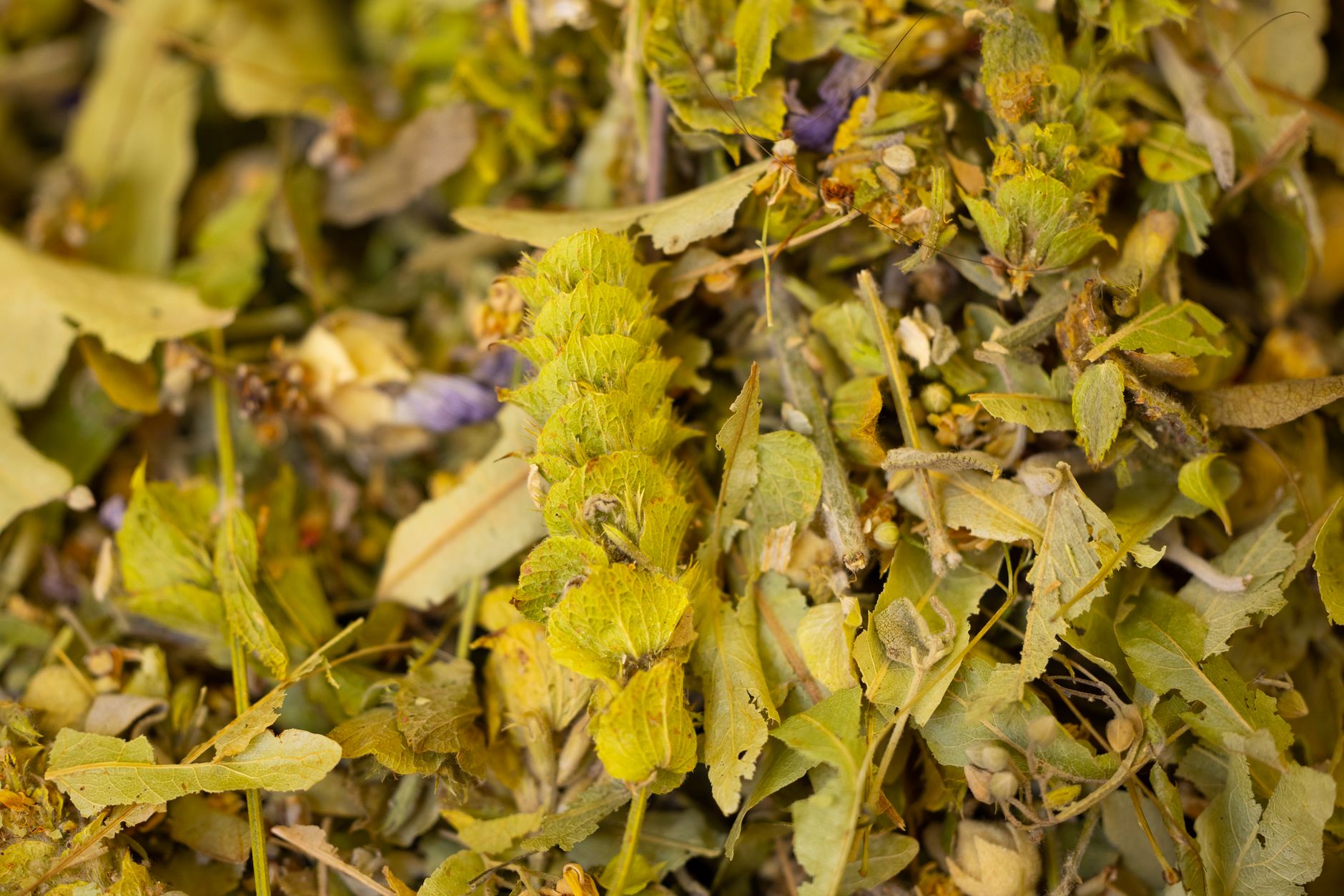
Dried Acacia Bark/Leaves (Traditional Uses)
While less common for modern dietary supplementation, dried bark or leaves of certain Acacia species are still used in traditional herbal medicine.
- How to Use: Can be prepared as a decoction (boiled in water) for teas or gargles, or pounded into a paste for topical application as poultices.
- Dosage: Varies greatly and should only be undertaken with guidance from a qualified herbalist or healthcare practitioner, due to variations in species and potency.
- Benefits: Primarily used for astringent, anti-inflammatory, and antiseptic purposes, such as soothing sore throats, promoting wound healing, and supporting oral hygiene.
Potential Side Effects and Precautions
Acacia gum is generally considered safe for most people when consumed in moderate amounts. However, like any dietary supplement, it can have potential side effects and precautions:
- Digestive Discomfort: Due to its high fiber content, rapid introduction or excessive amounts of Acacia can lead to mild digestive issues such as bloating, gas, stomach cramps, or loose stools. It’s advisable to start with a low dose and gradually increase it.
- Allergic Reactions: Although rare, some individuals may experience allergic reactions, especially those with existing sensitivities to other legumes or pollens. Symptoms can include skin rashes, itching, or respiratory issues.
- Medication Interactions: Acacia fiber can potentially interfere with the absorption of certain medications by slowing down their transit through the digestive system. It’s generally recommended to take Acacia supplements at least an hour before or two hours after taking other medications. Always consult a healthcare professional if you are on medication.
- Pregnancy and Breastfeeding: While no significant adverse effects have been reported, pregnant or breastfeeding women should consult their doctor before using Acacia supplements due to limited research in these populations.
Always source Acacia products from reputable suppliers to ensure purity and quality. If you have underlying health conditions or are uncertain about incorporating Acacia into your regimen, seeking professional medical advice is paramount.
Conclusion: Acacia – A Timeless Ally for Modern Wellness
The journey through the health benefits of Acacia reveals a botanical marvel that seamlessly bridges ancient wisdom with contemporary scientific understanding. From its humble origins as a thorny tree in arid lands, Acacia has emerged as a powerhouse of natural compounds, particularly its renowned Gum Arabic, offering an impressive spectrum of health advantages. Its unparalleled ability to foster a robust gut microbiome, regulate blood sugar and cholesterol, support weight management, and exert potent anti-inflammatory and antioxidant effects makes it an indispensable ally in the pursuit of holistic wellness.
As we navigate an era increasingly focused on natural, preventive health strategies, Acacia stands out as a testament to the enduring power of botanical medicine. Its gentle yet profound impact on core physiological systems underscores its potential to address many of the health challenges prevalent in modern society. While its historical uses provide a rich foundation, ongoing scientific research continues to unravel new facets of its therapeutic potential, cementing Acacia’s role not just as a traditional remedy but as a vital component of a well-rounded, health-conscious lifestyle. Embracing Acacia means embracing a timeless gift from nature, a versatile and potent botanical ready to enrich and balance your journey to optimal health.
Disclaimer: For informational purposes only. Not medical advice. Consult a qualified healthcare professional before use.