

Unlocking the Power of Nature: An Exhaustive Guide to Senna Leaf’s Health Benefits
In the vast tapestry of botanical medicine, few herbs command as much historical reverence and scientific scrutiny as Senna Leaf. Renowned primarily for its profound effectiveness as a natural laxative, this unassuming plant has journeyed through millennia, from ancient healing rituals to modern pharmaceutical preparations. Its potent compounds offer a reliable solution for one of the most common digestive complaints globally: constipation. Beyond its well-established role in promoting regularity, a deeper dive into Senna reveals a fascinating interplay of biochemistry, traditional wisdom, and crucial considerations for safe and effective use. This comprehensive guide aims to unravel the intricate health benefits of Senna Leaf, exploring its botanical origins, active constituents, mechanisms of action, and practical applications, providing an unparalleled resource for understanding this powerful herb.
Botanical Profile and Historical Roots of Senna Leaf
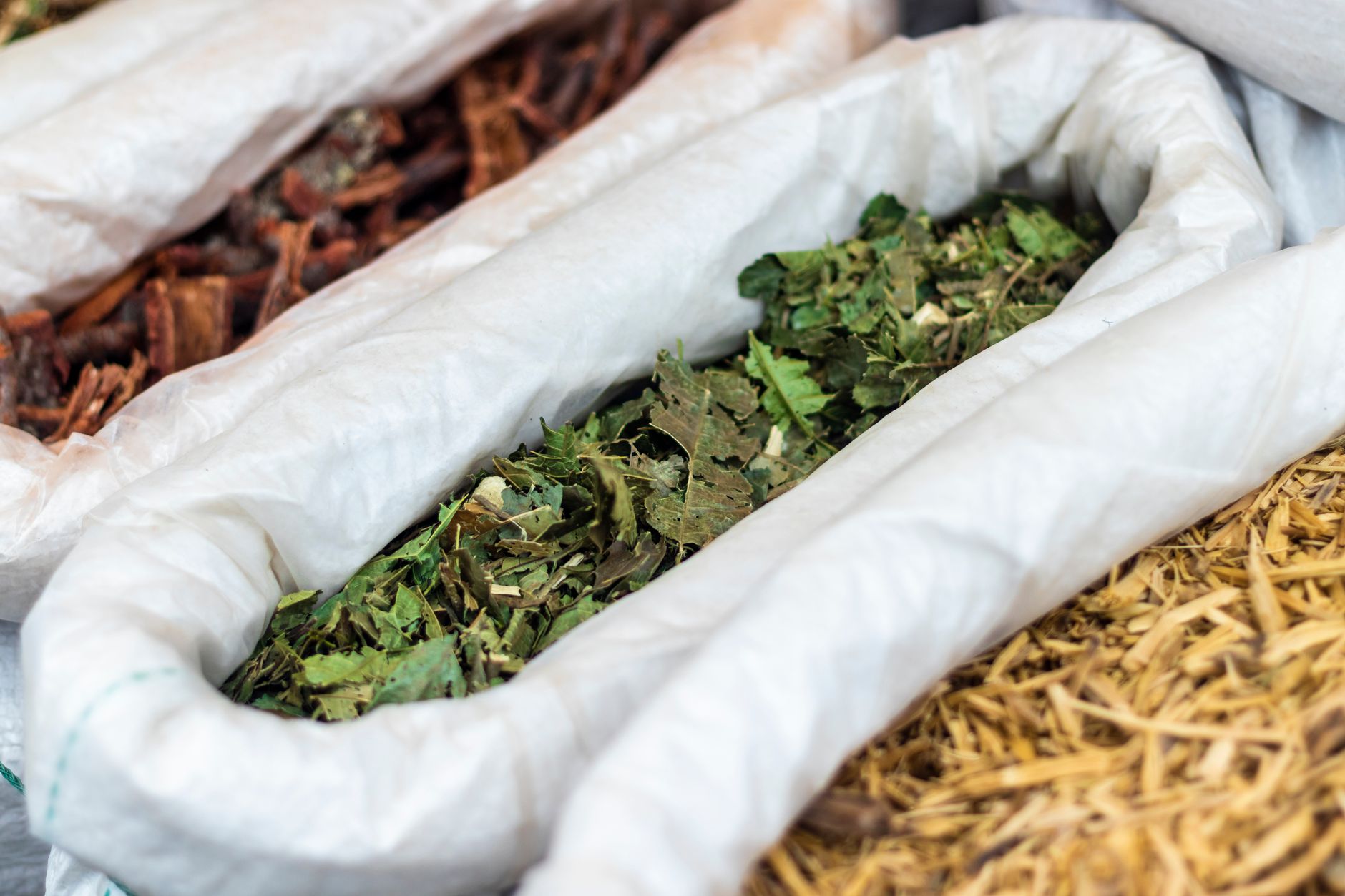
Senna, scientifically known primarily as Senna alexandrina (a species that encompasses both Cassia senna and Cassia angustifolia, historically recognized as Alexandrian and Tinnevelly Senna, respectively), belongs to the sprawling Fabaceae family, which also includes peas and beans. This hardy shrub thrives in arid and semi-arid regions, predominantly in North Africa, the Middle East, and India. Its distinctive pinnate leaves, vibrant yellow flowers, and elongated seed pods are characteristic features. The leaves, and sometimes the pods, are the parts typically harvested for medicinal use, prized for their concentration of active compounds.
The history of Senna is as rich and ancient as the civilizations that first discovered its properties. Its medicinal use dates back over a thousand years, with documented evidence of its application in traditional healing systems. Ancient Egyptian physicians were among the first to recognize and utilize Senna, incorporating it into various purgative preparations, particularly for cleansing rituals and addressing bowel irregularities. Arab physicians, such as Avicenna, further propagated its use throughout the Islamic world and into medieval Europe, where it quickly became a staple in apothecaries. Ayurvedic medicine in India and Traditional Chinese Medicine also integrated Senna into their pharmacopeias, valuing its ability to “clear heat” and “purify the intestines.” This enduring legacy underscores Senna’s consistent recognition across diverse cultures as a potent and effective botanical remedy.
Bioactive Compounds: The Powerhouse Behind Senna’s Efficacy
The remarkable therapeutic effects of Senna Leaf are primarily attributed to a class of compounds known as anthraquinone glycosides, specifically sennosides. These are the key bioactive constituents responsible for its laxative properties. Sennosides A, B, C, and D are the most prominent, with sennosides A and B being the most abundant and well-studied. These compounds are essentially prodrugs, meaning they are inactive in their original form and require metabolic transformation to exert their effects.
When ingested, sennosides pass largely undigested through the stomach and small intestine. It is in the colon that the true magic happens. Gut bacteria, part of our complex microbiome, play a crucial role by hydrolyzing the sennosides, cleaving off their sugar components and converting them into active metabolites, primarily rhein anthrones. These rhein anthrones are the actual effector molecules that interact with the colonic mucosa. Besides sennosides, Senna Leaf also contains other compounds such as flavonoids, which contribute to its overall antioxidant profile, mucilage, which can have a soothing effect on mucous membranes, and resins, though their medicinal contribution is less understood compared to the sennosides. The synergy of these components, though dominated by the anthraquinones, contributes to the herb’s holistic action.

The Intricate Mechanism of Action: How Senna Promotes Bowel Regularity
The laxative mechanism of Senna is multifaceted and remarkably effective, primarily targeting the large intestine. Once the sennosides are metabolized by colonic bacteria into rhein anthrones, these active compounds exert a dual action on the colon:
- Stimulation of Colonic Motility: Rhein anthrones directly irritate and stimulate the smooth muscle of the colon wall. This stimulation increases the frequency and strength of peristaltic contractions, the wave-like movements that propel fecal matter through the digestive tract. By accelerating transit time, stool spends less time in the colon, reducing the opportunity for excessive water reabsorption.
- Inhibition of Water and Electrolyte Absorption & Promotion of Secretion: The active metabolites interfere with the colon’s ability to absorb water and electrolytes, particularly sodium and chloride, from the intestinal lumen. Simultaneously, they stimulate the active secretion of chloride ions and, consequently, water into the colon. This influx of fluid into the intestinal lumen increases stool volume and softens its consistency, making it easier to pass. The combined effect of increased peristalsis and enhanced fluid content results in a more efficient and comfortable bowel movement, typically occurring within 6 to 12 hours after ingestion. This delayed action is due to the time required for the sennosides to reach the colon and be metabolized by bacteria.
This distinct mechanism differentiates Senna from other types of laxatives. Unlike bulk-forming laxatives that absorb water to add mass, or osmotic laxatives that draw water into the bowel, Senna actively influences both the fluid balance and the muscular contractions of the colon. This makes it particularly effective for acute constipation and for situations requiring reliable bowel evacuation, such as before medical procedures.
Primary Health Benefit: Potent and Reliable Constipation Relief
The most celebrated and scientifically validated health benefit of Senna Leaf is its efficacy in treating various forms of constipation. It is widely recognized as a stimulant laxative, a classification that speaks to its direct action on the intestinal walls. For individuals experiencing occasional constipation due to dietary changes, stress, travel, or medication side effects, Senna can provide swift and dependable relief. Its predictable onset of action, typically within 6-12 hours, allows users to time its administration for optimal effect, often taken before bedtime to induce a morning bowel movement.
Beyond occasional use, Senna is also employed in specific medical contexts. It is frequently prescribed or recommended for bowel preparation before colonoscopies, surgeries, or other diagnostic procedures that require a thoroughly cleansed colon. In these scenarios, its powerful purgative effect ensures effective evacuation. Furthermore, Senna plays a crucial role in managing opioid-induced constipation, a common and debilitating side effect of pain medications. Often combined with a stool softener, Senna helps counteract the severe slowing of intestinal motility caused by opioids, significantly improving patients’ quality of life. Its consistent performance has cemented its status as a cornerstone in both over-the-counter remedies and prescribed treatments for constipation.

Exploring Other Potential (and Debated) Health Benefits
While constipation relief remains its primary and most evidence-backed benefit, Senna Leaf has been historically associated with, and is sometimes marketed for, other health claims. It’s crucial to approach these with a critical perspective, differentiating between traditional beliefs and modern scientific validation.
1. Detoxification and Internal Cleansing
The concept of “detox” often aligns with herbal remedies that promote bowel regularity. Proponents suggest that by efficiently eliminating waste and toxins from the colon, Senna contributes to an overall internal cleansing process. While it undeniably helps remove fecal matter, which contains metabolic waste and other compounds, the idea of a specific “detoxification” beyond the body’s natural processes (liver, kidneys, lymphatic system) through increased bowel movements lacks robust scientific backing. Senna facilitates waste elimination, but it doesn’t directly enhance the liver’s detoxifying enzymes or purify the blood in the way a “detox” supplement might imply.
2. Support for Weight Management
Senna is occasionally promoted for weight loss. This connection, however, is largely misguided and potentially harmful. Any perceived weight loss from Senna use is primarily due to the loss of water and fecal matter, not a reduction in body fat. It works as a laxative, not a fat burner or metabolism booster. Relying on laxatives for weight management can lead to dangerous dehydration, electrolyte imbalances, and the development of laxative dependence, ultimately disrupting healthy digestive function without addressing actual fat loss.
3. Anti-Inflammatory and Antiparasitic Properties
Some traditional uses of Senna have alluded to anti-inflammatory effects and even antiparasitic actions. While certain anthraquinones in other plants have demonstrated anti-inflammatory properties in laboratory settings, direct and significant anti-inflammatory benefits from Senna Leaf, particularly in humans for conditions like systemic inflammation, are not well-established. Similarly, while traditional medicine sometimes employed Senna for parasitic infections, modern scientific evidence supporting its efficacy as an antiparasitic agent in humans is limited and inconclusive. Its primary role remains as a laxative.
Forms of Senna and Practical Usage Considerations
Senna Leaf is available in various forms, catering to different preferences and needs, each with its own advantages for practical usage. Understanding these forms helps in selecting the most appropriate option for individual circumstances.
- Dried Herb (Loose Leaf or Tea Bags): This is perhaps the most traditional way to consume Senna. Dried leaves can be steeped in hot water to make a purgative tea. This method allows for some flexibility in dosage, as the steeping time and amount of herb can be adjusted, though consistency can vary. Many traditional blends for “detox” or “cleansing” teas prominently feature Senna.
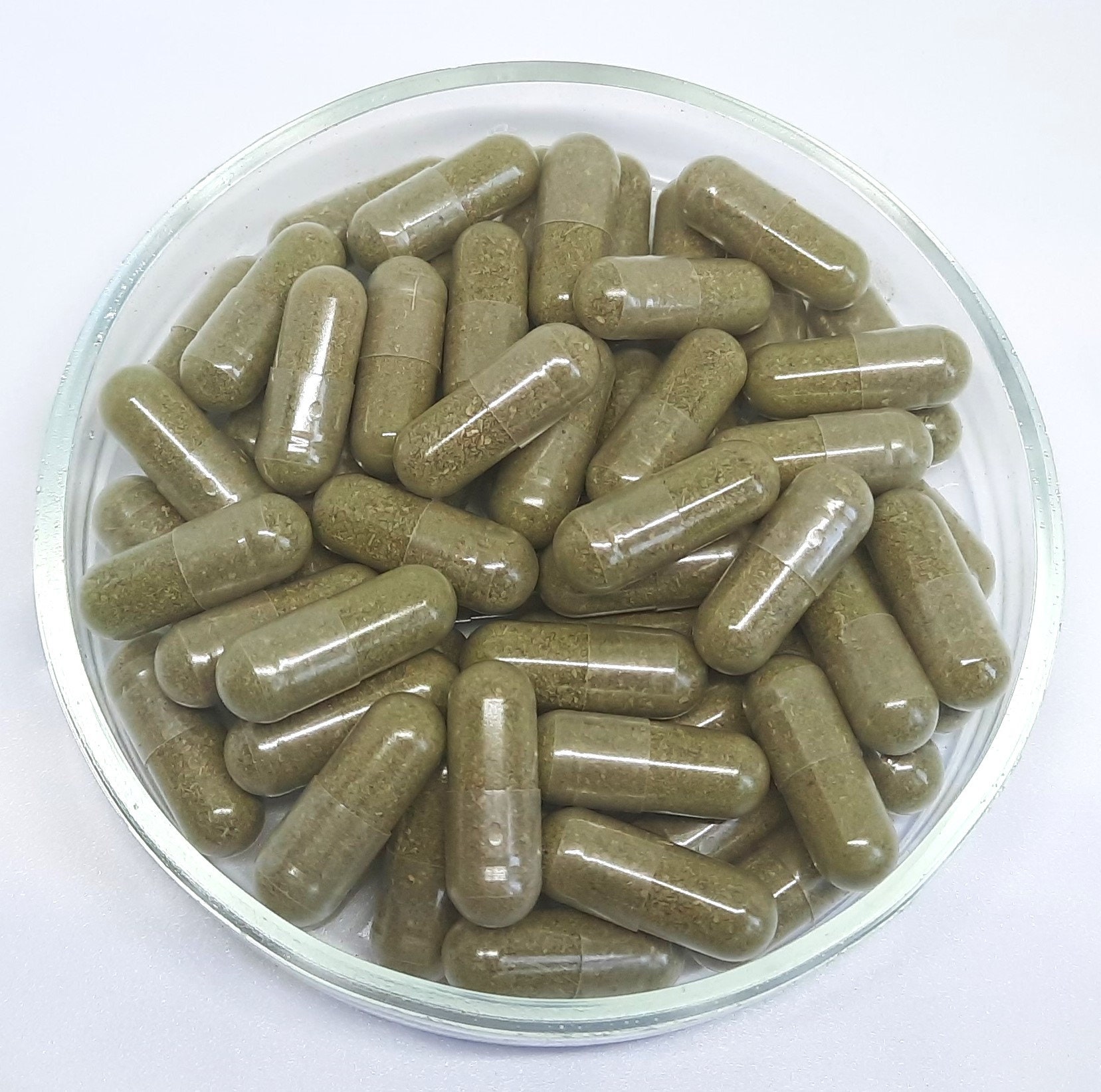
- Capsules and Tablets: These forms offer the greatest convenience and dosage control. Senna supplements often come in standardized extracts, meaning the concentration of sennosides is precisely measured, ensuring consistent potency. This eliminates the variability associated with teas and makes it easier to follow specific dosage recommendations. They are discreet and easy to take with water.
- Powder: Senna leaf powder can be mixed into beverages or food. While offering versatility, it can be more challenging to measure an exact dose compared to standardized capsules.
- Liquid Extracts and Syrups: These forms are also available, sometimes marketed for children (though Senna use in children should always be under strict medical supervision due to potential side effects). Liquids can offer quicker absorption for some, but again, careful dosing is paramount.
Dosage, Administration, and Best Practices for Senna Use
Responsible use of Senna Leaf hinges on adherence to recommended dosages and understanding administration guidelines. The typical adult dose of Senna for constipation relief ranges from 15 to 30 mg of sennosides per day, usually taken as a single dose before bedtime. This allows the active compounds sufficient time to be processed in the colon, leading to a bowel movement the following morning. It is always advisable to start with the lowest effective dose and gradually increase if necessary, under the guidance of a healthcare professional. For specific bowel preparation procedures, doses may be higher and are strictly guided by medical protocols.
When using Senna, adequate hydration is crucial. Because Senna works by increasing water content in the stool, ensuring sufficient fluid intake helps prevent dehydration and supports its effectiveness. It is also imperative to emphasize that Senna is intended for short-term use only, typically no more than seven consecutive days. Prolonged or excessive use carries significant risks, including the development of laxative dependence, electrolyte imbalances (especially potassium loss), dehydration, and damage to the colonic muscle, a condition known as “cathartic colon.” Always read product labels carefully, as concentrations of sennosides can vary between different formulations and brands. Consulting with a physician or pharmacist before starting Senna, especially if you have underlying health conditions or are taking other medications, is a critical best practice.
Safety Profile, Side Effects, and Contraindications
While generally safe when used appropriately and for short durations, Senna Leaf is a potent laxative and is not without potential side effects and contraindications. Understanding these is vital for responsible use.
Common Side Effects:
- Abdominal Cramping and Discomfort: Due to its stimulant action on the colon, mild to moderate abdominal cramps are a common side effect. This can sometimes be mitigated by adjusting the dose or ensuring adequate hydration.
- Flatulence: Increased gas production can occur as gut bacteria process the sennosides.
- Discolored Urine: Senna metabolites can cause urine to turn a reddish-brown or yellowish-brown color, which is harmless and temporary.
- Diarrhea: Taking too high a dose can lead to loose stools or diarrhea.
Serious Concerns with Overuse or Long-Term Use:
- Electrolyte Imbalance: Chronic use, particularly at high doses, can lead to significant loss of electrolytes, especially potassium. Hypokalemia (low potassium) can impair heart function, lead to muscle weakness, and exacerbate the effects of certain medications.
- Dehydration: Excessive fluid loss through repeated bowel movements can lead to dehydration, especially if fluid intake is insufficient.
- Laxative Dependence (Cathartic Colon): Prolonged reliance on stimulant laxatives like Senna can cause the colon to lose its natural muscle tone and ability to contract, leading to a condition known as “cathartic colon.” This can result in chronic constipation that is even more difficult to treat, creating a vicious cycle of laxative use.
- Liver Damage: Although rare, there have been isolated reports of liver toxicity associated with very high doses or prolonged use of anthraquinone-containing laxatives.
Contraindications:
- Pregnancy and Breastfeeding: Senna is generally not recommended during pregnancy or breastfeeding, as its active compounds can be transferred to the fetus or infant, potentially causing adverse effects.
- Inflammatory Bowel Disease (IBD): Individuals with conditions like Crohn’s disease or ulcerative colitis should avoid Senna as it can exacerbate inflammation and symptoms.
- Appendicitis or Undiagnosed Abdominal Pain: Senna should not be used if appendicitis is suspected or if there is undiagnosed severe abdominal pain, as it could mask symptoms or worsen the condition.
- Intestinal Obstruction: Any form of intestinal blockage is a strict contraindication, as Senna could worsen the obstruction.
- Children: Senna use in children, especially infants, should only occur under strict medical supervision.
Drug Interactions:
Senna can interact with certain medications. It can decrease the absorption of other drugs due to rapid bowel transit. More critically, due to its potential to cause potassium loss, it can interact dangerously with:
- Diuretics: Especially thiazide diuretics, increasing the risk of hypokalemia.
- Corticosteroids: Further increasing potassium loss.
- Cardiac Glycosides (e.g., Digoxin): Hypokalemia can enhance the toxicity of these heart medications, leading to serious cardiac arrhythmias.
Always inform your healthcare provider about all medications and supplements you are taking before using Senna.
Choosing a Quality Senna Product
When purchasing Senna Leaf products, opt for reputable brands that prioritize quality and safety. Look for products that specify the amount of sennosides per serving, indicating a standardized extract. Organic or wild-harvested options can minimize exposure to pesticides. Third-party testing for purity and potency provides an extra layer of assurance regarding the product’s quality and absence of contaminants. Always check the expiration date and storage instructions to maintain efficacy.
Conclusion: Harnessing Senna’s Power Responsibly
Senna Leaf stands as a powerful and historically validated botanical remedy, primarily distinguished by its profound ability to provide reliable relief from constipation. Its unique mechanism, involving the activation of sennosides by gut bacteria to stimulate colonic motility and increase stool water content, makes it a highly effective solution for occasional bowel irregularity, surgical preparation, and managing specific forms of medically induced constipation. While traditional applications have hinted at broader benefits like detoxification, it is critical to ground our understanding in scientific evidence, which overwhelmingly points to its role as a stimulant laxative.
To harness Senna’s benefits safely, adherence to appropriate dosages, strict adherence to short-term use, and a thorough understanding of its potential side effects and contraindications are paramount. It is a tool for acute relief, not a long-term solution for chronic digestive issues or a means for unhealthy weight loss. As with any potent herbal medicine, the key to beneficial outcomes lies in informed and responsible utilization. Always engage with a healthcare professional before incorporating Senna into your health regimen, ensuring it aligns with your individual health profile and does not interfere with existing conditions or medications. When used judiciously, Senna Leaf remains an invaluable component of the herbal pharmacopeia, offering dependable support for digestive health when truly needed.

Disclaimer: For informational purposes only. Not medical advice. Consult a qualified healthcare professional before use.