The Unveiling of Forget Me Not Flower: A Deep Dive into Its Profound Health Benefits and Holistic Potential
The Forget Me Not flower, scientifically known as *Myosotis*, is much more than a delicate symbol of remembrance and enduring love. While its cultural significance has long overshadowed its medicinal properties, a closer examination of its phytochemical composition and traditional uses reveals a plant brimming with overlooked health potential. From ancient folklore to emerging scientific inquiry, the humble Forget Me Not is gradually gaining recognition as a valuable contributor to holistic well-being. This exhaustive guide aims to delve into the intricate world of Forget Me Not, exploring its botanical profile, historical journey, rich biochemical makeup, and the myriad of health benefits it may offer, all while providing practical insights into its safe and effective utilization.
Botanical Overview: Understanding the Myosotis Genus
The genus *Myosotis* belongs to the Boraginaceae family, encompassing over 50 species of flowering plants. Native to temperate regions across Europe, Asia, and North America, these charming annual or perennial herbs are instantly recognizable by their small, five-petaled flowers, typically a striking blue with a yellow or white center, though pink and white varieties also exist. The name *Myosotis* itself is derived from Ancient Greek, meaning “mouse’s ear,” a reference to the shape of the plant’s leaves. They thrive in moist, shady environments, often found gracing meadows, woodlands, and stream banks, forming enchanting carpets of sapphire blue. Their delicate appearance belies a surprising resilience and a complex internal chemistry that hints at significant therapeutic value.

These plants typically grow between 5 to 30 centimeters tall, featuring fuzzy stems and alternate, simple leaves. The inflorescence is a cyme, a cluster of flowers that unfurl progressively. While *Myosotis scorpioides* (true forget-me-not) is one of the most common and widely recognized species, various others like *Myosotis sylvatica* (wood forget-me-not) and *Myosotis alpestris* (alpine forget-me-not) share similar characteristics and, to varying degrees, phytochemical profiles that are of interest for their potential health benefits. Understanding these botanical distinctions is crucial when considering the specific properties and safety aspects of using different Forget Me Not species for medicinal purposes.
Historical and Cultural Significance: More Than Just a Symbol
The cultural resonance of the Forget Me Not flower is profound and widespread. Its name, steeped in legend, often speaks of enduring love, faithful remembrance, and sorrowful farewells. One popular German legend tells of a knight and his lady walking by a river; he picked a bunch of the blue flowers for her but slipped and fell into the water, crying out “Forget me not!” as he was swept away. This tale cemented its symbolism across Europe. In the Victorian language of flowers, it signified true love and remembrance. It also holds significance in various movements, including Freemasonry and Alzheimer’s awareness, where it represents memory and solidarity.
Despite its rich symbolic history, documented traditional medicinal uses of Forget Me Not in major European herbal traditions are less extensive compared to other well-known herbs. However, anecdotal evidence and some localized folk remedies suggest its application for a range of ailments. In certain European villages, infusions were sometimes used as a mild diuretic or a remedy for lung conditions, while poultices were applied to soothe skin irritations. These applications, though not always extensively documented in classical pharmacopoeias, indicate an underlying recognition of its potential therapeutic qualities long before modern scientific analysis. It is this blend of cultural reverence and quiet traditional use that lays the groundwork for contemporary exploration into its health benefits.
Phytochemical Profile: The Bioactive Powerhouse Within
The therapeutic potential of the Forget Me Not flower lies within its complex array of bioactive compounds. Modern phytochemistry has begun to unravel the constituents that contribute to its observed effects, revealing a rich tapestry of molecules, each playing a role in the plant’s overall health-promoting capabilities.
Key categories of compounds identified in *Myosotis* species include:
* **Flavonoids:** These are a diverse group of plant pigments and potent antioxidants. Quercetin, rutin, kaempferol, and their glycosides are often found in Forget Me Not. Flavonoids are renowned for their free-radical scavenging abilities, anti-inflammatory properties, and potential to support cardiovascular health and modulate immune responses. They act by inhibiting various enzymes involved in inflammatory pathways and protecting cellular structures from oxidative damage.
* **Phenolic Acids:** Such as caffeic acid, chlorogenic acid, and rosmarinic acid derivatives. These compounds are also powerful antioxidants and contribute significantly to the plant’s anti-inflammatory and antimicrobial activities. They can interfere with processes that generate reactive oxygen species and help maintain cellular integrity.
* **Tannins:** These astringent compounds give the plant a slightly bitter taste and are known for their ability to bind to proteins. In medicinal contexts, tannins contribute to anti-inflammatory, antimicrobial, and wound-healing properties. They can help tighten tissues, reduce secretions, and protect mucous membranes.
* **Alkaloids:** This is a critical class of compounds. Some *Myosotis* species are known to contain pyrrolizidine alkaloids (PAs), such as myosoline and related compounds. While certain alkaloids can have significant pharmacological effects, PAs are often associated with hepatotoxicity (liver damage) and are a major safety concern, especially with internal consumption over time. This aspect necessitates careful consideration and species-specific research when discussing the medicinal use of Forget Me Not.
* **Polysaccharides:** These complex carbohydrates can possess immunomodulatory effects, supporting the body’s natural defense mechanisms.
* **Volatile Compounds:** While not as prominent as in some aromatic herbs, the plant does contain trace amounts of essential oils that contribute to its subtle scent and may have minor antimicrobial or calming effects.

The synergistic interaction of these compounds, particularly the interplay between flavonoids and phenolic acids, is believed to be responsible for the Forget Me Not’s purported health benefits. However, the presence of potentially harmful compounds like Pyrrolizidine Alkaloids underscores the paramount importance of meticulous research, proper identification of species, and responsible usage, especially for internal applications.
Unveiling the Health Benefits of Forget Me Not Flower
Building upon its rich phytochemical profile, Forget Me Not flower presents several potential health benefits, primarily rooted in its antioxidant, anti-inflammatory, and protective properties. While much of the scientific research is still in its nascent stages or focused on *in vitro* and animal models, the traditional uses and chemical composition provide compelling avenues for exploration.
1. Potent Antioxidant Properties for Cellular Protection
One of the most significant health benefits attributed to Forget Me Not is its robust antioxidant capacity. The high concentrations of flavonoids, phenolic acids, and other polyphenols within the plant are crucial for this activity. Antioxidants function by neutralizing free radicals, which are unstable molecules that can cause oxidative stress, leading to cellular damage, accelerated aging, and the development of chronic diseases such such as cardiovascular disease, neurodegenerative disorders, and even certain types of cancer.
By effectively scavenging these free radicals, the compounds in Forget Me Not help protect cell membranes, DNA, and proteins from oxidative damage. This cellular protection is fundamental to maintaining overall health and preventing disease. Regular intake of antioxidant-rich compounds, whether through diet or carefully considered herbal supplements, can support the body’s natural defense mechanisms against environmental aggressors and metabolic byproducts, contributing to enhanced vitality and longevity.
2. Anti-inflammatory Effects for Soothing Discomfort
Inflammation is the body’s natural response to injury or infection, but chronic or uncontrolled inflammation can contribute to a wide array of health problems, including arthritis, autoimmune conditions, and inflammatory bowel diseases. Forget Me Not’s anti-inflammatory properties are largely due to its flavonoid and phenolic acid content. These compounds can modulate various pathways involved in the inflammatory cascade.
Mechanisms include the inhibition of pro-inflammatory enzymes like cyclooxygenase (COX) and lipoxygenase (LOX), which are targets for many conventional anti-inflammatory drugs. Furthermore, these bioactive compounds may help reduce the production of inflammatory cytokines, chemical messengers that exacerbate inflammation. By dampening these inflammatory signals, Forget Me Not may offer relief from pain and swelling associated with inflammatory conditions, both internally and when applied topically.
3. Promoting Skin Health and Radiance
The combination of antioxidant and anti-inflammatory properties makes Forget Me Not a promising candidate for skin care applications. Oxidative stress from UV radiation and environmental pollutants is a major contributor to premature skin aging, characterized by fine lines, wrinkles, and loss of elasticity. The antioxidants in Forget Me Not can help neutralize these damaging free radicals, thereby protecting skin cells from degradation and supporting a youthful appearance.
Moreover, its anti-inflammatory compounds can soothe irritated skin, reduce redness, and calm conditions such as eczema, dermatitis, and acne. When incorporated into topical preparations like creams, salves, or compresses, Forget Me Not can help restore balance to compromised skin, promote healing, and enhance overall skin radiance. Its gentle nature makes it suitable for sensitive skin types, offering a natural approach to dermatological well-being.
4. Potential Respiratory Support and Demulcent Properties
Traditional folk medicine sometimes hinted at Forget Me Not’s utility for respiratory ailments. While specific scientific validation is limited, the plant’s mucilaginous content (a type of polysaccharide) combined with its anti-inflammatory effects suggests potential benefits for the respiratory system. Mucilage forms a soothing, protective layer over mucous membranes, which can help relieve irritation in the throat and airways.
This demulcent action, coupled with potential anti-inflammatory effects, could make Forget Me Not beneficial for alleviating coughs, soothing sore throats, and reducing the discomfort associated with mild bronchitis or colds. An herbal infusion might help to clear congested airways and ease respiratory distress by reducing inflammation and providing a protective coating to irritated tissues.
5. Diuretic and Detoxifying Potential
Certain traditional uses and the presence of specific compounds suggest that Forget Me Not may possess mild diuretic properties. Diuretics promote increased urine production, which can aid the body in flushing out excess fluids and waste products. This detoxifying action can support kidney function and contribute to overall systemic cleansing.
By facilitating the elimination of toxins through the urinary system, Forget Me Not might indirectly support various bodily functions, potentially reducing the burden on the liver and kidneys. This property could be particularly beneficial for individuals looking to gently cleanse their system or manage mild fluid retention, always with the understanding that severe conditions require professional medical advice.
Practical Applications and Forms of Consumption
The Forget Me Not flower can be utilized in various forms, depending on the desired effect and the specific species being used. It is crucial to source the herb from reputable suppliers and, given the concerns about pyrrolizidine alkaloids (PAs), to ensure the species is verified as safe for internal use or to limit usage to external applications where PA risk is negligible.
Herbal Teas and Infusions
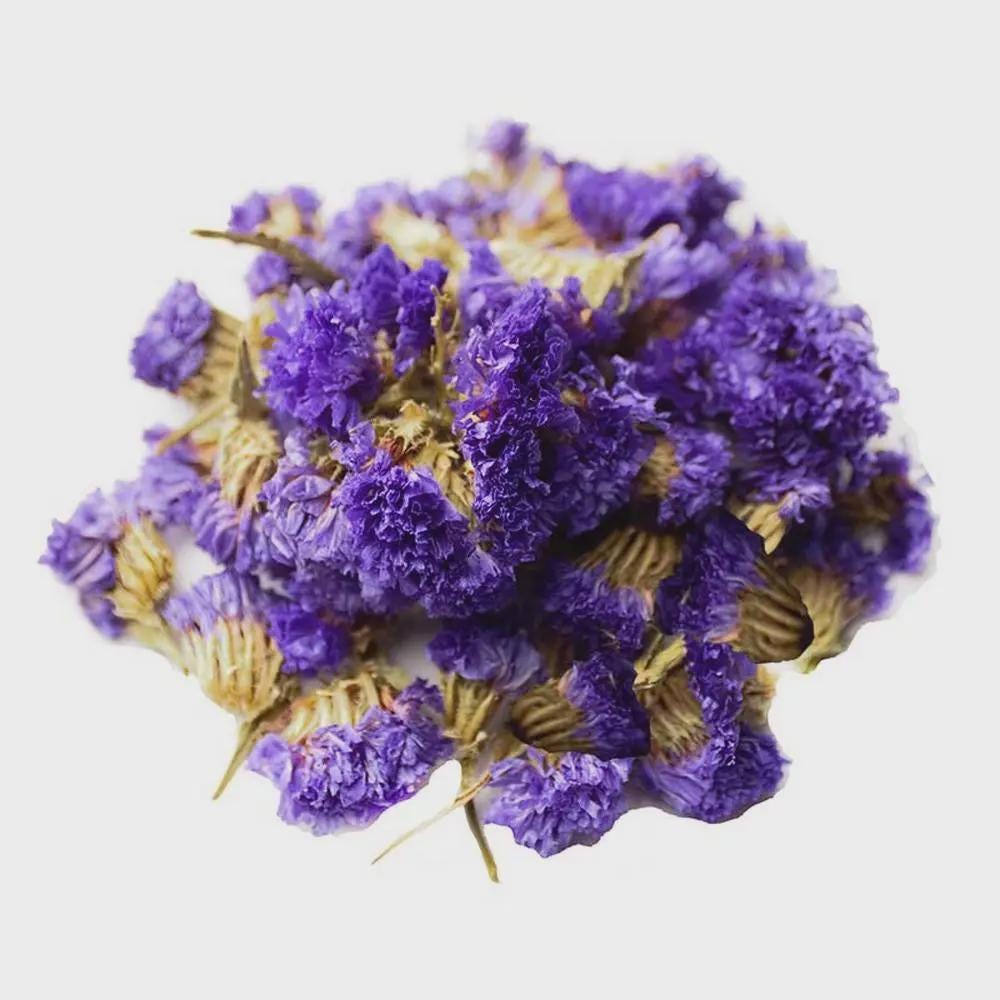
One of the most common and gentle ways to consume Forget Me Not is as an herbal tea. Dried Forget Me Not flowers and leaves can be steeped in hot water, much like any other herbal infusion. This method extracts the water-soluble compounds, including many flavonoids and phenolic acids, providing a comforting and potentially therapeutic beverage. The taste is generally mild, sometimes described as slightly earthy with a delicate floral note.
Preparation involves adding 1-2 teaspoons of dried herb to a cup of hot water, allowing it to steep for 5-10 minutes, and then straining. This can be enjoyed once or twice daily. This form is often preferred for its subtle effects and ease of preparation, offering a pleasant way to incorporate its benefits into a daily routine.
Tinctures and Liquid Extracts
For a more concentrated form, Forget Me Not can be prepared as a tincture or liquid extract. Tinctures are typically made by steeping the plant material in alcohol, which extracts a broader spectrum of compounds, including some that are less water-soluble. This allows for higher potency and easier dosage control.
Tinctures are usually taken in small doses (a few drops to a teaspoon) diluted in water, offering a convenient way to harness the herb’s benefits. Due to the concentration, careful consideration of the species used and potential PA content is even more critical when opting for tinctures for internal use.
Topical Applications: Creams, Salves, and Compresses
For skin health and localized anti-inflammatory effects, Forget Me Not can be infused into oils to create salves, creams, or lotions. A simple compress made with a strong herbal infusion can also be applied directly to affected skin areas. These topical applications are particularly beneficial for soothing irritation, reducing redness, and promoting healing for conditions like eczema, minor burns, and insect bites.
The risk of systemic toxicity from PAs is significantly reduced with topical application, making this a generally safer way to utilize Forget Me Not’s benefits, especially if there’s any uncertainty about the PA content of the specific species. Always perform a patch test first to ensure no allergic reaction.
Supplements and Capsules
As the interest in herbal remedies grows, Forget Me Not is becoming available in supplement form, often as capsules containing dried powdered herb or standardized extracts. These offer a convenient way to consume the herb, ensuring a consistent dosage of active compounds.
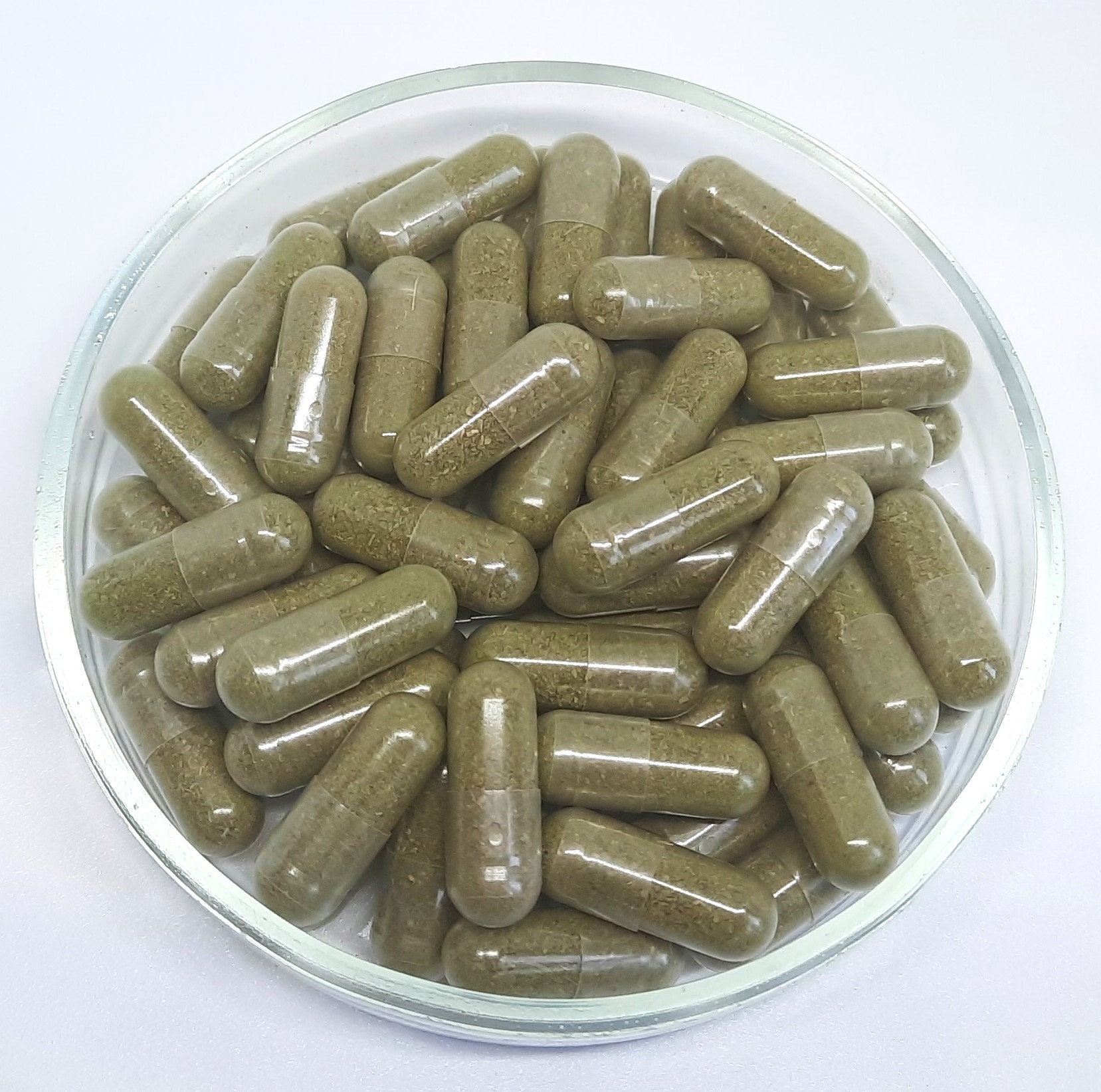
When considering capsules or other supplements, it is paramount to choose products from reputable manufacturers who provide clear information about the *Myosotis* species used, extraction methods, and crucially, any testing for the presence and levels of pyrrolizidine alkaloids. Quality assurance is key to ensure safety and efficacy.
Considerations, Precautions, and Potential Side Effects
While the Forget Me Not flower offers intriguing health benefits, it is absolutely crucial to address potential risks, primarily concerning the presence of pyrrolizidine alkaloids (PAs).
* **Pyrrolizidine Alkaloids (PAs):** Many species within the Boraginaceae family, including some *Myosotis* species, contain PAs. These compounds can be hepatotoxic (damaging to the liver) and, with chronic exposure, potentially carcinogenic. The concentration of PAs varies significantly between species and even within the same species depending on growing conditions. **Therefore, extreme caution is advised for internal consumption.** It is highly recommended to use only *Myosotis* species confirmed to be free of PAs or to have negligible, safe levels, especially for prolonged internal use. Consultation with a qualified herbalist or healthcare professional is essential before using Forget Me Not internally, particularly if you have pre-existing liver conditions or are taking liver-metabolized medications.
* **Pregnancy and Lactation:** Due to the potential presence of PAs and the lack of comprehensive safety data, Forget Me Not should be avoided by pregnant and breastfeeding women.
* **Drug Interactions:** Individuals on medications, particularly those affecting liver function (e.g., acetaminophen, statins) or blood clotting, should exercise caution and consult a healthcare provider before using Forget Me Not, as interactions are theoretically possible, though not well-documented.
* **Allergies:** As with any botanical product, allergic reactions are possible. Discontinue use if you experience any adverse symptoms such as skin rash, itching, or digestive upset. Always perform a patch test for topical applications.
* **Sourcing and Identification:** Given the critical safety concerns, accurately identifying the specific *Myosotis* species and sourcing from reputable suppliers who can guarantee purity and safety (e.g., tested for PA content) is paramount. Self-foraging for internal use is not recommended due to the difficulty in species identification and variability in PA content.

For external applications, the risk of PA absorption is generally considered much lower, making topical use a safer option for most individuals seeking its skin-benefiting and anti-inflammatory effects.
Future Research and Unexplored Potential
Despite its growing recognition, the Forget Me Not flower remains an underexplored botanical in the realm of modern science. Future research endeavors are crucial to fully unlock and validate its therapeutic potential while simultaneously establishing clear safety guidelines. Key areas for investigation include:
* **Comprehensive Phytochemical Profiling:** Detailed analysis of various *Myosotis* species to precisely quantify and identify all bioactive compounds, including the exact types and concentrations of pyrrolizidine alkaloids, across different growing conditions.
* **Pharmacological Studies:** *In vitro* and *in vivo* studies to elucidate the precise mechanisms of action for its antioxidant, anti-inflammatory, and other purported effects. This includes investigating its impact on specific cellular pathways and disease models.
* **Clinical Trials:** Well-designed human clinical trials are essential to confirm efficacy, determine optimal dosages, and establish safety profiles for various health conditions, particularly for species confirmed to be PA-free or to have negligible levels.
* **Formulation and Delivery:** Research into optimal extraction methods and formulation strategies to maximize bioavailability and minimize any potential risks.
* **Species-Specific Benefits:** Distinguishing the unique properties and safety profiles of different *Myosotis* species, as their chemical compositions can vary.
Such rigorous scientific inquiry will be instrumental in transitioning Forget Me Not from a historically revered symbol and folk remedy to a scientifically validated and safely utilized therapeutic agent in modern herbal medicine.
Conclusion: A Blossoming Promise in Herbal Medicine
The Forget Me Not flower, with its profound cultural symbolism and delicate beauty, holds a quiet yet compelling promise in the world of herbal medicine. Its rich phytochemical profile, abundant in antioxidants and anti-inflammatory compounds, suggests a powerful ally for cellular protection, skin health, and systemic well-being. From soothing respiratory discomfort to aiding in detoxification, the traditional wisdom surrounding this charming bloom is gradually being illuminated by modern scientific investigation.
However, the journey to fully harness its benefits must be approached with informed caution, particularly regarding the potential presence of pyrrolizidine alkaloids in certain species. Responsible sourcing, accurate identification, and professional consultation are not merely recommendations but essential prerequisites for safe and effective use. As research continues to unfold, the Forget Me Not flower stands poised to transcend its role as a mere emblem of remembrance, blossoming into a recognized and valuable contributor to our holistic health, inviting us to remember and appreciate its profound natural gifts. Embrace its potential wisely, and let this small blue flower remind you of the vast healing power encapsulated within the natural world.
Disclaimer: For informational purposes only. Not medical advice. Consult a qualified healthcare professional before use.