The Definitive Guide to Forget Me Not Herb: Unveiling Its Profound Health Benefits
In the vast tapestry of the botanical world, certain plants capture our imagination not only with their delicate beauty but also with their hidden medicinal prowess. Among these, the unassuming Forget Me Not herb, scientifically known as Myosotis spp., stands out. Renowned for its vibrant, sky-blue petals and its evocative name symbolizing remembrance and enduring love, this humble flower has quietly served various traditional healing practices for centuries. Far from being merely an ornamental garden favorite, the Forget Me Not possesses a spectrum of therapeutic properties that warrant a deep, professional exploration. This comprehensive guide aims to peel back the layers of folklore and reveal the scientifically plausible health benefits, historical significance, and practical applications of this remarkable herb, cementing its place as a valuable ally in natural wellness.
A Botanical & Etymological Journey: Understanding Forget Me Not (Myosotis spp.)
The genus Myosotis belongs to the family Boraginaceae, encompassing over 50 species of flowering plants, predominantly annuals or perennials. The most commonly recognized and utilized species include Myosotis sylvatica (wood forget-me-not), Myosotis scorpioides (true forget-me-not), and Myosotis arvensis (field forget-me-not). These charming plants are characterized by their small, five-petaled flowers, typically blue with a yellow or white center, though pink and white varieties also exist. They often grow in damp, shady areas, woodlands, and meadows across Europe, Asia, and North America, thriving in temperate climates. Their widespread distribution has contributed to their integration into diverse cultural narratives and traditional medicine systems.
The name Myosotis itself is derived from Ancient Greek, meaning “mouse’s ear,” a poetic descriptor referring to the shape and soft, fuzzy texture of the leaves of some species. The common name “Forget Me Not” carries a deeply romantic and poignant history, originating from German folklore. Legend tells of a knight and his lady walking by a river; he picked a bunch of the blue flowers for her but, losing his balance, fell into the swift current. As he was swept away, he cried out, “Forget me not!” This tale, among others, has cemented the flower’s universal symbolism of everlasting love, loyalty, and remembrance, themes that subtly extend into its traditional uses for emotional and mental well-being, even if less scientifically substantiated than its physical benefits.

Historical Echoes: Forget Me Not Through the Ages
While not as prominently documented as some other powerhouse herbs, the Forget Me Not has a quiet yet persistent presence in historical herbalism. Its initial uses often intertwined with its symbolic meaning. In medieval Europe, the herb was sometimes used in concoctions believed to enhance memory or cure forgetfulness, a direct nod to its evocative name. Beyond such folkloric applications, its more tangible properties were recognized by herbalists. Traditional European folk medicine utilized Forget Me Not primarily for its perceived anti-inflammatory, astringent, and soothing qualities.
Historically, the aerial parts of the plant – leaves and flowers – were gathered and prepared as infusions or poultices. It was often recommended for external applications to soothe skin irritations, minor wounds, and inflammatory skin conditions like eczema or rashes. Internally, mild infusions were administered for coughs, bronchitis, and to support kidney function, acting as a gentle diuretic. These traditional applications, passed down through generations, provide a crucial framework for understanding and investigating the herb’s modern therapeutic potential, even as scientific scrutiny now seeks to validate these long-held beliefs through phytochemical analysis and pharmacological studies.
The Phytochemical Riches: Unlocking Forget Me Not’s Bioactive Compounds
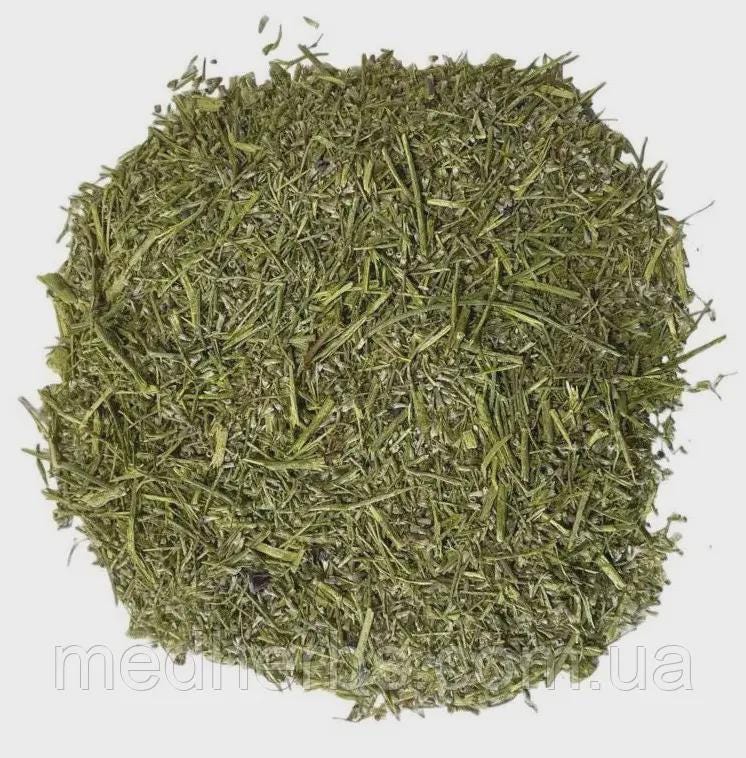
The therapeutic efficacy of Forget Me Not herb, like all medicinal plants, lies in its complex array of bioactive compounds. Modern phytochemistry has begun to shed light on the specific constituents responsible for its observed health benefits, moving beyond anecdotal evidence to a more scientific understanding. The primary classes of compounds identified in Myosotis spp. that contribute to its medicinal properties include flavonoids, phenolic acids, tannins, and mucilage.
Flavonoids: These are a broad group of polyphenolic compounds widely recognized for their potent antioxidant and anti-inflammatory activities. Key flavonoids likely present in Forget Me Not include derivatives of quercetin and kaempferol. Quercetin, for instance, is a well-studied flavonoid known for its ability to scavenge free radicals, chelate metal ions, and inhibit lipid peroxidation, thereby protecting cells from oxidative damage. It also plays a role in modulating immune responses and inhibiting inflammatory enzymes. Kaempferol exhibits similar protective effects, contributing significantly to the herb’s potential in combating oxidative stress and systemic inflammation.
Phenolic Acids: These non-flavonoid polyphenols are another significant contributor to the herb’s antioxidant and antimicrobial profile. Caffeic acid and rosmarinic acid are examples of phenolic acids commonly found in plants of the Boraginaceae family. Rosmarinic acid, in particular, is a powerful antioxidant and anti-inflammatory agent, known for its ability to neutralize free radicals and reduce the production of pro-inflammatory mediators. These compounds work synergistically with flavonoids to enhance the overall protective capacity of the herb.
Tannins: These are astringent polyphenols responsible for the puckering sensation in the mouth when consuming unripe fruit or strong tea. In Forget Me Not, tannins contribute to its traditional use in wound healing and skin care. Their astringent properties help to constrict tissues, reduce bleeding, and form a protective layer over minor cuts and abrasions, making them useful for topical applications. Tannins also possess mild antiseptic qualities, helping to prevent infection.
Mucilage: This gelatinous substance, primarily composed of polysaccharides, is a common constituent in many soothing herbs. In Forget Me Not, mucilage provides demulcent properties, meaning it forms a protective, soothing film over mucous membranes. This action is particularly beneficial for irritated respiratory and digestive tracts, helping to alleviate coughs, sore throats, and gastric discomfort by reducing irritation and inflammation.
While some members of the Boraginaceae family, such as Comfrey (Symphytum officinale), contain pyrrolizidine alkaloids (PAs) that can be hepatotoxic, the Myosotis genus is generally considered to contain very low or negligible amounts of these compounds, particularly in the aerial parts used medicinally, and is therefore largely regarded as safe for moderate use. Nevertheless, awareness of plant family constituents is always prudent for comprehensive understanding.

The Spectrum of Wellness: Unveiling the Health Benefits of Forget Me Not Herb
Leveraging its rich phytochemical composition, Forget Me Not herb offers a range of potential health benefits, both internally and externally. These benefits stem from its antioxidant, anti-inflammatory, astringent, and demulcent properties.
Potent Antioxidant Powerhouse
One of the most significant contributions of Forget Me Not to health is its robust antioxidant capacity. The flavonoids and phenolic acids present in the herb are formidable free radical scavengers. Free radicals are unstable molecules that can cause oxidative stress, leading to cellular damage, accelerated aging, and contributing to the development of numerous chronic diseases, including cardiovascular issues, neurodegenerative disorders, and certain cancers. By neutralizing these harmful molecules, Forget Me Not helps protect cellular integrity, reduces oxidative burden, and supports the body’s natural defense mechanisms. This systemic protection can translate into enhanced overall vitality and resilience against environmental stressors.
Anti-Inflammatory & Analgesic Properties
Chronic inflammation is a root cause of many health problems, from autoimmune diseases to metabolic disorders. The anti-inflammatory compounds in Forget Me Not, particularly flavonoids like quercetin and phenolic acids such as rosmarinic acid, can modulate key inflammatory pathways in the body. They may help to inhibit the production of pro-inflammatory cytokines and enzymes, thereby reducing inflammatory responses. This makes the herb potentially beneficial for alleviating symptoms associated with various inflammatory conditions, such as joint discomfort, muscle soreness, and internal inflammatory states. Its mild analgesic effect, stemming from its ability to reduce inflammation, can also contribute to pain relief.
Dermatological Health & Skin Rejuvenation
The skin, being our largest organ, is constantly exposed to environmental aggressors and susceptible to various inflammatory conditions. Forget Me Not’s combined antioxidant, anti-inflammatory, and astringent properties make it an excellent herb for dermatological care. Its antioxidants protect skin cells from UV radiation damage and pollution, contributing to anti-aging effects. The anti-inflammatory compounds soothe irritated skin, making it beneficial for conditions like eczema, psoriasis, dermatitis, and acne. The tannins provide an astringent effect, which can help to tighten pores, reduce oiliness, and promote the healing of minor cuts, scrapes, and insect bites by forming a protective barrier and reducing localized swelling. Used topically, it can help restore skin balance and promote a healthier complexion.
Respiratory Support & Mucolytic Action
Forget Me Not has traditionally been used to address respiratory ailments, a benefit largely attributed to its mucilage content and soothing properties. When consumed as an infusion, the mucilage forms a protective, demulcent layer over the irritated mucous membranes of the throat and respiratory passages. This helps to reduce irritation, alleviate dry coughs, and soothe sore throats. Furthermore, its potential mild mucolytic action may help to thin and loosen phlegm, making it easier to expel and providing relief from congestion associated with colds, bronchitis, and other upper respiratory tract infections. This gentle action helps to restore comfort and facilitate clearer breathing.
Diuretic & Detoxification Aid
Historically, Forget Me Not has been employed as a mild diuretic, aiding the body in expelling excess fluids and supporting kidney function. While not a potent diuretic, its gentle action can assist in reducing mild edema and promoting the excretion of waste products through the urinary system. This subtle detoxification support can contribute to overall bodily cleansing and the maintenance of fluid balance. By supporting the kidneys, it indirectly helps the body to maintain homeostasis and eliminate metabolic byproducts, contributing to a feeling of lightness and well-being.
Traditional Uses for Emotional Well-being and Symbolic Resonance
While direct scientific evidence linking Forget Me Not to specific cognitive or emotional benefits is limited, its symbolic association with memory and remembrance has historically extended into traditional applications for mental and emotional support. Folkloric uses sometimes involved the herb in remedies aimed at improving focus or alleviating feelings of melancholy, drawing a metaphorical parallel between its name and its intended effect. Although these uses lean more into cultural and anecdotal realms rather than pharmacological ones, the act of engaging with an herb deeply rooted in such meaningful symbolism can, in itself, offer a sense of comfort and connection, contributing to a holistic approach to well-being.
Practical Applications & Forms of Forget Me Not Herb
Forget Me Not herb can be incorporated into a wellness routine through various preparations, each offering distinct advantages and methods of delivery. The choice of form often depends on the desired effect and convenience.
Herbal Tea/Infusion
One of the simplest and most traditional ways to utilize Forget Me Not is as a herbal tea. An infusion is prepared by steeping dried leaves and flowers in hot water. This method is ideal for respiratory support, gentle detoxification, and harnessing its internal anti-inflammatory and antioxidant benefits. The warmth of the tea also adds to its soothing properties, particularly for sore throats. Typically, one to two teaspoons of dried herb are steeped in a cup of hot water for 5-10 minutes. The resulting tea has a mild, earthy flavor.
Tinctures & Extracts
For a more concentrated and potent form, tinctures or liquid extracts of Forget Me Not can be used. These are typically prepared by steeping the fresh or dried herb in alcohol, which extracts a broader spectrum of active compounds. Tinctures offer convenience and a longer shelf life, allowing for precise dosing. They can be taken directly or added to water or juice. This form is often preferred when targeting systemic benefits or for situations requiring a stronger therapeutic effect than a tea might provide.
Topical Preparations (Poultices, Compresses, Salves)
For localized skin conditions, inflammation, or minor wounds, topical applications are highly effective. A poultice can be made by crushing fresh leaves and flowers and applying them directly to the affected area. Alternatively, a strong tea or tincture diluted in water can be used as a compress. For ongoing skin care, the herb can be infused into oils to create salves, balms, or creams, allowing for sustained application and deeper penetration of its beneficial compounds for conditions like eczema, rashes, or bruising.
Capsules & Supplements
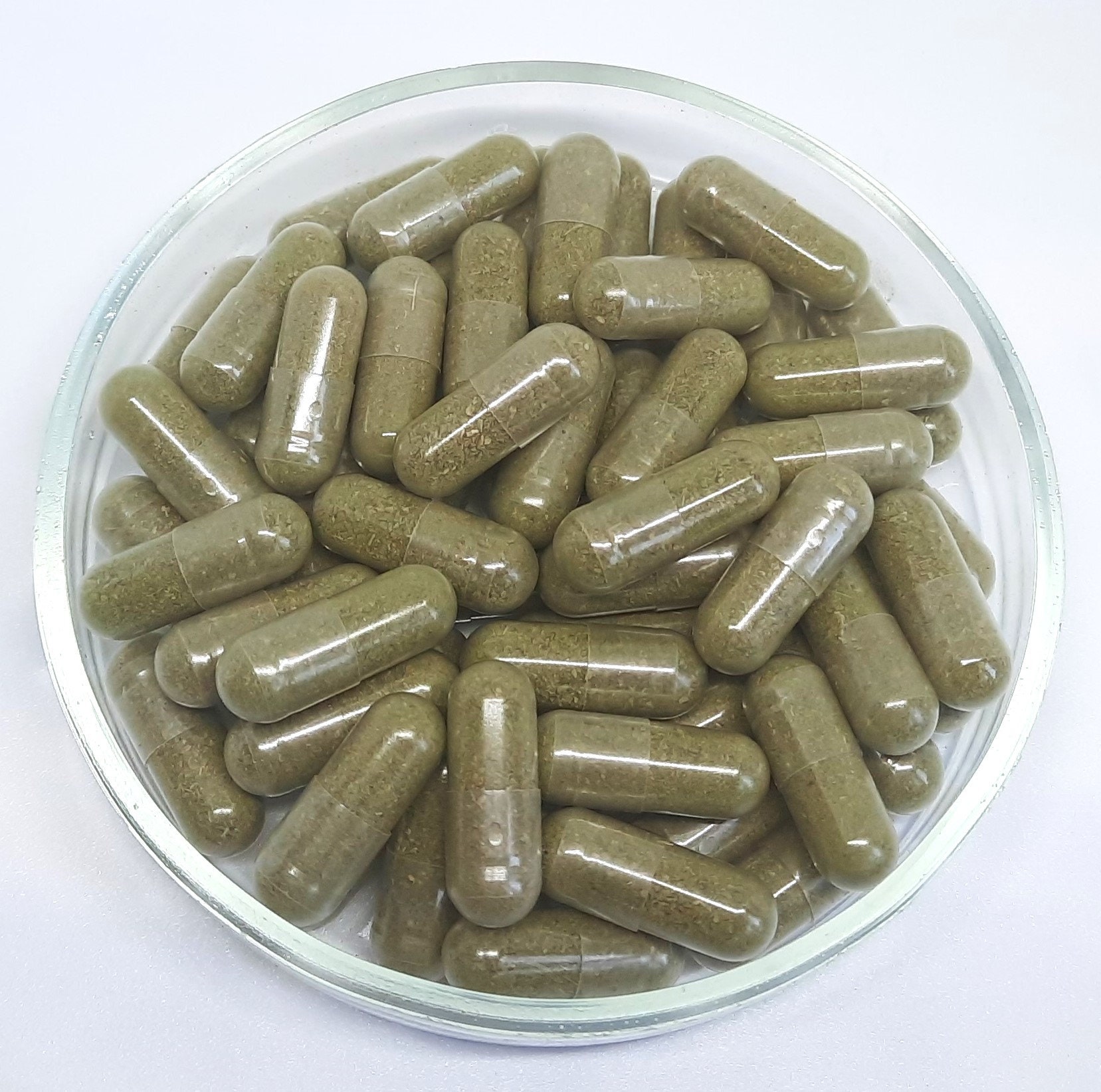
In modern herbalism, standardized extracts of Forget Me Not are increasingly available in capsule or tablet form. These supplements offer a convenient and consistent way to consume the herb, especially for those seeking its systemic benefits without the need for preparation. Capsules ensure accurate dosing and are often formulated to contain specific concentrations of active compounds. When choosing encapsulated supplements, it is crucial to select products from reputable brands that prioritize quality, purity, and transparency in their sourcing and manufacturing processes.
Dosage, Safety, and Considerations
While Forget Me Not herb is generally considered safe for most individuals when used appropriately, it is always prudent to approach herbal remedies with an informed perspective. Dosage can vary significantly based on the form of the herb (tea, tincture, capsule), the concentration of active compounds, and individual factors such as age, health status, and specific health goals.
For **herbal tea/infusion**, a common recommendation is to consume 1-3 cups per day, using 1-2 teaspoons of dried herb per cup. **Tinctures** typically involve 20-60 drops (or as directed by the product label), 1-3 times daily. **Capsules** should always follow the manufacturer’s suggested dosage, which usually ranges from 500mg to 1500mg daily, depending on the extract strength. For topical applications, preparations can be applied as needed.
Regarding **safety**, Forget Me Not is generally well-tolerated. However, individuals with known allergies to plants in the Boraginaceae family should exercise caution. As mentioned, while some related plants contain pyrrolizidine alkaloids (PAs) that are toxic to the liver, Myosotis species commonly used for medicinal purposes are considered to contain negligible amounts or none, especially in the aerial parts. Nevertheless, long-term, excessive consumption of any herb is generally not recommended without professional guidance.
Contraindications and Interactions: Pregnant and breastfeeding women should consult a healthcare professional before using Forget Me Not herb, as its effects on these populations have not been thoroughly studied. Individuals on medication, particularly those affecting blood clotting, blood pressure, or diuretics, should also seek medical advice to avoid potential interactions. Always begin with a small dose to assess individual sensitivity and monitor for any adverse reactions.
Sourcing and Quality: To ensure safety and efficacy, it is paramount to source Forget Me Not herb from reputable suppliers who provide organically grown or sustainably wild-harvested material. This minimizes exposure to pesticides and ensures the purity of the herb. When purchasing supplements, look for third-party tested products that provide transparent information about their ingredients and manufacturing processes.

Cultivating Your Own Forget Me Not Herb
For those interested in a direct and reliable source, cultivating Forget Me Not in a home garden is a delightful and practical option. These plants are relatively easy to grow and can self-seed readily, creating charming patches of blue flowers. They prefer moist, well-drained soil and partial shade, mimicking their natural woodland habitats. Seeds can be sown directly in the garden in spring or autumn. Growing your own ensures you have access to fresh, uncontaminated plant material for teas, tinctures, or topical preparations, fostering a deeper connection with this beneficial herb.
Conclusion
The delicate Forget Me Not herb, often cherished solely for its symbolic beauty, reveals itself upon closer examination to be a subtly potent natural remedy. With a historical lineage rooted in traditional European folk medicine and a modern understanding illuminated by phytochemical research, its capacity to provide antioxidant protection, reduce inflammation, soothe skin ailments, and support respiratory and urinary health is increasingly evident. From soothing infusions to concentrated extracts and topical applications, Forget Me Not offers versatile avenues for integrating its benefits into a holistic wellness regimen. As with all herbal medicines, informed usage and consultation with healthcare professionals are key to harnessing its full potential safely and effectively. This exploration into the profound health benefits of Forget Me Not herb underscores the enduring wisdom of nature and encourages a renewed appreciation for the intricate power held within even the most unassuming of plants.
Disclaimer: For informational purposes only. Not medical advice. Consult a qualified healthcare professional before use.