
The Comprehensive Guide to Lungwort Herb: Nature’s Premier Respiratory Restorative
Lungwort, known scientifically as Pulmonaria officinalis, is a perennial herb that has occupied a central place in European herbalism for centuries. Belonging to the Boraginaceae family, this plant is easily recognized by its distinctive white-spotted green leaves and its ability to change the color of its flowers from pink to blue as they age. However, its value extends far beyond its aesthetic appeal in woodland gardens. The name “Lungwort” itself is a testament to its long-standing reputation as a therapeutic agent for respiratory ailments. Derived from the Latin “pulmo” (lung), the plant’s appearance—resembling the mottled surface of a human lung—led early herbalists to believe, via the “Doctrine of Signatures,” that it was divinely intended to treat pulmonary conditions. Modern science has since validated many of these traditional uses, uncovering a complex profile of bioactive compounds that support not only the respiratory system but also the skin, digestive tract, and overall cellular health.
In this exhaustive exploration, we will delve into the botanical intricacies, chemical makeup, and multifaceted health benefits of Lungwort. From its historical roots in medieval monasteries to its contemporary applications in concentrated extracts and capsules, this guide provides a definitive overview for those seeking to understand how this ancient botanical can support modern wellness. We will analyze the specific mechanisms of action through which Lungwort exerts its effects, providing a deep-dive into why it remains one of the most respected herbs in the natural pharmacopeia.
Botanical Characteristics and Taxonomy
Lungwort is native to the deciduous forests of Europe and Western Asia, where it thrives in damp, shaded environments rich in humus. As a perennial, it survives the winter through a hardy rhizome system, emerging early in the spring as one of the first nectar sources for pollinators. The plant typically reaches a height of 10 to 12 inches. Its most striking feature is its foliage; the basal leaves are ovate-cordate, covered in bristly hairs, and marked with irregular silvery-white spots. These spots are actually air pockets that reflect light, giving the plant its unique appearance. The flowers are funnel-shaped and grow in terminal cymes, famously transitioning from a reddish-pink hue to a deep violet-blue as the pH within the petals changes during the maturation process.

From a botanical perspective, the resilience of Pulmonaria officinalis is noteworthy. It has adapted to survive in low-light conditions, utilizing its large leaf surface area to maximize photosynthesis. In herbal medicine, both the leaves and the flowering tops are harvested for their therapeutic properties. Understanding the botanical context is essential because the quality of the herb is often dependent on the specific subspecies and the environment in which it was grown. Wildcrafted Lungwort from unpolluted forest floors is often considered superior due to the absence of synthetic pesticides and the presence of naturally occurring soil minerals that the plant absorbs and concentrates within its tissues.
The Complex Chemical Profile of Lungwort
The efficacy of Lungwort is not the result of a single “miracle” ingredient but rather a synergistic combination of various secondary metabolites. Analyzing the chemical composition of Pulmonaria officinalis reveals a rich array of bioactive compounds that explain its diverse physiological effects. One of the most significant components is mucilage. These complex polysaccharides have a slippery, gel-like consistency when hydrated, allowing them to coat and soothe inflamed mucous membranes. This demulcent action is the primary reason Lungwort is so effective at calming dry, hacking coughs and reducing irritation in the throat and bronchial tubes.
Beyond mucilages, Lungwort contains high concentrations of tannins. Tannins are polyphenolic compounds known for their astringent properties. They help to “shrink” or contract body tissues, which is particularly useful in reducing secretions and toning the lining of the respiratory tract. Furthermore, the herb is a potent source of flavonoids and phenolic acids, including rosmarinic acid. Rosmarinic acid is a well-studied compound with significant antioxidant and anti-inflammatory activities. It works by inhibiting the production of pro-inflammatory leukotrienes and prostaglandins, thereby reducing systemic inflammation. Lungwort also contains saponins, which act as natural expectorants by thinning mucus and making it easier to expel from the lungs.
One of the more unique aspects of Lungwort’s chemistry is its mineral content, specifically its high level of soluble silica. Silica is essential for the health of connective tissues, including those found in the lungs and skin. It aids in the repair of damaged alveolar walls and supports the structural integrity of the respiratory system. Additionally, Lungwort contains allantoin, a compound famous for its ability to stimulate cell proliferation and accelerate wound healing. While allantoin is more commonly associated with Comfrey (another member of the Boraginaceae family), its presence in Lungwort contributes to the herb’s ability to repair irritated internal linings and external skin lesions alike.
Primary Health Benefits: A Respiratory Powerhouse
The most celebrated use of Lungwort is its role in supporting respiratory health. In an era where air pollution, allergens, and respiratory viruses are prevalent, Lungwort offers a multi-faceted approach to pulmonary care. Its mechanism of action is threefold: it acts as a demulcent, an expectorant, and an anti-inflammatory. When a person suffers from bronchitis or a persistent cough, the bronchial tubes are often inflamed and clogged with thick, stubborn mucus. The saponins in Lungwort help to break down this mucus, while the mucilages provide a protective layer that prevents further irritation from dry air or environmental triggers.
For individuals dealing with chronic conditions like asthma or COPD (Chronic Obstructive Pulmonary Disease), Lungwort may offer supportive relief. While it is not a replacement for emergency inhalers, its long-term use can help maintain clearer airways and reduce the frequency of inflammatory “flare-ups.” The antioxidant properties of the plant also play a crucial role here. Respiratory tissues are highly susceptible to oxidative stress caused by inhaled toxins. By neutralizing free radicals, the phenolic compounds in Lungwort help protect the delicate lung parenchyma from long-term damage, potentially slowing the progression of degenerative lung conditions.
Traditional Uses and the Value of the Dried Herb
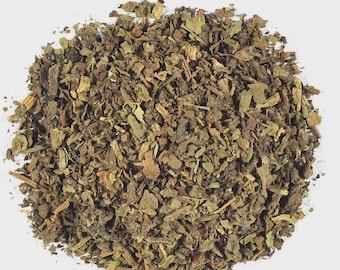
Historically, Lungwort was a staple in the “physic gardens” of the Middle Ages. It was frequently brewed into strong teas or decoctions to treat what was then called “consumption” (tuberculosis) and other wasting diseases of the chest. The traditional preparation involved drying the leaves slowly in the shade to preserve the delicate volatile oils and active constituents. Dried Lungwort remains a popular choice for herbalists today because it allows for the slow extraction of minerals and mucilages through hot water infusions. A tea made from the dried herb provides a direct, soothing application to the throat and upper respiratory tract, making it an ideal remedy for laryngitis and sore throats.
Beyond respiratory issues, traditional medicine utilized Lungwort for digestive complaints and wound healing. The astringent tannins in the herb made it a reliable treatment for diarrhea and hemorrhoids, as it helped to tighten the intestinal lining and reduce fluid loss. Externally, poultices made from the rehydrated dried leaves were applied to cuts, burns, and ulcers. The presence of allantoin and silica helped to speed up the closure of wounds while preventing infection through the herb’s mild antimicrobial properties. This holistic approach—treating the body both internally and externally—highlights the versatility of Lungwort as a comprehensive healing agent.
Modern Applications: The Rise of Lungwort Capsules
In the modern wellness landscape, convenience and standardized dosing are paramount. This has led to the popularity of Lungwort capsules and concentrated extracts. For many, the earthy, slightly bitter taste of Lungwort tea is a barrier to consistent use. Capsules provide a tasteless alternative that delivers a concentrated dose of the herb’s active compounds. Furthermore, high-quality supplements are often standardized to contain specific levels of polyphenols or are manufactured using “full-spectrum” extraction methods that ensure the ratio of active ingredients remains consistent with the original plant material.

Capsules are particularly beneficial for those using Lungwort for systemic benefits, such as supporting skin health or reducing systemic inflammation. When taken orally in capsule form, the antioxidants are absorbed into the bloodstream, where they can exert their protective effects on a cellular level throughout the body. For smokers or those living in highly polluted urban areas, a daily Lungwort supplement can serve as a “lung tonic,” providing ongoing support against the daily onslaught of environmental oxidative stress. It is important, however, for consumers to choose products that are certified to be free of pyrrolizidine alkaloids (PAs). While Pulmonaria officinalis is generally considered safe and low in these compounds compared to its cousins like Comfrey, reputable manufacturers perform rigorous testing to ensure their extracts are PA-free to prevent any risk of liver toxicity with long-term use.
Secondary Benefits: Skin, Digestion, and Detoxification
While the lungs are the primary target, the benefits of Lungwort extend into other physiological systems. Its impact on skin health is often overlooked. Thanks to the combination of silica and allantoin, Lungwort supports the production of collagen and the repair of skin tissues. It can be used as a facial steam or a wash to help clear up eczema, acne, and minor skin irritations. The antioxidant profile also helps combat the signs of aging by protecting the skin from UV-induced damage and promoting a more resilient skin barrier.
In terms of detoxification, Lungwort acts as a mild diuretic. By increasing the production of urine, it helps the kidneys flush out metabolic waste products and excess sodium. This can be helpful for individuals dealing with mild fluid retention or those looking to support their body’s natural detox pathways. Furthermore, its soothing effect on the digestive tract helps to alleviate inflammation in the gut, making it a useful adjunct for those with sensitive stomachs or inflammatory bowel tendencies. The herb’s ability to modulate inflammation is truly systemic, making it more than just a “lung herb” but rather a “whole-body” restorative.
Dosage, Preparation, and Safety Guidelines
To achieve the best results with Lungwort, proper preparation and dosage are key. For those using the dried herb, a standard infusion consists of 1 to 2 teaspoons of dried leaves steeped in 8 ounces of boiling water for 10 to 15 minutes. Drinking this two to three times daily is typically recommended for acute respiratory issues. If using a tincture, a common dose is 2-4 ml taken three times per day. For capsules, it is essential to follow the manufacturer’s instructions, as concentrations can vary, but a typical dose ranges from 400mg to 1000mg per day.

Safety is a priority when incorporating any new herb into a wellness routine. Lungwort is generally well-tolerated by most adults. However, pregnant and breastfeeding women should avoid its use due to a lack of sufficient safety data in these populations. Individuals with existing liver conditions should also exercise caution and ensure they are using PA-free products. As with any supplement that affects the respiratory system, those with severe asthma or chronic disease should consult with a healthcare professional to ensure there are no contraindications with their current medications. When sourced responsibly and used correctly, Lungwort remains one of the safest and most effective botanical tools for maintaining respiratory vitality.
Conclusion: The Enduring Legacy of Lungwort
Lungwort Herb stands as a bridge between ancient herbal wisdom and modern pharmacological understanding. Its transition from a “Doctrine of Signatures” curiosity to a scientifically backed respiratory aid highlights the enduring value of botanical medicine. Whether utilized as a soothing tea to calm a winter cough or taken as a daily capsule to protect against environmental toxins, Lungwort offers a gentle yet powerful way to support the body’s most vital functions. Its rich chemical profile, featuring mucilages, tannins, and antioxidants like rosmarinic acid, ensures that it will remain a cornerstone of herbal therapy for generations to come. By incorporating this remarkable plant into a holistic health strategy, individuals can take a proactive step toward clearer breathing and enhanced systemic resilience.
Disclaimer: For informational purposes only. Not medical advice. Consult a qualified healthcare professional before use.