The Definitive Guide to St. John’s Wort: Nature’s Potent Neuro-Supportive Botanical
For centuries, Hypericum perforatum, commonly known as St. John’s wort, has occupied a central position in the pharmacopeia of traditional European medicine. Once shrouded in the folklore of the Middle Ages, where it was believed to ward off evil spirits and protect against “melancholia,” this resilient perennial herb has transitioned into one of the most rigorously researched botanical supplements in modern science. Today, it is recognized globally not merely as a weed of the wayside, but as a sophisticated complex of bioactive compounds capable of modulating the human nervous system with an efficacy that often rivals synthetic pharmaceuticals for specific conditions.
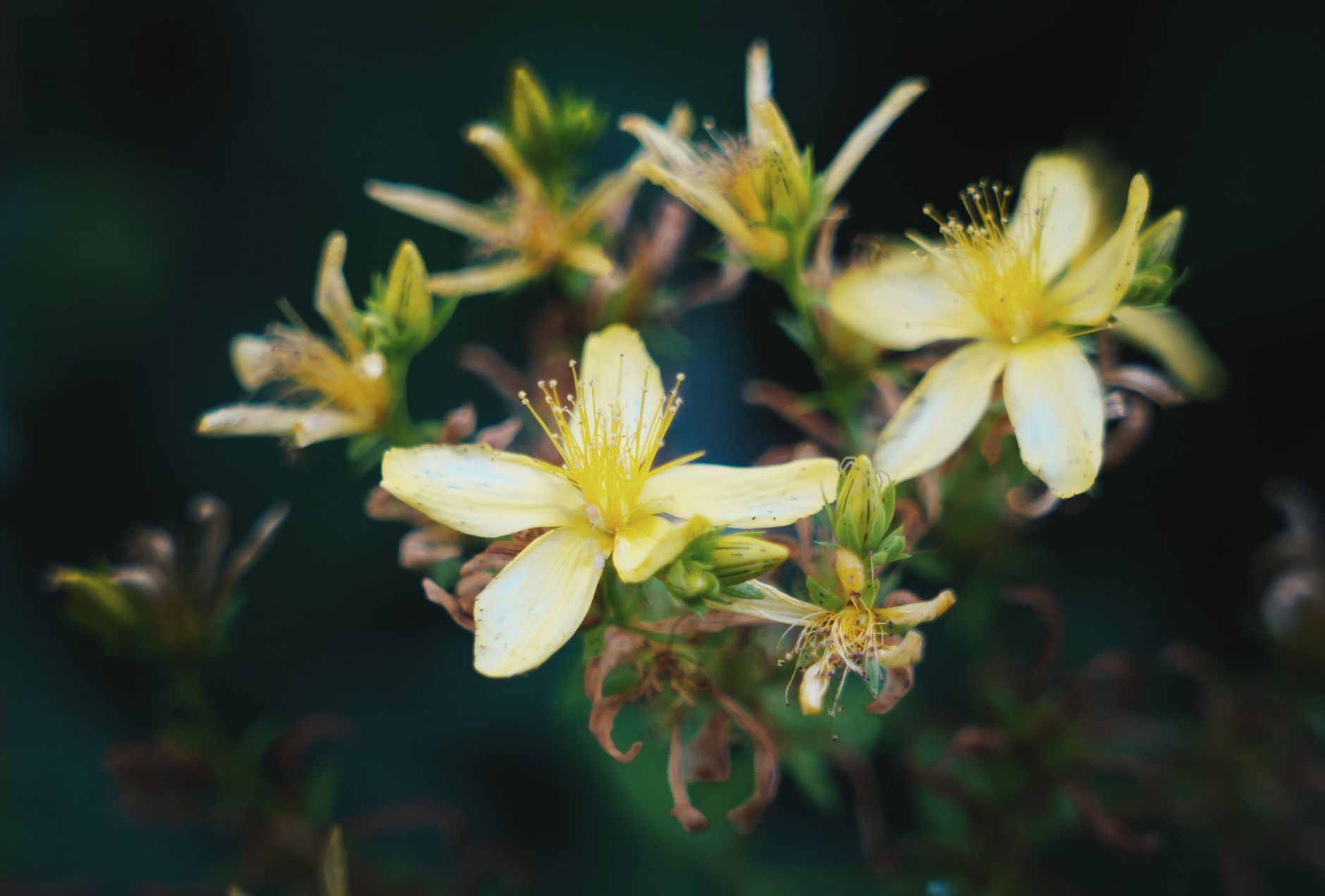
St. John’s wort is characterized by its vibrant yellow, five-petaled flowers and its unique leaves, which appear to be perforated when held up to the light—hence the botanical name “perforatum.” These tiny “holes” are actually translucent glandular structures containing essential oils and pigments that house the plant’s medicinal potency. As we delve into the comprehensive profile of this plant, we find a bridge between ancient herbalism and clinical psychiatry, offering a multi-faceted approach to mental health, inflammatory response, and dermatological healing.
Botanical Characteristics and Ecological Distribution
St. John’s wort is a member of the Hypericaceae family and is native to Europe, though it has naturalized in temperate regions throughout Asia, Africa, and the Americas. It thrives in sunny, well-drained soil, often appearing in meadows and along roadsides. The plant typically reaches a height of one to three feet. Its most distinctive feature is the cyme of yellow flowers that bloom most intensely around late June—coinciding with the feast of St. John the Baptist on June 24th, which is where the plant derives its common name. When the buds or flowers are crushed, they release a deep reddish-purple liquid, a phenomenon caused by the presence of hypericin.
The plant’s morphological complexity is a reflection of its chemical diversity. The stems are woody at the base and branched at the top, supporting sessile, oblong leaves. The “perforations” in these leaves are actually secretory pockets containing the plant’s primary secondary metabolites. Understanding these botanical nuances is essential for quality control in the herbal industry, as the concentration of active ingredients fluctuates significantly based on the plant’s maturity, the specific parts harvested, and the geographical location of cultivation.

Phytochemistry: The Bioactive Architecture of Hypericum
The therapeutic efficacy of St. John’s wort is not attributed to a single “magic bullet” molecule, but rather to a synergistic interplay of several classes of compounds. The most prominent among these are the naphthodianthrones (primarily hypericin and pseudohypericin) and the phloroglucinol derivatives (specifically hyperforin and adhyperforin). For many years, hypericin was considered the primary antidepressant agent, and most standardized extracts are still calibrated to contain 0.3% hypericin. However, contemporary research has shifted its focus toward hyperforin as the major player in neurotransmitter modulation.
Beyond these two giants, St. John’s wort contains a rich array of flavonoids, including quercetin, rutin, luteolin, and kaempferol. These flavonoids contribute significantly to the plant’s antioxidant and anti-inflammatory properties. Furthermore, the presence of xanthones and essential oils provides a broad spectrum of biological activity, ranging from antimicrobial effects to the inhibition of enzymes like monoamine oxidase (MAO) in vitro, although the clinical significance of MAO inhibition at standard oral doses remains a subject of ongoing debate.

The Mechanism of Action: Rebalancing the Neurochemistry
To understand how St. John’s wort treats mild-to-moderate depression, one must look at how hyperforin interacts with the neuronal membrane. Unlike traditional Selective Serotonin Reuptake Inhibitors (SSRIs) that primarily target the serotonin transporter (SERT), hyperforin appears to inhibit the reuptake of multiple neurotransmitters, including serotonin, norepinephrine, dopamine, gamma-aminobutyric acid (GABA), and glutamate. It achieves this by increasing the intracellular concentration of sodium ions, which in turn inhibits the transporters responsible for clearing these neurotransmitters from the synaptic cleft.
This “broad-spectrum” approach to neurotransmitter modulation is unique in the world of psychopharmacology. By keeping these mood-regulating chemicals available in the brain for longer periods, St. John’s wort helps to alleviate the symptoms of lethargy, hopelessness, and anxiety associated with depressive disorders. Additionally, chronic administration of Hypericum extracts has been shown to down-regulate beta-adrenergic receptors and up-regulate serotonin receptors in the frontal cortex, suggesting a long-term neuroplastic effect similar to that of conventional antidepressant medications.
Clinical Efficacy in Mood Disorders and Anxiety
The use of St. John’s wort in the treatment of depression is supported by a substantial body of clinical evidence, including numerous meta-analyses published by the Cochrane Collaboration. These studies consistently demonstrate that standardized extracts of St. John’s wort are more effective than placebos and are as effective as standard antidepressants (such as fluoxetine or sertraline) for mild-to-moderate major depression. Crucially, the herbal extract is often associated with significantly fewer side effects—such as nausea, sexual dysfunction, and fatigue—than its synthetic counterparts.
Beyond clinical depression, St. John’s wort is frequently utilized for Somatoform Disorders and Anxiety. In patients who experience physical symptoms caused by emotional distress, the herb acts as a calming agent that stabilizes the autonomic nervous system. It is particularly valued in Europe as a first-line treatment for “burnout” and seasonal affective disorder (SAD), where its ability to modulate the circadian rhythm and interact with melatonin pathways provides a distinct advantage during the darker winter months.
Traditional Preparations and the Role of the Dried Herb
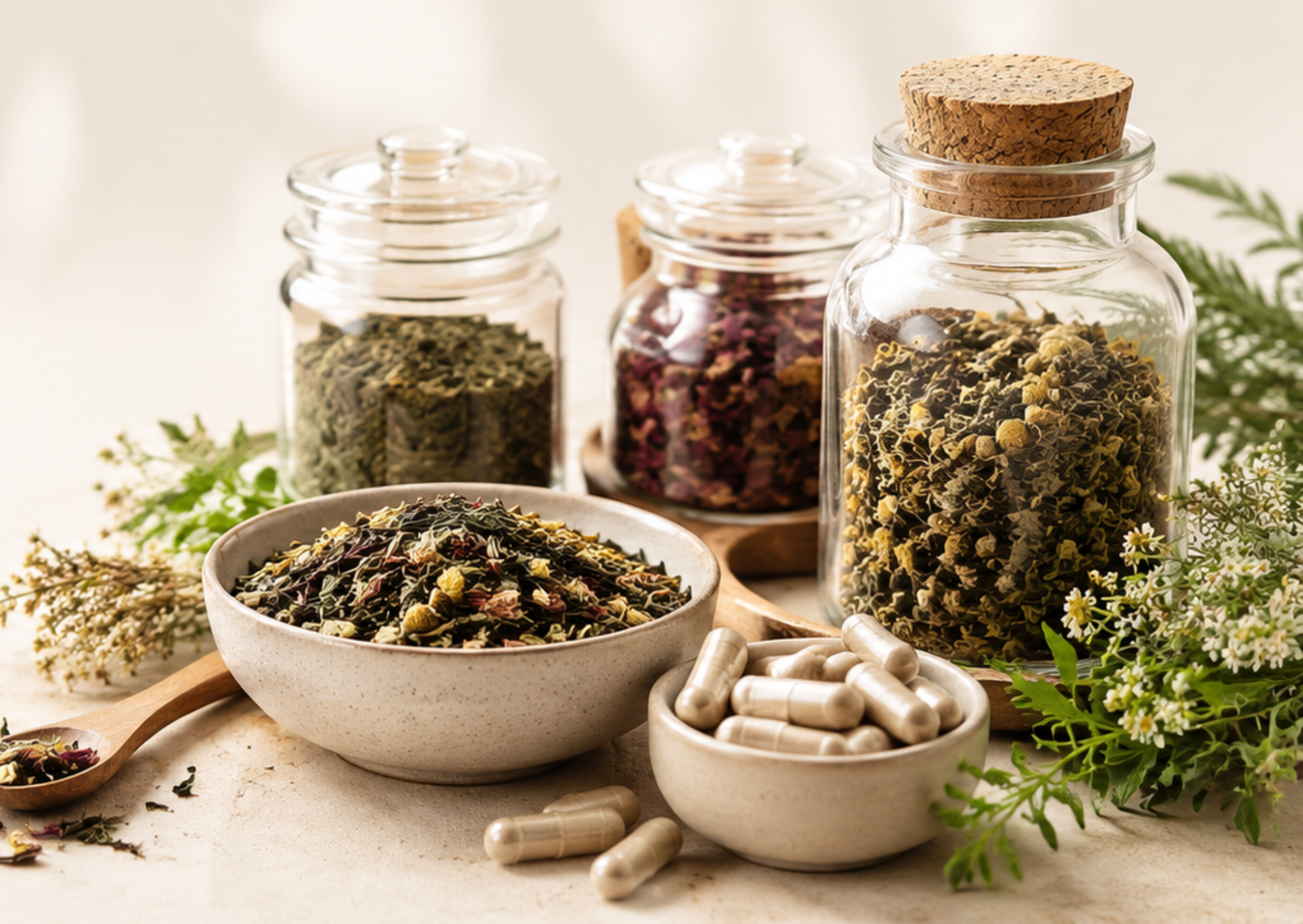
While modern medicine favors the standardized extract, traditional herbalism continues to value the whole-plant approach. Historically, the leaves and flowers of St. John’s wort were dried and prepared as infusions or decoctions. A tea made from the dried herb offers a gentler concentration of bioactive compounds, often used for digestive complaints or as a mild evening tonic. In traditional folk medicine, the dried herb was also steeped in carrier oils—such as olive oil—and placed in the sun to infuse. This process produces a vibrant red oil, known as “St. John’s Oil,” which is prized for its topical healing properties.
The traditional use of the dried herb highlights the importance of harvesting at the peak of the flowering cycle. When the plant is dried correctly, it retains its flavonoid content, providing a source of antioxidants that support general systemic health. While an infusion may not provide the precise hyperforin dosage required for clinical depression, it serves as a valuable tool in holistic wellness for managing temporary stress and promoting metabolic health.

Women’s Health: Menopause and Hormonal Equilibrium
Recent studies have highlighted the profound benefits of St. John’s wort for women transitioning through perimenopause and menopause. The decline in estrogen during this period often leads to vasomotor symptoms (hot flashes), sleep disturbances, and mood swings. St. John’s wort, especially when combined with Black Cohosh (Cimicifuga racemosa), has been shown to significantly reduce the frequency and severity of hot flashes. This is likely due to the herb’s influence on the hypothalamus, the brain’s temperature-regulating center, as well as its general mood-stabilizing effects.
Furthermore, the herb’s impact on GABAergic pathways makes it an effective natural intervention for Premenstrual Syndrome (PMS). Women who suffer from irritability, breast tenderness, and food cravings during the luteal phase of their cycle may find that St. John’s wort helps to smooth out these hormonal fluctuations. By supporting the liver’s detoxification pathways and modulating neurotransmitter levels, it provides a comprehensive approach to hormonal health that avoids the systemic risks associated with synthetic hormone replacement therapy.
Dermatological and Wound Healing Applications
While St. John’s wort is most famous for its internal effects on the brain, its external applications are equally impressive. Hyperforin possesses potent antibacterial properties, specifically against Staphylococcus aureus and other gram-positive bacteria. This makes St. John’s wort extracts highly effective in treating minor burns, wounds, and skin abrasions. The hypericin content stimulates the growth of fibroblasts and the production of collagen, accelerating the skin’s regenerative process and reducing the likelihood of scar formation.
The anti-inflammatory action of the herb also makes it useful for chronic skin conditions such as eczema and psoriasis. Topical creams containing St. John’s wort can soothe the redness and itching associated with these conditions. Additionally, the herb has been traditionally used to treat nerve pain, such as sciatica or shingles (herpes zoster), due to its affinity for the nervous system. When applied topically, it can help dull the “firing” of peripheral nerves, providing localized relief from neuropathic discomfort.
Modern Supplementation: The Convenience of Capsules
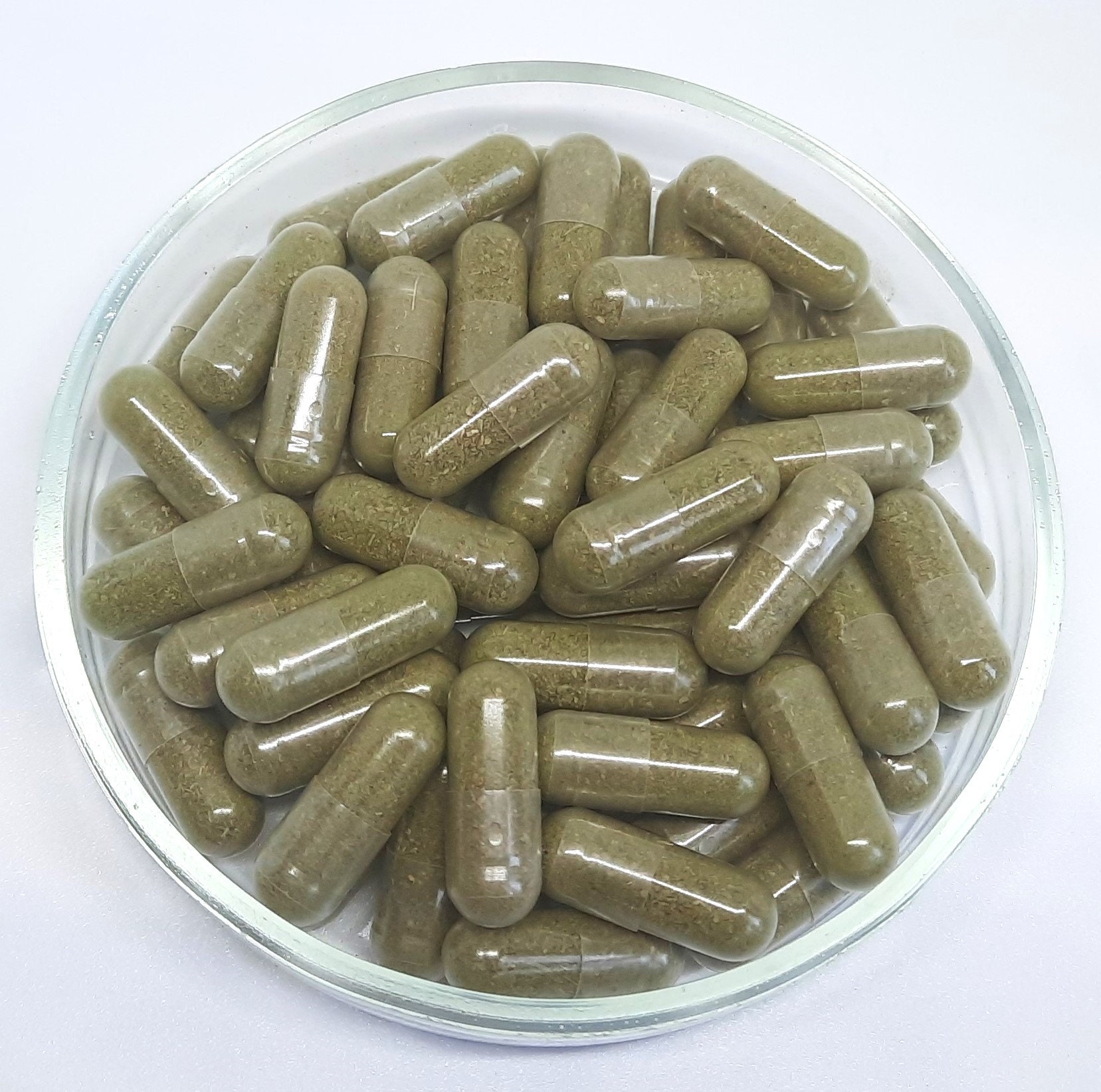
In the modern clinical setting, capsules and tablets are the preferred delivery method for St. John’s wort. This is primarily because the key active ingredient, hyperforin, is notoriously unstable when exposed to light and oxygen. High-quality capsules are manufactured using specialized extraction processes that stabilize these delicate molecules, ensuring that the consumer receives a consistent therapeutic dose. Standardized extracts allow for precise control over the concentration of hypericin and hyperforin, which is vital for achieving the results seen in clinical trials.
For those seeking to address mood disorders, the typical dosage used in studies ranges from 300mg to 900mg of standardized extract per day, often divided into three doses. Using capsules also minimizes the risk of the “staining” associated with the plant’s red pigments and provides a convenient way to integrate the herb into a busy lifestyle. When selecting a supplement, it is crucial to choose brands that utilize “standardized” labels to guarantee the presence of the necessary bioactive fractions.
Safety, Side Effects, and Critical Drug Interactions
Despite its natural origin, St. John’s wort is a pharmacologically active substance that requires careful administration. The most common side effects are mild and include gastrointestinal upset, dry mouth, and dizziness. A unique side effect of St. John’s wort is photosensitivity; because hypericin can react with UV light in the skin, individuals taking high doses should avoid excessive sun exposure or use high-SPF sunscreen to prevent rashes or burns.
The most critical concern with St. John’s wort is its potential for drug interactions. The herb is a potent inducer of the Cytochrome P450 enzyme system (specifically CYP3A4) in the liver and the P-glycoprotein drug transporter. This means it can accelerate the metabolism of many prescription medications, effectively lowering their concentration in the bloodstream to sub-therapeutic levels. Notable interactions include:
- Oral Contraceptives: May lead to breakthrough bleeding or unplanned pregnancy.
- Warfarin and Anticoagulants: May reduce the blood-thinning effect, increasing the risk of clots.
- Cyclosporine: Used in transplant patients; levels may drop dangerously low.
- HIV Medications: Including protease inhibitors.
- Antidepressants (SSRIs/MAOIs): Combining these with St. John’s wort can lead to “Serotonin Syndrome,” a potentially life-threatening condition caused by excessive serotonin levels.
Practical Usage Summary and Dosage Guidelines
Integrating St. John’s wort into a health regimen should be done with intention and consistency. Because the herb works by modulating receptor sensitivity and neurotransmitter levels over time, it typically takes two to four weeks of daily use before the full therapeutic effects on mood are felt. It is not a “rescue” medication for acute anxiety but rather a long-term tonic for the emotional landscape. For general wellness and mild stress, lower doses or occasional tea consumption may be sufficient.
Always consult with a healthcare professional before beginning a regimen, particularly if you are already taking medication. A qualified herbalist or integrative doctor can help determine the correct dosage based on the specific concentration of the extract being used. As a rule of thumb, look for products that specify “0.3% hypericin” or “3-5% hyperforin” on the label to ensure pharmacological activity. Monitoring your body’s response and maintaining a consistent schedule is the key to unlocking the herb’s potential.
Conclusion: The Future of Hypericum in Integrative Medicine
St. John’s wort stands as a testament to the power of botanical medicine. It is one of the few herbs that has successfully navigated the transition from ancient folklore to the rigorous scrutiny of modern clinical trials. Its ability to provide relief for depression and anxiety with a superior side-effect profile makes it an invaluable tool in the mental health toolkit. As our understanding of the “gut-brain axis” and the role of neuroinflammation in mood disorders grows, it is likely that St. John’s wort will reveal even more layers of therapeutic potential.
Whether used as a standardized capsule for clinical depression, a soothing tea for daily stress, or a red-infused oil for healing wounds, Hypericum perforatum offers a holistic path to wellbeing. By respecting its potency, understanding its chemistry, and being mindful of its interactions, we can harness this “sunshine herb” to bring balance and light back into the lives of those struggling with the shadows of the mind.
Disclaimer: For informational purposes only. Not medical advice. Consult a qualified healthcare professional before use.