The Complete Guide to Lady’s Mantle: Health Benefits, Phytochemistry, and Therapeutic Applications
Lady’s Mantle, scientifically known as Alchemilla vulgaris, is a perennial herb that has occupied a place of profound respect in European herbalism for centuries. Often referred to as the “woman’s herb,” its name is derived from the Arabic word “Alkemelych” (alchemy), a testament to the belief held by ancient alchemists that the dew drops collected in its pleated, funnel-like leaves possessed magical properties. In modern herbal medicine, this plant is revered not for magic, but for its potent astringent, anti-inflammatory, and cardioprotective properties. This exhaustive guide explores the multifaceted nature of Lady’s Mantle, providing a deep dive into its botanical profile, chemical complexity, and therapeutic efficacy.
Botanical Profile and Ecological Significance
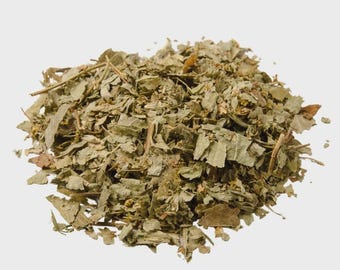
Alchemilla vulgaris belongs to the Rosaceae family. It is native to the temperate and subarctic regions of Europe and Asia, though it has naturalized in parts of North America. The plant is characterized by its unique morphology: circular, lobed, and serrated leaves that are covered in fine, silky hairs. These hairs allow the plant to exhibit a phenomenon known as guttation, where water droplets are secreted from the edges of the leaves, and the “Lotus effect,” which causes dew to bead into shimmering pearls at the leaf’s center.
The plant typically grows in meadows, pastures, and along the edges of forests, thriving in moist, nutrient-rich soils. Its flowers are small, yellow-green, and lack petals, appearing in dense clusters from late spring through summer. Understanding the botanical structure of Lady’s Mantle is essential for practitioners, as the leaves and flowering tops contain the highest concentration of bioactive compounds. The physical structure of the leaf—resembling a pleated cloak—gave rise to its common name “Lady’s Mantle,” associating it historically with the Virgin Mary’s cloak and its perceived protective qualities for women.

Deep Dive into Phytochemical Composition
The therapeutic efficacy of Lady’s Mantle is a direct result of its complex chemical architecture. The primary bioactive constituents are tannins, specifically ellagitannins and gallotannins. These compounds range from 6% to 8% of the plant’s dry weight. One of the most significant tannins found in Alchemilla is agrimoniin, a large polyphenolic molecule known for its potent antioxidant and anti-tumor potential. Tannins are responsible for the plant’s strong astringent action, which allows it to shrink and contract body tissues, effectively stopping bleeding and reducing inflammation.
Beyond tannins, Lady’s Mantle is rich in flavonoids such as quercetin, kaempferol, and luteolin. These flavonoids provide significant antioxidant protection by neutralizing free radicals and inhibiting oxidative stress within the cellular environment. Additionally, the plant contains salicylic acid, a precursor to aspirin, which contributes to its analgesic and anti-inflammatory effects. Other notable compounds include palmitic and stearic acids, phytosterols, and various mineral salts. The synergy of these compounds makes Lady’s Mantle a versatile remedy capable of addressing both systemic and localized health concerns.

Historical Context and Traditional Medicine
The history of Lady’s Mantle is steeped in folklore and traditional healing practices across Europe. In the Middle Ages, it was a staple in the “physic gardens” of monasteries. Traditional healers utilized the herb to treat a wide array of conditions, ranging from traumatic wounds on the battlefield to digestive distress. Its reputation as a “vulnerary” (a wound-healing agent) was so great that it was believed to be able to “knit” together torn tissues, whether they were external cuts or internal ruptures.
In various folk traditions, Lady’s Mantle was also used to restore “lost beauty” and promote youthfulness. This was likely due to its astringent effect on the skin, which tightens pores and improves skin texture. Furthermore, in Slavic and Germanic folklore, the plant was often associated with fertility and the protection of expectant mothers. It was common practice to place the dried herb under a pillow to ensure a peaceful sleep or to carry a pouch of the dried leaves to ward off illness during the winter months.
Gynaecological Health: The Women’s Herb
Perhaps the most celebrated application of Lady’s Mantle is in the realm of female reproductive health. Its astringent and tonic properties make it an exceptional remedy for menorrhagia (excessive menstrual bleeding) and metrorrhagia (intermenstrual bleeding). By tightening the uterine tissues and exerting a mild progestogenic effect, it helps to regulate the menstrual cycle and reduce the physical toll of heavy periods. The salicylic acid content also aids in alleviating the pain associated with dysmenorrhea (menstrual cramps).
For women entering menopause, Lady’s Mantle offers relief from hot flashes and night sweats. Its ability to balance hormonal fluctuations naturally, without the side effects often associated with synthetic hormone replacement therapy, makes it a preferred choice in holistic gynaecology. Furthermore, postpartum recovery is another area where this herb shines; sitz baths containing Lady’s Mantle infusions can accelerate the healing of perineal tears and help the uterus return to its pre-pregnancy size more efficiently. It is also historically noted for its role in addressing leucorrhea (vaginal discharge) and promoting overall vaginal health through its antimicrobial and anti-inflammatory actions.
Digestive and Metabolic Support
While Lady’s Mantle is primarily known for gynaecology, its benefits extend deeply into the digestive system. The high tannin content provides a powerful remedy for acute diarrhea. Tannins work by precipitating proteins on the surface of the intestinal mucosa, creating a protective layer that limits the secretion of fluids and calms irritation. This action also makes it useful for treating inflammatory bowel conditions where the integrity of the gut lining is compromised.
Research has also suggested that Lady’s Mantle may have a role in weight management and metabolic health. Some studies indicate that Alchemilla extracts can inhibit the activity of certain enzymes involved in fat absorption and carbohydrate metabolism. By modulating these pathways, the herb may help in maintaining healthy blood sugar levels and preventing the accumulation of adipose tissue. Additionally, its bitter principles stimulate the production of bile and digestive enzymes, improving nutrient absorption and detoxification processes in the liver.
Dermatological Applications and Wound Healing
The skin is another organ that benefits significantly from Alchemilla vulgaris. Its ability to promote collagen synthesis and inhibit elastase (the enzyme that breaks down elastin) makes it a potent anti-aging ingredient in natural skincare. When applied topically as a compress or integrated into creams, it helps to firm the skin, reduce the appearance of fine lines, and soothe inflammatory skin conditions like eczema and acne.
As a wound healer, Lady’s Mantle accelerates the transition from the inflammatory phase to the proliferative phase of healing. Its antimicrobial properties prevent secondary infections in minor cuts and abrasions, while its astringency stops localized capillary bleeding. For oral health, a decoction of Lady’s Mantle used as a mouthwash can treat bleeding gums, mouth ulcers (aphthous ulcers), and sore throats, providing both symptomatic relief and structural support to the delicate mucous membranes of the mouth.
Modern Usage: Capsules and Supplements
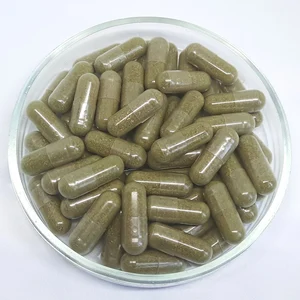
In the modern era, Lady’s Mantle is available in various convenient forms, including standardized extracts, tinctures, and capsules. For individuals who find the bitter, astringent taste of the tea unpalatable, capsules provide a precise and easy way to consume the herb. Modern manufacturing processes ensure that the volatile oils and sensitive tannins are preserved, offering a potent therapeutic dose in every serving.
When selecting a supplement, it is vital to look for products that specify the species (Alchemilla vulgaris) and indicate a standardization of key compounds like tannins. Many practitioners recommend capsules for chronic conditions such as regulating the menstrual cycle or supporting metabolic health, as they allow for consistent dosing over an extended period. Capsules are often combined with other synergistic herbs like Raspberry Leaf or Vitex to enhance their efficacy in reproductive health protocols.
Dosage, Preparation, and Safety Guidelines
To prepare a traditional Lady’s Mantle tea, one should use 1 to 2 teaspoons of the dried herb per cup of boiling water, steeping for approximately 10 to 15 minutes. This long steep time is necessary to extract the heavy tannins. For therapeutic results in acute cases, such as diarrhea or heavy menstrual flow, three cups per day is the standard recommendation. Tinctures (usually a 1:5 ratio in 40% alcohol) are typically dosed at 2-4 ml, taken three times daily.
While Lady’s Mantle is generally considered safe, there are important contraindications to observe. Due to its effect on the uterus, it is traditionally advised to avoid internal use during the first two trimesters of pregnancy, although it may be used under professional guidance in the final weeks to prepare the body for labor. Furthermore, because of its high tannin content, it may interfere with the absorption of certain medications, particularly iron supplements and alkaloids. It is always recommended to consume the herb at least two hours apart from other medications to ensure no drug-nutrient interactions occur.

Conclusion: The Enduring Legacy of Lady’s Mantle
Lady’s Mantle remains one of the most versatile and effective herbs in the botanical apothecary. From its complex phytochemical profile dominated by powerful tannins and flavonoids to its specialized role in women’s health and wound healing, it offers a holistic approach to wellness that is backed by both tradition and emerging science. Whether used as a soothing tea, a topical wash, or a concentrated supplement, Alchemilla vulgaris continues to provide protection and healing, living up to its name as a “mantle” for those in need of natural therapeutic support.
As we continue to explore the pharmacological potential of this ancient plant, it is likely that even more benefits will be uncovered, particularly in the fields of cardiovascular health and oncology. For now, it stands as a cornerstone of herbal medicine, a testament to the enduring power of nature’s pharmacy and a vital tool for anyone seeking to balance their health through the wisdom of plants.
Disclaimer: For informational purposes only. Not medical advice. Consult a qualified healthcare professional before use.