The Comprehensive Guide to Elderberry: Nature’s Premier Immune Defense and Therapeutic Powerhouse
For centuries, the elderberry plant (Sambucus nigra) has been revered as one of the most potent botanical tools in the human apothecary. Often referred to as “the medicine chest of the common people” by Hippocrates, the father of modern medicine, elderberry has transcended its origins in ancient European folklore to become a cornerstone of contemporary nutritional science. This deep-dive guide explores the multifaceted nature of the elderberry, examining its complex botanical profile, its dense concentration of bioactive compounds, and the rigorous scientific evidence supporting its use in modern wellness protocols.
Botanical Profile and Ecological Significance
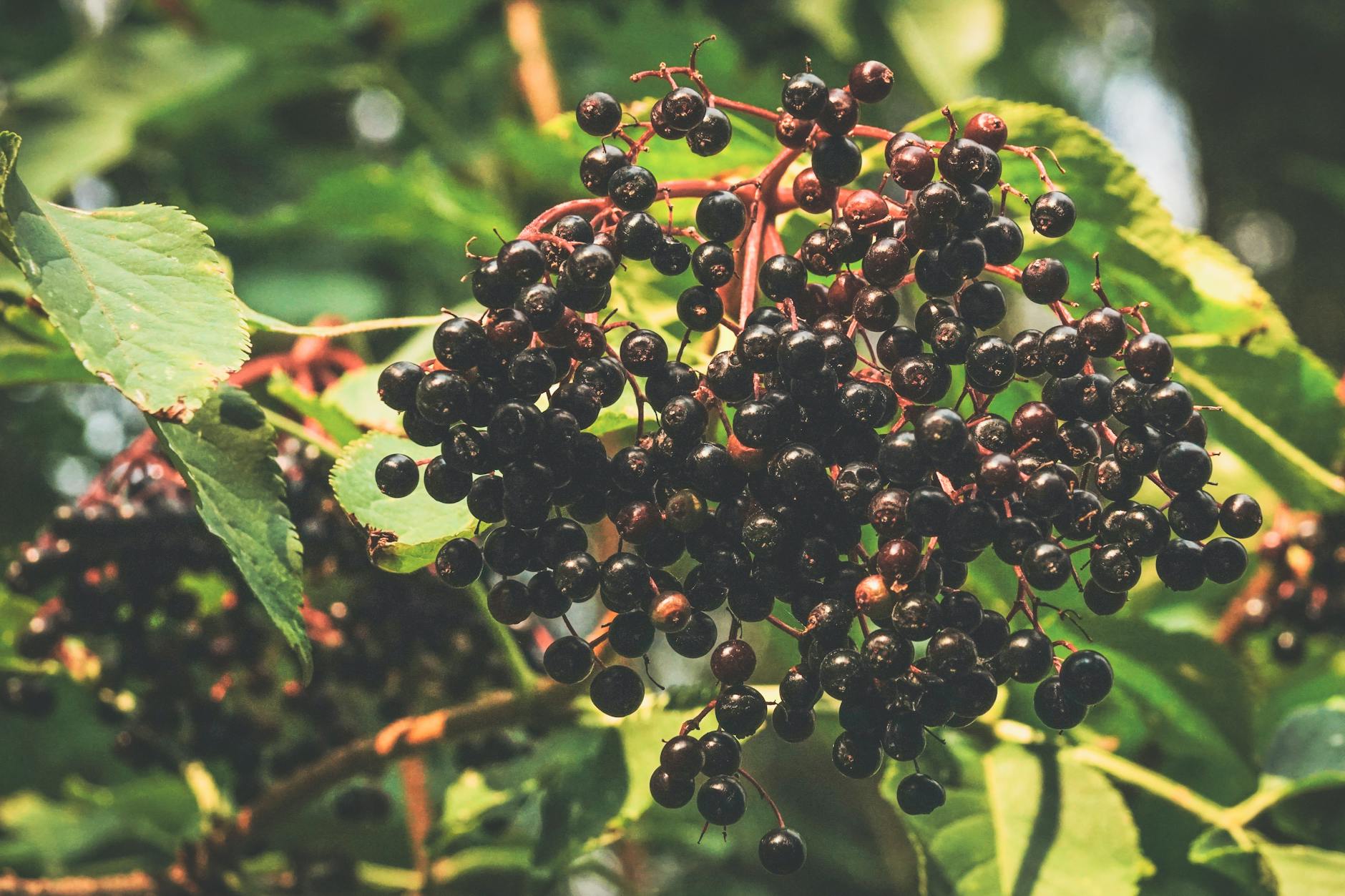
The European elder, or Sambucus nigra, is a deciduous shrub or small tree belonging to the Adoxaceae family. Native to Europe, North Africa, and parts of Asia, it has since been naturalized in North America. The plant is characterized by its pinnate leaves, flat-topped clusters of creamy-white flowers known as elderflowers, and the characteristic drooping clusters of small, dark purple to black berries that ripen in late summer. Understanding the botany of the elder is crucial because various parts of the plant contain different concentrations of active ingredients, and certain parts—such as the bark, leaves, and raw seeds—contain cyanogenic glycosides that require careful processing to ensure safety.

The elderberry thrives in nitrogen-rich soils and is frequently found at the edges of forests, in hedgerows, and near abandoned homesteads. From an ecological perspective, the plant is a vital resource for pollinators during the spring blooming season and provides a dense caloric resource for migratory birds in the autumn. The deep pigmentation of the berries is a biological signal of their high anthocyanin content—a defense mechanism the plant uses to protect its seeds from oxidative stress and UV radiation, which, coincidentally, provides the very health benefits humans seek.
Historical Context and Traditional Medicine
The history of elderberry usage is as old as recorded civilization. Archeological evidence suggests that elderberries were cultivated by prehistoric man, and written records from ancient Greece and Rome detail its use for everything from respiratory ailments to skin conditions. In European folklore, the elder tree was often shrouded in mystery and protection; it was believed that a “Mother Elder” resided within the tree, and permission had to be asked before harvesting its bark or fruit. This reverence likely stemmed from the tree’s immense utility—not just as medicine, but as food, dye, and wood for musical instruments.
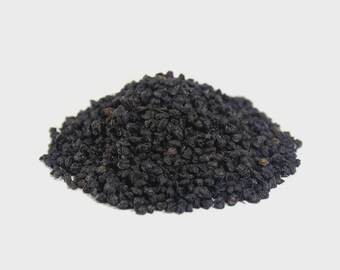
Traditionally, the dried herb and berries were used to create “rob”—a thickened juice or syrup used to combat the “winter ague.” Throughout the Middle Ages, elderberry preparations were the primary treatment for fevers and bronchial congestion. Herbalists utilized the diaphoretic properties of the flowers to break fevers by inducing sweating, while the berries were employed as a diuretic and laxative to “cleanse the blood.” This historical foundation laid the groundwork for modern pharmacognosy to isolate the specific molecules responsible for these systemic effects.
The Biochemistry of Elderberry: Bioactive Compounds
What sets elderberry apart from other superfruits is its extraordinary chemical complexity. The berries are a rich source of polyphenols, specifically flavonoids, which are secondary metabolites known for their antioxidant and anti-inflammatory properties. The most significant of these are the anthocyanins: cyanidin-3-glucoside and cyanidin-3-sambubioside. These compounds give the berries their deep purple hue and are responsible for the majority of the plant’s therapeutic actions.
Beyond anthocyanins, elderberry contains high levels of quercetin and kaempferol—flavonols that modulate the immune response and provide cardiovascular protection. The fruit is also an excellent source of vitamin C (ascorbic acid), vitamin A (as beta-carotene), and phenolic acids like chlorogenic acid and cinnamic acid. These nutrients work synergistically. For instance, the vitamin C enhances the bioavailability of the flavonoids, while the phenolic acids provide additional protection against oxidative damage to cellular DNA. This chemical synergy is why whole-food extracts of elderberry are often preferred over isolated synthetic vitamins.
Mechanisms of Action: How Elderberry Fights Viruses
One of the most researched aspects of elderberry is its ability to combat viral infections, particularly the influenza virus. The mechanism is fascinatingly mechanical. Viruses like influenza replicate by attaching to and penetrating the walls of healthy cells using tiny spikes called hemagglutinin. Research suggests that the anthocyanins in elderberry can actually bind to these viral spikes, effectively “gumming up” the virus and preventing it from entering the host cell. If the virus cannot enter the cell, it cannot hijack the cell’s machinery to replicate.
Furthermore, elderberry stimulates the immune system by increasing the production of cytokines—messenger proteins that coordinate the body’s response to disease. Studies have shown that elderberry extract increases the production of IL-1, IL-6, IL-8, and TNF-alpha. While “cytokine storms” are a concern in severe disease, the moderate and controlled increase in these proteins induced by elderberry helps the body identify and neutralize pathogens more efficiently during the early stages of an infection. This dual-action approach—inhibiting viral entry while boosting the host’s immune signaling—makes elderberry a unique prophylactic and acute treatment option.
Clinical Evidence and Health Benefits
1. Reducing Severity and Duration of Cold and Flu
Multiple randomized, double-blind, placebo-controlled trials have demonstrated that elderberry syrup can significantly reduce the duration of flu symptoms. In one famous study, patients who took elderberry extract showed significant improvement in symptoms (such as fever, headache, and muscle aches) within 2 to 4 days, whereas the placebo group took 7 to 8 days to reach the same level of recovery. This suggests that elderberry is not just a palliative treatment but an active intervention in the disease progression.
2. Cardiovascular Health and Lipid Modulation
The high antioxidant capacity of elderberry has profound implications for heart health. Anthocyanins have been shown to reduce oxidation of low-density lipoprotein (LDL) cholesterol. Oxidized LDL is a primary driver of atherosclerosis (hardening of the arteries). By preventing this oxidation, elderberry helps maintain arterial flexibility and blood flow. Additionally, some studies suggest that elderberry may help lower blood pressure by inhibiting the angiotensin-converting enzyme (ACE), similar to the mechanism of certain pharmaceutical blood pressure medications.
3. Managing Inflammation and Oxidative Stress
Chronic inflammation is the root cause of many modern diseases, including type 2 diabetes and metabolic syndrome. The polyphenols in elderberry neutralize free radicals—unstable molecules that damage cells. By reducing the overall oxidative load on the body, elderberry supports the health of every organ system, particularly the skin and joints, which are highly susceptible to oxidative damage.
Forms of Consumption: Syrups, Gummies, and Capsules
Because raw elderberries contain sambunigrin, a compound that can release cyanide if ingested in large quantities, the berries must be cooked or processed before consumption. This has led to a wide variety of commercial preparations. Syrups are the most traditional form, often combined with honey or ginger for added respiratory support. Gummies have become popular for children, though consumers should be wary of high sugar content which can counteract the immune benefits.
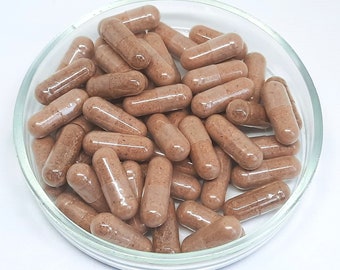
For those seeking a more concentrated and convenient delivery system, elderberry capsules and standardized extracts are an excellent choice. These products typically offer a measured dose of anthocyanins, ensuring consistency in therapeutic effect. Capsules are particularly useful for travel or for those who wish to avoid the sweetness of syrups. When choosing a supplement, it is vital to look for “standardized extract” labels, which guarantee that a specific percentage of the active flavonoids is present in every dose.
Safety, Dosage, and Considerations
While elderberry is generally recognized as safe (GRAS), there are important guidelines to follow. First, never consume raw elderberries, leaves, or stems, as they can cause severe nausea, vomiting, and diarrhea. Proper heat treatment neutralizes the toxic glycosides. Pregnant and breastfeeding women should consult a healthcare provider before use, as there is a lack of long-term safety data for these specific populations.
Regarding dosage, most clinical trials use 15ml (one tablespoon) of elderberry syrup four times daily for acute infection, or 300mg to 500mg of a standardized extract capsule daily for general immune support. It is often recommended to take elderberry at the very first sign of a “scratchy throat” or “heavy head,” as its viral-blocking mechanism is most effective before the virus has achieved widespread replication in the body.

Conclusion: Integrating Elderberry into a Modern Lifestyle
The elderberry stands as a bridge between ancient herbal wisdom and modern clinical validation. Its ability to provide robust immune support through viral inhibition and cytokine modulation makes it an indispensable tool during the winter months and high-stress periods. Furthermore, its systemic antioxidant benefits extend its utility far beyond the common cold, offering protection for the heart, skin, and metabolic systems.
By selecting high-quality preparations—whether they be traditionally crafted syrups or scientifically standardized capsules—and respecting the plant’s powerful chemistry, individuals can harness one of nature’s most effective defenses. As we continue to face global health challenges, the humble elderberry reminds us that sometimes the most sophisticated solutions are grown in the soil, refined by history, and perfected by nature.
Disclaimer: For informational purposes only. Not medical advice. Consult a qualified healthcare professional before use.