

The Comprehensive Guide to Kelp: Nature’s Marine Powerhouse for Human Longevity
Kelp is not merely a common seaweed found clinging to rocky coastlines; it is a complex, multicellular marine organism belonging to the order Laminariales. These large brown algae form vast underwater ecosystems known as kelp forests, which are among the most productive and dynamic environments on Earth. For centuries, maritime cultures have recognized kelp as a nutritional cornerstone, yet modern science is only now beginning to fully unravel the sophisticated biochemical pathways through which kelp influences human physiology. From its unparalleled iodine content to its unique sulfated polysaccharides, kelp represents a bridge between the mineral-rich depths of the ocean and the complex metabolic needs of the human body. This guide serves as an exhaustive exploration of kelp, detailing its botanical characteristics, chemical complexity, and the diverse array of health benefits it offers to those who incorporate it into their wellness regimens.
Botanical Characteristics and Ecological Significance
Kelp belongs to the class Phaeophyceae (brown algae). Unlike land plants, kelp does not have roots, stems, or leaves in the traditional vascular sense. Instead, it possesses a “holdfast” that anchors it to the seafloor, a “stipe” which acts as a flexible support structure similar to a stem, and “blades” or “fronds” which are the primary sites of photosynthesis. Some species, such as Macrocystis pyrifera (Giant Kelp), can grow at astonishing rates—sometimes up to 18 inches per day—reaching lengths of over 100 feet. This rapid growth requires an immense uptake of nutrients from the surrounding seawater, which is why kelp is so densely packed with minerals and trace elements. The efficiency with which kelp concentrates sea minerals makes it one of the most nutrient-dense foods on the planet, often containing ten to twenty times the mineral concentration of land-based vegetables.

The ecological role of kelp cannot be overstated. By forming dense canopy structures, kelp forests provide critical habitat, nursery grounds, and foraging areas for thousands of marine species, including fish, invertebrates, and marine mammals like sea otters. From a carbon sequestration perspective, kelp is a silent hero in the fight against climate change. It absorbs massive quantities of carbon dioxide and nitrogen from the water, helping to mitigate ocean acidification. When we consume kelp, we are essentially tapping into a highly efficient bio-accumulator that has distilled the essence of the ocean’s chemical profile into an edible, bioactive form.
Historical Context: The Kelp Highway and Ancient Medicine
The relationship between humans and kelp dates back to the Pleistocene epoch. The “Kelp Highway” hypothesis suggests that the first humans to reach the Americas followed the Pacific coastline, thriving on the abundant kelp forest ecosystems that provided a consistent source of food and resources. In East Asia, particularly in Japan and Korea, kelp (known as kombu) has been a dietary staple for millennia, forming the base of “dashi,” the foundational stock of Japanese cuisine. Traditional Chinese Medicine (TCM) has historically utilized various forms of seaweed to treat “hardened” masses, such as goiters and swollen lymph nodes, recognizing its ability to soften tissues and resolve stagnation. Similarly, in the coastal regions of Scotland, Ireland, and Scandinavia, kelp was burned to produce “kelp ash,” which was a vital source of soda ash and iodine during the industrial revolution.
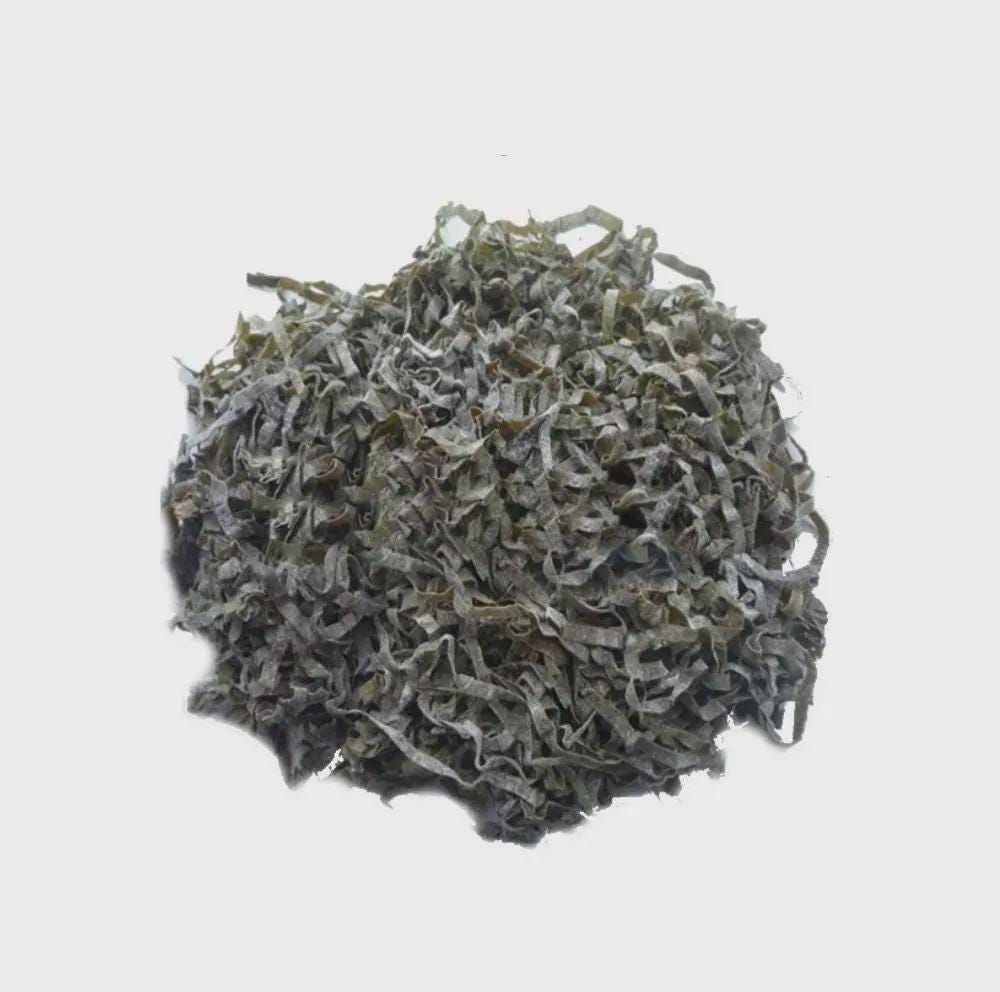
In traditional Western herbalism, kelp was often prescribed as a nutritive tonic for those suffering from constitutional weakness or “scrofulous” conditions. Its reputation as a thyroid stimulant grew in the 19th century when it was discovered that the iodine in seaweed could prevent and treat endemic goiter—a swelling of the thyroid gland caused by iodine deficiency. Today, the use of dried kelp continues to be a preferred method for those seeking a whole-food source of minerals. Dried kelp can be ground into a powder and used as a salt substitute, providing a savory “umami” flavor while significantly reducing sodium intake and increasing the bioavailability of essential trace elements.
The Complex Chemical Composition of Kelp
The health-promoting properties of kelp are a direct result of its sophisticated chemical profile. Unlike land plants that rely on cellulose for structure, kelp utilizes alginates—unique polysaccharides that provide both flexibility and strength in turbulent ocean currents. Beyond structural components, kelp is a reservoir of bioactive compounds, including sulfated polysaccharides (fucoidans), carotenoids (fucoxanthin), and a full spectrum of vitamins (A, B1, B2, C, D, E, and K). However, it is the mineral density that truly sets kelp apart. It contains significant amounts of calcium, magnesium, potassium, iron, and, most notably, iodine. The iodine in kelp is found in various forms, including inorganic iodide and organically bound iodine, which may offer a more sustained release and better absorption profile than synthetic potassium iodide supplements.

One of the most researched compounds in kelp is fucoidan. Fucoidans are complex, sulfated polysaccharides that have demonstrated significant anti-inflammatory, anti-viral, and anti-tumor activities in laboratory settings. These molecules work by modulating the immune response and inhibiting the adhesion of harmful pathogens to human cells. Additionally, kelp contains fucoxanthin, a xanthophyll carotenoid that gives the seaweed its brown color. Recent studies have highlighted fucoxanthin’s potential in metabolic health, specifically its ability to stimulate the expression of Uncoupling Protein 1 (UCP1) in white adipose tissue, which effectively “burns” fat by dissipating energy as heat. This unique combination of minerals and rare phytochemicals makes kelp a multifaceted tool for metabolic and cellular health.
Thyroid Health: The Primary Mechanism of Action
The most well-known benefit of kelp is its support for the thyroid gland. The thyroid requires iodine to synthesize the hormones thyroxine (T4) and triiodothyronine (T3). These hormones are the master regulators of the body’s metabolism, influencing everything from heart rate and body temperature to the rate at which we burn calories. Without sufficient iodine, the thyroid cannot produce these hormones, leading to a condition known as hypothyroidism. Symptoms of hypothyroidism include chronic fatigue, weight gain, depression, hair loss, and a constant feeling of being cold. Because the human body cannot produce iodine internally, it must be obtained through the diet, and kelp is the most concentrated natural source available.
However, the relationship between kelp and the thyroid is nuanced. While kelp provides the raw materials for hormone production, it also contains other trace minerals like selenium, which is essential for the enzymatic conversion of T4 (the inactive form) into T3 (the active form). This synergistic effect is often absent in isolated iodine supplements. Furthermore, the natural alginates in kelp may help regulate the absorption of iodine, preventing the sharp spikes that can sometimes trigger thyroid flares in sensitive individuals. By supporting thyroid function, kelp helps maintain high energy levels, supports cognitive clarity, and ensures that the body’s metabolic furnace is burning efficiently.
Metabolic Support and Weight Management
Kelp’s influence on weight management extends beyond its thyroid-stimulating effects. One of its most promising components is the fiber known as alginate. Clinical research has suggested that alginates can inhibit the activity of pancreatic lipase, an enzyme responsible for breaking down fats in the digestive tract. By slowing down or partially blocking the digestion of fat, kelp can reduce the overall caloric absorption from a meal. Moreover, the high fiber content in kelp promotes a sense of satiety, or fullness, which can help prevent overeating and support long-term weight maintenance goals.
As mentioned previously, the carotenoid fucoxanthin plays a critical role in lipid metabolism. Fucoxanthin appears to target abdominal fat (visceral fat), which is the most metabolically active and dangerous type of fat in the human body. By promoting the “browning” of white fat cells—a process where fat cells become more like energy-burning brown fat cells—fucoxanthin helps the body utilize stored energy more effectively. When combined with the metabolic boost provided by improved thyroid function, kelp becomes a powerful ally for those looking to optimize their body composition and metabolic health.
Detoxification and Heavy Metal Chelation
In an increasingly industrialized world, the accumulation of heavy metals and environmental toxins in the body is a growing concern. Kelp offers a natural solution through its high concentration of alginic acid. Alginates are remarkable for their ability to bind to heavy metals such as strontium, barium, tin, cadmium, and even radioactive isotopes in the gastrointestinal tract. Once bound to the alginate, these toxins become insoluble and are excreted from the body through normal digestive processes rather than being absorbed into the bloodstream. This “chelating” effect makes kelp an invaluable tool for those living in polluted urban environments or those undergoing detoxification protocols.
Furthermore, kelp’s antioxidant profile helps protect the liver—the body’s primary detoxification organ—from oxidative stress. The presence of polyphenols and vitamins C and E in kelp helps neutralize free radicals that are generated during the two phases of liver detoxification. By reducing the overall toxic load on the body and supporting the organs responsible for elimination, kelp promotes systemic health and may reduce the risk of chronic diseases associated with environmental toxicity.
Cardiovascular and Blood Sugar Regulation
Emerging research suggests that kelp may play a significant role in cardiovascular health. The sulfated polysaccharides in kelp have been shown to possess anticoagulant and antithrombotic properties, similar to the medication heparin, but in a milder, natural form. This can help improve blood flow and reduce the risk of clot formation. Additionally, the high potassium content in kelp helps balance the effects of sodium in the diet, which is essential for maintaining healthy blood pressure levels. By relaxing the walls of the blood vessels, potassium helps reduce the strain on the cardiovascular system.
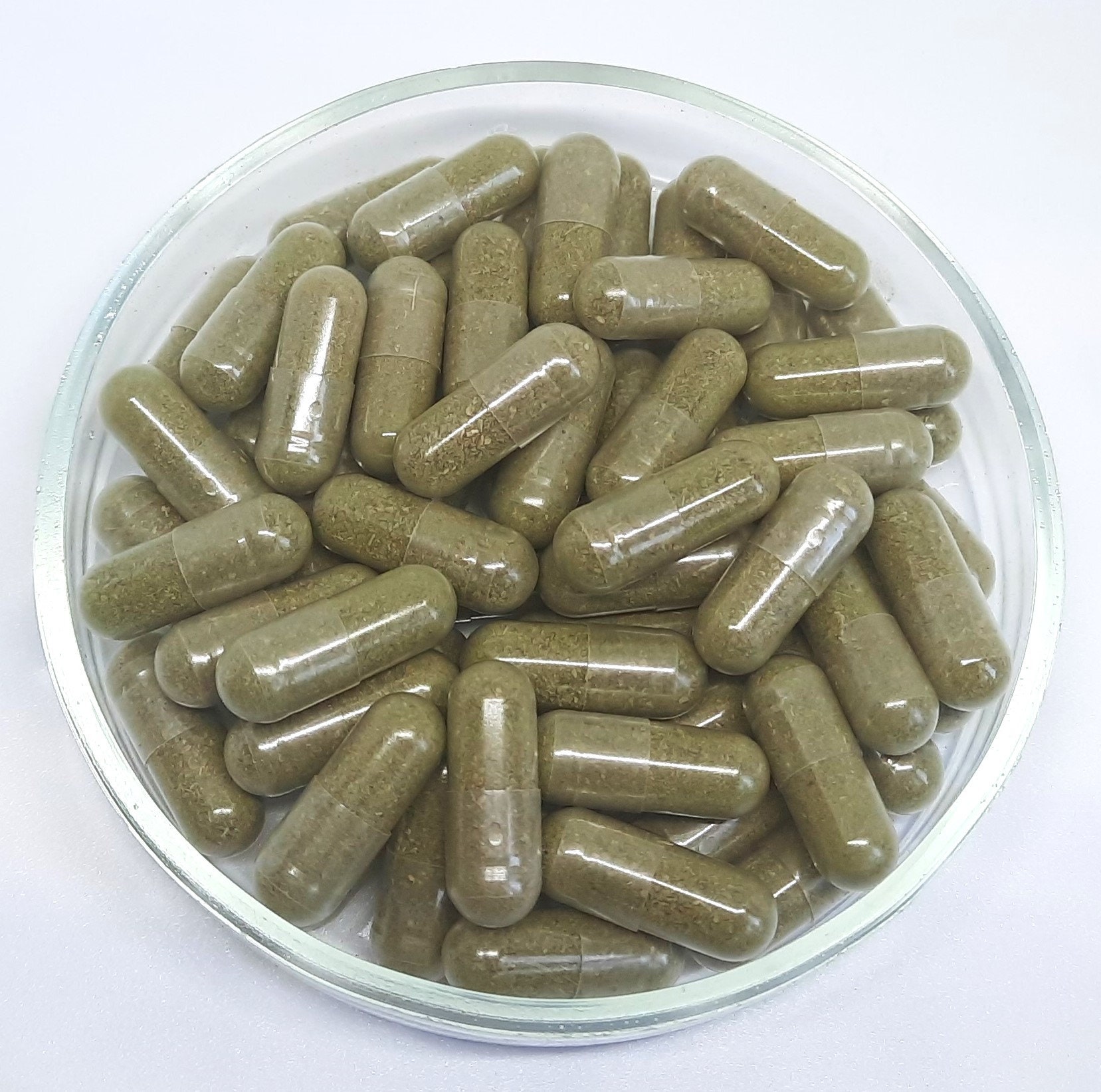
For those managing blood sugar levels, kelp offers significant benefits. The dietary fiber and specific polyphenols found in kelp can slow the absorption of glucose in the small intestine, preventing the rapid insulin spikes that contribute to insulin resistance and Type 2 diabetes. Some studies have indicated that kelp supplementation can improve glycemic control and lipid profiles in individuals with pre-diabetes. This makes kelp capsules a convenient and effective supplement for those who may not enjoy the taste of seaweed but want to reap the metabolic rewards of its bioactive constituents.
Practical Usage, Dosage, and Safety Considerations
Integrating kelp into a modern lifestyle is relatively simple, but it requires an understanding of potency. Because kelp is so high in iodine, a little goes a long way. For culinary use, dried kelp can be added to soups, stews, and beans (where it helps soften the beans and improve digestibility). Kelp flakes can also be used as a seasoning on salads or popcorn. For those seeking standardized doses, kelp supplements in the form of capsules or tablets are widely available. When choosing a supplement, it is vital to source products that are harvested from clean, unpolluted waters and have been tested for heavy metal contamination, specifically arsenic, which can naturally accumulate in some seaweed species.

The recommended daily allowance (RDA) for iodine for most adults is 150 micrograms. A single serving of kelp can easily exceed this amount. While the body can often handle higher doses of iodine from whole-food sources, individuals with pre-existing thyroid conditions, such as Hashimoto’s thyroiditis or Grave’s disease, should exercise caution and consult with a healthcare professional before starting a kelp regimen. Excessive iodine intake can, in some cases, trigger thyroid dysfunction or worsen autoimmune conditions. However, when used mindfully, kelp remains one of the safest and most effective ways to ensure mineral sufficiency and support a vibrant, high-functioning metabolism.
Summary of Benefits
- Thyroid Regulation: Provides the essential iodine and selenium necessary for the production of T3 and T4 hormones.
- Metabolic Boost: Fucoxanthin stimulates thermogenesis, helping the body burn fat more efficiently.
- Digestive Health: Alginates act as a prebiotic fiber and help inhibit excess fat absorption.
- Detoxification: Naturally binds to and removes heavy metals and radioactive isotopes from the digestive tract.
- Nutrient Density: Supplies a broad spectrum of bioavailable vitamins, minerals, and trace elements often missing from modern soil.
- Anti-Inflammatory: Fucoidans reduce systemic inflammation and support a balanced immune response.
In conclusion, kelp is much more than a marine botanical; it is a nutritional treasure trove that offers a holistic approach to health. By nourishing the thyroid, protecting the cardiovascular system, and aiding in the elimination of toxins, kelp addresses the core pillars of human vitality. Whether consumed as a traditional food or a modern supplement, this ancient sea giant continues to provide the essential nutrients required for thriving in the modern world.
Disclaimer: For informational purposes only. Not medical advice. Consult a qualified healthcare professional before use.