The Definitive Guide to St. John’s Wort: Nature’s Botanical Shield for Mental and Physical Well-being
St. John’s Wort, botanically known as Hypericum perforatum, stands as one of the most rigorously researched and historically significant medicinal herbs in the pharmacopeia of traditional Western medicine. For millennia, this perennial flowering plant has been revered not merely as a roadside wildflower but as a potent therapeutic agent capable of addressing a spectrum of human ailments ranging from melancholia to severe dermatological trauma. Its distinctive yellow blossoms, which appear to bleed a deep red oil when crushed, have fueled both folkloric legends and sophisticated pharmacological inquiries. In the modern era, St. John’s Wort has transitioned from a staple of medieval herbalism to a frontline natural alternative for managing mild-to-moderate depression, frequently outperforming placebos and matching the efficacy of standard synthetic antidepressants in clinical trials. This guide provides an exhaustive exploration of its botanical properties, chemical complexity, therapeutic applications, and the vital safety protocols required for its use.
Botanical Taxonomy and Physical Characteristics
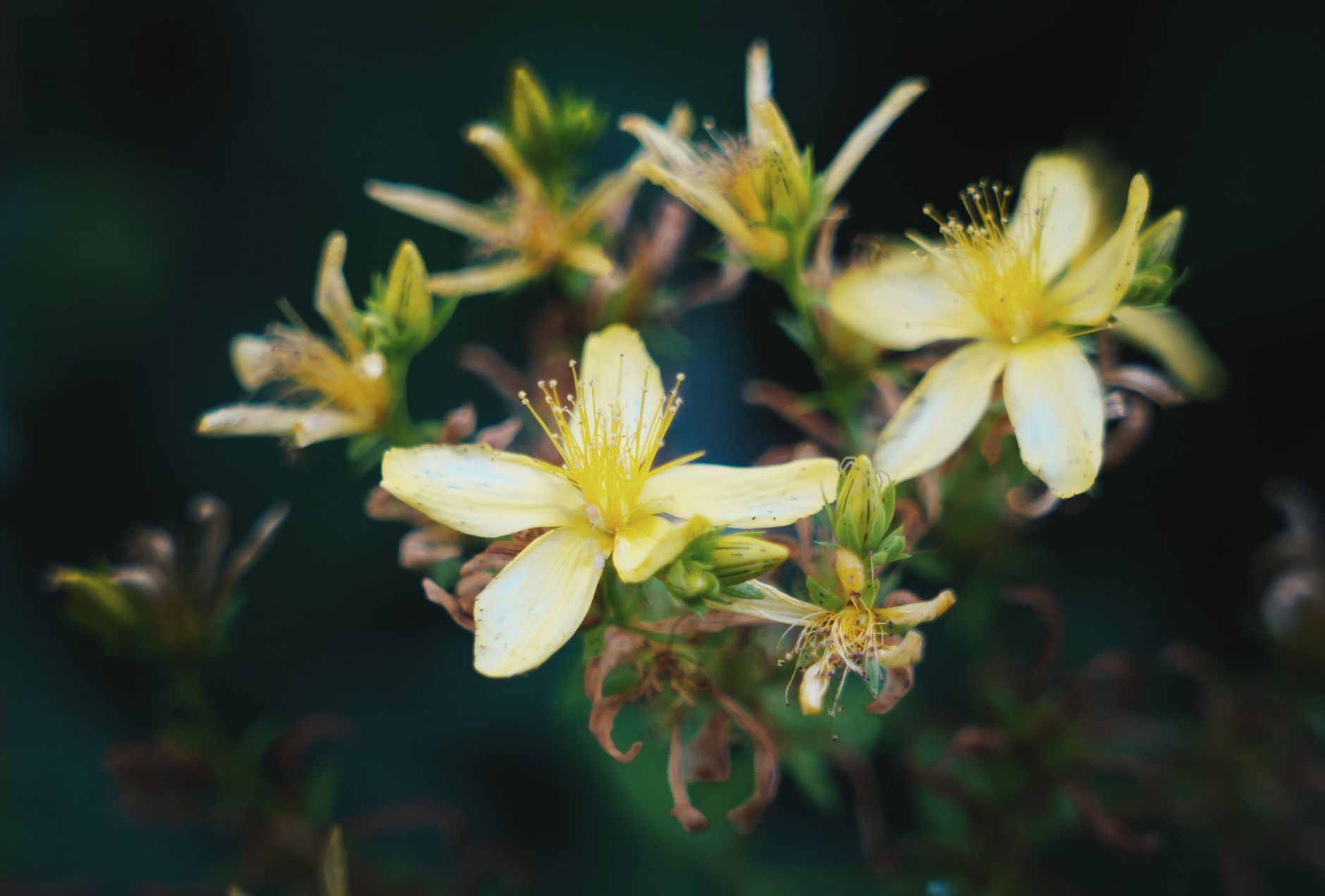
Hypericum perforatum is a member of the Hypericaceae family. The plant is indigenous to Europe, North Africa, and Western Asia, though it has since naturalized in temperate regions across the globe, including North and South America and Australia. The name “St. John’s Wort” is derived from its tendency to bloom around the feast of St. John the Baptist on June 24th. The “perforatum” portion of its Latin name refers to a unique botanical feature: when the leaves are held up to the light, they appear to be riddled with tiny pinpricks or perforations. These are not actually holes, but rather translucent glandular tissues containing the essential oils and bioactive resins that give the plant its medicinal power.
The plant typically grows to a height of 30 to 90 centimeters, featuring woody branched roots and opposite, sessile leaves. The flowers are bright yellow with five petals, characterized by conspicuous black glandular dots along the margins. These dots are the primary storage sites for hypericin, one of the plant’s most famous bioactive compounds. Understanding the morphology of the plant is crucial for wildcrafters and herbalists, as the concentration of active metabolites fluctuates significantly depending on the plant’s growth stage and environmental stressors. The harvesting of the flowering tops during their peak potency is essential for creating extracts that meet therapeutic standards.

Deep Dive into Phytochemistry: The Bioactive Compounds
The therapeutic efficacy of St. John’s Wort is not attributed to a single “magic bullet” molecule but rather to a complex synergy of phytochemicals. For decades, researchers focused primarily on hypericin and pseudohypericin—naphthodiantrones that give the plant’s oil its signature red hue. While hypericin was once thought to be the sole antidepressant component, modern pharmacology has shifted its focus toward hyperforin, a phloroglucinol derivative. Hyperforin is now recognized as a primary constituent responsible for inhibiting the reuptake of neurotransmitters, though it is notably unstable when exposed to light and oxygen, requiring sophisticated extraction techniques to maintain its integrity.
Beyond these two giants, the plant contains a rich array of flavonoids, including quercetin, rutin, luteolin, and kaempferol. These flavonoids contribute significant antioxidant and anti-inflammatory properties, protecting neural tissues from oxidative stress. Additionally, the presence of tannins (up to 15%) provides the herb with its astringent qualities, making it effective for topical wound healing. Procyanidins and various essential oils further round out the chemical profile, creating a multi-faceted biological tool that interacts with the human body on several levels, from the cellular membrane to the central nervous system.

Mechanisms of Action: How St. John’s Wort Affects the Brain
The most celebrated use of St. John’s Wort is in the treatment of depressive disorders. Unlike many pharmaceutical Selective Serotonin Reuptake Inhibitors (SSRIs) that focus almost exclusively on serotonin, St. John’s Wort exhibits a much broader mechanism of action. It appears to inhibit the synaptosomal reuptake of several key neurotransmitters: serotonin, dopamine, norepinephrine, gamma-aminobutyric acid (GABA), and glutamate. By keeping these chemicals available in the synaptic cleft for longer durations, the herb helps to regulate mood, improve emotional resilience, and reduce the symptoms of anxiety that often accompany depression.
Furthermore, St. John’s Wort has been shown to influence the hypothalamic-pituitary-adrenal (HPA) axis, which governs the body’s response to stress. Chronic stress often leads to an overproduction of cortisol, which can damage the hippocampus and lead to depressive states. Research suggests that Hypericum perforatum extracts may downregulate the expression of certain stress-related genes and reduce the hyper-secretion of cortisol. This systemic approach—combining neurotransmitter modulation with endocrine regulation—explains why many patients report a “smoother” transition into wellness compared to the often harsh onset of synthetic medications.
Historical Context and Traditional Medicinal Uses
Historically, St. John’s Wort was viewed through a lens of both medicine and mysticism. In Ancient Greece, physicians like Dioscorides and Hippocrates utilized the herb for its diuretic properties and as a treatment for sciatica. In the Middle Ages, it was believed to have “apotropaic” properties—the power to ward off evil spirits and “demons” (a term often used historically to describe what we now know as mental illness). It was frequently hung over doorways or placed under pillows to protect the inhabitant from melancholy and nocturnal terrors.
In traditional European folk medicine, the “Oil of St. John” was a staple in every household. This was made by infusing the fresh flowers in olive oil and leaving them in the sun for several weeks until the oil turned a deep, blood-red color. This topical application was used to treat burns, nerve pain (neuralgia), and deep muscle bruises. The astringent tannins combined with the antibacterial properties of hyperforin made it an exceptional remedy for preventing infection in open wounds and accelerating the regeneration of skin tissue. This dual legacy of internal emotional support and external physical healing remains the cornerstone of its usage today.

The Efficacy of St. John’s Wort in Clinical Depression
The validation of St. John’s Wort in modern science is largely due to the work of the Cochrane Collaboration and numerous meta-analyses. These studies consistently demonstrate that for mild-to-moderate major depression, Hypericum extracts are more effective than a placebo and are as effective as standard antidepressants like fluoxetine (Prozac) or sertraline (Zoloft). Most importantly, these clinical reviews highlight that St. John’s Wort typically results in significantly fewer side effects than its pharmaceutical counterparts. Patients taking the herb are less likely to experience the sexual dysfunction, weight gain, or “emotional blunting” frequently associated with SSRIs.
However, it is critical to note that the efficacy of the herb is highly dependent on the quality of the extract. Most clinical trials utilize standardized extracts containing roughly 0.3% hypericin and 3% to 5% hyperforin. Whole-herb preparations or teas, while traditional, often lack the concentration of active metabolites required to treat clinical depression effectively. For individuals suffering from severe, suicidal, or treatment-resistant depression, St. John’s Wort is generally not recommended as a primary treatment, as the severity of the condition requires immediate and more aggressive intervention under psychiatric supervision.
St. John’s Wort for Hormonal Balance and Menopause
Beyond its reputation as a “mood booster,” St. John’s Wort has shown remarkable promise in addressing the psychological and physical symptoms of menopause and perimenopause. During these transitions, many women experience hot flashes, night sweats, irritability, and sleep disturbances. Studies have indicated that when St. John’s Wort is combined with Black Cohosh (Cimicifuga racemosa), there is a synergistic effect that significantly reduces the frequency and severity of hot flashes while stabilizing mood swings. By supporting the serotonergic system, the herb helps regulate the body’s internal thermostat, providing a non-hormonal alternative for women who cannot or choose not to undergo Hormone Replacement Therapy (HRT).
Standardization, Forms of Administration, and Supplements
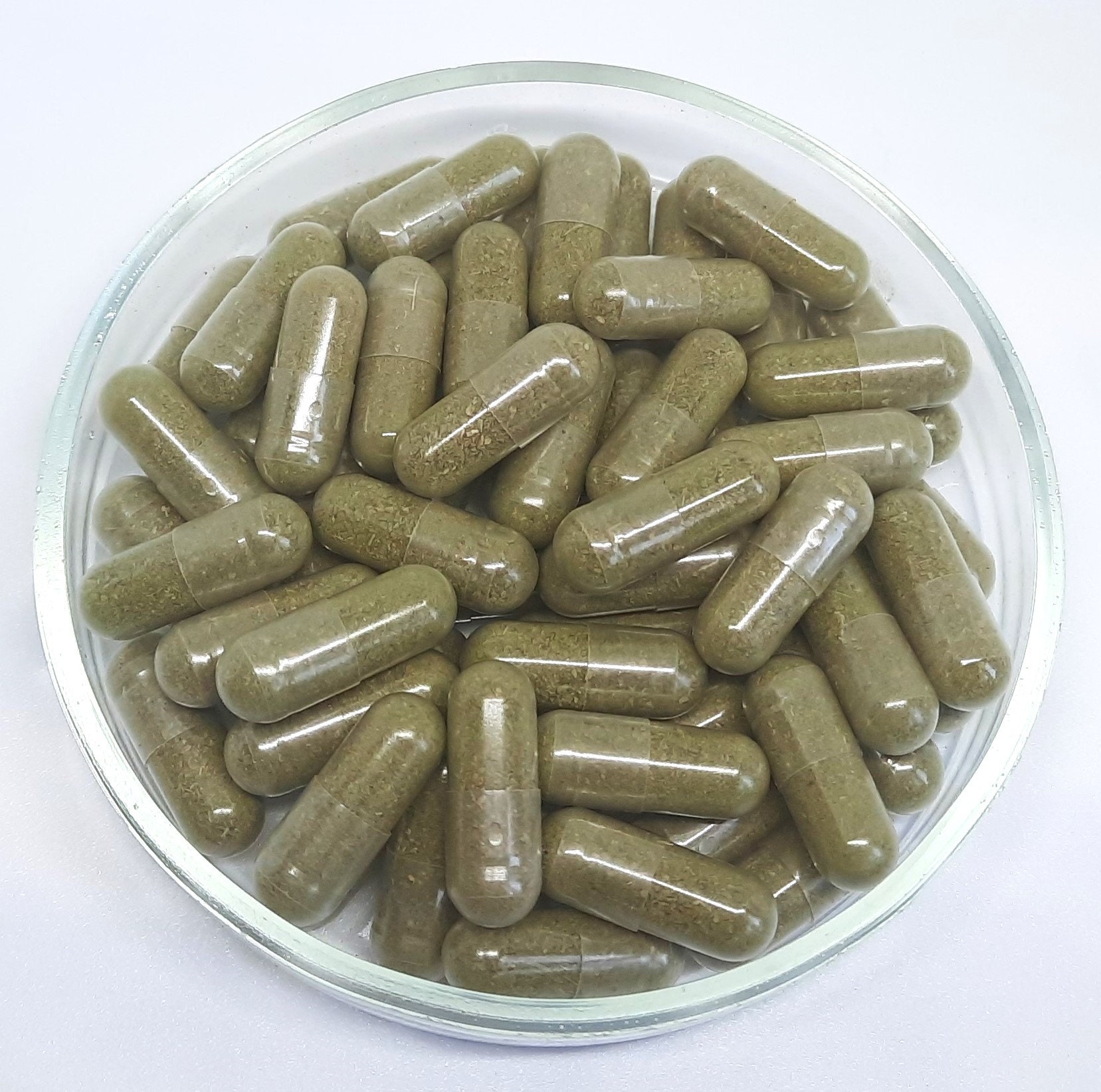
In the modern marketplace, St. John’s Wort is available in a variety of delivery formats, including tablets, liquid tinctures, teas, and topical oils. For those seeking the specific antidepressant benefits discovered in clinical trials, standardized capsules are the gold standard. Standardization ensures that each dose contains a consistent amount of the primary bioactive markers, hypericin and hyperforin. This is crucial because the chemical composition of raw plants can vary wildly based on soil quality, altitude, and harvesting time. A liquid tincture offers the benefit of faster absorption and allows for precise titration of dosage, which is useful for individuals who are sensitive to herbal stimulants.
When selecting a supplement, it is vital to look for products that have undergone third-party testing (such as USP or NSF certification) to ensure the absence of heavy metals and pesticides. Because hyperforin is sensitive to environmental degradation, high-quality supplements are often packaged in amber glass or blister packs to prevent light exposure. For topical use, the infused oil should be stored in a cool, dark place to maintain its anti-inflammatory and vulnerary (wound-healing) properties.
Crucial Safety Information: The Cytochrome P450 Interaction
While St. John’s Wort is a natural substance with a favorable side-effect profile for most, it is one of the most pharmacologically reactive herbs in existence. Its primary risk factor is not direct toxicity, but its ability to induce the Cytochrome P450 (CYP3A4) enzyme system in the liver and the P-glycoprotein drug transporter. By “revving up” these metabolic pathways, St. John’s Wort causes the body to process and clear other medications much faster than intended. This can lead to a dangerous drop in the blood concentration of life-saving drugs, effectively rendering them useless.
Medications known to be affected by St. John’s Wort include:
- Oral Contraceptives: Risk of breakthrough bleeding and unplanned pregnancy.
- Cyclosporine: A critical immunosuppressant used to prevent organ transplant rejection.
- Warfarin: A common blood thinner; interactions can lead to clotting issues.
- Digoxin: Used for heart conditions.
- HIV Medications: Specifically Protease Inhibitors.
- Chemotherapy Agents: Can significantly reduce the efficacy of cancer treatments.
Additionally, because St. John’s Wort increases serotonin levels, it must never be combined with prescription SSRIs, SNRIs, or MAOIs. Such combinations can lead to Serotonin Syndrome, a potentially life-threatening condition characterized by confusion, rapid heart rate, tremors, and high fever. Always consult a healthcare professional before integrating this herb into a regimen that includes pharmaceutical drugs.
Dosage Guidelines and Practical Usage
The generally accepted therapeutic dosage for standardized St. John’s Wort extract in the treatment of mild-to-moderate depression is 900mg per day, typically divided into three doses of 300mg each. Some practitioners suggest a single daily dose, though divided doses may help maintain a more stable level of active compounds in the bloodstream. It is important to note that, like most antidepressants, the effects of St. John’s Wort are not immediate. It typically takes 2 to 4 weeks of consistent use before a significant improvement in mood is observed. Users should be cautioned not to increase the dose prematurely if they do not feel an immediate change.
For topical applications, St. John’s Wort oil can be applied directly to the skin 2-3 times daily to treat minor burns, nerve pain, or muscle soreness. However, users must be aware of photosensitivity. Hypericin can make the skin and eyes more sensitive to ultraviolet (UV) light. While this is rare at standard oral doses, those with fair skin or those applying the oil topically should avoid prolonged sun exposure or use high-SPF sunscreen to prevent exaggerated sunburns or skin irritation.
Conclusion: The Future of Hypericum in Modern Health
St. John’s Wort remains a paragon of botanical medicine, bridging the gap between ancient wisdom and modern clinical validation. Its multifaceted chemical profile offers a sophisticated approach to mental health that many find more tolerable than synthetic alternatives. As research continues to unfold, we are beginning to understand its potential in neuroprotection, antiviral therapy, and even certain types of cognitive support. However, its power comes with the responsibility of informed use. By respecting its potent interactions with the liver and other medications, and by choosing high-quality, standardized preparations, individuals can safely harness the bright, solar energy of this remarkable plant to improve their quality of life. Whether used as a topical oil for healing physical wounds or as an oral supplement for mending the “bruised” spirit, St. John’s Wort remains one of nature’s most profound gifts to human health.
Disclaimer: For informational purposes only. Not medical advice. Consult a qualified healthcare professional before use.