
The Definitive Guide to Clove Buds: Unveiling Their Extraordinary Health Benefits
For centuries, Clove Buds have been revered not only as a prized spice but also as a potent medicinal powerhouse in traditional healing systems across the globe. Originating from the aromatic flower buds of the *Syzygium aromaticum* tree, these diminutive, nail-shaped wonders are far more than just a fragrant addition to culinary dishes or festive potpourri. Packed with a complex array of bioactive compounds, particularly eugenol, cloves offer an impressive spectrum of health benefits ranging from robust antioxidant defense and powerful anti-inflammatory action to formidable antimicrobial properties and comprehensive digestive support. This exhaustive guide delves deep into the science, history, and practical applications of clove buds, providing a definitive exploration of why this ancient spice deserves a prominent place in your holistic health regimen.
A Journey Through Time: Botanical Profile and Historical Significance of Clove Buds
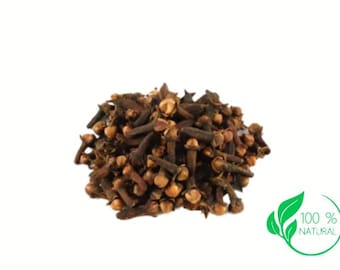
The clove tree, *Syzygium aromaticum*, belongs to the Myrtaceae family, native to the Maluku Islands (Moluccas), or “Spice Islands,” of Indonesia. It is an evergreen tree that can grow up to 8-12 meters tall, bearing large oval leaves and crimson flowers grouped in terminal clusters. The ‘clove bud’ itself is the unopened flower bud, which is hand-picked when it turns from green to a vivid pinkish-red, then dried until it becomes the dark reddish-brown, pungent spice we recognize. This meticulous harvesting process contributes to its concentrated flavor and medicinal potency.
Historically, cloves have been a cornerstone of ancient civilizations. Records indicate their use in China as far back as 200 BCE, where they were employed as a breath freshener for those addressing the emperor, and as a potent remedy in Traditional Chinese Medicine (TCM) for digestive issues and pain. In India, cloves became integral to Ayurvedic medicine, valued for their warming properties and ability to balance various doshas. By the 1st century CE, cloves had found their way to the Middle East and Europe through elaborate trade routes, becoming one of the most sought-after and expensive spices, often equated in value to gold. Their aromatic allure and therapeutic prowess fueled empires and sparked fierce competition among European colonial powers, profoundly shaping global exploration and commerce.

The Bioactive Arsenal: Unpacking the Chemical Composition of Clove Buds
The profound health benefits of clove buds are attributed to their rich and diverse phytochemical composition. The cornerstone of this botanical powerhouse is its essential oil, which can constitute up to 20% of the bud’s weight. Within this oil, and indeed throughout the entire bud, a complex synergy of compounds works to exert its therapeutic effects. Understanding these key components is crucial to appreciating the multifaceted health advantages cloves offer.
Eugenol: The Dominant Phenolic Compound
Eugenol is the most abundant and perhaps the most extensively studied bioactive compound in cloves, typically making up 70-90% of its essential oil. This volatile phenylpropanoid is responsible for much of clove’s characteristic aroma and taste, as well as a significant portion of its medicinal properties. Eugenol is a potent antioxidant, effectively neutralizing harmful free radicals that contribute to cellular damage and chronic diseases. Furthermore, it possesses remarkable anti-inflammatory capabilities, acting by inhibiting key inflammatory mediators and pathways, such as cyclooxygenase (COX) enzymes, similar to how some non-steroidal anti-inflammatory drugs (NSAIDs) function, but often with fewer side effects. Its local anesthetic properties are particularly well-known, making it a traditional remedy for toothaches.
Eugenyl Acetate and Beta-Caryophyllene
Alongside eugenol, eugenyl acetate is another significant component, typically comprising 5-15% of clove essential oil. It contributes to the essential oil’s aroma and, like eugenol, exhibits anti-inflammatory and antioxidant activities. Beta-caryophyllene, a sesquiterpene, is also present in substantial amounts (around 5-10%) and is unique among known compounds for its ability to selectively bind to the cannabinoid receptor type 2 (CB2), a receptor primarily found on immune cells. This interaction contributes significantly to clove’s anti-inflammatory and analgesic effects without the psychoactive properties associated with CB1 receptor activation.
Flavonoids and Other Phenolic Compounds
Clove buds are also rich in a variety of flavonoids, including kaempferol, rhamnetin, and eugenin. These plant pigments are renowned for their powerful antioxidant capabilities, working synergistically with eugenol to combat oxidative stress. Beyond flavonoids, cloves contain other phenolic acids and tannins, which collectively enhance their overall antioxidant, anti-inflammatory, and antimicrobial profiles. The combination of these diverse compounds creates a robust biochemical arsenal, explaining why clove buds can address such a wide array of health concerns.

The Multifaceted Health Benefits of Clove Buds
The rich biochemical tapestry of clove buds translates into a formidable array of health benefits, supported by both traditional wisdom and emerging scientific research. Each active compound plays a role, often synergistically, in promoting overall wellness.
Powerful Antioxidant Properties
One of the most remarkable benefits of clove buds is their exceptionally high antioxidant capacity. With an ORAC (Oxygen Radical Absorbance Capacity) score that dwarfs many other fruits and vegetables, cloves are champions in the fight against oxidative stress. This stress occurs when there’s an imbalance between free radicals – unstable molecules that can damage cells – and the body’s ability to detoxify them. Eugenol, flavonoids, and other phenolic compounds in cloves act as potent free radical scavengers, neutralizing these damaging molecules and protecting cellular integrity. By reducing oxidative stress, cloves can play a crucial role in preventing chronic diseases, slowing down the aging process, and supporting overall cellular health.
Potent Anti-inflammatory Effects
Chronic inflammation is a root cause of many modern diseases, from arthritis and heart disease to metabolic disorders. Clove buds exhibit significant anti-inflammatory properties, primarily due to eugenol and beta-caryophyllene. These compounds work by inhibiting pro-inflammatory enzymes like COX-1 and COX-2, which are responsible for producing inflammatory mediators such as prostaglandins. Furthermore, they can modulate cytokine production, reducing the release of signaling molecules that perpetuate inflammatory responses. This comprehensive action makes cloves a valuable natural remedy for managing inflammatory conditions, alleviating pain, and supporting the body’s natural healing processes.
Exceptional Antimicrobial & Antiseptic Action
For centuries, cloves have been utilized for their powerful antimicrobial properties, and modern science has validated this traditional use. The eugenol content is largely responsible for these effects, disrupting the cell membranes of various microorganisms, leading to their inactivation. Clove essential oil has demonstrated broad-spectrum activity against a wide range of bacteria, including common oral pathogens, foodborne bacteria like *E. coli* and *Listeria monocytogenes*, and even antibiotic-resistant strains. Beyond bacteria, cloves are effective antifungals, particularly against *Candida albicans*, a common cause of yeast infections. Their antiviral properties are also being explored, making cloves a versatile natural antiseptic and antimicrobial agent.
Oral Health and Dental Care Champion
Perhaps the most widely recognized traditional application of cloves is in dental care. The analgesic and antiseptic properties of eugenol make it an excellent natural remedy for toothaches, gum pain, and oral infections. Applying a whole clove or a diluted drop of clove oil directly to an aching tooth can provide significant temporary relief by numbing the area and reducing inflammation. Moreover, regular use of clove-infused mouthwashes or chewing cloves can help combat bad breath (halitosis) by killing odor-causing bacteria and prevent the buildup of plaque, contributing to overall gum health and reducing the risk of gingivitis and periodontitis.
Digestive Health Support
Clove buds have long been employed in traditional medicine to soothe and support the digestive system. They are carminative, meaning they can help relieve gas and bloating by promoting the expulsion of intestinal gas. Cloves stimulate the secretion of digestive enzymes, which aids in the efficient breakdown and absorption of nutrients from food. Their anti-inflammatory and anti-ulcerogenic properties can also protect the gastric lining, potentially preventing and treating stomach ulcers. For those experiencing nausea or indigestion, a simple clove tea or chewing on a bud can often provide welcome relief, promoting a more comfortable and efficient digestive process.
Potential for Blood Sugar Regulation
Emerging research suggests that compounds in clove buds, particularly nigericin, may play a role in blood sugar regulation. Studies indicate that cloves can mimic insulin in certain ways, helping to transport excess sugar from the blood into cells, thereby improving insulin sensitivity. They may also help reduce the production of glucose in the liver. While more comprehensive human trials are needed, these preliminary findings highlight clove’s potential as a complementary agent in managing blood glucose levels, particularly for individuals with insulin resistance or type 2 diabetes.
Liver Protection and Detoxification
The liver is the body’s primary detoxification organ, constantly working to process toxins and waste products. The powerful antioxidants in clove buds, especially eugenol, can significantly contribute to liver health. By neutralizing free radicals and reducing oxidative stress, cloves protect liver cells from damage. Some research suggests that cloves can enhance the liver’s detoxification pathways and reduce the accumulation of fats, offering hepatoprotective effects against certain liver conditions. This support for liver function underscores clove’s role in overall systemic health.
Supporting Bone Health
Clove buds are a good source of manganese, an essential trace mineral critical for bone formation and maintenance. Manganese plays a vital role in the synthesis of connective tissue and cartilage, and its deficiency can lead to reduced bone mineral density and increased risk of osteoporosis. By incorporating cloves into the diet, individuals can contribute to their daily manganese intake, thus supporting strong and healthy bones alongside other crucial nutrients.
Exploring Cancer-Fighting Potential
While still primarily in the realm of preclinical research, several studies have explored the potential anti-cancer properties of clove compounds. Eugenol, in particular, has shown promise in inducing apoptosis (programmed cell death) in various cancer cell lines, including those of the colon, breast, liver, and prostate, without harming healthy cells. It also appears to inhibit tumor growth and angiogenesis (the formation of new blood vessels that feed tumors). It is crucial to emphasize that these findings are preliminary and conducted *in vitro* or in animal models, and cloves should never be considered a standalone cancer treatment. However, they highlight the significant therapeutic potential that warrants further rigorous investigation.
Respiratory Relief
In traditional medicine, cloves have been used to alleviate symptoms of respiratory ailments such as coughs, colds, asthma, and bronchitis. Their expectorant properties help to loosen mucus and phlegm in the respiratory passages, making it easier to expel. The anti-inflammatory and antimicrobial actions also contribute to soothing irritated airways and fighting off respiratory infections. Clove tea or inhaling diluted clove essential oil in steam can offer relief from congestion and discomfort.
Practical Usage and Forms of Clove Buds
Clove buds offer versatility in how they can be incorporated into daily life, whether for culinary delight or therapeutic benefit. Each form has its unique applications and considerations.
Whole Cloves
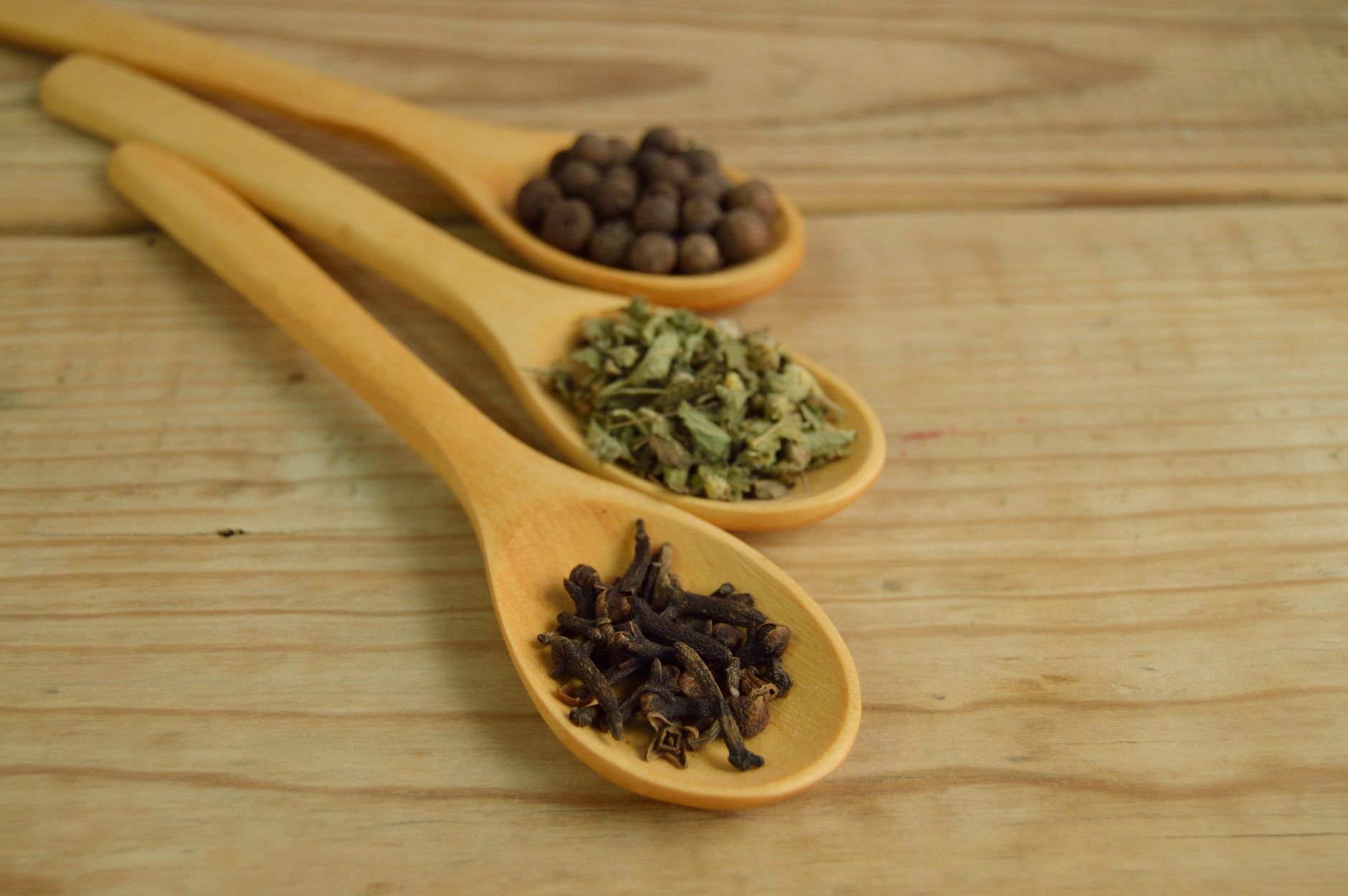
Whole cloves are a staple in kitchens worldwide. They can be simmered in stews, curries, and broths to infuse a warm, pungent flavor. They are also popular in mulled wines, spiced teas, and ciders. For direct therapeutic use, chewing on a whole clove can provide immediate relief for a toothache or freshen breath. They can also be used to make infused oils or vinegars.
Ground Cloves
Ground cloves offer a more intense flavor profile and are perfect for baking, especially in gingerbread, pumpkin pie, and other sweet treats. They can also be added to spice rubs for meats or incorporated into savory dishes. When using ground cloves, remember that their potency is much higher than whole cloves, so a little goes a long way. Store ground cloves in an airtight container to preserve their volatile oils and flavor.
Clove Essential Oil
Clove essential oil is a highly concentrated extract of the beneficial compounds from the clove bud. Due to its potency, it should always be used with extreme caution. For topical application, such as for toothaches or muscle pain, it must be significantly diluted with a carrier oil like coconut or jojoba oil (typically 1-2 drops per teaspoon of carrier oil). It can also be diffused for aromatherapy to uplift mood or cleanse the air. Internal consumption of essential oil is generally not recommended without professional medical guidance due to its high concentration and potential for toxicity.
Herbal Teas and Infusions
A simple and effective way to enjoy the health benefits of cloves is by brewing them into a tea. Steep 1-2 whole cloves in hot water for 5-10 minutes. This infusion can aid digestion, soothe a sore throat, or provide a general boost of antioxidants. For added flavor and benefits, combine cloves with other spices like cinnamon, ginger, or star anise.

Clove Bud Supplements and Capsules
For individuals seeking a convenient and standardized way to incorporate clove’s health benefits, dietary supplements in capsule form are available. These supplements typically contain dried, ground clove buds or concentrated extracts standardized to a certain percentage of eugenol or other active compounds. Supplements offer precise dosing, which can be beneficial for specific therapeutic goals. When choosing a clove supplement, it is paramount to select a reputable brand that provides third-party testing for purity, potency, and absence of contaminants. Always adhere to the recommended dosage on the product label and consult with a healthcare professional before starting any new supplement regimen, especially if you have underlying health conditions or are taking other medications.
Dosage and Safety Considerations
While clove buds are generally safe for most people when consumed in culinary amounts, it’s crucial to understand proper usage and potential precautions, especially when using more concentrated forms.
General Culinary Use
For culinary purposes, using whole or ground cloves in recipes is typically safe and offers mild health benefits. There is no specific dosage for culinary use, but moderation is key due to their potent flavor.
Clove Essential Oil Safety
Clove essential oil is extremely potent. It should *never* be ingested undiluted and only consumed internally under strict professional guidance. For topical use, it *must* be heavily diluted (e.g., 1-2 drops per tablespoon of carrier oil) to prevent skin irritation or burns. Always perform a patch test before widespread topical application. Excessive use of clove oil can lead to skin sensitivity, liver damage (if ingested in large amounts), or blood thinning effects.
Who Should Exercise Caution?
- Pregnant and Breastfeeding Women: Limited research exists on the safety of high doses of cloves or clove essential oil during pregnancy and lactation. It’s best to err on the side of caution and consult a doctor.
- Individuals with Bleeding Disorders or on Anticoagulant Medication: Eugenol can have blood-thinning effects. If you have a bleeding disorder or are taking blood thinners (e.g., warfarin, aspirin), discuss clove consumption with your doctor.
- Individuals Undergoing Surgery: Due to potential blood-thinning effects, discontinue clove supplements or high intake of clove tea at least two weeks before any scheduled surgery.
- Children: Clove essential oil is generally not recommended for infants and young children, even topically, due to its potency.
- Individuals with Allergies: While rare, some individuals may be allergic to cloves. Discontinue use if you experience any adverse reactions.
Always consult with a healthcare professional before using clove supplements or essential oil, especially if you have pre-existing medical conditions, are taking medications, or are unsure about appropriate dosages.
Conclusion: Embracing the Ancient Wisdom of Clove Buds
Clove buds, with their rich history and scientifically validated health benefits, stand as a testament to the enduring power of nature’s pharmacy. From their potent antioxidant and anti-inflammatory capabilities to their remarkable antimicrobial and digestive-supportive properties, these tiny flower buds offer a comprehensive approach to wellness. Whether enjoyed as a flavorful spice in your favorite dishes, brewed into a soothing tea, or utilized in more concentrated forms like essential oils or supplements (with appropriate caution), clove buds provide a natural and effective way to enhance your health. By understanding their complex biochemistry and respecting their potency, you can safely and effectively harness the extraordinary therapeutic potential of this ancient, aromatic treasure, integrating it into a mindful and holistic lifestyle.
Disclaimer: For informational purposes only. Not medical advice. Consult a qualified healthcare professional before use.