Unveiling the Hidden Power of Neglected Sweetvetch: A Definitive Deep-Dive into Its Health Benefits
In the vast tapestry of botanical medicine, many plants remain unsung heroes, their profound therapeutic potential overlooked by the mainstream. Among these is Neglected sweetvetch, scientifically known as Hedysarum boreale Nutt. ssp. boreale, a resilient legume native to the challenging environments of North America and Eurasia. Despite its understated common name, this remarkable plant harbors a wealth of bioactive compounds that promise a spectrum of health benefits, from robust immune support to potent anti-inflammatory action. This exhaustive guide delves into the intricate science and rich history of Neglected sweetvetch, illuminating its role as a formidable natural ally for holistic well-being.
Often overshadowed by its more famous botanical cousins, Neglected sweetvetch is slowly but surely emerging from obscurity, attracting increasing scientific interest for its unique phytochemical profile and traditional applications. Our journey will explore its botanical identity, trace its historical use through indigenous cultures, meticulously dissect its chemical composition, and extensively detail the myriad ways it can contribute to enhanced human health. Prepare to uncover why this seemingly “neglected” plant deserves a place at the forefront of natural health discourse.
Botanical Profile and Ecological Resilience of Neglected Sweetvetch
Neglected sweetvetch (*Hedysarum boreale* ssp. *boreale*) belongs to the *Fabaceae* family, commonly known as the pea or legume family, a group renowned for its nitrogen-fixing capabilities and diverse medicinal and nutritional contributions. This perennial herb is characterized by its upright growth habit, often reaching heights of 10 to 60 centimeters. Its compound leaves are typically pinnate, composed of multiple elliptical leaflets that give it a delicate, feathery appearance.
The plant’s most striking feature is its inflorescence: dense racemes of vibrant purplish-pink or occasionally white flowers, which bloom in late spring to early summer. These blossoms are not only aesthetically pleasing but also attract a variety of pollinators, playing a crucial role in its ecosystem. The fruit develops into flattened, segmented pods, characteristic of many legumes. Neglected sweetvetch thrives in a range of challenging habitats, including dry, rocky slopes, open woodlands, prairies, and alpine meadows, demonstrating remarkable adaptability and hardiness. Its extensive root system allows it to withstand harsh climatic conditions, and it often grows in areas with poor soil quality, contributing to soil enrichment through its symbiotic relationship with nitrogen-fixing bacteria.
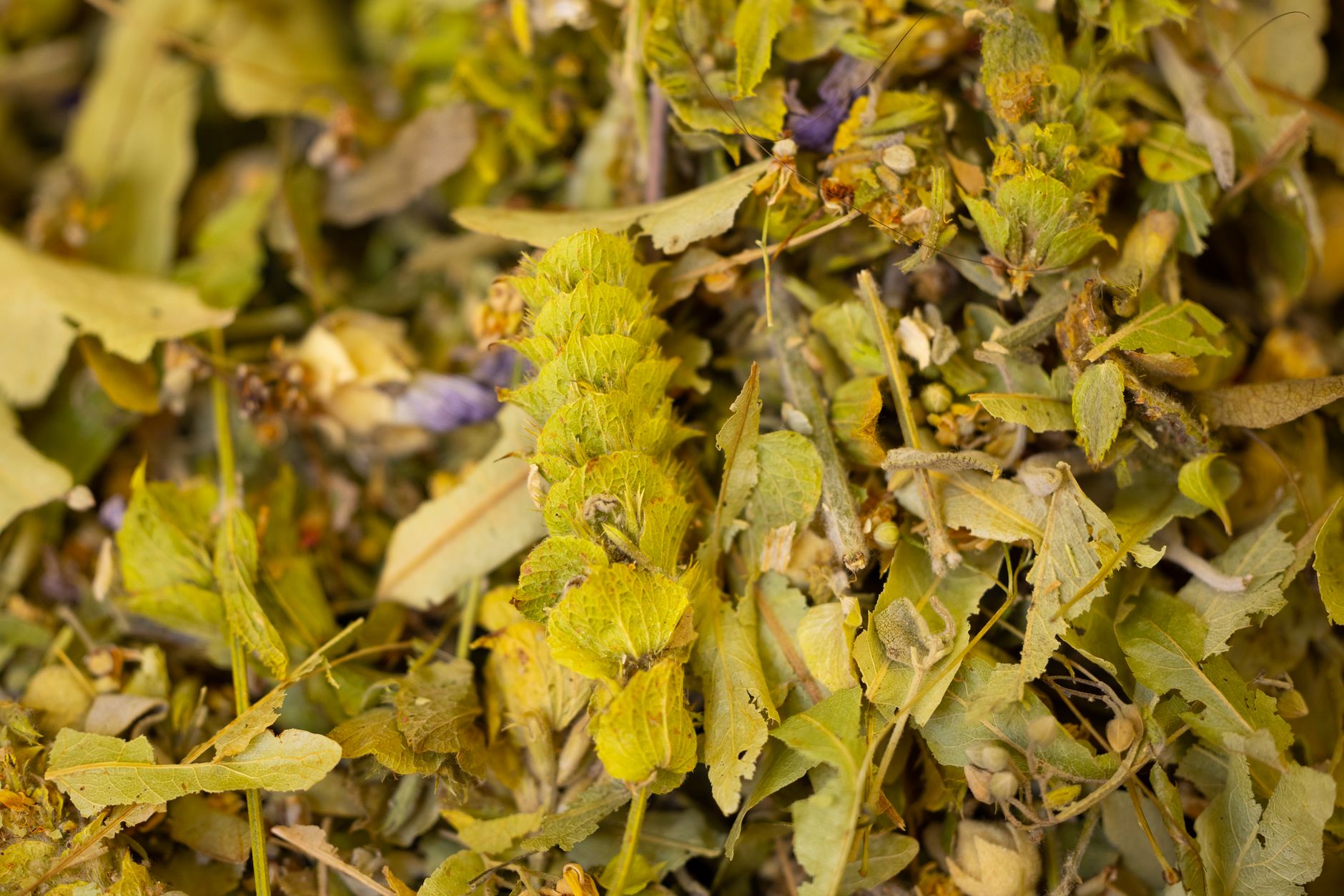
This botanical resilience is a testament to its robust biological makeup, hinting at the potent compounds housed within its leaves, stems, flowers, and roots. Understanding its natural habitat and growth patterns provides context for its traditional uses and informs our appreciation of its inherent vitality. The plant’s deep roots and ability to flourish in nutrient-sparse environments suggest an evolutionary advantage that often correlates with the production of stress-response compounds, many of which prove beneficial to human health.
Historical Context and Traditional Wisdom: Echoes of Ancestral Healing
The moniker “Neglected sweetvetch” might suggest its recent discovery, yet its therapeutic value has been recognized and utilized for centuries by various indigenous communities across its native range. For many Native American tribes, including the Arctic Dene, Gwich’in, and Inuit peoples, sweetvetch species, including *Hedysarum boreale*, were not merely sources of sustenance but also integral components of their traditional medicine chest. The fleshy, starchy roots, often referred to as “Indian potatoes,” were a significant food source, consumed raw, boiled, roasted, or dried and pounded into flour. This historical dietary use underscores its safety and nutritional richness.
Beyond its culinary utility, the medicinal applications of Neglected sweetvetch were diverse and deeply rooted in empirical observation. Indigenous healers traditionally employed various parts of the plant to address a wide array of ailments. Decoctions of the roots were used to treat respiratory conditions, including coughs, colds, and sore throats, suggesting expectorant and anti-inflammatory properties. Topical applications, such as poultices made from crushed roots or leaves, were applied to wounds, boils, and skin irritations to promote healing and reduce inflammation. Some accounts also describe its use as a general tonic to enhance vitality and resilience, particularly during periods of strenuous activity or recovery from illness. The oral histories and practices passed down through generations serve as invaluable testaments to the plant’s efficacy, guiding contemporary scientific inquiry into its therapeutic mechanisms.
The Phytochemical Symphony: Deconstructing Neglected Sweetvetch’s Bioactive Compounds
The profound health benefits attributed to Neglected sweetvetch stem from its intricate cocktail of bioactive compounds. Modern phytochemistry has begun to unravel this complexity, identifying several key classes of molecules that work synergistically to exert their therapeutic effects. Understanding these compounds is crucial to appreciating the plant’s medicinal potential.
One of the most significant groups of compounds found in Neglected sweetvetch are **flavonoids**. These potent plant pigments are renowned for their robust antioxidant and anti-inflammatory properties. Specific flavonoids like quercetin, kaempferol, and their glycosides are commonly found in *Hedysarum* species. Quercetin, for instance, is a well-researched compound that stabilizes mast cells, reduces histamine release, and inhibits the production of pro-inflammatory cytokines, making it a valuable agent in allergic and inflammatory conditions. Kaempferol also exhibits powerful antioxidant activity, protecting cellular structures from damage by free radicals, and has been studied for its potential anti-cancer properties.
Another crucial class of compounds is **saponins**. These natural glycosides are known for their foam-forming properties and diverse biological activities. In *Hedysarum* species, triterpenoid saponins are particularly abundant. These compounds have been linked to several health benefits, including cholesterol-lowering effects (by binding to cholesterol in the digestive tract), immune-modulating properties (acting as adjuvants), and even anti-cancer activity by inducing apoptosis in cancer cells. Some saponins can also contribute to the plant’s expectorant qualities, helping to thin mucus in the respiratory passages.

**Polysaccharides**, complex carbohydrates, are also present and contribute significantly to its immune-boosting and adaptogenic potential. These macromolecules can stimulate macrophage activity, enhance natural killer cell function, and modulate cytokine production, thereby fortifying the body’s defenses. Furthermore, some polysaccharides can act as prebiotics, nourishing beneficial gut bacteria and promoting a healthy digestive ecosystem.
**Phenolic acids**, such as caffeic acid, ferulic acid, and chlorogenic acid, represent another important group of antioxidants. These compounds are effective at scavenging free radicals, chelating metal ions, and inhibiting lipid peroxidation, all of which contribute to cellular protection and overall health. Their presence augments the plant’s anti-inflammatory and chemopreventive capabilities.
Beyond these major categories, Neglected sweetvetch also contains trace amounts of other beneficial compounds, including vitamins (e.g., Vitamin C), minerals, essential amino acids (especially in the roots), and possibly alkaloids, although the latter are typically less emphasized in *Hedysarum* species. The synergistic interplay of these various phytochemicals creates a holistic therapeutic effect that is often greater than the sum of individual compounds, a phenomenon known as botanical synergy.
Comprehensive Health Benefits: A Deep Dive into Neglected Sweetvetch’s Therapeutic Prowess
The rich biochemical profile of Neglected sweetvetch translates into a wide array of potential health benefits, touching upon several critical physiological systems. Its traditional uses are increasingly validated by contemporary scientific investigations, offering a compelling case for its broader adoption in natural health protocols.
1. Potent Immune System Modulation and Enhancement
One of the most compelling benefits of Neglected sweetvetch lies in its ability to modulate and strengthen the immune system. The polysaccharides, particularly beta-glucans, are key players in this regard. These complex carbohydrates interact with specific receptors on immune cells, such as macrophages and natural killer (NK) cells, stimulating their activity. This activation leads to an enhanced ability to detect and neutralize pathogens, including viruses and bacteria.
Furthermore, these polysaccharides can promote the production of cytokines, which are signaling molecules that orchestrate the immune response. By fine-tuning cytokine release, Neglected sweetvetch can help balance immune function, preventing both under-response (leaving the body vulnerable) and over-response (leading to autoimmune conditions or excessive inflammation). Its adaptogenic potential also extends to helping the immune system cope with stress, ensuring robust defenses even under challenging conditions. This makes it a valuable botanical for seasonal immune support and for individuals seeking to bolster their general resistance to infections.
2. Superior Anti-inflammatory and Analgesic Properties
Chronic inflammation is a root cause of numerous modern diseases, from cardiovascular issues to neurodegenerative disorders. Neglected sweetvetch offers significant anti-inflammatory benefits, primarily through its flavonoid and phenolic acid content. These compounds exert their effects through multiple pathways.
Flavonoids like quercetin can inhibit the enzymes cyclooxygenase (COX) and lipoxygenase (LOX), which are critical in the synthesis of pro-inflammatory mediators such as prostaglandins and leukotrienes. By blocking these pathways, Neglected sweetvetch can effectively reduce pain, swelling, and redness associated with inflammatory conditions. Additionally, these compounds can suppress the activation of NF-κB, a protein complex that controls transcription of DNA and is central to inflammatory responses. This multi-pronged approach to inflammation makes it a promising natural remedy for conditions like arthritis, muscle soreness, and inflammatory bowel disease. Its traditional use for joint pain and skin inflammation further supports these claims, acting as a natural analgesic by reducing the underlying inflammatory processes that cause discomfort.
3. Robust Antioxidant Defense Against Oxidative Stress
Oxidative stress, caused by an imbalance between free radicals and the body’s ability to detoxify them, contributes to cellular damage, accelerates aging, and is implicated in the pathogenesis of countless chronic diseases. Neglected sweetvetch is a rich source of antioxidants, including flavonoids, phenolic acids, and certain vitamins. These compounds act as powerful free radical scavengers, neutralizing harmful reactive oxygen species (ROS) before they can inflict damage on DNA, proteins, and lipids.
By bolstering the body’s antioxidant defenses, Neglected sweetvetch helps protect cells from oxidative damage, supporting cellular integrity and function. This protective effect extends to vital organs, potentially reducing the risk of conditions associated with oxidative stress, such as cardiovascular disease, certain cancers, and neurodegenerative disorders. The continuous consumption of antioxidant-rich botanicals like sweetvetch can contribute significantly to long-term cellular health and vitality, slowing down degenerative processes.
4. Cardiovascular Health Support and Lipid Regulation
Emerging research and traditional understanding suggest that Neglected sweetvetch may offer benefits for cardiovascular health. Saponins, in particular, play a role in lipid metabolism. They can bind to cholesterol in the gastrointestinal tract, preventing its absorption and promoting its excretion, thereby contributing to lower serum cholesterol levels. This effect can be crucial in managing hypercholesterolemia, a major risk factor for atherosclerosis and heart disease.
Furthermore, the antioxidant and anti-inflammatory properties of flavonoids and phenolic acids found in sweetvetch can protect blood vessels from oxidative damage and inflammation, which are key contributors to endothelial dysfunction and plaque formation. By promoting healthier blood vessel function and reducing oxidative stress, Neglected sweetvetch may contribute to maintaining optimal blood pressure and improving overall circulatory health, serving as a proactive measure against cardiovascular ailments.
5. Digestive Harmony and Gut Microbiome Enhancement
A healthy gut is foundational to overall health, influencing everything from immunity to mood. Neglected sweetvetch can contribute to digestive well-being through several mechanisms. Its mucilaginous components and polysaccharides can act as soothing agents, forming a protective layer over the gastrointestinal lining, which can alleviate irritation and inflammation in conditions like gastritis or irritable bowel syndrome. This demulcent action provides relief and supports the healing of inflamed mucous membranes.
Moreover, the polysaccharides in sweetvetch can serve as prebiotics, non-digestible food ingredients that selectively stimulate the growth and activity of beneficial bacteria in the colon, such as *Bifidobacterium* and *Lactobacillus*. A flourishing gut microbiome is essential for optimal nutrient absorption, vitamin synthesis, and immune regulation, reinforcing the gut-brain axis and overall systemic health. By fostering a balanced microbial ecosystem, Neglected sweetvetch contributes to improved digestion, reduced bloating, and enhanced nutrient assimilation.
6. Metabolic Regulation and Blood Sugar Management Potential
In the context of modern health challenges, the ability to support healthy metabolic function is highly valued. While research specifically on Neglected sweetvetch in this area is ongoing, related *Hedysarum* species and the presence of certain compounds suggest potential benefits for blood sugar regulation. Some flavonoids and polysaccharides have been shown in various plant studies to influence glucose metabolism. These mechanisms might include improving insulin sensitivity, slowing down the absorption of carbohydrates from the gut, or supporting pancreatic beta-cell function.
By potentially modulating blood glucose levels and improving insulin signaling, Neglected sweetvetch could be a supportive botanical for individuals looking to maintain healthy blood sugar balance, or as an adjunct therapy in the management of pre-diabetes and type 2 diabetes. Its role here would be to complement a healthy diet and lifestyle, helping the body manage glucose more efficiently.
7. Adaptogenic Qualities for Stress Resilience
Adaptogens are a unique class of herbs that help the body adapt to various stressors—physical, chemical, or biological—by normalizing physiological functions. While not traditionally classified as a primary adaptogen like ginseng or rhodiola, the overall profile of Neglected sweetvetch, especially its immune-modulating and anti-inflammatory actions, suggests it possesses adaptogenic qualities.
By enhancing cellular resilience and optimizing the body’s stress response systems, it can help reduce the detrimental effects of chronic stress. This can manifest as improved energy levels, enhanced mental clarity, and better overall stress coping mechanisms. The ability to bring the body back to a state of balance, or homeostasis, under adverse conditions is a hallmark of adaptogenic herbs, and Neglected sweetvetch appears to contribute to this systemic harmonization.
Practical Applications and Forms of Neglected Sweetvetch
As Neglected sweetvetch transitions from traditional medicine to modern wellness, it is becoming available in various forms, making it accessible for diverse applications.
Traditional Preparations: Embracing Ancestral Wisdom
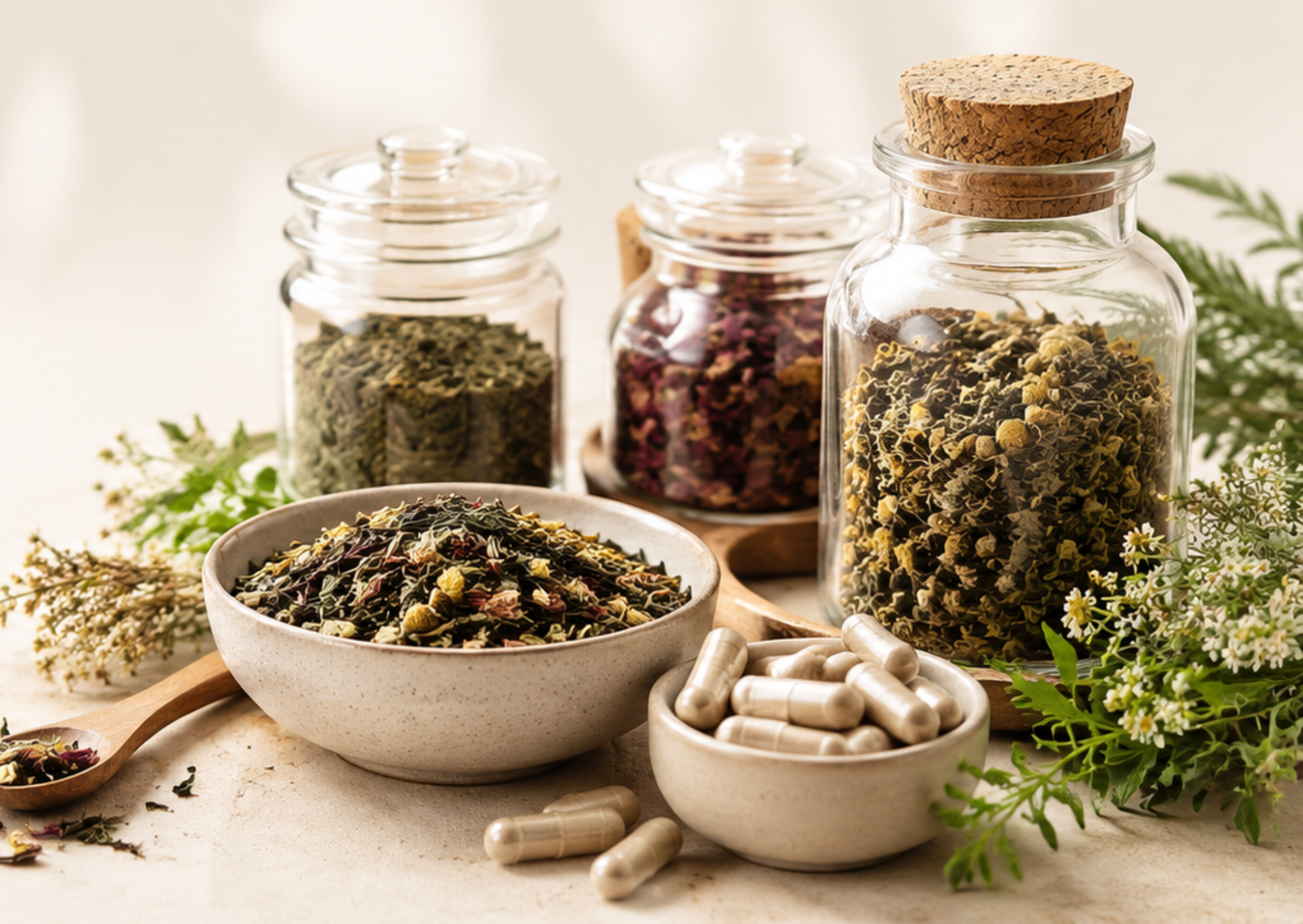
Historically, Neglected sweetvetch was primarily consumed as food or prepared as simple herbal remedies. The roots, being the most substantial part, were eaten raw, boiled, or roasted. For medicinal purposes, **decoctions** were common, made by simmering the roots in water for an extended period to extract the active compounds. This produced a potent liquid that could be drunk for internal ailments. **Infusions**, made by steeping leaves and flowers in hot water, were also used, particularly for respiratory support.

**Poultices** from crushed fresh or dried plant material (leaves, roots) were applied topically to wounds, skin irritations, and localized inflammation. The dried herb can still be used today to make teas or in culinary applications where its mild, sweet flavor is desired. Sourcing high-quality, sustainably harvested dried herb is crucial for ensuring potency and purity.
Modern Supplements: Convenience Meets Efficacy
For those seeking convenience and standardized dosages, Neglected sweetvetch is increasingly available in modern supplement forms:
- Capsules: Perhaps the most common form, capsules contain powdered dried root or extract. They offer precise dosing and are easy to incorporate into daily routines.
- Tinctures: Liquid extracts made by macerating plant material in alcohol or glycerin. Tinctures allow for rapid absorption and flexible dosing, often used by dropping into water or juice.
- Fluid Extracts: More concentrated than tinctures, fluid extracts provide a higher potency per dose.
- Standardized Extracts: Some manufacturers may offer extracts standardized to a particular active compound (e.g., specific flavonoid or saponin content), ensuring consistent potency.
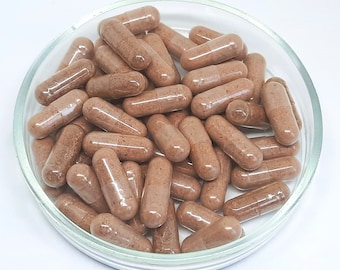
When choosing modern supplements, it is paramount to opt for reputable brands that prioritize quality, purity, and transparency in their sourcing and manufacturing processes. Look for products that are third-party tested for contaminants and potency to ensure you are receiving a safe and effective product.
Culinary Uses: Nourishment and Flavor
While primarily recognized for its medicinal properties, the roots of Neglected sweetvetch have a long history as an edible staple. They possess a mild, sweet, and somewhat starchy flavor, making them palatable as a nutritious food source. They can be cooked much like potatoes or other root vegetables – boiled, roasted, or added to stews and soups. The young leaves and shoots may also be consumed in moderation, adding a subtle flavor to salads or cooked greens. Incorporating Neglected sweetvetch into the diet is a way to not only enjoy its unique taste but also to glean its health benefits through a natural, holistic approach.
Dosage, Safety, and Important Considerations
While Neglected sweetvetch is generally considered safe, especially when consumed as food, it’s essential to approach its medicinal use with informed caution. As with any herbal supplement, individual responses can vary, and responsible usage is key.
Recommended Dosages (General Guidelines)
Specific standardized dosages for Neglected sweetvetch are not yet firmly established through extensive clinical trials. Therefore, general recommendations are often based on traditional use and anecdotal evidence. It is always best to follow the dosage instructions provided by a reputable supplement manufacturer or, ideally, consult with a qualified healthcare professional or herbalist.
- Dried Herb for Tea: Typically, 1-2 teaspoons of dried root or aerial parts steeped in hot water for 10-15 minutes, 2-3 times daily.
- Root Powder (Capsules): Doses often range from 500 mg to 1500 mg per day, divided into 1-3 doses, depending on the concentration of the extract.
- Tinctures/Extracts: Dosing will vary significantly based on the concentration of the extract. Follow product-specific instructions, which might be 1-5 ml, 1-3 times daily.
Starting with a lower dose and gradually increasing it while monitoring your body’s response is a prudent approach.

Potential Side Effects and Contraindications
Neglected sweetvetch is generally well-tolerated. However, like all botanicals, it can have potential side effects in sensitive individuals:
- Mild Digestive Upset: Some individuals might experience mild gastrointestinal discomfort, such as bloating or diarrhea, especially when starting with higher doses.
- Allergic Reactions: Though rare, allergic reactions (skin rash, itching, difficulty breathing) are possible, particularly for individuals with known allergies to plants in the Fabaceae family.
- Pregnancy and Breastfeeding: Due to a lack of sufficient research on its effects during pregnancy and lactation, it is generally recommended that pregnant or breastfeeding women avoid using Neglected sweetvetch medicinally.
- Children: Consult a healthcare professional before administering to children.
- Autoimmune Diseases: Given its immune-modulating properties, individuals with autoimmune conditions should exercise caution and consult their doctor before use, as some immune stimulants can potentially exacerbate certain autoimmune responses.
Interactions with Medications and Other Conditions
It is crucial to consider potential interactions, especially if you are taking prescription medications or have pre-existing health conditions:
- Blood Thinners: Theoretically, some compounds in sweetvetch might have mild anticoagulant effects. If you are on blood-thinning medications (e.g., Warfarin, Aspirin), consult your doctor, as it could potentially increase the risk of bleeding.
- Immunosuppressants: As an immune modulator, Neglected sweetvetch might interfere with the effects of immunosuppressant drugs.
- Diabetes Medications: If sweetvetch impacts blood sugar levels, it could interact with diabetes medications, potentially leading to hypoglycemia. Monitor blood sugar closely and consult your doctor.
- Other Herbs: Be mindful of combining with other herbs that have similar actions (e.g., other immune boosters, anti-inflammatories) as this could potentially amplify effects.
Always inform your healthcare provider about all supplements and herbs you are taking to ensure safety and avoid adverse interactions.
Conclusion: Reclaiming the Value of a Neglected Gem
Neglected sweetvetch stands as a testament to the profound healing potential often found in nature’s less heralded corners. From its humble botanical origins to its rich history in indigenous medicine, and now through the lens of modern scientific inquiry, this remarkable plant is revealing itself as a powerhouse of health benefits. Its complex array of bioactive compounds – including flavonoids, saponins, and polysaccharides – orchestrates a symphony of therapeutic actions, offering robust support for the immune system, powerful anti-inflammatory effects, potent antioxidant defense, and promising contributions to cardiovascular, digestive, and metabolic health.
As we continue to explore and validate the traditional wisdom surrounding Neglected sweetvetch, its trajectory from obscurity to recognition as a valuable botanical ally is becoming increasingly clear. For those seeking natural pathways to enhance well-being and embrace a holistic approach to health, Neglected sweetvetch represents an exciting opportunity. However, like all potent natural remedies, responsible use, adherence to dosage guidelines, and consultation with healthcare professionals are paramount. By reclaiming the value of this once-overlooked gem, we open new avenues for health, resilience, and a deeper connection to the healing power of the plant kingdom.
Disclaimer: For informational purposes only. Not medical advice. Consult a qualified healthcare professional before use.