Unlocking Nature’s Hidden Gem: The Exhaustive Health Benefits of Walnut Shell Partitions
For centuries, the noble walnut (Juglans regia) has been celebrated worldwide not only for its deliciously rich and nutritious kernels but also for its leaves, bark, and even its hard outer shell, all utilized in various traditional medicines. However, there lies a lesser-known, often-discarded component nestled within the walnut’s robust exterior: the thin, papery partitions that separate the individual kernel halves. These delicate internal structures, often overlooked or simply tossed aside, are now gaining significant scientific attention for their profound and diverse health benefits. Far from being mere botanical scaffolding, walnut shell partitions are a powerhouse of bioactive compounds, offering a spectrum of therapeutic properties that range from potent antioxidant and anti-inflammatory effects to specific support for endocrine function, cardiovascular health, and beyond. This comprehensive guide aims to peel back the layers of this unassuming botanical treasure, delving into its historical significance, intricate chemical composition, and the myriad ways it can contribute to holistic well-being.
In an era where natural remedies are increasingly scrutinized and validated by scientific inquiry, walnut shell partitions stand out as a prime example of nature’s pharmacy, offering a compelling array of potential health solutions. Join us as we explore the deep science and traditional wisdom surrounding this often-forgotten component of one of humanity’s oldest cultivated trees, aiming to provide an exhaustive resource for anyone interested in harnessing its unique properties for optimal health.
Botanical Profile and Historical Roots of the Walnut
The common walnut, Juglans regia, is an ancient deciduous tree belonging to the Juglandaceae family, native to a region stretching from the Balkans eastward to the Himalayas and southwest China. Revered since antiquity, walnuts have been cultivated for thousands of years, with archaeological evidence pointing to their consumption as far back as 7000 BCE. The tree itself is majestic, capable of reaching significant heights and living for centuries, a testament to its enduring vitality.
Within the familiar hard shell of the walnut, the kernel is divided into four lobes, separated by intricate, woody septa – these are the walnut shell partitions. These partitions develop as the fruit matures, initially soft and pliable, gradually hardening to protect the developing kernel. While the kernel has always been the primary focus of harvest, traditional medicine systems across diverse cultures intuitively recognized the value of the entire plant, including these internal structures.
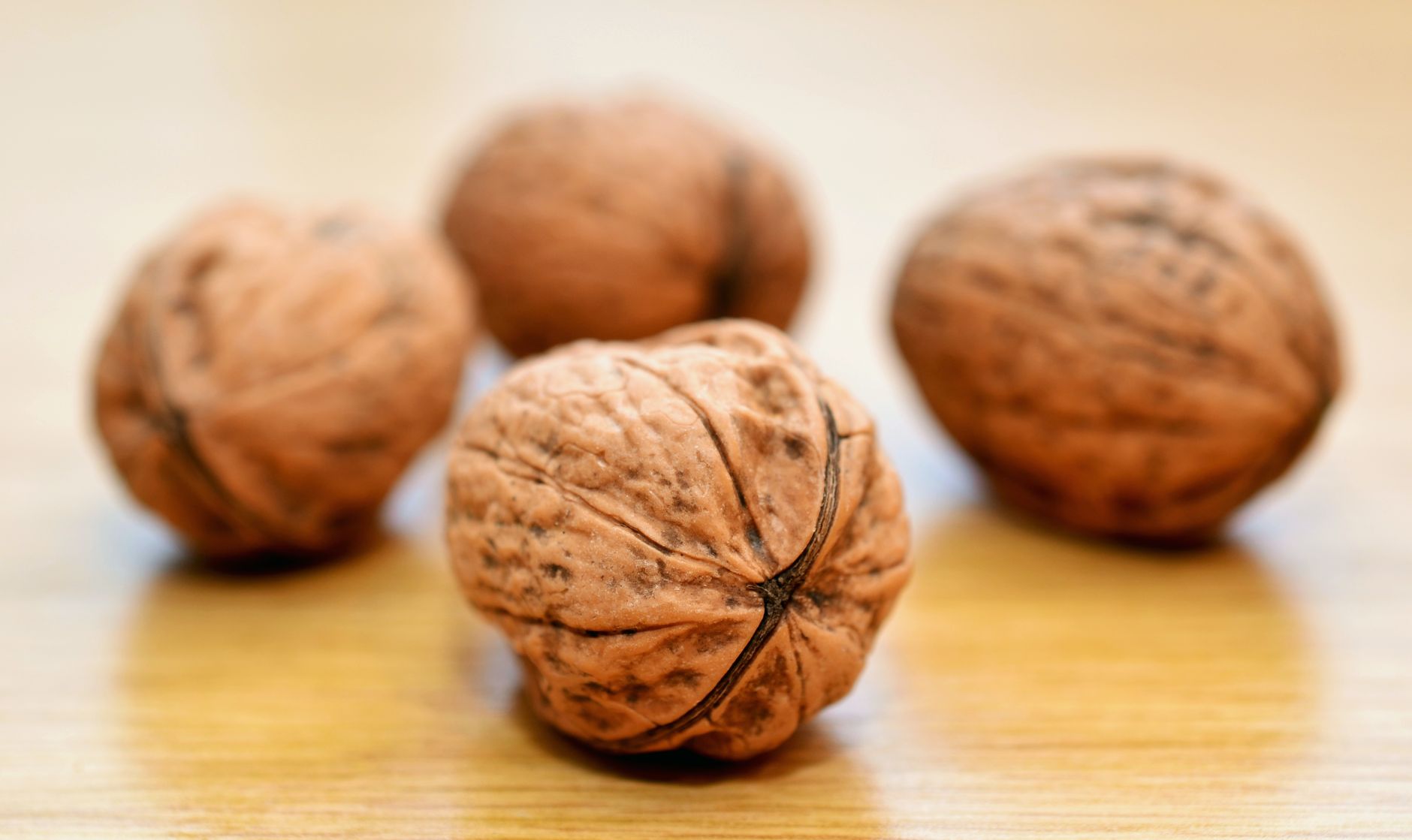
Historically, walnuts were introduced to Europe by the ancient Greeks and Romans, who prized them for their nutritional value and perceived medicinal qualities. Persian walnuts, as they were often called, were considered food for the gods. In traditional Persian, Arab, and European folk medicine, preparations made from various parts of the walnut tree, including the partitions, were employed to treat a wide array of ailments. From digestive complaints to skin conditions and even parasitic infections, the walnut was a versatile component of the herbal pharmacopoeia.
In Eastern European and Russian folk medicine, the partitions gained particular notoriety for their perceived effects on the thyroid gland. Decoctions and tinctures were prepared and used to regulate thyroid function, especially in regions prone to iodine deficiency, long before the scientific understanding of iodine’s role in thyroid health was established. This traditional knowledge, passed down through generations, laid the groundwork for contemporary scientific investigations into the unique properties of walnut shell partitions.
The Rich Phytochemistry: Bioactive Compounds in Walnut Shell Partitions
The remarkable health benefits attributed to walnut shell partitions stem from their complex and concentrated phytochemical profile. These partitions are not inert structural components but rather a rich reservoir of bioactive compounds, many of which are distinct from those found in the walnut kernel itself. Understanding these compounds is key to appreciating their therapeutic mechanisms.

Key Bioactive Compounds:
- Phenolic Compounds and Polyphenols: These are arguably the most significant class of compounds found in walnut shell partitions, present in remarkably high concentrations.
- Tannins: Particularly ellagitannins and gallotannins, are abundant. Tannins are powerful natural antioxidants with astringent properties. Ellagitannins, like those found in walnut partitions, are precursors to ellagic acid, a compound known for its robust antioxidant, anti-inflammatory, and potential anti-cancer properties. They can scavenge free radicals, chelate metal ions, and inhibit lipid peroxidation.
- Flavonoids: Quercetin, kaempferol, and other glycosides are present, contributing to the partitions’ antioxidant and anti-inflammatory capacity. Flavonoids are well-known for their ability to modulate enzyme activities, reduce capillary permeability, and exert protective effects on the cardiovascular system.
- Phenolic Acids: Including gallic acid, caffeic acid, and ferulic acid, these compounds also possess significant antioxidant and anti-inflammatory effects. Gallic acid, for instance, is a potent antioxidant and has demonstrated antimicrobial and anti-mutagenic properties.
- Iodine: One of the most historically recognized and scientifically validated components, walnut shell partitions contain natural iodine. This trace element is absolutely critical for the synthesis of thyroid hormones (thyroxine and triiodothyronine), which regulate metabolism, growth, and development. The iodine content in these partitions has been a cornerstone of their traditional use for thyroid support.
- Juglone: A potent naphthoquinone, juglone is characteristic of the Juglandaceae family. While high concentrations can be toxic, in controlled amounts, juglone has demonstrated significant antimicrobial, anti-parasitic, and even potential anti-cancer activities. Its presence contributes to the traditional use of walnuts in treating parasitic infections.
- Dietary Fiber: The fibrous nature of the partitions provides insoluble and soluble fiber, which can contribute to digestive health, aid in regularity, and support a healthy gut microbiome.
- Minerals: Beyond iodine, the partitions may contain trace amounts of other essential minerals, though typically in lower concentrations compared to the kernel.
The synergistic interaction between these various compounds is what gives walnut shell partitions their comprehensive therapeutic potential. The high antioxidant capacity, primarily driven by polyphenols, protects cells from oxidative damage, a root cause of many chronic diseases. The unique combination of iodine and these protective antioxidants makes them particularly interesting for thyroid health, offering both the necessary building block for hormones and protection against the oxidative stress often associated with thyroid dysfunction.
Deep Dive into the Health Benefits of Walnut Shell Partitions
The rich biochemical tapestry of walnut shell partitions translates into a wide array of documented and emerging health benefits, many supported by both traditional wisdom and contemporary scientific investigation.
1. Exceptional Support for Thyroid Health and Endocrine Balance
Perhaps the most historically lauded benefit of walnut shell partitions is their profound impact on thyroid function. This stems primarily from their natural iodine content. Iodine is an indispensable component of thyroid hormones (T3 and T4). A deficiency in iodine can lead to hypothyroidism, goiter (enlargement of the thyroid gland), and a host of metabolic disturbances. Walnut shell partitions offer a natural, bioavailable source of this crucial trace element, helping to ensure adequate thyroid hormone synthesis.
Beyond iodine, the potent antioxidant profile of the partitions (polyphenols, flavonoids) plays a crucial role. The thyroid gland is highly susceptible to oxidative stress, which can damage thyroid cells and impair hormone production. The antioxidants in walnut partitions help to neutralize free radicals, protecting thyroid tissue from damage and supporting optimal function. Some research suggests their potential in regulating hyperthyroidism by modulating hormone production, although this area requires more comprehensive clinical studies. Their adaptogenic qualities may help the body maintain overall endocrine equilibrium, contributing to a balanced metabolic state.
2. Potent Antioxidant and Anti-inflammatory Properties
The sheer concentration of phenolic compounds, including various tannins, flavonoids, and phenolic acids, makes walnut shell partitions a formidable antioxidant agent. These compounds actively scavenge harmful free radicals, which are unstable molecules that can cause cellular damage, contribute to aging, and are implicated in the pathogenesis of numerous chronic diseases, including cardiovascular disease, neurodegenerative disorders, and cancer.
Moreover, the anti-inflammatory effects are equally significant. Chronic low-grade inflammation is a cornerstone of many modern illnesses. The bioactive compounds in walnut shell partitions can modulate inflammatory pathways, inhibiting the production of pro-inflammatory cytokines (e.g., TNF-alpha, IL-6), downregulating enzymes like cyclooxygenase (COX) and lipoxygenase (LOX), and generally attenuating the inflammatory cascade. This dual action of combating oxidative stress and reducing inflammation provides broad-spectrum protection for cellular health and systemic well-being.
3. Cardiovascular Health Enhancement
The benefits extend significantly to the cardiovascular system. The high levels of polyphenols and other antioxidants contribute to several protective mechanisms:
- Cholesterol Management: Certain compounds may help reduce levels of low-density lipoprotein (LDL) cholesterol (the “bad” cholesterol) and improve the overall lipid profile, thereby reducing the risk of atherosclerosis.
- Blood Pressure Regulation: Antioxidants can improve endothelial function, the health of the inner lining of blood vessels, leading to better vasodilation and potentially contributing to lower blood pressure.
- Anti-platelet Effects: Some phytochemicals may exhibit mild anti-platelet aggregation effects, helping to prevent the formation of blood clots that can lead to heart attacks and strokes.
- Reduced Oxidative Damage: By protecting against oxidative stress in the blood vessels and heart tissue, partitions help maintain the structural integrity and functional efficiency of the cardiovascular system.
4. Digestive Health and Gut Microbiome Modulation
Traditionally, walnut shell partitions were used for various digestive ailments, particularly to address diarrhea. This is primarily due to their high tannin content, which provides astringent properties. Tannins can tighten and tone mucous membranes, reducing fluid secretion and inflammation in the gut, thereby helping to alleviate diarrhea.
Furthermore, the fiber content contributes to healthy bowel function, promoting regularity and preventing constipation. The polyphenols may also exert prebiotic effects, nourishing beneficial gut bacteria and fostering a healthy gut microbiome, which is crucial for nutrient absorption, immune function, and overall digestive balance. The presence of juglone also lends potential anti-parasitic properties, traditionally utilized to expel intestinal worms.
5. Emerging Anticancer Potential
While still primarily investigated in in-vitro and animal studies, the compounds in walnut shell partitions show promising anticancer potential. Ellagic acid, a major metabolite of the ellagitannins found in partitions, is particularly noted for its chemopreventive properties. It has been shown to:
- Induce Apoptosis: Programmed cell death in cancer cells, without harming healthy cells.
- Inhibit Cell Proliferation: Slow down the growth and division of various cancer cell lines.
- Anti-Angiogenesis: Impede the formation of new blood vessels that tumors need to grow and spread.
- Antioxidant Protection: Prevent DNA damage that can lead to carcinogenesis.
Juglone also contributes to these effects, demonstrating cytotoxicity against a range of cancer cells. It is crucial to emphasize that walnut shell partitions are not a cancer cure, but their rich composition suggests a role in cancer prevention and as an adjunctive therapy, requiring much more clinical research.
6. Blood Sugar Regulation
Preliminary research suggests that walnut shell partitions may play a role in managing blood sugar levels. Their antioxidant and anti-inflammatory properties can protect pancreatic beta cells, which are responsible for insulin production, from oxidative damage. Some compounds may also improve insulin sensitivity in peripheral tissues, allowing cells to utilize glucose more efficiently. Additionally, certain polyphenols might interfere with carbohydrate digestion and glucose absorption in the gut, leading to a more gradual rise in blood sugar after meals. This makes them a potential supportive agent for individuals managing metabolic syndrome or type 2 diabetes, though they should not replace prescribed medications.
7. Immune System Modulation
The comprehensive antioxidant and anti-inflammatory effects of walnut shell partitions naturally support a robust immune system. By reducing the overall inflammatory burden and protecting immune cells from oxidative stress, they enable the immune system to function more efficiently. Moreover, some phytochemicals may directly modulate immune responses, potentially enhancing the body’s ability to fight off infections and maintain immune homeostasis. Their traditional use as an anti-parasitic agent also highlights their role in defending the body against foreign invaders.
Practical Usage and Forms: Harnessing the Power of Walnut Shell Partitions
The versatility of walnut shell partitions allows for several practical methods of preparation and consumption, catering to both traditional preferences and modern convenience.
Traditional Preparations: Decoctions and Tinctures
Historically, the most common way to extract the beneficial compounds from walnut shell partitions was through decoctions or tinctures.
- Decoctions: This involves simmering the dried partitions in water for an extended period (typically 15-30 minutes) to extract the water-soluble compounds, including many polyphenols and iodine. The resulting liquid is then strained and consumed. Decoctions are a gentle way to access the benefits, often used for digestive issues or as a general tonic.
- Tinctures: An alcohol-based extraction, tinctures are made by steeping dried partitions in a mixture of alcohol and water for several weeks. Alcohol is a powerful solvent that can extract a broader range of compounds, including those less soluble in water. Tinctures offer a concentrated form, allowing for smaller, more potent dosages. They are often preferred for systemic effects, such as thyroid support or broad antioxidant benefits.

Modern Supplements: Capsules and Powders
For convenience and standardized dosing, walnut shell partitions are increasingly available in modern supplement forms.
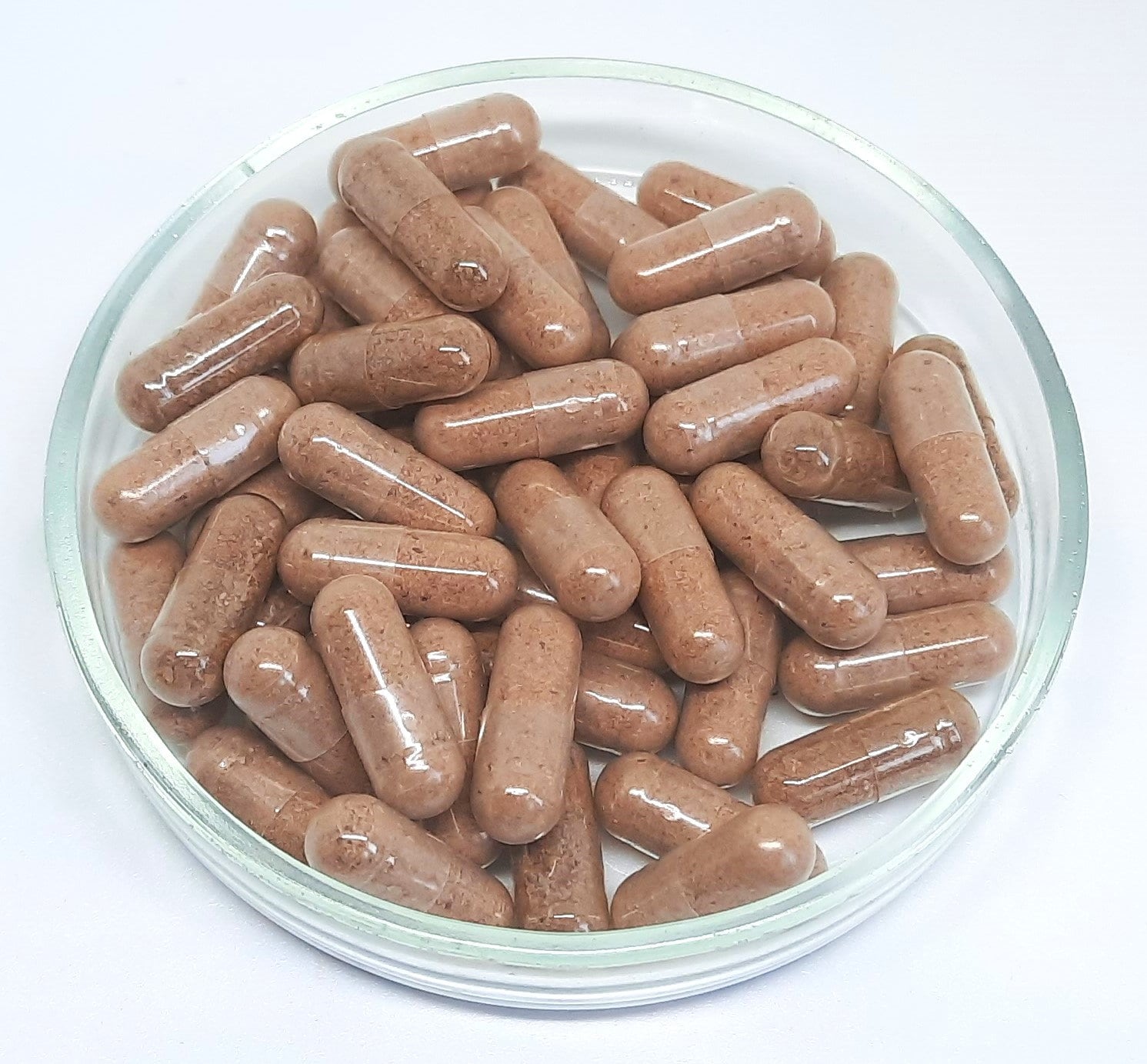
- Capsules: Dried and powdered walnut shell partitions are encapsulated, providing a tasteless and easy-to-take option. These supplements often provide a standardized amount of active compounds, ensuring consistency in dosage.
- Powders: Fine powders of the partitions can be mixed into smoothies, juices, or food. This allows for flexible dosing and can be a good option for those who prefer not to swallow capsules.
When choosing supplements, look for reputable brands that provide information on the source of their walnuts, extraction methods, and standardization of key active compounds.
Dosage, Administration, and Important Considerations
Determining the appropriate dosage for walnut shell partitions can vary significantly depending on the form (dried herb, tincture, capsule), the concentration of active compounds, and the individual’s specific health needs and sensitivities. There is no universally established recommended daily allowance, and dosage often relies on traditional use and manufacturer guidelines.
General Guidelines:
- Dried Herb (for decoction): A common traditional starting point might be 1-2 teaspoons of dried partitions simmered in 1-2 cups of water, consumed once or twice daily.
- Tincture: Dosages can range from 10-30 drops, 1-3 times daily, depending on the concentration of the tincture and the desired effect. Always follow the product’s specific instructions.
- Capsules/Powders: Follow the manufacturer’s recommended dosage, which is typically based on the standardization of active ingredients.
Important Precautions:
- Consult a Healthcare Professional: Before incorporating walnut shell partitions into your regimen, especially if you have pre-existing health conditions (particularly thyroid disorders), are pregnant or breastfeeding, or are taking medications, it is crucial to consult with a doctor or a qualified herbalist.
- Thyroid Conditions: While traditionally used for thyroid support, individuals with diagnosed thyroid conditions (hyper- or hypothyroidism) should exercise caution due to the iodine content. Excessive iodine can worsen hyperthyroidism or induce hypothyroidism in susceptible individuals. Monitoring by a healthcare provider is essential.
- Allergies: Individuals with known allergies to walnuts or other tree nuts should avoid consuming walnut shell partitions, as they may trigger allergic reactions.
- Medication Interactions: The tannins in walnut shell partitions may interfere with the absorption of certain medications or supplements if taken simultaneously. Additionally, due to potential effects on blood clotting (from polyphenols) or blood sugar, caution is advised for those on blood thinners or diabetes medications.
- Juglone Content: While beneficial in small amounts, high concentrations of juglone can be toxic. Sourcing products from reputable suppliers ensures appropriate processing and safety.
- Start Low and Go Slow: As with any new supplement, begin with a lower dose to assess your body’s reaction before gradually increasing to the recommended amount.
Future Directions and Research Opportunities
Despite centuries of traditional use and a growing body of preliminary scientific evidence, the full therapeutic potential of walnut shell partitions is still being uncovered. Most current research has focused on in-vitro studies (test tube experiments) and animal models, demonstrating promising results across various health domains. However, robust human clinical trials are necessary to conclusively validate these benefits, establish optimal dosages, and fully understand long-term safety profiles.
Future research will likely delve deeper into:
- The exact mechanisms by which specific compounds (e.g., specific ellagitannins, novel flavonoids) exert their effects.
- Their precise role in modulating the gut microbiome and its implications for systemic health.
- Further investigation into their anticancer potential, possibly as an adjunctive therapy.
- Clarifying optimal intake levels for iodine from partitions, especially for individuals with varying thyroid statuses.
- Development of standardized extracts that maximize beneficial compounds while minimizing potential adverse effects.
As scientific methodologies advance, the “forgotten” walnut partition is poised to move from the realm of traditional folk medicine into a more prominent position within evidence-based natural health practices.
Conclusion: Rediscovering a Potent Natural Ally

The humble walnut shell partition, once considered mere refuse, is re-emerging from the shadows as a powerful botanical ally with an extraordinary array of health benefits. From its historical reverence in ancient healing traditions to its contemporary validation through scientific inquiry, these internal structures of the walnut fruit offer a concentrated source of vital nutrients and potent bioactive compounds. Their exceptional antioxidant and anti-inflammatory capabilities lay the groundwork for broad protective effects against chronic diseases, while their specific contributions to thyroid health, cardiovascular function, digestive wellness, and even potential anticancer activities make them a compelling subject for both researchers and individuals seeking natural paths to health.
As we continue to explore and appreciate the intricate pharmacy of the natural world, walnut shell partitions serve as a powerful reminder that sometimes, the most potent remedies are found in the most unexpected and often overlooked places. By understanding their rich phytochemistry and historical applications, and by approaching their use with informed caution and professional guidance, we can unlock the profound therapeutic potential of this remarkable, hidden gem within the majestic walnut.
Disclaimer: For informational purposes only. Not medical advice. Consult a qualified healthcare professional before use.