The Definitive Guide to Bloody Geranium: Unveiling Its Profound Health Benefits
In the expansive and often overlooked world of botanical medicine, certain plants stand out for their enduring legacy and remarkable therapeutic potential. Among these is Geranium sanguineum, commonly known as Bloody Geranium or Bloody Cranesbill. This vibrant, resilient perennial, celebrated for its striking crimson flowers and distinctive foliage, is far more than just an ornamental garden specimen. For centuries, across various cultures, Bloody Geranium has been revered in traditional herbal practices for its potent medicinal properties, particularly its powerful astringent, anti-inflammatory, and antioxidant effects. This comprehensive guide delves deep into the multifaceted health benefits of Bloody Geranium, exploring its rich historical context, its complex phytochemical composition, and the scientific mechanisms through which it contributes to human wellness, offering a definitive resource for enthusiasts and practitioners alike.
Botanical Overview and Characteristics of Geranium sanguineum
Geranium sanguineum, often referred to as Bloody Geranium or Bloody Cranesbill, belongs to the Geraniaceae family, a diverse group encompassing hundreds of species known for their ornamental value and medicinal applications. The epithet “sanguineum” is Latin for “blood-red,” a direct reference to its vibrant, often deep magenta or crimson flowers and, in some varieties, the reddish autumnal hue of its foliage, giving rise to its common name. This hardy herbaceous perennial is native to a vast area spanning Europe and temperate Asia, thriving in diverse habitats from grasslands and woodlands to coastal dunes and rocky slopes.
Characteristically, Bloody Geranium grows in a low, spreading mound, typically reaching heights of 12 to 18 inches (30-45 cm) with a similar spread. Its leaves are deeply lobed and palmate, presenting a delicate, lacy appearance, often turning striking shades of red and orange in the cooler months, adding to its aesthetic appeal. The cup-shaped flowers, typically 1 to 1.5 inches (2.5-4 cm) in diameter, appear singly or in loose clusters, blooming profusely from late spring through summer. The plant’s resilient nature and adaptability to various soil conditions, coupled with its resistance to pests and diseases, underscore its robust biological makeup, which in turn contributes to its potent medicinal properties.

Historical Context and Traditional Uses: A Legacy of Healing
The therapeutic journey of Bloody Geranium traces back through centuries, deeply woven into the fabric of traditional European folk medicine. Its use predates modern pharmacology, relying instead on observation, experience, and the transfer of knowledge across generations. Historically, the plant’s robust nature and striking appearance were often seen as indicators of its inner strength and efficacy. Early herbalists and traditional healers recognized its potent astringent qualities, primarily utilizing it to staunch bleeding, both internally and externally. Its common name, “Bloody Cranesbill,” might also stem from its historical application in treating conditions involving blood, or perhaps from the reddish staining its roots or leaves could produce.
Across various regions, Bloody Geranium was employed to address a spectrum of ailments. Topically, preparations from the plant were applied to accelerate wound healing, reduce swelling, and combat skin irritations. Poultices made from crushed leaves were a common remedy for minor cuts, scrapes, and burns, providing a protective and healing layer. Internally, decoctions and infusions were prescribed for gastrointestinal complaints, particularly diarrhea and dysentery, leveraging its ability to tighten tissues and reduce fluid secretion in the digestive tract. It was also used to manage conditions affecting the mouth and throat, such as sore throats, gingivitis, and mouth ulcers, where its astringent properties helped soothe inflamed mucous membranes. The wisdom embedded in these traditional practices serves as a foundational testament to Bloody Geranium’s efficacy, guiding modern scientific inquiry into its mechanisms of action.
Phytochemistry: The Powerhouse of Bioactive Compounds
The remarkable health benefits attributed to Bloody Geranium are fundamentally rooted in its rich and complex phytochemical profile. This plant is a veritable natural pharmacy, harboring a diverse array of bioactive compounds that work synergistically to exert their therapeutic effects. Understanding these constituents is key to appreciating the plant’s profound impact on human health.

Tannins: The Astringent and Antioxidant Backbone
Perhaps the most prominent and well-studied class of compounds in Bloody Geranium are tannins. These are water-soluble polyphenols renowned for their ability to bind and precipitate proteins. The plant is particularly rich in hydrolyzable tannins, including ellagitannins and gallotannins. It is these tannins that are primarily responsible for the plant’s potent astringent properties. When applied to tissues, tannins react with the proteins on the surface of mucous membranes or skin, forming a protective, impermeable layer. This action not only helps to tighten and tone tissues but also reduces permeability, thereby minimizing fluid secretion, alleviating inflammation, and staunching minor bleeding. This mechanism explains its traditional use in treating diarrhea, dysentery, and superficial wounds. Beyond their astringency, tannins are also formidable antioxidants, capable of scavenging free radicals and mitigating oxidative stress, contributing significantly to cellular protection and anti-aging effects.
Flavonoids: Antioxidant and Anti-inflammatory Agents
Bloody Geranium also boasts a significant concentration of flavonoids, a broad group of plant metabolites known for their diverse pharmacological activities. Key flavonoids found in the plant often include derivatives of quercetin and kaempferol. These compounds are powerful antioxidants, working to neutralize harmful free radicals that contribute to cellular damage and the onset of chronic diseases. Their antioxidant capacity also contributes to the protection of vascular integrity and supports overall cardiovascular health. Furthermore, flavonoids are well-documented for their anti-inflammatory properties. They can modulate various inflammatory pathways, inhibiting the production of pro-inflammatory cytokines and enzymes like cyclooxygenase (COX) and lipoxygenase (LOX), which are central to the inflammatory cascade. This dual action of antioxidant and anti-inflammatory effects makes flavonoids crucial contributors to Bloody Geranium’s therapeutic profile in managing inflammatory conditions.
Phenolic Acids: Multifaceted Protective Compounds
In addition to tannins and flavonoids, Bloody Geranium contains various phenolic acids, such as gallic acid and ellagic acid. These compounds are potent antioxidants themselves, further bolstering the plant’s capacity to combat oxidative stress. Ellagic acid, in particular, has garnered attention for its potential chemopreventive properties, showing promise in various preclinical studies for its ability to inhibit cancer cell growth and induce apoptosis (programmed cell death) in certain cancer lines. Gallic acid also exhibits notable antioxidant, anti-inflammatory, and antimicrobial activities, enhancing the plant’s overall therapeutic spectrum. These phenolic acids work in concert with other phytochemicals to provide comprehensive cellular protection and contribute to the plant’s overall health-promoting attributes.
Other Bioactive Constituents
While tannins, flavonoids, and phenolic acids form the core of Bloody Geranium’s medicinal strength, the plant may also contain other compounds such as volatile oils (though less prominent than in some other Geranium species), resins, and trace amounts of minerals and vitamins. These components, even in smaller quantities, can contribute to the synergistic effects of the whole plant extract, enhancing its overall efficacy and bioavailability, and providing a holistic approach to wellness.
Comprehensive Health Benefits of Bloody Geranium: A Deep Dive
The rich tapestry of bioactive compounds within Bloody Geranium translates into an impressive array of health benefits that address various bodily systems. These advantages are often interconnected, with the plant’s primary actions creating a ripple effect of positive physiological responses.
1. Potent Antioxidant Protection
One of the most significant benefits of Bloody Geranium stems from its exceptional antioxidant capacity. The high concentrations of tannins, flavonoids, and phenolic acids act as powerful scavengers of free radicals, unstable molecules that can cause oxidative damage to cells, DNA, and proteins. This oxidative stress is a primary driver of aging and a contributing factor to the development of numerous chronic diseases, including cardiovascular disease, neurodegenerative disorders, and certain cancers. By neutralizing these harmful free radicals, Bloody Geranium helps to protect cellular integrity, reduce the burden of oxidative damage, and support the body’s natural defense mechanisms. This sustained cellular protection is fundamental for maintaining overall health, promoting longevity, and preventing the premature onset of age-related conditions.
2. Powerful Anti-inflammatory Effects
Chronic inflammation is a silent epidemic underlying a vast array of modern diseases, from arthritis and inflammatory bowel disease to metabolic syndrome and certain autoimmune conditions. Bloody Geranium exhibits remarkable anti-inflammatory properties, largely due to its flavonoid content and other polyphenols. These compounds work by modulating key inflammatory pathways within the body. They can inhibit the production and release of pro-inflammatory mediators, such as cytokines (e.g., TNF-alpha, interleukins) and prostaglandins, by downregulating enzymes like cyclooxygenase-2 (COX-2) and lipoxygenase (LOX). By dampening the inflammatory cascade, Bloody Geranium can help to reduce pain, swelling, and tissue damage associated with chronic inflammatory states. This makes it a valuable natural adjunct for managing conditions characterized by persistent inflammation, offering a gentle yet effective alternative or complement to conventional anti-inflammatory treatments.
3. Astringent and Wound Healing Properties
The pronounced astringent action of Bloody Geranium is one of its most historically recognized and scientifically validated benefits. The abundant tannins in the plant interact with proteins on the surface of skin and mucous membranes, causing them to contract and form a protective, constrictive layer. This action serves multiple therapeutic purposes. Firstly, it helps to staunch minor bleeding from superficial cuts and abrasions by promoting the coagulation of superficial proteins. Secondly, by tightening pores and reducing fluid secretion, it aids in drying out weeping wounds and diminishing swelling, creating an environment conducive to healing. Thirdly, this protective barrier provides a degree of antimicrobial defense, shielding the wound from further infection. When applied topically, it can accelerate the healing process, reduce the risk of secondary infections, and alleviate discomfort associated with various skin irritations, minor burns, and even hemorrhoids. Internally, this astringency is key to its efficacy in managing digestive issues like diarrhea.
4. Digestive Health Support
Bloody Geranium has a long-standing tradition of use in supporting digestive wellness, primarily targeting conditions characterized by excessive fluid loss or inflammation in the gastrointestinal tract. Its potent astringent properties are particularly effective in managing diarrhea and dysentery. By constricting the tissues in the intestinal lining, the tannins help to reduce excessive fluid secretion and absorption, thereby firming stools and alleviating loose bowel movements. Furthermore, the anti-inflammatory compounds help to soothe the inflamed mucous membranes of the gut, reducing discomfort and promoting healing of the intestinal lining. This dual action makes it a valuable natural remedy for acute episodes of gastrointestinal upset, contributing to a quicker resolution of symptoms and restoration of digestive balance. Its potential antimicrobial properties also play a role in combating gut pathogens that might contribute to these conditions.
5. Immune System Modulation and Antimicrobial Activity
While not a direct immune booster in the conventional sense, Bloody Geranium contributes to immune health through its broad-spectrum protective effects. The reduction in oxidative stress and chronic inflammation frees up immune resources, allowing the body’s defense mechanisms to function more optimally. Moreover, some studies suggest that the plant’s phytochemicals, particularly tannins and phenolic acids, possess mild antimicrobial properties. These compounds can inhibit the growth of certain bacteria and fungi, offering a natural line of defense against common pathogens. This antimicrobial action can be beneficial both internally, by helping to rebalance gut flora, and externally, by reducing the risk of infection in wounds or skin conditions. This indirect immune support, coupled with direct antimicrobial action, enhances the body’s overall resilience against environmental challenges and potential infections.
6. Potential Cardioprotective Benefits
The antioxidant and anti-inflammatory actions of Bloody Geranium extend their protective influence to the cardiovascular system. Oxidative stress and chronic inflammation are significant contributors to the development and progression of atherosclerosis, hypertension, and other heart-related conditions. By mitigating these underlying factors, the compounds in Bloody Geranium can help to protect blood vessels from damage, improve endothelial function, and reduce the risk of plaque formation. While not a standalone treatment for serious cardiovascular diseases, incorporating Bloody Geranium into a holistic wellness regimen could offer supportive benefits in maintaining heart health and reducing long-term risk factors, particularly in conjunction with a healthy lifestyle.
Practical Usage and Forms of Bloody Geranium
Bloody Geranium can be incorporated into a wellness routine through various forms, depending on the desired effect and traditional practices. The specific part of the plant used often varies, with leaves, flowers, and roots all containing beneficial compounds, though the roots are typically richer in tannins.
1. Dried Herb for Teas and Infusions
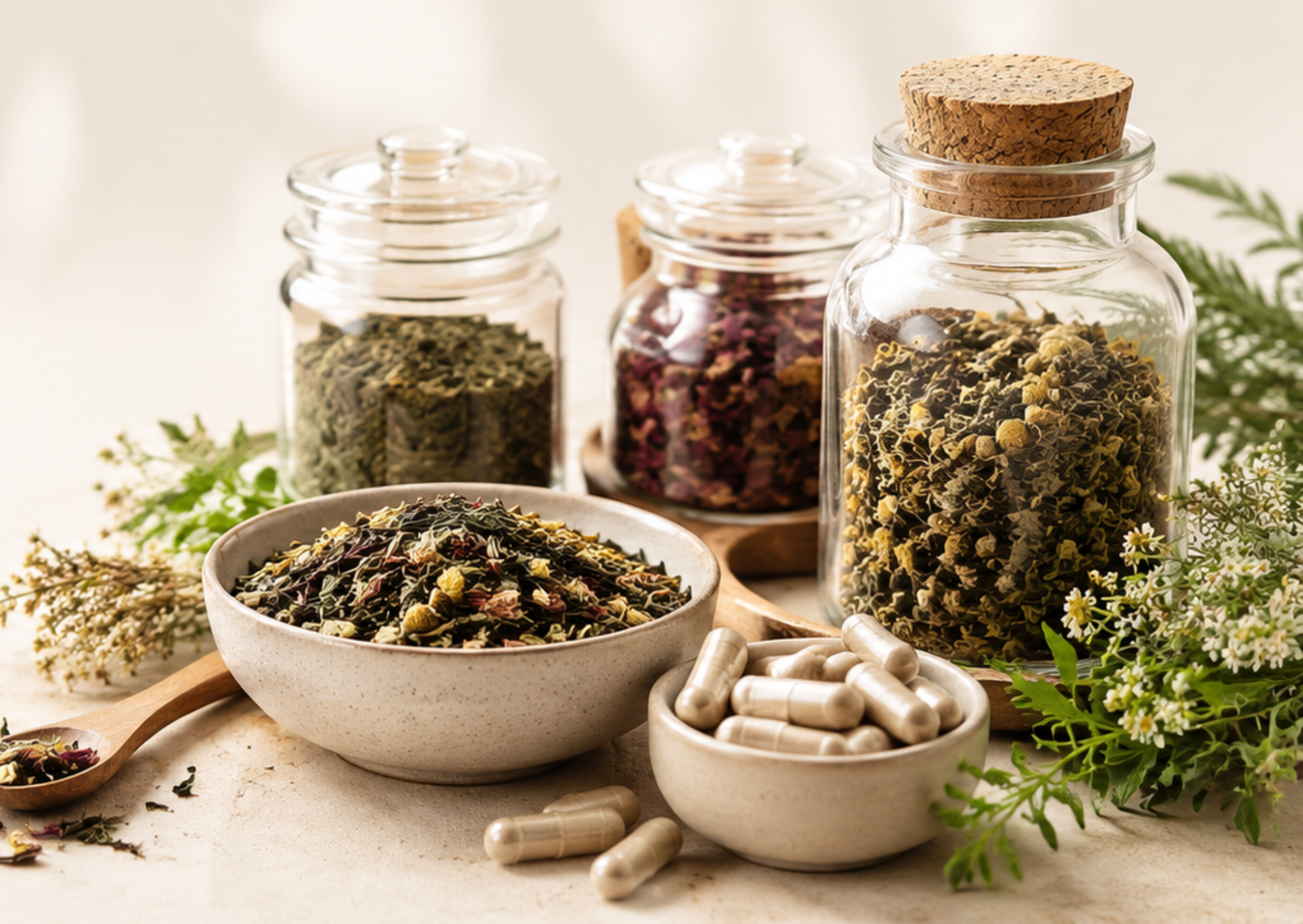
One of the most common and traditional ways to utilize Bloody Geranium is as a dried herb for making teas or infusions. This method is particularly suitable for internal use, such as for digestive complaints, or for use as a gargle for sore throats. The dried leaves and flowers, and sometimes rhizomes, are steeped in hot water, allowing the water-soluble compounds to be extracted. An infusion is generally prepared by pouring boiling water over one to two teaspoons of dried herb and letting it steep for 10-15 minutes before straining. For a stronger decoction, particularly when using roots, the herb can be simmered in water for a longer period. This gentle preparation allows for the gradual release of beneficial tannins, flavonoids, and other phenolic compounds, making it a soothing and effective internal remedy.

2. Tinctures and Liquid Extracts
For a more concentrated and potent form, Bloody Geranium can be prepared as a tincture. Tinctures are typically alcohol-based extracts that are highly effective at drawing out a broader spectrum of the plant’s active constituents, including compounds that may not be as soluble in water. They offer a convenient way to administer the herb, usually by adding a few drops or a small dose to water or juice. Tinctures are often favored for systemic effects, offering a consistent dosage and longer shelf life. The concentration and specific dosage will vary depending on the product and the individual’s needs, making professional guidance particularly valuable for this form of administration.
3. Topical Applications: Poultices, Compresses, and Washes
For external conditions, Bloody Geranium is highly effective when applied topically. A poultice made from fresh, crushed leaves or a strong decoction can be applied directly to wounds, skin irritations, or areas of inflammation. Compresses soaked in a strong infusion or decoction can provide relief for conditions like eczema, minor burns, or aching joints. Washes or rinses can be prepared from the tea for oral hygiene, to soothe gingivitis, or for use as a gargle for sore throats. These topical applications directly leverage the plant’s astringent, anti-inflammatory, and mild antimicrobial properties to promote localized healing and reduce discomfort, making it an excellent natural first-aid remedy.
4. Capsules and Supplements
With the increasing popularity of herbal medicine, Bloody Geranium is also available in standardized capsule or tablet form. These supplements typically contain powdered dried herb or concentrated extracts, offering a convenient and precisely dosed option for those seeking its internal benefits. Standardized extracts ensure a consistent level of active compounds, providing a reliable therapeutic effect. When choosing encapsulated forms, it is crucial to select products from reputable manufacturers that provide third-party testing and transparency regarding their sourcing and processing methods to ensure purity and potency. These forms are often preferred for long-term supportive care, where consistent internal administration is desired.
Dosage and Administration Guidelines
Establishing precise dosage guidelines for herbal remedies like Bloody Geranium can be complex, as it often depends on the specific form of the herb, the concentration of active compounds, the individual’s health status, age, weight, and the condition being treated. While traditional usage provides a baseline, modern applications often benefit from a more informed approach.
- For Teas/Infusions: A common recommendation involves using 1-2 teaspoons (approximately 2-4 grams) of dried Bloody Geranium herb per cup of boiling water. Steeping for 10-15 minutes is usually sufficient. This can be consumed 2-3 times daily for general well-being or acute digestive issues. For a more potent effect, particularly from roots, a decoction might involve simmering 1-2 teaspoons of dried root in a cup of water for 15-20 minutes.
- For Tinctures: Tincture dosages typically range from 1-5 ml (20-100 drops) up to three times a day, but this is highly dependent on the concentration of the specific tincture. Always follow the manufacturer’s instructions on the product label or seek advice from a qualified herbalist or healthcare practitioner.
- For Topical Applications: For poultices or compresses, a strong infusion or decoction is recommended. The frequency of application can be several times a day as needed for relief and healing. For oral rinses or gargles, the infusion can be used several times daily, ensuring it is not swallowed if specific constituents are not intended for internal consumption.
- For Capsules/Supplements: Dosage for encapsulated forms varies significantly based on the extract’s potency and standardization. Typically, doses might range from 200 mg to 500 mg of an extract, taken 1-3 times daily. It is paramount to adhere strictly to the dosage instructions provided on the product label and to consult with a healthcare professional before starting any new supplement regimen, especially for chronic conditions.
It is always advisable to start with the lowest effective dose and gradually increase if necessary, while carefully monitoring for any individual responses. Due to its potent astringency, excessive intake, particularly of highly concentrated forms, could potentially lead to constipation or gastrointestinal discomfort in sensitive individuals. As with all powerful herbal remedies, professional guidance from an experienced herbalist, naturopath, or healthcare provider is highly recommended to ensure safe and effective use, especially for pregnant or breastfeeding individuals, those with pre-existing medical conditions, or those taking other medications.

Potential Side Effects and Precautions
While Bloody Geranium is generally considered safe when used appropriately, particularly in traditional preparations and recommended dosages, it is crucial to be aware of potential side effects and necessary precautions. As with any potent herbal remedy, individual sensitivities and unique physiological responses can vary.
- Gastrointestinal Discomfort: Due to its high tannin content and strong astringent properties, excessive consumption of Bloody Geranium, especially in concentrated forms, can potentially lead to gastrointestinal upset. This might manifest as constipation, stomach cramps, or nausea in sensitive individuals. Adhering to recommended dosages is crucial to mitigate this risk.
- Allergic Reactions: Although rare, some individuals may experience allergic reactions to Bloody Geranium, particularly if they have known sensitivities to plants in the Geraniaceae family. Symptoms could include skin rash, itching, or digestive upset. Discontinue use if any adverse reactions occur.
- Drug Interactions: There is limited extensive research on specific drug interactions with Bloody Geranium. However, its astringent properties could theoretically affect the absorption of certain medications if taken concurrently. Individuals on anticoagulant medications, blood pressure medication, or those with chronic health conditions should exercise caution and consult their healthcare provider before incorporating Bloody Geranium into their regimen. The tannins could interfere with iron absorption, so it’s advisable to take iron supplements at a different time of day.
- Pregnancy and Lactation: Due to insufficient research on its safety during pregnancy and breastfeeding, it is generally recommended that pregnant and lactating women avoid using Bloody Geranium. The potential effects of its potent compounds on fetal development or infant health are not well-established.
- Underlying Health Conditions: Individuals with pre-existing liver or kidney conditions, or severe gastrointestinal disorders, should use Bloody Geranium with extreme caution and under medical supervision. The plant’s potent compounds may impact these systems.
- Quality and Sourcing: Always source Bloody Geranium products from reputable suppliers to ensure purity, potency, and freedom from contaminants. Wild-harvested plants should only be gathered by experienced individuals to avoid misidentification and ensure sustainable practices.
Ultimately, while Bloody Geranium offers a wealth of potential health benefits, a cautious and informed approach is paramount. Consulting with a healthcare professional, especially one knowledgeable in herbal medicine, is always the best course of action to ensure safety and suitability for individual health needs.
Cultivation and Sustainability of Bloody Geranium
Beyond its medicinal attributes, Bloody Geranium is also a remarkably resilient and beautiful plant that is relatively easy to cultivate, making it a sustainable choice for home gardens and larger-scale production. Understanding its cultivation requirements also speaks to its innate hardiness and natural abundance.
Geranium sanguineum thrives in a variety of conditions, preferring full sun to partial shade and well-drained soil. It is tolerant of drought once established and can withstand a wide range of temperatures, from cold winters to hot summers. Its adaptability makes it an excellent candidate for ecological restoration projects and a valuable plant for pollinators. From a sustainability perspective, this means that Bloody Geranium can often be grown without the need for extensive chemical inputs, contributing to healthier ecosystems.
For those interested in growing their own supply for personal use, seeds can be sown in spring or autumn, or divisions can be taken from established plants. Harvesting leaves and flowers can be done throughout the growing season, while roots are best harvested in the autumn after the plant has stored energy for winter. Encouraging the cultivation of Bloody Geranium not only provides a fresh source of herbal medicine but also supports biodiversity and sustainable practices in horticulture and herbalism. Ethical sourcing practices, whether through wild harvesting or cultivation, are crucial to ensure the long-term viability of this valuable botanical resource.
Conclusion: Embracing the Enduring Power of Bloody Geranium
Bloody Geranium, or Geranium sanguineum, stands as a testament to the enduring power and intricate complexity of nature’s pharmacopoeia. From its captivating crimson blooms to its deeply lobed foliage, this plant has offered a quiet yet profound source of healing for centuries. Our deep dive into its botanical characteristics, rich historical uses, and comprehensive phytochemical profile reveals a plant brimming with therapeutic potential, primarily driven by its significant content of tannins, flavonoids, and phenolic acids.
The health benefits attributed to Bloody Geranium are extensive and impactful: its formidable antioxidant capabilities protect cells from oxidative damage and premature aging; its potent anti-inflammatory properties offer relief for a spectrum of inflammatory conditions; and its renowned astringency makes it an invaluable ally for wound healing, skin health, and digestive regulation. Furthermore, its potential to modulate immune responses and exhibit mild antimicrobial effects solidifies its role as a holistic contributor to overall well-being.
As we navigate an increasingly health-conscious world, the demand for natural, effective, and sustainably sourced remedies continues to grow. Bloody Geranium, whether consumed as a soothing tea, applied topically as a healing compress, or taken as a concentrated supplement, offers a compelling natural solution rooted in both traditional wisdom and emerging scientific understanding. While further rigorous research is always welcome to fully elucidate all its mechanisms and applications, the existing evidence strongly supports its position as a valuable herb deserving of greater recognition in modern herbal medicine. Embracing Bloody Geranium means embracing a piece of botanical heritage, a vibrant plant offering a natural pathway to enhanced health and vitality.
Disclaimer: For informational purposes only. Not medical advice. Consult a qualified healthcare professional before use.