
The Unrivaled Power of Tormentil: A Definitive Deep-Dive into its Profound Health Benefits
In the vast and intricate tapestry of herbal medicine, where ancient wisdom intertwines with modern scientific discovery, certain plants stand out for their enduring efficacy and multifaceted health benefits. Among these botanical treasures is Tormentil, scientifically known as Potentilla erecta (L.) Räusch. Often overshadowed by more mainstream herbs, Tormentil possesses an impressive array of therapeutic properties that have been recognized and utilized for centuries. From its potent astringent qualities that quell digestive distress to its robust anti-inflammatory and wound-healing capabilities, Tormentil represents a powerful natural ally in holistic health. This exhaustive guide delves into the botanical nuances, rich historical context, intricate phytochemistry, and the profound health benefits that make Tormentil an invaluable component of natural wellness protocols.
Botanical Profile and Identification: Unveiling the Septfoil
Tormentil, also commonly referred to as Septfoil, Ewe Daisy, or occasionally Bloodroot (though this term can cause confusion with other species), is a resilient perennial herb belonging to the Rosaceae family, which also includes familiar plants like roses, strawberries, and apples. It thrives in diverse environments, typically favoring heathlands, moorlands, pastures, and woodlands across Europe and parts of Asia. Its name, “Tormentil,” is thought to derive from the Latin “tormentum,” referring to its traditional use in alleviating abdominal pain and discomfort.
The plant is characterized by its slender, branching stems that typically reach heights of 10 to 30 centimeters. Its most distinctive feature is its small, bright yellow flowers, each possessing exactly four petals, a deviation from the typical five-petaled structure found in most members of the Rosaceae family. These delicate blossoms appear from early summer to early autumn, adding a splash of color to the landscapes they inhabit. The leaves are palmate, divided into three or five leaflets, and the stipules at the base of the leaves are often large and leaf-like, giving the appearance of more leaflets. However, the true powerhouse of Tormentil’s medicinal properties lies beneath the soil in its gnarled, thick, and woody rhizome – the underground stem. This rhizome is characteristically reddish-brown on the outside and reddish internally, a color attributed to its rich tannin content, which stains the skin upon contact, hinting at its astringent nature.
A Journey Through Time: The Enduring Legacy of Tormentil in Traditional Medicine
The therapeutic virtues of Tormentil have been recognized and documented for millennia, establishing its firm place in the annals of traditional European herbalism. Its historical usage traces back to ancient times, where it was valued primarily for its powerful astringent and styptic properties.
During the Middle Ages, Tormentil gained significant prominence across Europe. Herbalists like John Gerard (16th century) and Nicholas Culpeper (17th century) extensively documented its applications. Gerard’s ‘Herball, or Generall Historie of Plants’ described Tormentil as an “excellent remedy for all fluxes and bleedings,” highlighting its efficacy against diarrhea, dysentery, and hemorrhage. Culpeper, in his ‘The English Physitian, or an Astrologo-Physical Discourse of the Vulgar Herbs of This Nation,’ echoed similar sentiments, emphasizing its ability to “stop all fluxes of blood, whether inward or outward.” It was a common ingredient in plague waters and remedies during outbreaks, believed to possess purifying and protective qualities, perhaps due to its antimicrobial action and general strengthening effect on the body.
Beyond internal applications, Tormentil was widely used topically. Decoctions were prepared for washing wounds, treating ulcers, and alleviating various skin conditions, leveraging its ability to tighten tissues, reduce inflammation, and deter infection. Mouthwashes and gargles made from Tormentil were (and still are) traditional remedies for sore throats, gum inflammation, and mouth ulcers. This extensive historical utilization, supported by centuries of anecdotal evidence, lays a strong foundation for the plant’s modern scientific investigation, showcasing a consistent understanding of its core therapeutic strengths even before the advent of sophisticated chemical analysis.

The Chemical Arsenal: Unraveling the Bioactive Compounds of Tormentil
The remarkable therapeutic effects of Tormentil are attributed to its complex and rich phytochemistry, with a particular emphasis on its exceptionally high concentration of tannins. The rhizome, in particular, can contain up to 15-20% (and sometimes even higher) of these potent compounds, making Tormentil one of the richest plant sources of tannins in the plant kingdom. This chemical profile is the bedrock of its traditional and clinically observed benefits.
Key Bioactive Compounds:
- Tannins (primarily Ellagitannins and Catechins): These are the undisputed stars of Tormentil’s chemical composition. The most prominent ellagitannins include agrimoniin, tormentillin, and pedunculagin. Tannins are water-soluble polyphenols known for their ability to bind with and precipitate proteins. This characteristic underpins their profound biological activities:
- Astringency: When applied to mucous membranes or skin, tannins cause proteins in the superficial layers of tissue to coagulate and contract. This forms a protective, non-permeable layer, reducing fluid secretion, tightening tissues, and making them more resistant to irritation and infection. This mechanism is crucial for its anti-diarrheal and wound-healing effects.
- Anti-inflammatory: Tannins can modulate inflammatory pathways by inhibiting pro-inflammatory enzymes and cytokines, such as COX-2 and various interleukins. Their ability to scavenge free radicals also contributes to reducing oxidative stress, a key driver of inflammation.
- Antimicrobial: Tannins can inhibit the growth of various bacteria, fungi, and even some viruses. They achieve this by binding to microbial cell walls, disrupting enzyme activity, and chelating essential metal ions required for microbial survival.
- Antioxidant: As polyphenols, tannins are powerful antioxidants, capable of neutralizing harmful free radicals and reactive oxygen species, thereby protecting cellular components from oxidative damage.
- Flavonoids: Tormentil contains a variety of flavonoids, including derivatives of quercetin and kaempferol. These compounds are well-known for their strong antioxidant, anti-inflammatory, and vasoprotective properties. They often work synergistically with tannins to enhance the overall therapeutic effect, particularly in reducing inflammation and protecting cellular integrity.
- Triterpenes: Specific triterpenes and triterpene saponins, such as tormentosides, have been identified. These compounds are also recognized for their anti-inflammatory activities and may contribute to adaptogenic effects, helping the body respond to stress.
- Phenolic Acids: Compounds like caffeic acid and ferulic acid contribute to Tormentil’s antioxidant and anti-inflammatory profile.
- Other Constituents: The plant also contains resins, essential oils (though in smaller quantities), and polysaccharides, which may further contribute to its overall therapeutic effects and synergistic interactions.

Unveiling the Health Benefits: A Detailed Exploration of Tormentil’s Therapeutic Efficacy
The rich biochemical tapestry of Tormentil translates into a broad spectrum of health benefits, validated by both centuries of traditional use and an increasing body of modern scientific research.
1. Potent Digestive Aid and Anti-Diarrheal Action
Perhaps Tormentil’s most renowned application is its profound ability to soothe and restore digestive health, particularly in cases of diarrhea and dysentery. The exceptionally high tannin content is the primary driver of this effect. Upon ingestion, these tannins interact with proteins in the mucous membranes of the intestinal lining. This interaction causes a mild coagulation and constriction of the superficial tissue layers, forming a protective, non-permeable barrier. This barrier effectively reduces excessive fluid secretion into the gut lumen and diminishes the permeability of the intestinal wall, thereby solidifying loose stools and alleviating diarrhea. Furthermore, the tannins exert an antimicrobial effect directly within the gut, inhibiting the growth and adhesion of various pathogenic bacteria (such as Escherichia coli, Salmonella, and Shigella) and other microorganisms that often cause gastrointestinal infections. This dual action—physical protection and antimicrobial activity—makes Tormentil an exceptionally effective natural remedy for acute and chronic diarrheal conditions, including those associated with inflammatory bowel diseases (IBD) like Crohn’s disease and ulcerative colitis, where its anti-inflammatory properties further contribute to healing.
2. Powerful Anti-Inflammatory Properties
Chronic inflammation is a root cause of numerous health problems, and Tormentil offers significant anti-inflammatory benefits. Its tannins and flavonoids work synergistically to modulate the body’s inflammatory response. They achieve this by inhibiting the production and activity of key pro-inflammatory mediators, such as cytokines (e.g., TNF-α, IL-6), prostaglandins, and leukotrienes. By downregulating these chemical messengers, Tormentil can effectively reduce swelling, pain, and redness associated with inflammatory conditions. This makes it beneficial not only for internal inflammation, such as in the digestive tract but also for external manifestations like inflamed skin conditions, sore throats, and gingivitis. Research suggests its ability to suppress inflammatory pathways without the side effects often associated with conventional anti-inflammatory drugs.
3. Robust Antioxidant Activity
Oxidative stress, caused by an imbalance between free radicals and the body’s ability to detoxify them, contributes to cellular damage and the development of chronic diseases, including cardiovascular disease, neurodegenerative disorders, and cancer. Tormentil’s rich polyphenol content, particularly its tannins and flavonoids, bestows upon it significant antioxidant capabilities. These compounds act as potent free radical scavengers, neutralizing reactive oxygen species and protecting cellular structures, including DNA, proteins, and lipids, from oxidative damage. This cellular protection is fundamental to maintaining overall health, slowing down cellular aging processes, and potentially reducing the risk of oxidative stress-related diseases.
4. Enhances Wound Healing and Skin Health
Tormentil’s astringent and antimicrobial properties make it an outstanding herb for topical applications, particularly for wound healing and various skin conditions. When applied to cuts, scrapes, minor burns, and ulcers, the tannins create a protective layer over the damaged tissue. This not only helps to dry out exudates (pus and fluid) but also contracts the capillaries and minor blood vessels, reducing bleeding and promoting the formation of a protective scab. The antimicrobial action simultaneously prevents infection, which is crucial for successful wound closure. Furthermore, its anti-inflammatory effects can reduce swelling and irritation around the wound, facilitating a quicker and more comfortable healing process. It has been traditionally used to treat eczema, skin ulcers, and even minor frostbite.
5. Supports Oral Health
The same properties that make Tormentil excellent for gut and skin healing extend to oral health. Decoctions or tinctures used as gargles or mouthwashes can provide significant relief for sore throats, inflamed gums (gingivitis), mouth ulcers (aphthous stomatitis), and other oral irritations. The astringency helps to tighten gum tissue and reduce swelling, while the antimicrobial compounds combat bacteria responsible for plaque, bad breath, and infections. Regular use can help maintain a healthy oral microbiome and prevent the progression of periodontal diseases.
6. Antimicrobial and Antiviral Potential
Beyond its general antimicrobial action in the gut, Tormentil has demonstrated broader spectrum activity against a range of pathogens. Studies have shown its efficacy against certain bacteria, fungi, and notably, some viruses. Its tannins can interfere with viral replication and adhesion, particularly noted in some research against the herpes simplex virus (HSV). This broad-spectrum antimicrobial activity provides a natural defense mechanism, making Tormentil a valuable adjunct in combating various infections.
7. Potential Cardiovascular Benefits
While research in this area is less extensive, the antioxidant and anti-inflammatory properties of Tormentil suggest potential indirect benefits for cardiovascular health. By reducing oxidative stress and systemic inflammation, key contributors to atherosclerosis and other heart diseases, Tormentil may support overall cardiovascular well-being. Its ability to improve endothelial function (the inner lining of blood vessels) by reducing oxidative damage could also play a role, although more targeted research is needed to fully elucidate these effects.
8. Immune System Modulation
Emerging research indicates that certain compounds in Tormentil, particularly its polysaccharides and triterpenes, may have immunomodulatory effects. This means they can help balance the immune system, potentially stimulating immune responses when needed and dampening overactive immune reactions. This nuanced effect could be beneficial in managing conditions where immune dysregulation plays a role, such as autoimmune disorders or chronic inflammatory states.
Practical Applications and Forms of Tormentil
Tormentil is available in several forms, catering to diverse needs and preferences, allowing individuals to leverage its benefits in various ways:
- Dried Root/Rhizome: The most traditional form. The dried and cut rhizome can be used to prepare decoctions (simmered in water for a longer period to extract tougher compounds) for internal use as a tea or externally as a wash, gargle, or compress.
- Tinctures/Liquid Extracts: These concentrated forms, typically made by steeping the rhizome in alcohol, offer convenient dosing and excellent bioavailability. They are suitable for internal use for digestive issues or can be diluted for topical applications.
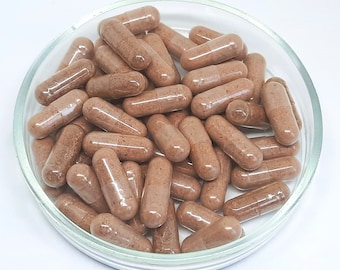
- Powdered Herb/Capsules: For those who prefer a standardized and convenient dosage, powdered Tormentil rhizome is available in capsule form. This method is ideal for internal systemic benefits, particularly for digestive support.
- Topical Preparations: Infused oils, salves, ointments, and creams containing Tormentil extract are excellent for addressing skin ailments, wounds, and localized inflammation. Poultices made from the fresh or powdered root can also be applied directly to affected areas.
Dosage varies significantly based on the form, concentration, and the specific condition being treated, as well as individual factors. It is always prudent to start with lower doses and adjust as needed, preferably under the guidance of a qualified healthcare professional or experienced herbalist. Consistency in usage often yields the best results for chronic conditions.
Safety, Side Effects, and Precautions
Tormentil is generally considered safe when used appropriately and within recommended dosages. However, like all potent herbal remedies, certain precautions and potential side effects should be considered:
- Gastrointestinal Upset: Due to its high tannin content, excessive doses or prolonged use in sensitive individuals might lead to constipation or mild stomach upset. Starting with a lower dose and increasing gradually can help mitigate this.
- Interactions with Medications and Nutrient Absorption: Tannins have the ability to bind with proteins and other compounds, including certain medications and nutrients (e.g., iron). This binding can potentially reduce their absorption. To avoid this, it is advisable to take Tormentil at least one to two hours apart from other medications or nutrient supplements.
- Pregnancy and Breastfeeding: There is a lack of sufficient safety data regarding Tormentil use during pregnancy and breastfeeding. Therefore, it is generally recommended to avoid its use in these periods unless specifically advised and supervised by a healthcare provider.
- Underlying Health Conditions: Individuals with pre-existing medical conditions, especially severe gastrointestinal disorders, should consult a healthcare professional before incorporating Tormentil into their regimen.
- Allergic Reactions: While rare, allergic reactions can occur with any plant-based product. Discontinue use if symptoms of allergy (e.g., rash, itching, swelling) appear.
Always prioritize consulting a healthcare professional, especially if you are on medication, have a chronic health condition, or are considering long-term use of Tormentil. They can provide personalized advice and ensure its safe and effective integration into your health plan.

Conclusion: Tormentil – A Timeless Herb for Modern Wellness
Tormentil, the humble Septfoil, stands as a testament to the enduring power and wisdom of traditional herbal medicine. Its rich historical tapestry of use, from ancient remedies for fluxes and fevers to medieval plague waters, speaks volumes about its perceived efficacy across generations. Modern scientific inquiry continues to unravel the intricate mechanisms behind its profound health benefits, confirming what herbalists have known for centuries: its high concentration of tannins, coupled with a diverse array of flavonoids and triterpenes, makes it an exceptionally potent natural remedy.
From its unparalleled ability to soothe and restore balance to a troubled digestive system, combat inflammation and oxidative stress, accelerate wound healing, and support oral health, Tormentil offers a multifaceted approach to wellness. As interest in natural and holistic health solutions continues to grow, Tormentil deserves renewed recognition as a valuable, research-backed botanical. While it serves as a powerful natural tool, judicious use and consultation with healthcare professionals are key to harnessing its full potential safely and effectively. Embracing Tormentil means tapping into a rich botanical heritage that continues to offer relevant and potent solutions for modern health challenges, reaffirming its status as a true powerhouse in the natural medicine cabinet.
Disclaimer: For informational purposes only. Not medical advice. Consult a qualified healthcare professional before use.