

Elecampane (Inula helenium): A Definitive Deep-Dive Guide to Its Profound Health Benefits
In the vast tapestry of botanical medicine, certain herbs stand out for their enduring legacy and remarkable array of therapeutic properties. Among these venerable plants, Elecampane, scientifically known as Inula helenium, shines brightly. With a history stretching back to antiquity and a re-emerging presence in modern herbalism, Elecampane is far more than just a pretty flower; it is a powerhouse of natural compounds offering comprehensive support for respiratory, digestive, and immune health. This exhaustive guide delves into the intricate mechanisms, historical wisdom, and contemporary applications of Elecampane, aiming to provide a definitive resource for understanding its profound health benefits.
Often overlooked in favor of more common botanicals, Elecampane possesses a unique phytochemical profile that underpins its diverse actions. From its potent expectorant qualities that make it a champion for lung health, to its prebiotic fiber that nourishes the gut microbiome, and its powerful anti-parasitic properties, Inula helenium embodies a holistic approach to wellness. Join us as we explore the journey of this majestic herb, from ancient legends to cutting-edge scientific understanding.
A Journey Through Time: Historical Context and Etymological Roots
The saga of Elecampane is deeply interwoven with human history and folklore. Its very name, Inula helenium, is steeped in myth. The genus name, Inula, is thought to derive from the Greek word ‘helenion,’ which some believe refers to Helen of Troy, who is said to have clutched the flowers of Elecampane in her hand when she was abducted. Another theory suggests that the plant sprang from her tears, associating it with sorrow and healing.
Ancient Greek and Roman physicians, including Hippocrates and Pliny the Elder, lauded Elecampane for its medicinal virtues, particularly for conditions of the lungs and digestive system. Dioscorides, in his seminal work “De Materia Medica,” recommended it for chronic coughs, asthma, and digestive complaints. Throughout the Middle Ages, it was a staple in European monasteries and apothecaries, valued for its ability to “clear the breast” and expel worms. It was also considered a tonic for melancholia and a protector against various ailments. Indigenous cultures across its native range also incorporated Elecampane into their traditional healing practices, further solidifying its reputation as a versatile and potent botanical remedy.
Botanical Profile and Identification: Unveiling the Plant
Elecampane is a striking perennial herb belonging to the Asteraceae (Daisy) family, a vast botanical group that also includes sunflowers, daisies, and chamomile. Native to Europe and Asia, it has since naturalized in parts of North America. It is easily recognizable by its impressive stature, often reaching heights of 5 to 8 feet (1.5 to 2.5 meters), making it one of the tallest members of its family.
The plant features large, ovate-lanceolate basal leaves with serrated margins, which can grow up to two feet long. These leaves are hairy on the underside, giving them a felt-like texture. Its robust, hairy stem culminates in magnificent, solitary or few, large, bright yellow, daisy-like flower heads, which bloom from mid-summer to early autumn. However, it is the thick, fleshy, aromatic roots (rhizomes) that hold the greatest medicinal value. These roots, with their distinct camphoraceous odor and bitter, pungent taste, are harvested in the autumn of the plant’s second or third year for therapeutic use.

The Science Behind the Herb: A Deep Dive into Bioactive Compounds
The remarkable health benefits of Elecampane are attributed to its complex synergy of bioactive compounds. Scientific research has elucidated several key constituents, each playing a crucial role in the herb’s therapeutic actions.

1. Sesquiterpene Lactones (Alantolactone, Isoalantolactone, Dihydroalantolactone)
These are perhaps the most famous and extensively studied compounds in Elecampane. Sesquiterpene lactones, particularly alantolactone and isoalantolactone, are responsible for many of the herb’s most potent effects. They exhibit powerful anti-inflammatory, antimicrobial, and anthelmintic (anti-parasitic) properties. Mechanistically, these compounds are known to inhibit inflammatory pathways, such as the NF-κB pathway, which plays a central role in immune responses and inflammation. Their ability to interfere with microbial cell walls and metabolic processes also contributes to their broad-spectrum antimicrobial activity against bacteria, fungi, and parasites. The distinct bitter and pungent taste of Elecampane is also largely due to these compounds.
2. Inulin
Elecampane root is an incredibly rich source of inulin, a fructan polysaccharide, comprising up to 40-45% of its dry weight. Inulin is a soluble dietary fiber and a well-known prebiotic. As a prebiotic, it resists digestion in the upper gastrointestinal tract and reaches the colon largely intact, where it selectively stimulates the growth and activity of beneficial gut bacteria, such as Bifidobacterium and Lactobacillus species. This fermentation process produces short-chain fatty acids (SCFAs) like butyrate, propionate, and acetate, which are vital for gut health, colonocyte nourishment, immune modulation, and overall metabolic well-being. Inulin also contributes to Elecampane’s demulcent properties, providing a soothing effect on mucous membranes.
3. Essential Oils
The root contains a volatile oil rich in compounds like alantone, camphene, pinene, and thymol. These essential oils contribute to Elecampane’s aromatic profile and possess significant antimicrobial, antiseptic, and expectorant properties. They can help relax bronchial muscles, promote the expulsion of mucus, and inhibit the growth of various pathogens.
4. Flavonoids and Phytosterols
Like many medicinal plants, Elecampane contains flavonoids, which are potent antioxidants. These compounds help to neutralize free radicals, reduce oxidative stress, and protect cellular integrity. Phytosterols, plant compounds structurally similar to cholesterol, may also contribute to the herb’s anti-inflammatory and immune-modulating effects.
5. Polysaccharides
Beyond inulin, other complex polysaccharides in Elecampane contribute to its immunomodulatory effects. These compounds can stimulate various immune cells, enhancing the body’s natural defense mechanisms and supporting overall immune resilience.
Profound Health Benefits of Elecampane: A Comprehensive Exploration
With its rich array of bioactive compounds, Elecampane offers a multifaceted approach to health and wellness. Let’s delve into its primary benefits.
A. Respiratory System Support: The Lung Tonic of Ancient Wisdom
Elecampane is perhaps most revered for its profound benefits to the respiratory system, earning it the traditional title of a “lung tonic.” Its actions are comprehensive, addressing various aspects of respiratory health:
- Expectorant Action: The sesquiterpene lactones and essential oils in Elecampane stimulate the mucociliary escalator, helping to loosen and expel tenacious phlegm and mucus from the lungs and bronchial passages. This makes it invaluable for productive coughs, bronchitis, and conditions characterized by excessive mucus. It promotes a more efficient clearing of the airways, reducing congestion and making breathing easier.
- Demulcent and Soothing Properties: The high inulin content and other polysaccharides provide a soothing, protective layer over irritated mucous membranes in the throat and lungs. This demulcent action alleviates irritation, reduces inflammation, and can soothe both dry, hacking coughs and the raw soreness associated with productive coughs. It helps to calm inflamed tissues, providing comfort during respiratory distress.
- Antimicrobial and Antifungal Effects: The potent sesquiterpene lactones and essential oils exhibit direct antimicrobial activity against a range of respiratory pathogens, including bacteria (e.g., Mycobacterium tuberculosis, Streptococcus species) and fungi (e.g., Candida albicans). This makes Elecampane a valuable adjunct in combating respiratory infections, potentially reducing their severity and duration.
- Anti-inflammatory Action: By inhibiting key inflammatory pathways, Elecampane helps to reduce inflammation in the bronchial tubes and lung tissue, which is crucial for conditions like asthma, bronchitis, and pleurisy. Reducing inflammation can help to open airways and improve overall lung function.
Collectively, these actions make Elecampane an indispensable herb for managing acute and chronic respiratory conditions, promoting clear airways, and supporting overall lung vitality.
B. Digestive Wellness: A Restorative for the Gut
Beyond its respiratory prowess, Elecampane offers significant benefits for the digestive system, acting as a restorative and tonic:
- Prebiotic Power for Gut Microbiome: The abundant inulin acts as a powerful prebiotic, nourishing beneficial gut bacteria. This promotes a healthy gut microbiome, which is foundational for efficient digestion, nutrient absorption, immune function, and even mood regulation. A balanced microbiome can mitigate issues like bloating, gas, and irregular bowel movements.
- Stimulation of Digestive Secretions: The bitter taste of Elecampane, primarily from its sesquiterpene lactones, stimulates the production of digestive enzymes, bile, and stomach acid. This enhanced digestive capacity helps to break down food more efficiently, improving nutrient absorption and alleviating symptoms of indigestion, dyspepsia, and sluggish digestion.
- Anthelmintic (Anti-parasitic) Properties: Historically and scientifically, Elecampane is renowned for its ability to combat intestinal parasites. The sesquiterpene lactones, especially alantolactone, have demonstrated strong vermifuge (expelling worms) and vermicidal (killing worms) properties against various intestinal worms, including roundworms, hookworms, and pinworms. This makes it a valuable natural remedy in anti-parasitic protocols.
- Antifungal Activity Against Candida: Elecampane has shown promising activity against pathogenic fungi, particularly Candida albicans, an opportunistic yeast that can overgrow in the gut and lead to various health issues. Its antifungal compounds can help restore a healthy microbial balance.
By optimizing gut flora, enhancing digestive efficiency, and offering protection against pathogens, Elecampane serves as a comprehensive digestive aid.
C. Immune System Modulation: Fortifying Natural Defenses
Elecampane plays a crucial role in supporting and modulating the immune system. Its polysaccharides, alongside other compounds, have immunomodulatory effects, meaning they can help balance and strengthen immune responses. They can stimulate the activity of macrophages and other immune cells, enhancing the body’s ability to identify and neutralize pathogens. Furthermore, its anti-inflammatory and antimicrobial properties reduce the burden on the immune system, allowing it to function more efficiently and defend against infections more effectively.
D. Anti-inflammatory and Antioxidant Potential
Chronic inflammation and oxidative stress are underlying factors in many modern diseases. Elecampane’s sesquiterpene lactones are potent anti-inflammatory agents, working by inhibiting pro-inflammatory mediators and pathways. The flavonoids and other phenolic compounds contribute significant antioxidant activity, scavenging free radicals and protecting cells from oxidative damage. This dual action contributes to systemic wellness, helping to mitigate cellular damage and promoting overall health.
E. Antimicrobial and Antifungal Efficacy
The broad-spectrum antimicrobial properties of Elecampane extend beyond the respiratory and digestive systems. Research indicates its effectiveness against a wide range of bacteria, including antibiotic-resistant strains, and various fungal species. This makes it a valuable herb for supporting the body’s defense against infections, both internally and externally.
F. Skin Health and Topical Applications
Due to its anti-inflammatory and antimicrobial properties, Elecampane has been traditionally used for various skin conditions. Applied topically as a poultice, compress, or infused oil, it can help soothe skin irritations, reduce inflammation in conditions like eczema and psoriasis, and aid in the healing of minor wounds, cuts, and fungal skin infections. Its ability to combat microbial growth makes it beneficial for promoting a clean and healthy skin environment.
Practical Usage and Forms of Elecampane
Elecampane can be incorporated into a wellness routine in various forms, depending on the desired effect and personal preference.
1. Dried Herb for Teas and Decoctions
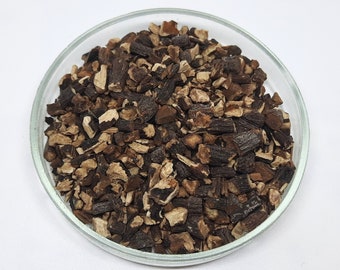
The dried and cut root is ideal for preparing decoctions. A decoction is made by simmering the root in water for an extended period to extract its medicinal compounds. This method is particularly effective for extracting the herb’s more fibrous components like inulin and the sesquiterpene lactones. It’s excellent for respiratory support and digestive health.
2. Tinctures
Tinctures are alcohol-based extracts of the herb, offering a concentrated and convenient way to consume Elecampane. They are readily absorbed by the body and can be easily dosed. Tinctures are particularly effective for capturing the essential oils and sesquiterpene lactones, making them excellent for acute respiratory conditions and anti-parasitic protocols.
3. Capsules and Supplements
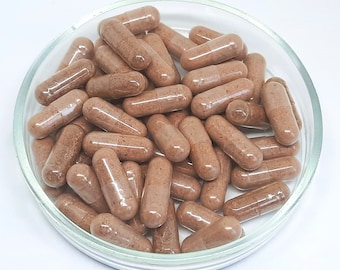
For those who prefer a convenient and tasteless option, Elecampane is available in capsule form, often containing powdered root or standardized extracts. This ensures consistent dosing and makes it easy to integrate into a daily supplement regimen, especially for long-term gut or immune support.
4. Syrups
Elecampane root can be infused into honey or made into a herbal syrup, particularly popular for children or those who find the taste of teas or tinctures too strong. Syrups are excellent for soothing coughs and sore throats.
5. Topical Applications
Infused oils, salves, and poultices made from Elecampane root can be applied externally for skin conditions, minor wounds, or muscular aches.
Dosage and Administration Guidelines
Dosage can vary significantly based on the form of Elecampane, the concentration of the product, and the individual’s specific health needs and sensitivity. It is always recommended to consult with a qualified healthcare practitioner or an experienced herbalist before starting any new herbal regimen.
- Decoction: Typically, 1-2 teaspoons of dried, cut root simmered in 8 ounces of water for 10-15 minutes, drunk 2-3 times daily.
- Tincture: Generally, 2-5 ml (40-100 drops) of a 1:5 tincture, 2-3 times daily. Always follow specific product instructions.
- Capsules: Follow the manufacturer’s recommendations, usually 500-1000 mg of powdered root, 1-3 times daily.
It is advisable to start with a lower dose and gradually increase it, observing the body’s response. Ensure that you source Elecampane from reputable suppliers to guarantee purity and potency.
Safety, Side Effects, and Contraindications
Elecampane is generally considered safe for most people when used appropriately within recommended dosages. However, like all potent herbs, it is not without potential side effects and contraindications:
- Allergic Reactions: Individuals sensitive to plants in the Asteraceae family (e.g., ragweed, chamomile, calendula, daisies) may experience allergic reactions, such as skin rashes, itching, or respiratory symptoms.
- Pregnancy and Lactation: There is insufficient scientific data regarding the safety of Elecampane during pregnancy and breastfeeding. It is generally advised to avoid its use during these periods or to consult with a healthcare professional.
- Drug Interactions: Due to its high inulin content, Elecampane may affect blood sugar levels, potentially interacting with diabetes medications. Its potential to stimulate bile flow could theoretically interact with medications that affect the liver or bile ducts. While not well-documented, caution is advised with blood-thinning medications due to its potential anti-inflammatory effects.
- Digestive Upset: In some sensitive individuals or at very high doses, the inulin content may cause mild digestive upset, such as gas or bloating.
- Liver or Kidney Conditions: Individuals with pre-existing liver or kidney conditions should exercise caution and consult a healthcare professional before using Elecampane.
Always listen to your body, and discontinue use if adverse reactions occur. For serious health conditions, Elecampane should be used under professional guidance as part of a comprehensive treatment plan.
Conclusion: Embracing the Ancient Wisdom of Elecampane
Elecampane, Inula helenium, stands as a testament to the enduring power of nature’s pharmacy. From its storied past woven with Greek mythology and ancient healing traditions to its modern-day validation through scientific inquiry, this magnificent herb continues to offer a wealth of therapeutic benefits. Its unique blend of sesquiterpene lactones, inulin, essential oils, and other compounds provides comprehensive support for the respiratory system, acting as a potent expectorant and demulcent; nurtures digestive health by supporting the gut microbiome and combating parasites; and strengthens the immune system through its modulatory and antimicrobial actions.

As we navigate an increasingly complex world, the wisdom encapsulated within plants like Elecampane offers a valuable path toward holistic well-being. By understanding its profound mechanisms of action and embracing its versatile applications, we can responsibly harness the power of this ancient lung and gut tonic. Whether sought for easing a stubborn cough, balancing gut flora, or fortifying the body’s natural defenses, Elecampane remains a formidable ally in the pursuit of optimal health, truly embodying the phrase “nature’s medicine.” Always remember to seek professional guidance to ensure safe and effective integration of Elecampane into your health regimen.
Disclaimer: For informational purposes only. Not medical advice. Consult a qualified healthcare professional before use.