Unveiling the Ancient Wisdom: The Exhaustive Health Benefits of Lady’s Bedstraw Herb (Galium verum)
In the vast and verdant tapestry of the plant kingdom, certain herbs quietly stand out, not with flashy blooms or exotic origins, but with a legacy deeply interwoven with human health and history. One such botanical marvel is Lady’s Bedstraw, scientifically known as Galium verum. This unassuming perennial, with its delicate yellow flowers and distinctive scent, has been cherished across diverse cultures for centuries, not merely for its aesthetic charm or practical uses, but for a profound array of health benefits that are increasingly garnering attention in modern holistic health circles. From supporting vital detoxification pathways to soothing skin ailments and promoting overall well-being, Lady’s Bedstraw offers a gentle yet potent approach to natural healing. This exhaustive guide delves deep into the historical context, intricate biochemistry, and myriad therapeutic applications of this remarkable herb, aiming to provide a definitive resource for anyone seeking to understand its invaluable contributions to health.
Botanical Profile and Identification: A Closer Look at Galium verum
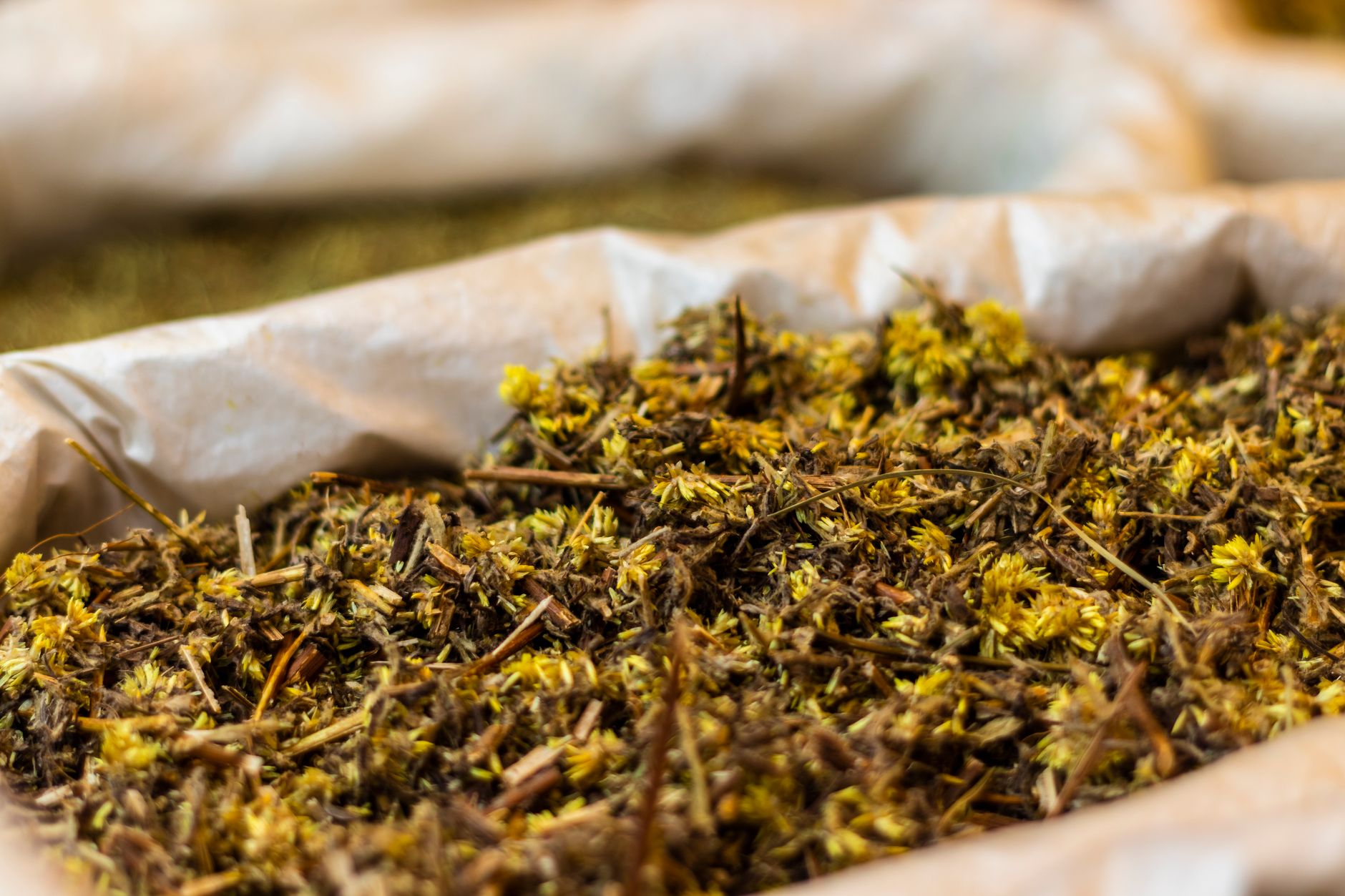
Lady’s Bedstraw, belonging to the Rubiaceae family – a diverse group that also includes coffee and gardenia – is a ubiquitous sight across grasslands, pastures, and coastal areas throughout Europe, Asia, and North America. Its scientific name, Galium verum, directly translates to “true bedstraw,” distinguishing it from other members of the Galium genus. The plant typically grows between 30 to 120 centimeters tall, featuring slender, square stems that often sprawl or climb through other vegetation. Its most striking feature is its whorls of eight to twelve narrow, linear leaves, which are dark green on top and downy underneath. During the summer months, from June to September, Lady’s Bedstraw explodes with a profusion of tiny, fragrant, golden-yellow flowers, arranged in dense, terminal panicles. These small, star-like blossoms release a sweet, honey-like scent, particularly noticeable when the plant is dried, which has historically contributed to its use in bedding.
Identifying Galium verum is relatively straightforward due to its distinctive leaf arrangement and vibrant yellow flowers. It’s essential, however, to differentiate it from other Galium species, such as Cleavers (Galium aparine), which has sticky, grappling stems and white flowers, or Hedge Bedstraw (Galium album), which also has white flowers. Lady’s Bedstraw’s bright yellow inflorescence and the absence of sticky hairs on its stem are key identifying characteristics that ensure correct harvesting for medicinal purposes. Understanding its botanical intricacies is the first step towards appreciating its therapeutic potential.
A Rich Tapestry of History and Folklore: Lady’s Bedstraw Through the Ages
The historical reverence for Lady’s Bedstraw spans millennia, deeply embedded in the folklore, medicine, and daily lives of ancient and medieval European cultures. Its common name, “Lady’s Bedstraw,” is believed to refer to its traditional use as stuffing for mattresses, particularly in the beds of women in childbirth, offering a pleasant aroma and potentially soothing properties. Legend suggests it was even used to line the manger of the infant Jesus, lending it a sacred aura in Christian tradition.
Beyond its aromatic qualities, its practical applications were diverse. The plant contains an enzyme that acts as a natural rennet, capable of curdling milk, making it a crucial ingredient in traditional cheesemaking, especially for crafting cheeses like Cheshire and Double Gloucester, imparting a subtle yellowish hue. As a dye plant, its roots yield a vibrant red pigment, while the flowering tops produce a yellow dye, utilized for coloring textiles.
Medicinally, Lady’s Bedstraw was a staple in the herbal pharmacopeias of the Celts, Norse, Anglo-Saxons, and later medieval apothecaries. It was widely prescribed for conditions ranging from skin diseases and internal inflammations to urinary complaints and lymphatic swellings. Early herbalists such as Dioscorides and Pliny the Elder made references to plants likely belonging to the Galium genus, noting their diuretic and astringent properties. During the Middle Ages, its use expanded, particularly for kidney and bladder stones, gout, and as a general tonic for detoxification. This long-standing historical usage provides a compelling foundation for understanding its modern therapeutic relevance, bridging the gap between ancient wisdom and contemporary scientific inquiry.
Phytochemical Powerhouse: Unveiling the Bioactive Compounds in Lady’s Bedstraw
The remarkable therapeutic effects attributed to Lady’s Bedstraw are not due to a single compound, but rather a complex interplay of numerous bioactive constituents. Modern phytochemical analysis has revealed a rich spectrum of compounds, each contributing to the herb’s multifaceted health benefits. Understanding these components is crucial to appreciating the scientific basis behind its traditional uses.
Among the most prominent active compounds are:
- Flavonoids: Lady’s Bedstraw is particularly rich in flavonoids such as quercetin, rutin, and kaempferol. These powerful antioxidants play a critical role in neutralizing free radicals, thereby protecting cells from oxidative stress and reducing inflammation throughout the body. Their anti-inflammatory action is often attributed to their ability to inhibit enzymes like cyclooxygenase (COX) and lipoxygenase (LOX), which are key mediators in inflammatory pathways. Flavonoids also contribute to improved cardiovascular health by strengthening capillary walls and supporting healthy circulation.
- Coumarins: Compounds like scopoletin and esculetin are present, known for their potential anti-inflammatory, anticoagulant, and antispasmodic properties. Scopoletin, in particular, has been studied for its ability to reduce pain and inflammation and to relax smooth muscles, which can be beneficial for conditions involving cramping or tension.
- Iridoid Glycosides: Asperuloside is a significant iridoid found in Lady’s Bedstraw. Iridoids are often responsible for the bitter taste in many medicinal plants and are associated with a range of biological activities, including anti-inflammatory, antimicrobial, and immune-modulating effects. They can help stimulate detoxification pathways and contribute to the herb’s diuretic properties.
- Saponins: These natural detergents create foam when mixed with water and are known for their expectorant, anti-inflammatory, and immune-stimulating properties. In Lady’s Bedstraw, saponins may contribute to its diuretic and cleansing effects, helping to dissolve and flush out waste products from the urinary system.
- Phenolic Acids: Compounds such as caffeic acid and chlorogenic acid are potent antioxidants and possess anti-inflammatory and antimicrobial characteristics. They contribute to the herb’s overall protective effects against cellular damage and infections.
- Tannins: Abundant in Lady’s Bedstraw, tannins are polyphenolic compounds responsible for the herb’s astringent properties. They help to constrict tissues, reduce secretions, and tighten mucous membranes, making the herb useful for conditions involving excessive fluid discharge or inflammation, both internally and externally.
- Anthraquinones: Present in smaller amounts, these compounds can exert mild laxative effects and contribute to the plant’s natural pigments.
The synergistic interaction of these diverse compounds underlies the broad spectrum of therapeutic actions observed with Lady’s Bedstraw, making it a truly holistic remedy for various ailments.
Comprehensive Health Benefits of Lady’s Bedstraw: A Deep Dive
The therapeutic utility of Lady’s Bedstraw is extensive, addressing multiple body systems. Its gentle yet effective actions make it a valuable addition to a natural health regimen. Let’s explore its key benefits in detail:
Urinary System Support & Diuretic Action
One of the most celebrated attributes of Lady’s Bedstraw is its profound positive impact on the urinary system. It acts as a potent aquaretic diuretic, meaning it increases urine output without significantly altering electrolyte balance, thanks to its high concentration of flavonoids and saponins. These compounds stimulate kidney function, promoting the flushing of excess fluids, toxins, and metabolic waste products from the body. This action is particularly beneficial for individuals suffering from edema or water retention. Historically, Lady’s Bedstraw has been revered for its ability to help dissolve and expel urinary gravel and kidney stones. By increasing urine flow, it helps to prevent the crystallization of minerals that can lead to stone formation and aids in the gentle passage of existing small stones. Furthermore, its antiseptic and anti-inflammatory properties can soothe irritated urinary passages, making it a valuable adjunct in supporting the treatment of bladder infections and other urinary tract inflammatory conditions.
Lymphatic System Detoxification
Lady’s Bedstraw is often considered a premier lymphatic tonic and detoxifier. The lymphatic system, a critical component of the immune system, is responsible for filtering waste products, pathogens, and cellular debris from tissues and transporting lymph fluid back to the bloodstream. When the lymphatic system becomes sluggish, it can lead to fluid retention, immune dysfunction, and generalized toxicity. Lady’s Bedstraw’s unique blend of iridoid glycosides and flavonoids appears to stimulate lymphatic circulation and enhance the drainage of stagnant lymph. This makes it an excellent herb for addressing conditions associated with swollen lymph nodes, glandular swellings (such as in the neck, armpits, or groin), and general lymphatic congestion. By supporting efficient lymphatic drainage, Lady’s Bedstraw helps the body eliminate toxins more effectively, thereby boosting immune function and reducing inflammatory burdens.
Skin Health and Topical Applications
The herb’s versatile properties extend to remarkable benefits for skin health, both internally and externally. Its astringent tannins help to tighten and tone skin tissues, reducing inflammation and weeping in various dermatological conditions. The anti-inflammatory flavonoids and antiseptic phenolic acids contribute to its efficacy in soothing irritated skin. Lady’s Bedstraw has been traditionally used as a poultice or wash for a wide range of skin ailments including eczema, psoriasis, acne, rashes, burns, and minor wounds. Applied topically, it can help reduce redness, itching, and swelling, promote faster healing, and protect against secondary infections. Internally, its detoxifying effects, particularly on the lymphatic system, contribute to clearer, healthier skin by addressing underlying systemic imbalances that often manifest as skin conditions.
Anti-inflammatory and Pain Relief
Chronic inflammation is at the root of many modern diseases, and Lady’s Bedstraw offers a natural approach to mitigating inflammatory responses. Its rich flavonoid content, including quercetin and rutin, exerts significant anti-inflammatory effects by modulating various inflammatory pathways within the body. These compounds can inhibit the production of pro-inflammatory mediators and reduce oxidative stress, which often fuels inflammation. Consequently, Lady’s Bedstraw can be beneficial for individuals experiencing conditions characterized by inflammation and pain, such as arthritis, rheumatism, and general muscle soreness. While not a potent analgesic like pharmaceutical drugs, its gentle anti-inflammatory action can contribute to overall comfort and reduce the systemic inflammatory load over time.
Digestive Aid & Liver Support
Though not its primary claim to fame, Lady’s Bedstraw offers subtle support for the digestive system and liver. The presence of bitter compounds, particularly iridoid glycosides, can stimulate the production of digestive enzymes and bile, which are essential for efficient digestion and nutrient absorption. This choleretic action helps the liver process fats and toxins more effectively, supporting its detoxification functions. Furthermore, the mild laxative effect attributed to its anthraquinone content can help alleviate mild constipation, promoting regular bowel movements. By indirectly supporting the liver and improving digestive efficiency, Lady’s Bedstraw contributes to better overall systemic health and detoxification.
Nervous System Calming & Sleep Aid
Traditionally, Lady’s Bedstraw has also been utilized as a mild nervine, meaning it has a gentle calming effect on the nervous system. While not a strong sedative, it can help alleviate mild anxiety, nervousness, and restlessness, particularly when these conditions are accompanied by lymphatic congestion or a feeling of being “stuck.” Its use as bedding material suggests an inherent association with relaxation and comfort. A warm infusion of Lady’s Bedstraw before bedtime may promote a sense of tranquility, thereby aiding in improved sleep quality without inducing drowsiness or dependence.
Practical Applications and Forms of Lady’s Bedstraw
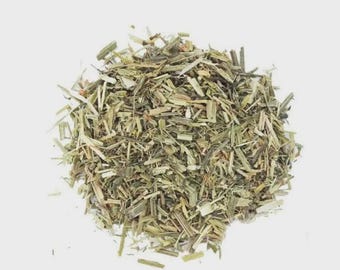
Lady’s Bedstraw is available in various forms, allowing for flexible integration into a holistic health regimen, depending on the desired effect and individual preference:
- Herbal Tea/Infusion: This is arguably the most common and traditional method of consumption. To prepare, steep 1-2 teaspoons of dried Lady’s Bedstraw herb in a cup of hot water for 10-15 minutes. Strain and drink 2-3 times daily. This method is excellent for general detoxification, urinary support, and lymphatic drainage.
- Tincture: A concentrated liquid extract made by soaking the herb in alcohol, tinctures offer a convenient and potent way to consume Lady’s Bedstraw. Dosages typically range from 2-5 ml, 2-3 times daily, diluted in water. Tinctures are particularly effective for addressing systemic issues and for those who prefer not to drink teas.
- Poultice/Compress: For topical skin conditions, a poultice made from fresh or rehydrated dried herb can be applied directly to the affected area. Alternatively, a strong tea or tincture can be used to soak a cloth for a compress, providing soothing relief for eczema, burns, or swollen glands.
- Ointments/Creams: Lady’s Bedstraw can be infused into oils to create salves, ointments, or creams for localized skin treatment. These preparations combine the herb’s healing properties with moisturizing bases, ideal for chronic skin conditions.
- Capsules/Supplements: For those seeking convenience and standardized dosages, Lady’s Bedstraw is also available in capsule form. These typically contain powdered dried herb or concentrated extracts. Capsules offer a tasteless and easy way to incorporate the herb into a daily routine, ensuring consistent intake of active compounds.

Dosage, Safety, and Precautions for Lady’s Bedstraw Herb
While Lady’s Bedstraw is generally considered safe for most individuals when used appropriately, it is crucial to approach its use with awareness and caution. As with any herbal remedy, individual responses can vary, and consulting with a qualified healthcare professional or experienced herbalist before beginning any new supplement regimen is always recommended, especially if you have pre-existing health conditions or are taking other medications.
General Dosage Guidelines:
- Tea/Infusion: For a standard infusion, use 1-2 teaspoons (approximately 2-4 grams) of dried herb per cup of boiling water. Steep for 10-15 minutes, strain, and drink 2-3 times daily.
- Tincture: Typically, 2-5 ml (approximately 40-100 drops) of a 1:5 tincture, taken 2-3 times daily. Always follow the specific instructions on the product label, as concentrations can vary.
- Capsules: Follow the manufacturer’s recommendations, which usually range from 500 mg to 1000 mg of powdered herb per capsule, taken 1-3 times daily.
It is generally advisable to start with the lowest effective dose and gradually increase if needed, while monitoring your body’s response.
Potential Side Effects:
Lady’s Bedstraw is known for its mild nature, and side effects are rare. Some individuals may experience mild gastrointestinal upset, such as nausea or stomach discomfort, particularly if consumed on an empty stomach or in excessively large doses. If any adverse reactions occur, discontinue use and consult a healthcare provider.
Contraindications and Precautions:
- Pregnancy and Breastfeeding: Due to a lack of sufficient research on its effects during pregnancy and lactation, Lady’s Bedstraw should be avoided by pregnant and breastfeeding women.
- Kidney Conditions: While beneficial for general kidney health and stone prevention, individuals with existing severe kidney disease or those undergoing dialysis should exercise caution and consult their doctor before using Lady’s Bedstraw due to its diuretic properties.
- Blood Thinners: Some coumarins, even in small amounts, can theoretically affect blood clotting. Individuals taking anticoagulant medications (blood thinners) such as warfarin should consult their physician before using Lady’s Bedstraw.
- Allergies: Though uncommon, individuals with known allergies to plants in the Rubiaceae family should use Lady’s Bedstraw with caution.
- Hydration: As a diuretic, ensure adequate fluid intake when using Lady’s Bedstraw to prevent dehydration.
Always prioritize sourcing Lady’s Bedstraw from reputable suppliers to ensure quality, purity, and freedom from contaminants. Look for organic or wild-harvested options whenever possible.
Conclusion: Embracing the Enduring Legacy of Lady’s Bedstraw
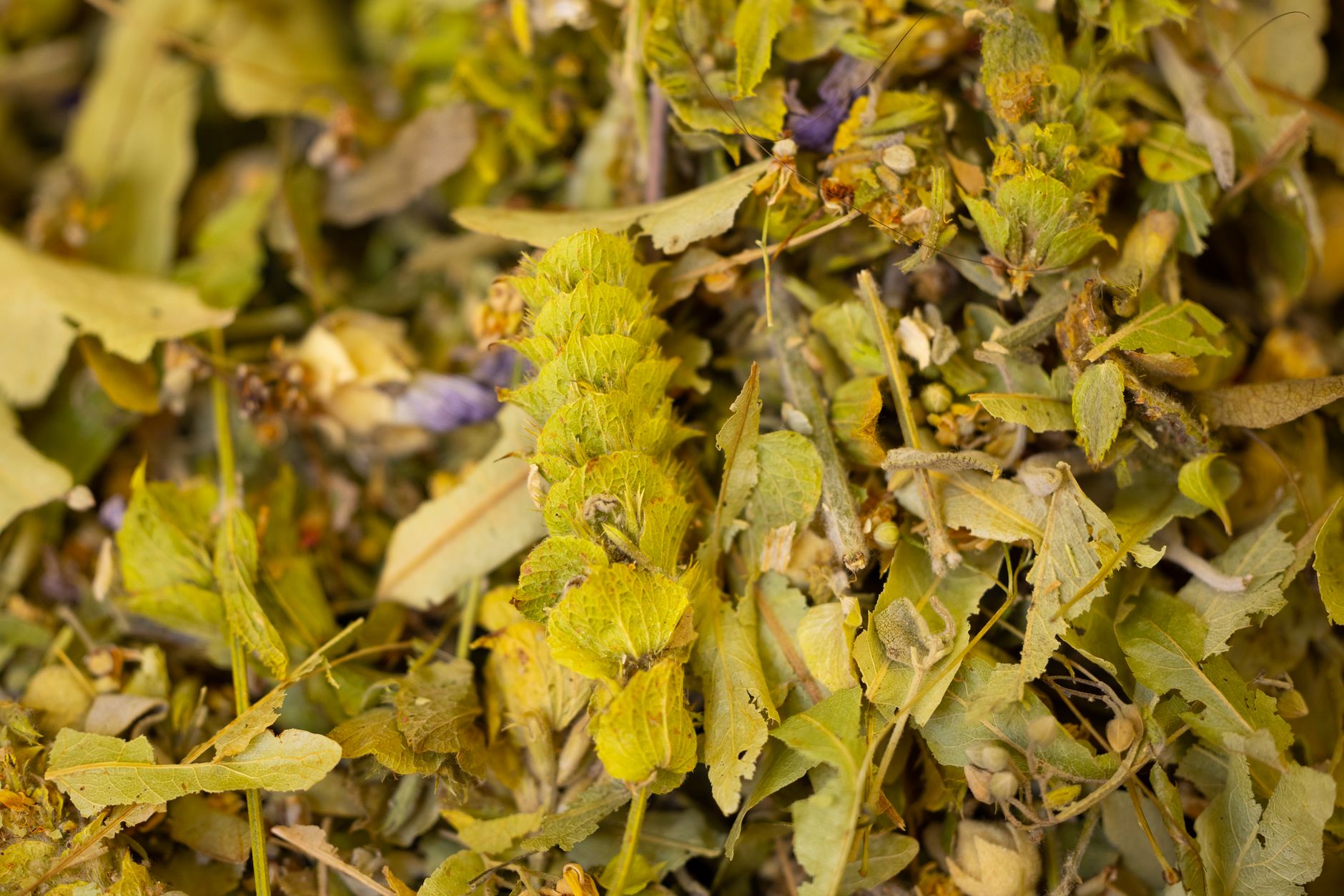
Lady’s Bedstraw (Galium verum) stands as a testament to the enduring wisdom of traditional herbal medicine, offering a gentle yet powerful suite of health benefits that resonate deeply with modern wellness pursuits. From its historical reverence in folklore and practical applications to its meticulously uncovered biochemical composition, this humble herb reveals itself as a multifaceted ally for health. Its remarkable capacity to support the urinary and lymphatic systems underscores its role as a premier detoxifier, aiding the body in cleansing and rejuvenation. Furthermore, its benefits for skin health, anti-inflammatory actions, and mild calming effects collectively paint a picture of a truly holistic remedy.
As we navigate an increasingly complex world, the search for natural, sustainable approaches to health becomes ever more pertinent. Lady’s Bedstraw, with its rich heritage and scientifically validated compounds, offers a compelling option for those seeking to enhance their well-being naturally. By understanding its profound mechanisms of action and integrating it judiciously into a healthy lifestyle, we can continue to embrace and benefit from the ancient wisdom encapsulated within this extraordinary plant. Its gentle golden blossoms remind us that sometimes, the most potent healing lies within the unassuming gifts of nature.
Disclaimer: For informational purposes only. Not medical advice. Consult a qualified healthcare professional before use.