
Amaranth: The Resurrected Ancient Grain – A Definitive Deep Dive into Its Profound Health Benefits
In the vast tapestry of global superfoods, few boast a lineage as rich and a nutritional profile as potent as Amaranth. Revered by ancient civilizations and now experiencing a powerful resurgence, this pseudo-cereal, often mistaken for a grain, is a testament to nature’s profound ability to nourish and heal. From the high-altitude fields of the Andes to the bustling markets of modern health enthusiasts, Amaranth (belonging to the genus Amaranthus) stands as an emblem of enduring vitality, offering a spectrum of health benefits that range from cardiovascular protection to bolstering immune function and beyond. This exhaustive guide will unravel the intricate layers of Amaranth’s nutritional power, exploring its historical significance, unique biochemical composition, and the myriad ways it can elevate human health.
A Journey Through Time: Amaranth’s Ancient Roots and Cultural Significance
The story of Amaranth is deeply intertwined with the history of humanity, particularly the pre-Columbian civilizations of Mesoamerica and South America. For the Aztecs, Mayans, and Incas, Amaranth was not merely a food source; it was a sacred crop, a dietary staple alongside corn and beans, and an integral part of their spiritual and ritualistic practices. Known as “kiwicha” in the Andes and “huautli” by the Aztecs, its seeds were ground into flour, popped like popcorn, and even used to create ceremonial figures. Its cultivation was widespread, feeding millions and supporting advanced societies for millennia. However, with the arrival of the Spanish conquistadors, Amaranth faced suppression due to its association with indigenous religious ceremonies, leading to a dramatic decline in its cultivation. Despite this historical setback, Amaranth’s resilience allowed it to persist in remote regions, silently awaiting its modern-day rediscovery as a nutritional powerhouse and a symbol of heritage reclaimed.
Botanical Profile: Understanding the Versatile Amaranth Plant
Amaranth is a member of the Amaranthaceae family, which also includes quinoa and buckwheat, positioning it as a pseudo-cereal rather than a true cereal grain (which belong to the grass family Poaceae). This distinction is crucial, as it contributes to Amaranth’s unique nutritional attributes, particularly its gluten-free status. The plant itself is remarkably adaptable, thriving in diverse climates and poor soils, making it an excellent candidate for sustainable agriculture. It grows into a tall, leafy annual with striking, often reddish-purple or golden flowers that produce thousands of tiny, pearl-like seeds. These seeds are the primary focus of its nutritional appeal, though its leaves are also highly nutritious and consumed as a leafy green vegetable in many cultures. Its robust nature and abundant yield make it an incredibly efficient and sustainable food source, promising great potential for global food security.

The Nutritional Profile: A Compact Powerhouse of Essential Nutrients
At the heart of Amaranth’s health benefits lies its extraordinary nutritional composition. Gram for gram, Amaranth outshines many conventional grains. It is a complete protein, meaning it contains all nine essential amino acids, a rarity among plant-based foods, and boasts a particularly high concentration of lysine, an amino acid often deficient in other cereals like corn and wheat. Beyond protein, Amaranth is a rich source of dietary fiber, crucial for digestive health, and an impressive array of micronutrients. These include vital minerals such as iron, calcium, magnesium, phosphorus, potassium, and zinc, alongside an abundance of vitamins, including Vitamin C, Vitamin E, folate, and several B vitamins. This dense nutritional profile provides the foundation for its diverse health-promoting properties, making it an invaluable addition to any diet.
Unlocking the Secrets: Key Bioactive Compounds and Their Mechanisms
Amaranth’s health prowess extends beyond its basic nutritional building blocks, residing significantly in its unique array of bioactive compounds. These non-nutrient components work synergistically to exert powerful therapeutic effects throughout the body.
-
Squalene: The Cholesterol-Lowering Lipid
One of the most remarkable compounds found in Amaranth, particularly in its oil, is squalene. This triterpene is a natural organic compound also found in human skin and shark liver oil. In Amaranth, squalene constitutes a significant percentage of its lipid content, often exceeding 5-8% of the total oil. Squalene plays a pivotal role in cholesterol metabolism; it acts as a precursor in the biosynthesis of steroids, including cholesterol, within the body. However, when consumed exogenously from Amaranth, squalene has been shown to compete with endogenous cholesterol synthesis, and more importantly, it can help reduce levels of LDL (“bad”) cholesterol by influencing its absorption and excretion. Furthermore, squalene is a potent antioxidant, protecting cells from oxidative damage caused by free radicals, thereby contributing to its cardioprotective and potential anti-cancer properties. Its ability to stabilize cell membranes and enhance cellular communication further underscores its therapeutic value. -
Bioactive Peptides: Nature’s ACE Inhibitors
Amaranth contains specific protein fractions that, upon digestion, release bioactive peptides. Among these, some have demonstrated potent angiotensin-converting enzyme (ACE) inhibitory activity. ACE is an enzyme that plays a crucial role in the renin-angiotensin system, which regulates blood pressure. By inhibiting ACE, these peptides can prevent the conversion of angiotensin I to angiotensin II (a potent vasoconstrictor), leading to vasodilation and a subsequent reduction in blood pressure. This mechanism positions Amaranth as a promising natural intervention for managing hypertension and promoting cardiovascular health. -
Phenolic Compounds: Antioxidant and Anti-inflammatory Guardians
The vibrant colors of Amaranth plants often hint at their rich phenolic content. These compounds, including flavonoids (e.g., rutin, nicotiflorin) and phenolic acids (e.g., gallic acid, p-coumaric acid), are powerful antioxidants. They neutralize harmful free radicals, which are unstable molecules that can damage cells and DNA, leading to chronic diseases, aging, and inflammation. By scavenging these free radicals, phenolic compounds mitigate oxidative stress, a key factor in the development of cardiovascular diseases, neurodegenerative disorders, and various cancers. Moreover, many phenolic compounds possess significant anti-inflammatory properties, modulating inflammatory pathways and reducing systemic inflammation, which is a root cause of numerous chronic conditions. -
Phytosterols: Plant-Based Cholesterol Blockers
Amaranth is a notable source of phytosterols, such as β-sitosterol. These plant compounds structurally resemble cholesterol and compete with dietary cholesterol for absorption in the intestines. By occupying absorption sites, phytosterols effectively reduce the amount of cholesterol that enters the bloodstream, thereby contributing to lower LDL cholesterol levels. This mechanism makes Amaranth a valuable dietary component for individuals looking to manage hypercholesterolemia naturally. -
Dietary Fiber: The Gut’s Best Friend
Both insoluble and soluble dietary fiber are abundant in Amaranth. Insoluble fiber adds bulk to stool, promoting regular bowel movements and preventing constipation, while also supporting colon health. Soluble fiber forms a gel-like substance in the digestive tract, which helps to slow down glucose absorption, thus stabilizing blood sugar levels. It also binds to bile acids, facilitating their excretion and compelling the liver to use existing cholesterol to produce more bile, thereby contributing to lower blood cholesterol. Furthermore, soluble fiber acts as a prebiotic, feeding beneficial gut bacteria, which in turn produce short-chain fatty acids (SCFAs) that nourish colon cells and support overall gut health and immune function. -
Essential Amino Acids: A Complete Protein Source
Unlike most plant-based proteins, Amaranth contains all nine essential amino acids in sufficient quantities, making it a complete protein. Its especially high lysine content is noteworthy, as lysine is often the limiting amino acid in other popular grains like wheat and rice. This makes Amaranth an excellent protein source for vegetarians, vegans, and anyone seeking to enhance their protein intake, supporting muscle repair, enzyme production, and overall cellular function.

Profound Health Benefits: A Comprehensive Overview
The synergy of Amaranth’s rich nutritional profile and its unique bioactive compounds translates into a wide array of significant health benefits:
1. Exceptional Cardiovascular Health Support
Amaranth stands as a formidable ally for heart health. The combination of squalene, phytosterols, and dietary fiber works powerfully to manage cholesterol levels. Squalene and phytosterols actively reduce LDL cholesterol absorption and synthesis, while soluble fiber binds to bile acids, further facilitating cholesterol excretion. The presence of bioactive peptides, acting as natural ACE inhibitors, contributes to blood pressure regulation by promoting vasodilation. Furthermore, Amaranth’s rich antioxidant profile, including phenolic compounds and Vitamin E, protects blood vessels from oxidative damage and inflammation, which are primary drivers of atherosclerosis and other cardiovascular diseases. Regular consumption can thus contribute to a reduced risk of heart attacks and strokes.
2. Superior Digestive Wellness and Gut Microbiome Nurturing
The substantial fiber content in Amaranth is a cornerstone of its digestive benefits. Both insoluble and soluble fibers contribute to optimal gut function. Insoluble fiber aids in bulking stool and promoting regular bowel movements, preventing constipation and supporting the efficient elimination of waste products. Soluble fiber, on the other hand, acts as a prebiotic, fermenting in the colon to feed beneficial gut bacteria. This symbiotic relationship fosters a diverse and healthy gut microbiome, which is intrinsically linked to improved digestion, enhanced nutrient absorption, and a strengthened immune system. A healthy gut environment is also associated with reduced inflammation and a lower risk of chronic diseases.
3. Effective Blood Sugar Regulation and Diabetes Management
Amaranth’s relatively low glycemic index, coupled with its high fiber and protein content, makes it an excellent food choice for managing blood sugar levels. The soluble fiber slows down the digestion and absorption of carbohydrates, preventing rapid spikes in blood glucose after meals. The protein content further contributes to satiety and helps stabilize blood sugar. Studies suggest that Amaranth can improve insulin sensitivity and glucose tolerance, making it a valuable dietary component for individuals with type 2 diabetes or those at risk of developing the condition. Its nutrient density also provides sustained energy without the energy crashes often associated with refined carbohydrates.
4. Potent Antioxidant and Anti-inflammatory Effects
The robust antioxidant arsenal of Amaranth, spearheaded by squalene, phenolic compounds (flavonoids and phenolic acids), and vitamins like C and E, offers comprehensive cellular protection. These compounds tirelessly neutralize free radicals, which are byproducts of metabolism and environmental stressors, thereby mitigating oxidative stress that damages DNA, proteins, and lipids. By reducing oxidative stress, Amaranth helps to prevent cellular aging and the initiation of numerous chronic diseases, including cancers, neurodegenerative disorders, and autoimmune conditions. Furthermore, its anti-inflammatory properties, attributed to various phytonutrients, help to quell systemic inflammation, which is a common underlying factor in many modern ailments.
5. Enhanced Bone Health and Osteoporosis Prevention
Amaranth is a remarkable source of essential minerals crucial for maintaining strong, healthy bones. It is particularly rich in calcium and magnesium, two minerals that work in tandem for bone mineralization. Calcium is the primary structural component of bones, while magnesium plays a critical role in calcium absorption and metabolism, as well as activating Vitamin D, which is essential for bone health. Phosphorus and manganese also contribute to bone density and strength. Regular consumption of Amaranth can help in preventing bone loss and reducing the risk of osteoporosis, especially important for aging populations and those with dietary restrictions that might limit dairy intake.
6. Prevention of Anemia and Improved Blood Health
Amaranth is an excellent plant-based source of iron, a vital mineral for the production of hemoglobin, the protein in red blood cells that transports oxygen throughout the body. Iron deficiency can lead to anemia, characterized by fatigue, weakness, and impaired cognitive function. Amaranth also contains Vitamin C, which significantly enhances the absorption of non-heme iron (iron from plant sources). Furthermore, its folate content is crucial for red blood cell formation and DNA synthesis. This powerful combination makes Amaranth a highly effective dietary intervention for preventing and managing iron-deficiency anemia, particularly beneficial for pregnant women, vegetarians, and individuals with heavy menstrual cycles.
7. Immune System Fortification
The comprehensive nutritional profile of Amaranth, encompassing a wealth of vitamins (C, E, B vitamins), minerals (zinc, selenium), and antioxidants, collectively contributes to a robust immune system. Vitamin C and zinc are well-known for their immune-boosting properties, supporting the production and function of white blood cells, which are the body’s primary defense against pathogens. Antioxidants protect immune cells from damage, allowing them to function optimally. By nurturing the gut microbiome through its fiber content, Amaranth further indirectly supports immune health, as a significant portion of the immune system resides in the gut.
8. Support for Healthy Weight Management
For those aiming for healthy weight management, Amaranth offers several advantages. Its high protein and fiber content promote satiety, helping individuals feel fuller for longer and reducing overall calorie intake. The slow digestion of complex carbohydrates in Amaranth prevents sudden hunger pangs and cravings. Furthermore, its nutrient density ensures that the body receives essential vitamins and minerals, preventing nutrient deficiencies that can sometimes accompany restrictive diets. Its ability to stabilize blood sugar also helps prevent fat storage and promotes sustained energy levels for physical activity.
9. A Gluten-Free Solution for Dietary Needs
As a pseudo-cereal, Amaranth is naturally gluten-free, making it an invaluable and versatile staple for individuals with celiac disease, gluten sensitivity, or those choosing to avoid gluten for other health reasons. It offers a nutritious alternative to traditional gluten-containing grains, expanding dietary options and ensuring that individuals with gluten restrictions can still enjoy a wide array of grain-like foods without compromising their health or taste. Its unique texture and flavor also add diversity to gluten-free cooking and baking.
10. Emerging Anti-Cancer Potential
While research is ongoing, Amaranth shows promising anti-cancer potential, primarily attributed to its high concentrations of squalene, phenolic compounds, and other phytonutrients. Squalene has been studied for its ability to inhibit the growth of various cancer cells and induce apoptosis (programmed cell death) in cancerous cells, while also showing chemopreventive properties. The powerful antioxidant and anti-inflammatory effects of Amaranth’s phenolic compounds also play a crucial role in preventing DNA damage and inhibiting the proliferation of abnormal cells. These synergistic compounds may work to disrupt cancer cell cycles, reduce tumor growth, and prevent metastasis, although more human clinical trials are needed to fully elucidate these mechanisms.
Practical Ways to Incorporate Amaranth into Your Diet
The versatility of Amaranth makes it easy to integrate into a wide range of culinary applications:
- Whole Grains: Cooked Amaranth seeds can be used as a nutritious alternative to rice or quinoa, served as a side dish, or added to salads and stir-fries. They can also be simmered into a creamy, protein-rich porridge for breakfast, sweetened with fruit or honey.
- Popped Amaranth: Similar to popcorn, Amaranth seeds can be dry-roasted until they pop, creating a light and airy snack or a crunchy topping for yogurt, soups, and salads.
- Amaranth Flour: The flour, made from ground seeds, is naturally gluten-free and can be used in baking to enhance the nutritional value of bread, muffins, pancakes, and cookies. Due to its dense nature, it’s often best used in combination with other gluten-free flours.
- Amaranth Leaves: The young, tender leaves of the Amaranth plant are highly nutritious, resembling spinach or Swiss chard. They can be steamed, sautéed, added to soups, or incorporated into fresh salads, providing a rich source of vitamins, minerals, and antioxidants.
Traditional Uses and Herbal Preparations
Beyond its culinary applications, Amaranth has a long history of traditional medicinal use across cultures. Indigenous communities utilized various parts of the plant for their therapeutic properties. The leaves and roots were often prepared as decoctions or infusions to treat a range of ailments, including digestive issues, inflammation, and skin conditions. Poultices made from crushed Amaranth leaves were applied topically to wounds, burns, and insect bites to promote healing and reduce swelling. The seeds, in addition to being a food staple, were sometimes used in traditional medicine for their perceived ability to boost vitality and aid in recovery from illness. This rich ethnobotanical history underscores the plant’s holistic value, extending its utility beyond mere nutrition to traditional herbal remedies.

Amaranth Supplements and Extracts: Concentrated Benefits
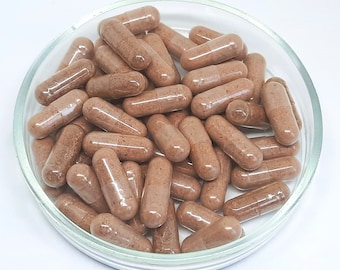
For those seeking to harness the potent benefits of Amaranth in a more concentrated form, various supplements and extracts are available. Amaranth seed oil, rich in squalene and other beneficial lipids, is often marketed for its cholesterol-lowering and antioxidant properties. It can be taken orally as a supplement or applied topically for skin health. Powdered Amaranth, made from ground seeds or leaves, can be added to smoothies, shakes, or incorporated into various recipes to boost nutritional content. Additionally, Amaranth is available in capsule form, providing a convenient way to consume specific dosages of its beneficial compounds. These supplemental forms offer an alternative for individuals who may not regularly consume whole Amaranth but wish to benefit from its unique health-promoting constituents.
Dosage, Safety, and Potential Considerations
When incorporating whole Amaranth into your diet, there is generally no specific dosage as it is a food item. A typical serving size of cooked Amaranth seeds is about ½ to 1 cup. For Amaranth supplements or oils, it is crucial to follow the manufacturer’s recommended dosage instructions, as concentrations can vary. Always consult with a healthcare professional before starting any new supplement regimen, especially if you have underlying health conditions, are pregnant or breastfeeding, or are taking medications.
Amaranth is generally considered safe for most people. However, like many plant-based foods, it contains some anti-nutrients such as phytates and oxalates. Phytates can inhibit the absorption of certain minerals, but proper preparation methods like soaking, sprouting, or cooking Amaranth can significantly reduce their levels. Oxalates, in high concentrations, can contribute to kidney stone formation in susceptible individuals. Consuming Amaranth in moderation and ensuring a balanced diet typically mitigates these concerns. Allergic reactions, though rare, are possible, as with any food.
Conclusion: Amaranth – A Timeless Superfood for Modern Wellness
From its revered status in ancient civilizations to its current recognition as a nutritional powerhouse, Amaranth has traversed centuries to reclaim its rightful place at the forefront of health and wellness. Its unparalleled nutritional profile, boasting a complete protein, abundant fiber, and a remarkable array of vitamins and minerals, is further amplified by its unique bioactive compounds like squalene, peptides, and potent phenolics. These synergistic elements contribute to a comprehensive spectrum of health benefits, ranging from profound cardiovascular protection and digestive enhancement to blood sugar regulation, immune fortification, and even emerging anti-cancer potential. Amaranth is more than just a gluten-free grain alternative; it is a nutrient-dense superfood, a testament to resilience, and a delicious, versatile ingredient poised to enrich the diets and well-being of individuals worldwide. Embracing Amaranth is not just a culinary choice; it is an investment in holistic health and a nod to the enduring wisdom of ancient traditions.

Disclaimer: For informational purposes only. Not medical advice. Consult a qualified healthcare professional before use.