Unveiling the Ancient Wisdom: A Deep Dive into the Profound Health Benefits of Felty Germander (Teucrium polium)
In the vast tapestry of botanical medicine, certain plants stand out for their enduring legacy and remarkable array of health-promoting properties. Among these venerable herbs is Felty Germander, scientifically known as Teucrium polium. Revered for centuries across diverse cultures, this unassuming perennial shrub from the Lamiaceae (mint) family has garnered significant attention from both traditional healers and modern researchers. Its unique phytochemical composition translates into a spectrum of therapeutic actions, positioning Felty Germander as a subject of intense interest for those seeking natural pathways to wellness. This exhaustive guide delves into the intricate world of Felty Germander, exploring its rich history, scientific profile, and the myriad health benefits it offers, providing a definitive resource for understanding this powerful herb.
Botanical Profile and Ecological Niche of Felty Germander
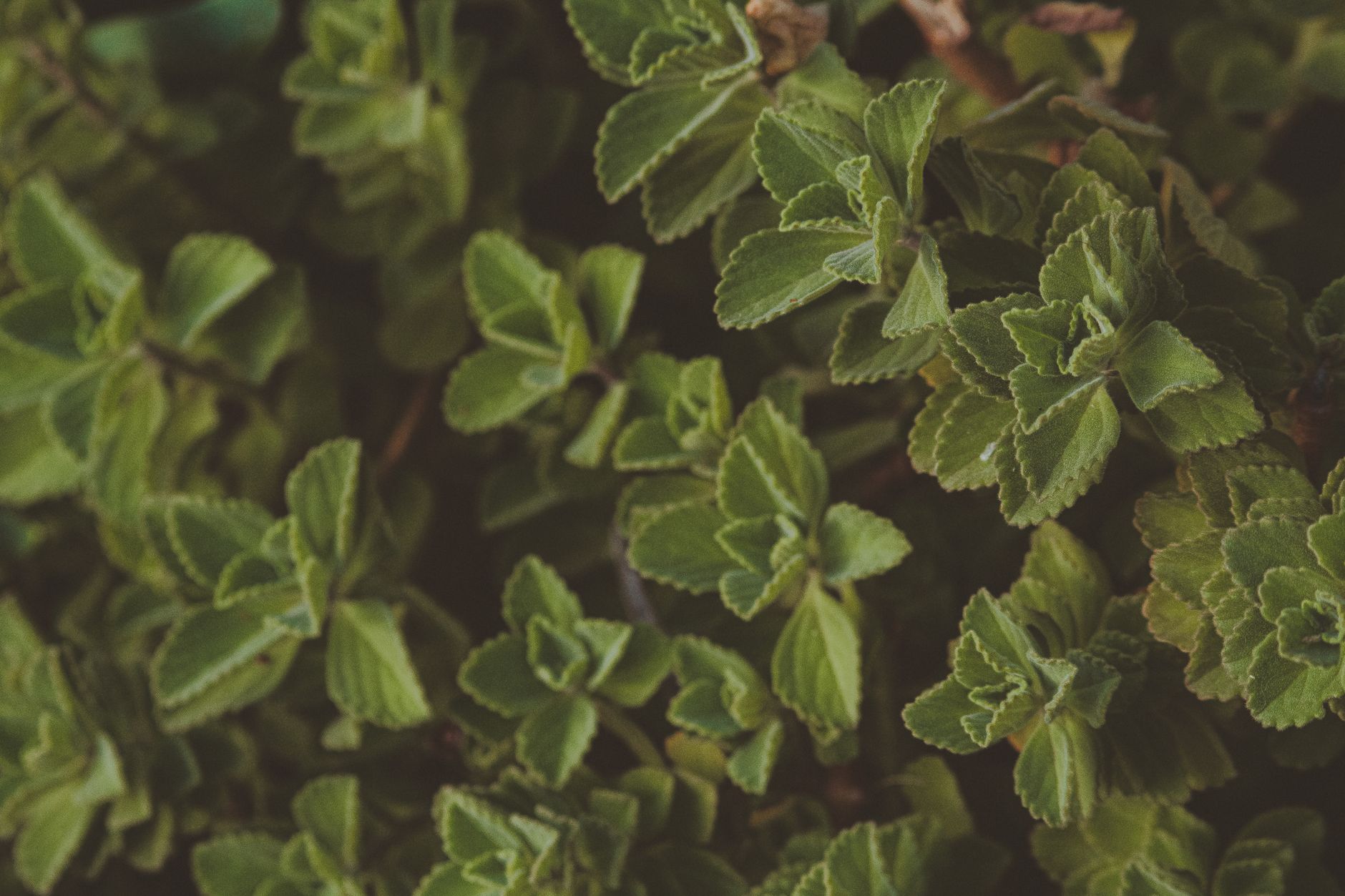
Teucrium polium, commonly recognized as Felty Germander, is a diminutive, densely branched perennial subshrub, typically reaching heights of 10-30 centimeters. It is characterized by its distinctive felt-like appearance, a result of the dense covering of white, woolly hairs on its stems and leaves, which gives the plant its common name. The leaves are small, oblong to lanceolate, with crenate or serrated margins, often appearing grayish-green due to the indumentum. Its flowers, usually white to pale yellow or sometimes purplish-pink, are borne in dense, terminal spikes or racemes during the summer months, adding to its visual appeal.
Geographically, Felty Germander thrives predominantly in arid and semi-arid regions, displaying a remarkable adaptability to harsh environments. Its native range extends across the Mediterranean basin, North Africa, and parts of Western Asia, where it can be found flourishing in dry, stony soils, rocky slopes, scrublands, and open woodlands. This resilience to challenging conditions is often indicative of a plant’s robust biological defense mechanisms, which in turn contribute to its rich array of medicinal compounds. The specific morphology and ecological niche of Teucrium polium have played a crucial role in its historical utilization and continue to inform modern botanical research.
A Journey Through Time: Historical Context and Traditional Uses
The therapeutic journey of Felty Germander is deeply etched in the annals of traditional medicine, with its use documented for millennia across various ancient civilizations. In classical antiquity, particularly in Greek and Roman medicine, Teucrium species, including what is believed to be T. polium, were highly valued. Dioscorides, the renowned Greek physician and botanist, meticulously described its uses, highlighting its efficacy in treating digestive ailments, respiratory issues, and various inflammatory conditions. He noted its bitter taste and warming properties, often prescribing it as a diuretic, diaphoretic, and emmenagogue.
Across the Middle East and North Africa, Felty Germander has been a cornerstone of folk medicine for generations. It was widely employed in traditional Persian and Arabic medicine as a potent remedy for stomach discomfort, intestinal worms, fever, and jaundice. Herbalists frequently recommended it for liver support and as a general tonic to boost vitality. Its traditional application extended to external uses as well, often in poultices or washes for skin conditions and wound healing, leveraging its antiseptic and anti-inflammatory properties. The enduring presence of Felty Germander in these diverse medical systems underscores its perceived efficacy and safety profile over extensive periods, cementing its reputation as a versatile and potent botanical asset.
Unlocking Nature’s Pharmacy: The Phytochemical Profile of Felty Germander
The remarkable health benefits attributed to Felty Germander are not mere anecdotal tales; they are firmly rooted in its extraordinarily rich and complex phytochemical composition. Modern scientific investigations have meticulously unveiled a treasure trove of bioactive compounds within Teucrium polium, each contributing synergistically to its therapeutic actions. The plant’s arsenal primarily consists of flavonoids, terpenes (including diterpenoids and triterpenoids), phenolic acids, essential oils, and iridoids.
Flavonoids: These ubiquitous plant pigments are potent antioxidants and anti-inflammatory agents. Felty Germander is particularly rich in flavonoids such as apigenin, luteolin, kaempferol, and quercetin derivatives. These compounds exert their antioxidant effects by scavenging free radicals, thereby protecting cellular structures from oxidative damage. Their anti-inflammatory action involves modulating the activity of various enzymes and signaling pathways involved in the inflammatory cascade, such as cyclooxygenase (COX) and lipoxygenase (LOX) enzymes, and inhibiting the release of pro-inflammatory cytokines like TNF-α and IL-6.
Terpenes and Diterpenoids: The *Teucrium* genus is renowned for its characteristic bitter-tasting diterpenoids, such as teupolioside, teucrin A, and teucrin H1-H4. These compounds are particularly significant for their anti-inflammatory, antimicrobial, and potential anticancer activities. Teupolioside, for instance, has demonstrated significant anti-inflammatory effects by inhibiting NF-κB activation, a key regulator of immune responses and inflammation. Other terpenes contribute to the plant’s aromatic profile and may also possess sedative, analgesic, or antispasmodic properties.
Phenolic Acids: Compounds like caffeic acid, rosmarinic acid, and ferulic acid are also present in Felty Germander. These phenolics are powerful antioxidants and contribute to the plant’s antimicrobial and anti-inflammatory properties. Rosmarinic acid, in particular, is well-regarded for its potent antioxidant activity, capable of neutralizing various reactive oxygen species and supporting overall cellular health.
Essential Oils: The volatile fraction of Felty Germander, comprising its essential oil, is a complex mixture of monoterpenes and sesquiterpenes. Components like α-pinene, β-pinene, limonene, and germacrene D contribute to the plant’s characteristic aroma and possess antimicrobial, antifungal, and insecticidal properties. The essential oil also contributes to the herb’s digestive and carminative effects.
Comprehensive Health Benefits: The Therapeutic Spectrum of Felty Germander
The intricate synergy of its bioactive compounds endows Felty Germander with a wide array of therapeutic properties that have been both traditionally recognized and scientifically validated.
1. Potent Anti-inflammatory Action
One of the most celebrated attributes of Felty Germander is its remarkable anti-inflammatory capacity. Chronic inflammation is a root cause of numerous modern diseases, from autoimmune disorders to cardiovascular disease. The flavonoids, diterpenoids, and phenolic acids present in T. polium work in concert to mitigate inflammatory responses. They achieve this by inhibiting key enzymes like cyclooxygenase-2 (COX-2) and inducible nitric oxide synthase (iNOS), which are crucial for the synthesis of pro-inflammatory mediators. Furthermore, these compounds can suppress the activation of nuclear factor-kappa B (NF-κB), a master regulator of inflammatory gene expression. By modulating these pathways, Felty Germander can help reduce pain, swelling, and tissue damage associated with various inflammatory conditions, offering a natural alternative or adjunct to conventional anti-inflammatory agents.
2. Superior Antioxidant Defense
Oxidative stress, caused by an imbalance between free radicals and antioxidant defenses, plays a central role in aging and the pathogenesis of many chronic diseases. Felty Germander is a powerful antioxidant powerhouse. Its rich content of flavonoids, phenolic acids, and certain terpenes directly scavenges harmful free radicals, such as reactive oxygen species (ROS) and reactive nitrogen species (RNS). Beyond direct scavenging, these compounds also bolster the body’s endogenous antioxidant enzyme systems, enhancing the activity of enzymes like superoxide dismutase (SOD), catalase (CAT), and glutathione peroxidase (GPx). This dual mechanism of action provides comprehensive protection against cellular damage, contributing to anti-aging effects and reducing the risk of oxidative stress-related disorders.
3. Promoting Digestive Health and Gastrointestinal Harmony
Historically, Felty Germander has been a go-to remedy for a spectrum of digestive complaints, and modern research supports these traditional applications. Its carminative properties help alleviate gas and bloating, while its spasmolytic effects can soothe intestinal cramps and spasms, making it beneficial for conditions like irritable bowel syndrome (IBS) or general indigestion. The bitter compounds stimulate the production of digestive enzymes and bile, which are crucial for efficient fat digestion and nutrient absorption. Furthermore, its antimicrobial activity can help maintain a healthy balance of gut flora, addressing issues caused by an overgrowth of pathogenic bacteria. This comprehensive approach to digestive well-being positions Felty Germander as an excellent herbal ally for gastrointestinal health.
4. Antimicrobial and Antifungal Efficacy
The essential oils and various phenolic compounds within Teucrium polium exhibit significant antimicrobial and antifungal properties. Studies have shown its effectiveness against a range of bacteria, including some common pathogens, as well as against various fungal species. This makes it a valuable herb for supporting the body’s defenses against infections, whether internal or external. Its traditional use in treating wounds and skin conditions likely stemmed from these very properties, helping to prevent infection and promote healing.
5. Potential Antidiabetic Effects
Emerging research points to Felty Germander’s potential in managing blood glucose levels, offering hope for individuals with metabolic disorders. Studies indicate that certain extracts of T. polium can enhance insulin sensitivity, facilitate glucose uptake by cells, and inhibit enzymes involved in carbohydrate digestion, such as α-glucosidase. This multi-pronged approach helps to regulate post-prandial blood glucose spikes and may contribute to better glycemic control, making it a promising area for further investigation in the context of diabetes management.
6. Hepatoprotective (Liver-Protective) Qualities
The liver, a vital organ, is constantly exposed to toxins. Felty Germander has demonstrated hepatoprotective effects, helping to shield the liver from damage induced by various stressors. Its antioxidant compounds neutralize harmful substances, while its anti-inflammatory components reduce liver inflammation. Furthermore, some studies suggest it can support liver regeneration and improve detoxification pathways, making it a valuable herb for maintaining optimal liver function and aiding in recovery from liver insults. However, it is crucial to note the historical controversy surrounding liver toxicity with other *Teucrium* species and to use *T. polium* under professional guidance, especially for individuals with pre-existing liver conditions.
7. Immunomodulatory Effects
Beyond its direct antimicrobial actions, Felty Germander may also modulate the immune system, helping to balance immune responses. Its ability to influence cytokine production and cellular immunity suggests it can either boost an underactive immune system or calm an overactive one, contributing to overall immune homeostasis. This immunomodulatory effect makes it potentially beneficial in supporting the body’s natural defense mechanisms while preventing excessive inflammatory reactions that can lead to autoimmune issues.
Forms of Felty Germander and Practical Usage
Felty Germander can be incorporated into wellness routines in several forms, each offering distinct advantages depending on the desired effect and convenience. The choice of form often depends on traditional practices, personal preference, and the specific health goal.
Herbal Teas and Infusions
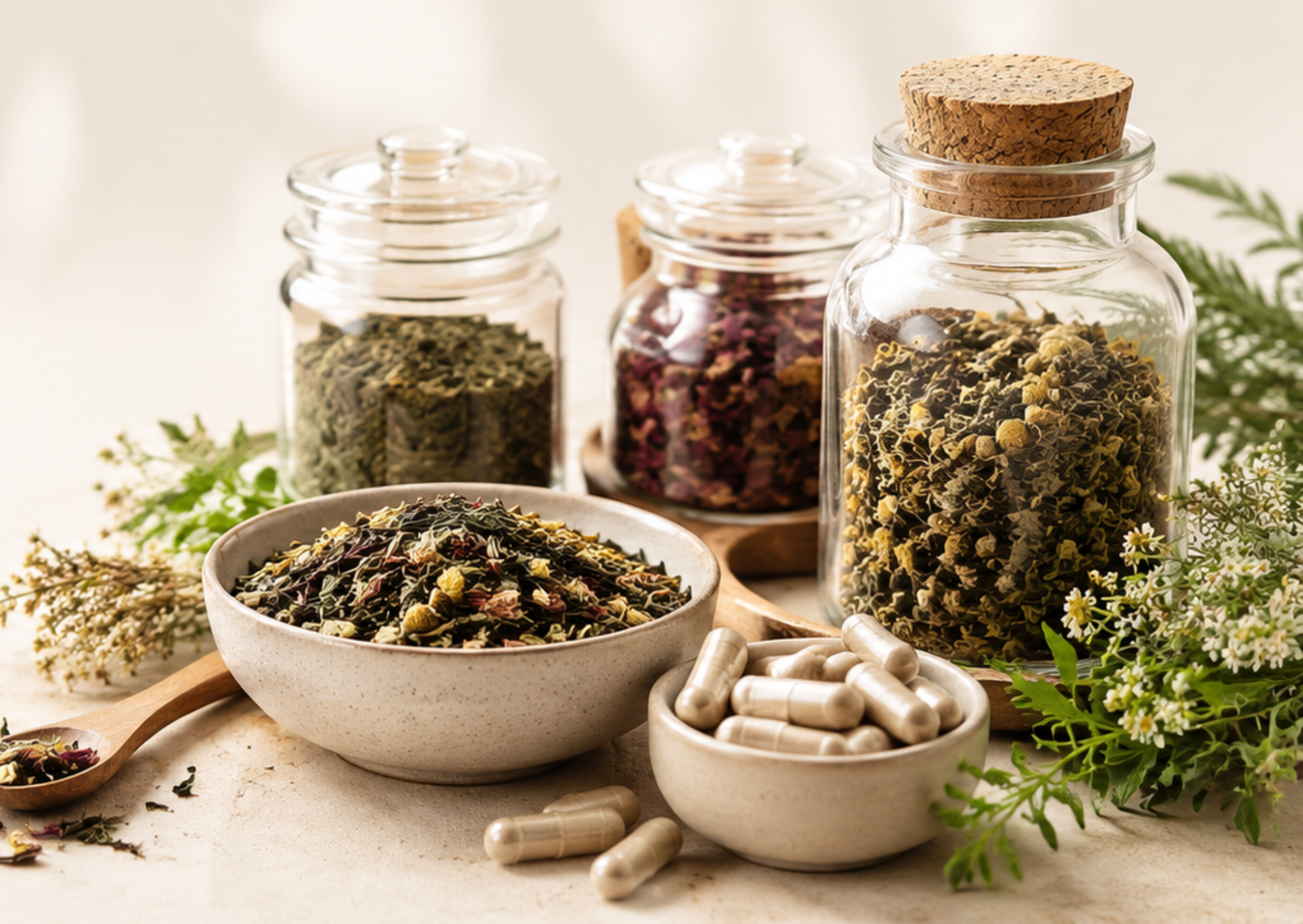
One of the most common and historically relevant methods of consuming Felty Germander is as a herbal tea or infusion. This involves steeping the dried aerial parts of the plant in hot water, allowing the bioactive compounds to dissolve into the liquid. Teas are excellent for digestive support, general wellness, and for their calming properties. The gentle heat helps release the volatile oils and water-soluble compounds, providing a comforting and therapeutic beverage. This method is particularly suitable for addressing acute symptoms like indigestion or mild inflammation.

Tinctures
Tinctures are concentrated liquid extracts made by steeping the herb in alcohol, which efficiently extracts a broader spectrum of compounds, including those less soluble in water. They offer a potent and convenient way to consume Felty Germander, as they are easily absorbed and have a longer shelf life than fresh or dried herbs. Tinctures are often preferred for systemic conditions where a higher concentration and consistent dosage are desired, and they can be diluted in water or juice for consumption.
Capsules and Supplements
For individuals seeking a standardized and convenient dosage, Felty Germander is also available in capsule or tablet form. These supplements typically contain powdered dried herb or standardized extracts, ensuring a consistent level of active compounds in each dose. Capsules are ideal for those who dislike the taste of the herb or who need precise dosing for specific therapeutic goals. When choosing supplements, it’s crucial to select reputable brands that provide third-party testing and transparency regarding their sourcing and extraction methods to ensure purity and potency.

Dosage and Preparation Guidelines
Determining the appropriate dosage for Felty Germander can vary significantly based on the form of the herb, the individual’s age, health status, and the specific condition being addressed. As with any potent herbal remedy, it is paramount to start with lower doses and gradually increase if necessary, while closely monitoring the body’s response.
- For Tea/Infusion: A common preparation involves steeping 1-2 teaspoons (approximately 2-5 grams) of dried Felty Germander herb in 250 ml (1 cup) of hot water for 5-10 minutes. This can be consumed 1-3 times daily.
- For Tincture: Doses typically range from 1-5 ml (20-100 drops) of a 1:5 or 1:10 extract, taken 2-3 times per day. It is essential to follow the specific instructions on the product label, as concentrations can vary.
- For Capsules/Supplements: Standardized extracts vary widely in potency. Common recommendations might range from 250-500 mg of a high-quality extract, taken 1-2 times daily. Always adhere strictly to the manufacturer’s recommended dosage or, preferably, the advice of a qualified healthcare practitioner.
It is strongly advised to consult with a qualified herbalist, naturopath, or healthcare professional before incorporating Felty Germander into your regimen, especially if you have pre-existing health conditions or are taking other medications. A professional can provide personalized guidance on dosage, potential interactions, and suitability.

Potential Side Effects and Precautions
While Felty Germander (Teucrium polium) has a long history of traditional use and is generally considered safe when used appropriately, it is crucial to address potential concerns, particularly regarding hepatotoxicity associated with certain *Teucrium* species. Some *Teucrium* species, such as Teucrium chamaedrys (Wall Germander) and Teucrium scorodonia (Wood Germander), have been implicated in cases of liver damage (hepatitis). This toxicity is primarily linked to specific furanoditerpenoids found in those species, which can be metabolized into reactive compounds that damage liver cells.
Crucially, Teucrium polium appears to contain different types and concentrations of furanoditerpenoids compared to the hepatotoxic species, and clinical reports of liver toxicity specifically from *T. polium* are rare to non-existent. However, due to the genus-wide concern, it is vital to exercise caution and ensure product authenticity. Always verify that you are consuming pure Teucrium polium and not another species or a contaminated product.
General precautions include:
- Pregnancy and Breastfeeding: Due to insufficient research on its effects, pregnant and breastfeeding women should avoid Felty Germander.
- Liver Conditions: Individuals with pre-existing liver disease should exercise extreme caution and consult a physician before using Felty Germander, regardless of the species.
- Drug Interactions: Felty Germander may interact with certain medications, including those metabolized by the liver (e.g., cytochrome P450 substrates), blood thinners, and medications for diabetes or blood pressure. Professional medical advice is essential to avoid adverse interactions.
- Allergies: Individuals with known allergies to plants in the Lamiaceae family (mint family) may experience allergic reactions.
- Long-term Use: The safety of long-term, high-dose use of Felty Germander has not been extensively studied. It is generally recommended for short to medium-term use or with breaks.
Conclusion: Embracing the Potential of Felty Germander
Felty Germander (Teucrium polium) stands as a testament to the enduring power of natural medicine, offering a remarkable spectrum of health benefits rooted in its complex and potent phytochemical profile. From its historical reverence as a digestive aid and anti-inflammatory agent in ancient civilizations to its modern scientific validation as a powerful antioxidant, antimicrobial, and potential antidiabetic herb, T. polium continues to captivate researchers and wellness enthusiasts alike. Its capacity to modulate inflammation, bolster antioxidant defenses, support liver function, and promote gastrointestinal harmony positions it as a significant botanical asset.
However, like all potent therapeutic agents, understanding its proper application, potential interactions, and safety considerations is paramount. While Teucrium polium itself is generally considered safer than some of its infamous relatives, the wise use of this herb necessitates informed decisions and, ideally, guidance from a qualified healthcare professional. As we continue to unlock the secrets held within the natural world, Felty Germander reminds us of the profound interconnectedness between nature, traditional wisdom, and contemporary scientific understanding, offering a promising avenue for holistic health and well-being when approached with respect and knowledge.
Disclaimer: For informational purposes only. Not medical advice. Consult a qualified healthcare professional before use.