Unlocking Nature’s Golden Remedy: A Definitive Deep Dive into the Health Benefits of St. John’s Wort (Hypericum perforatum)
For centuries, humanity has turned to the natural world for solace and healing, and among the vast botanical pharmacy, one golden-flowered herb stands out with a remarkable legacy: St. John’s wort (Hypericum perforatum). Revered since antiquity and extensively studied in modern times, this resilient perennial has garnered significant attention for its profound therapeutic properties, particularly in the realm of mental well-being. Far from being a mere folk remedy, St. John’s wort is a complex botanical powerhouse, boasting a diverse array of bioactive compounds that exert tangible effects on human physiology. This exhaustive guide aims to unravel the intricate science behind St. John’s wort, exploring its rich history, chemical composition, multifaceted health benefits, practical applications, and crucial safety considerations, providing a definitive resource for those seeking to understand this extraordinary herb.
A Journey Through Time: Historical Roots and Nomenclature of St. John’s Wort
The story of St. John’s wort is deeply intertwined with human history, spanning millennia across diverse cultures. Its common name, “St. John’s wort,” is believed to be derived from its flowering period, which typically coincides with the Feast of St. John the Baptist on June 24th. The term “wort” is an Old English word for plant or herb, signifying its widespread traditional use. Botanically, it belongs to the genus Hypericum, a name thought to originate from the Greek “hyper” (above) and “eikon” (picture), possibly referring to its use as an amulet to ward off evil spirits, or simply its distinctive flower structure. The species name, perforatum, alludes to the tiny, translucent dots visible on its leaves when held up to light, which resemble perforations and are actually oil glands containing many of its active compounds.
Ancient Greek physicians like Hippocrates and Pliny the Elder documented the use of St. John’s wort for a variety of ailments, including snakebites, burns, wounds, and nervous disorders. Dioscorides, in his monumental work “De Materia Medica,” described its efficacy for sciatica and as a diuretic. During the Middle Ages, its reputation as a protective herb against witchcraft and evil spirits grew, alongside its continued application for physical wounds and melancholia. Herbalists throughout Europe meticulously passed down knowledge of its potent healing properties, solidifying its place as a cornerstone of traditional medicine for both physical and psychological suffering. This extensive historical precedent laid the groundwork for the rigorous scientific investigations that would later confirm many of its traditional uses.
Botanical Profile and Distinctive Characteristics
Hypericum perforatum is a hardy, herbaceous perennial plant indigenous to Europe, North Africa, and parts of Asia, but has since naturalized globally, thriving in diverse environments ranging from meadows and pastures to roadsides and woodlands. It typically grows to a height of 1 to 3 feet (30 to 90 cm), characterized by numerous branching stems that are woody at the base. The oval, opposite leaves are distinctively dotted with translucent glands that appear as tiny holes (hence perforatum) when viewed against the light, giving it a unique visual identifier. These glandular structures are crucial as they house many of the plant’s potent phytochemicals.
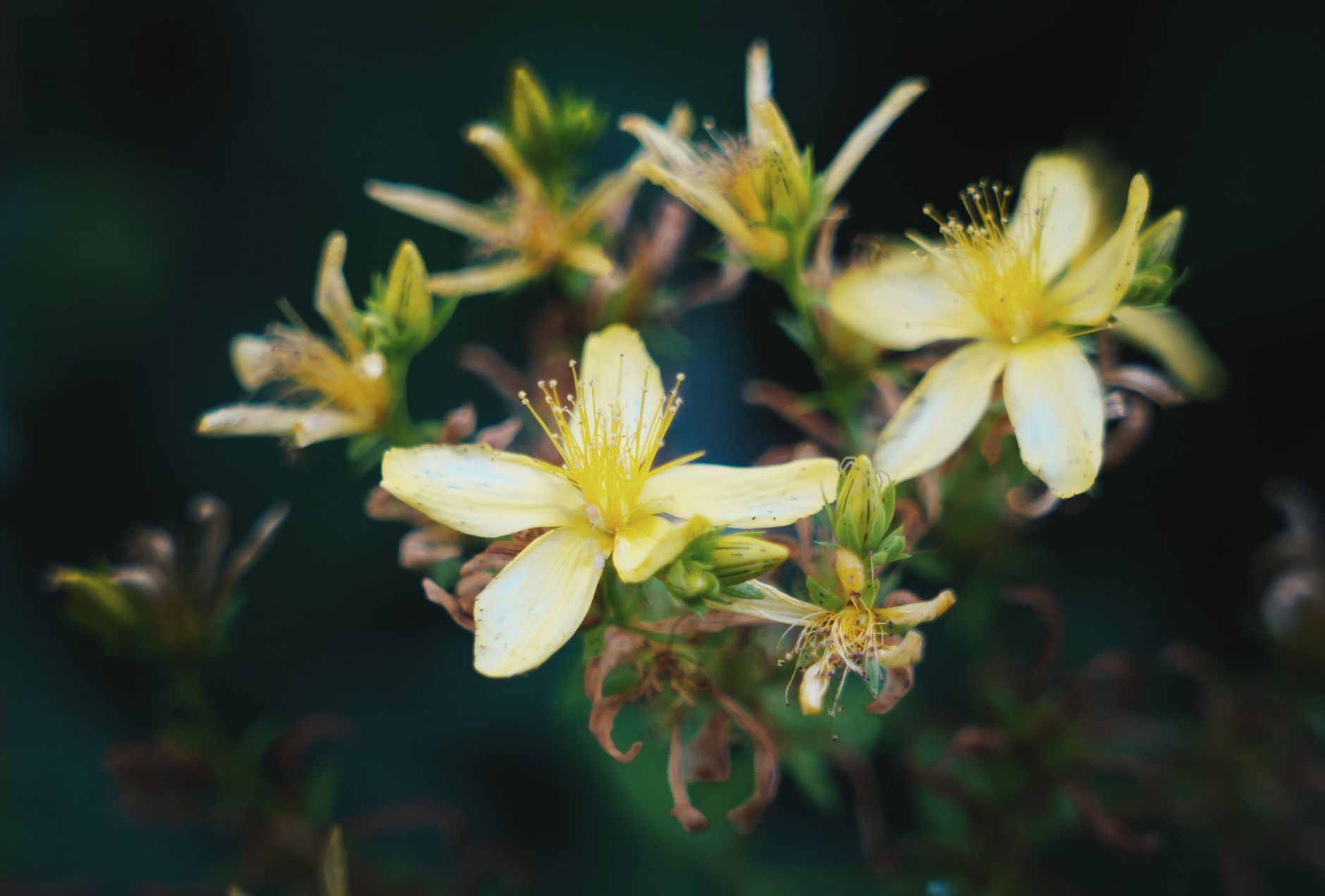
The plant’s most striking feature is its vibrant, star-shaped, golden-yellow flowers, which bloom profusely from late spring through late summer. Each flower possesses five petals, often adorned with black dots or streaks along their edges. When crushed, these dark glands release a reddish-purple liquid, a characteristic attributed to the presence of hypericin and pseudohypericin, key compounds responsible for some of its historical and medicinal fame. This botanical distinctiveness, coupled with its widespread availability, has made St. John’s wort a readily identifiable and accessible medicinal herb for centuries.

The Biochemical Symphony: Key Bioactive Compounds of St. John’s Wort
The remarkable therapeutic effects of St. John’s wort are not attributable to a single compound but rather to a synergistic interplay of a complex mixture of phytochemicals. Modern scientific research has identified several classes of compounds responsible for its diverse actions:
- Naphthodianthrones (Hypericin and Pseudohypericin): These reddish pigments were historically considered the primary active constituents due to their photodynamic properties and early evidence suggesting MAOI (monoamine oxidase inhibitor)-like activity. While their direct antidepressant effect is now understood to be less significant than previously thought for mood disorders, hypericin contributes to its antiviral and topical wound-healing properties.
- Phloroglucinols (Hyperforin and Adhyperforin): Hyperforin is now widely recognized as the most significant compound responsible for St. John’s wort’s antidepressant effects. It acts as a reuptake inhibitor for several neurotransmitters, including serotonin, norepinephrine, dopamine, GABA, and glutamate, thereby increasing their availability in the synaptic cleft. Adhyperforin shares similar properties.
- Flavonoids: A diverse group including quercetin, rutin, hyperoside, isoquercitrin, kaempferol, and apigenin. These compounds possess potent antioxidant, anti-inflammatory, and neuroprotective properties. They contribute to the overall mood-stabilizing effects by protecting neuronal cells from oxidative stress and modulating inflammatory pathways.
- Tannins: Contributing to its astringent properties, tannins play a role in wound healing and possess mild antiseptic qualities.
- Essential Oils: Though present in smaller quantities, components like alpha-pinene, beta-pinene, and caryophyllene may contribute to its aromatic profile and have some antimicrobial effects.
- Xanthones: Another class of compounds found in St. John’s wort, which also exhibit antioxidant and anti-inflammatory activities.
The collective action of these compounds, particularly the balance between hyperforin, hypericin, and various flavonoids, underpins the herb’s broad therapeutic spectrum. It is this complex phytocomplex, rather than any isolated compound, that is believed to confer the full range of benefits observed in clinical studies.

The Crown Jewel of Benefits: Mood Disorders and Depression
The most extensively researched and clinically validated benefit of St. John’s wort lies in its efficacy for mild to moderate depression. Numerous meta-analyses of clinical trials have consistently demonstrated its superiority over placebo and comparable effectiveness to conventional antidepressant medications (SSRIs) with generally fewer and milder side effects. The mechanisms underlying its antidepressant action are multifaceted and involve several biochemical pathways:
- Neurotransmitter Reuptake Inhibition: Hyperforin, the key phloroglucinol derivative, is a non-selective reuptake inhibitor of several crucial neurotransmitters. It modulates the activity of the transient receptor potential channel TRPC6, which in turn influences the sodium-dependent reuptake transporters for serotonin, norepinephrine, dopamine, GABA (gamma-aminobutyric acid), and glutamate. By preventing these neurotransmitters from being rapidly reabsorbed into presynaptic neurons, hyperforin increases their concentrations in the synaptic cleft, thereby enhancing neurotransmission and improving mood. This broad-spectrum action differentiates St. John’s wort from selective serotonin reuptake inhibitors (SSRIs), which primarily target serotonin.
- Monoamine Oxidase (MAO) Inhibition (Minor Role): While early research suggested that hypericin might inhibit MAO, an enzyme that breaks down neurotransmitters, current understanding indicates that this effect is relatively weak and does not significantly contribute to its antidepressant properties at therapeutic doses. However, some minor MAO inhibition by other constituents cannot be entirely ruled out.
- Modulation of Neuroplasticity and Stress Hormones: St. John’s wort has been shown to influence neuroplasticity, the brain’s ability to adapt and form new connections, which is often impaired in depression. It may also help regulate the hypothalamic-pituitary-adrenal (HPA) axis, the body’s central stress response system. By reducing the overactivity of the HPA axis, it can help normalize cortisol levels and alleviate chronic stress, a significant contributor to depressive symptoms.
- Anti-inflammatory and Neuroprotective Effects: The flavonoids present in St. John’s wort, such as quercetin and rutin, exert powerful antioxidant and anti-inflammatory actions. Chronic inflammation and oxidative stress are increasingly recognized as contributing factors to the pathophysiology of depression. By mitigating these processes, St. John’s wort protects neuronal cells from damage and supports overall brain health, indirectly enhancing mood and cognitive function.
The cumulative effect of these mechanisms contributes to its ability to alleviate symptoms such as low mood, anhedonia (loss of pleasure), fatigue, anxiety, and sleep disturbances often associated with mild to moderate depressive episodes. However, it is crucial to emphasize that St. John’s wort is generally recommended for mild to moderate depression and should not be used as a standalone treatment for severe depression or bipolar disorder without strict medical supervision.
Beyond Mood: A Spectrum of Additional Health Benefits
While its antidepressant properties are paramount, St. John’s wort offers a range of other therapeutic applications:
- Anxiety and Stress Reduction: Given its positive impact on neurotransmitter balance and HPA axis regulation, St. John’s wort often helps reduce symptoms of generalized anxiety and chronic stress. Its adaptogenic qualities may assist the body in coping with various stressors, promoting a sense of calm and well-being.
- Anti-inflammatory Properties: The flavonoids and hyperforin contribute significantly to St. John’s wort’s anti-inflammatory actions. Hyperforin has been shown to inhibit inflammatory mediators such as leukotrienes and prostaglandins, while flavonoids scavenge free radicals and reduce oxidative damage, which is a common underlying factor in many inflammatory conditions. This makes it potentially beneficial for conditions involving chronic inflammation.
- Antioxidant Powerhouse: The rich concentration of flavonoids, including quercetin and rutin, bestows St. John’s wort with formidable antioxidant capabilities. These compounds neutralize harmful free radicals, protecting cells and tissues from oxidative stress, which contributes to aging and various chronic diseases, including neurodegenerative conditions.
- Wound Healing and Topical Applications: Traditionally, St. John’s wort oil has been renowned for its ability to heal wounds, burns, and soothe nerve pain. Hypericin, in particular, exhibits mild antiseptic and anti-inflammatory effects. When applied topically, it can accelerate tissue regeneration, reduce inflammation, and alleviate pain associated with minor injuries, bruises, and nerve-related discomfort like sciatica or neuralgia. Its traditional use for skin conditions like eczema and psoriasis also suggests a topical anti-inflammatory and soothing effect.
- Antiviral Potential (Research Area): Early research, particularly concerning hypericin, showed promising antiviral activity against certain enveloped viruses, including HIV and herpes simplex virus (HSV). While these findings generated considerable interest, the concentrations required for significant antiviral effects often exceed safe systemic doses, and its clinical utility as a primary antiviral agent remains largely confined to research rather than general therapeutic recommendation.
- Alleviation of Menopausal Symptoms: Some studies suggest that St. John’s wort may help alleviate certain menopausal symptoms, particularly mood swings, anxiety, and sleep disturbances, likely due to its mood-regulating effects.
Forms of St. John’s Wort and Practical Considerations
St. John’s wort is available in various forms, each with its own benefits and considerations for practical usage:
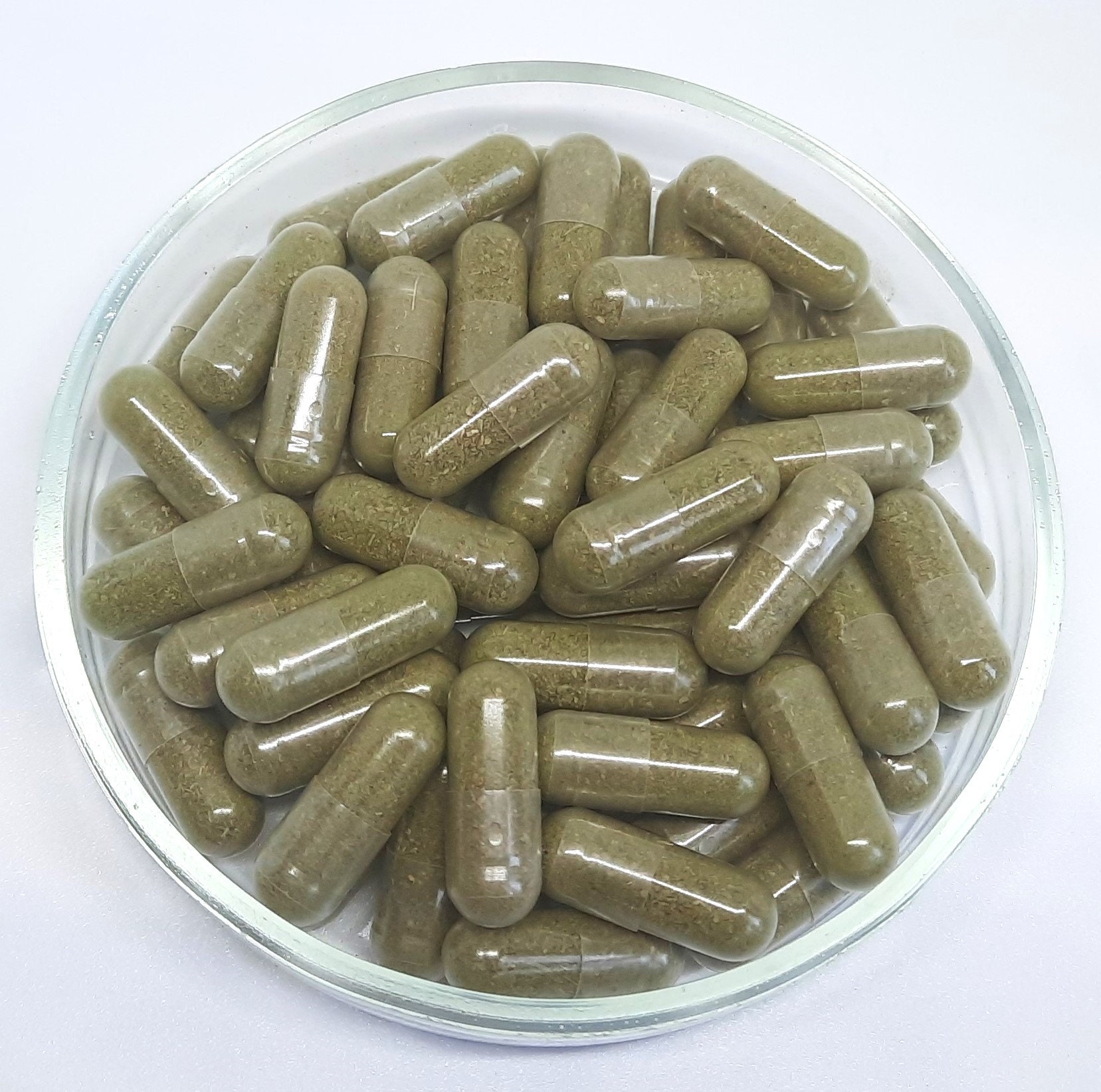
- Standardized Extracts (Capsules/Tablets): This is the most common and recommended form for addressing mood disorders. High-quality supplements are standardized to contain a specific concentration of hyperforin (typically 3-5%) or total hypericins (0.2-0.3%). Standardization ensures consistent potency and predictable effects, crucial for therapeutic efficacy. These extracts are often ethanol-based, as ethanol is effective at extracting hyperforin.
- Dried Herb (Teas, Tinctures): The dried aerial parts of the plant can be steeped to make a tea or extracted into an alcoholic tincture. Traditional herbalists often use this form for general tonic effects, mild stress relief, or as part of broader herbal formulations. While beneficial, the concentration of active compounds in teas and tinctures can vary significantly, making precise therapeutic dosing challenging compared to standardized extracts.

- Topical Oils and Creams: St. John’s wort-infused oils are made by macerating fresh or dried flowers in a carrier oil (like olive or sunflower oil) and allowing them to infuse over time, often under sunlight, which helps extract the hypericin. These oils are then used topically for minor cuts, scrapes, burns, nerve pain, and various skin irritations.
Dosage and Administration Guidelines
For the treatment of mild to moderate depression, the typical recommended daily dosage for standardized St. John’s wort extract is generally 300 mg, taken two or three times daily (totaling 600-900 mg per day), standardized to contain 0.3% hypericin or 3-5% hyperforin. It is important to note that St. John’s wort does not produce immediate effects; consistent use over several weeks (typically 2-4 weeks) is often required before noticeable improvements in mood are observed. As with any botanical medicine, it is always advisable to start with a lower dose and gradually increase it, monitoring for individual response and potential side effects.
Critical Considerations: Side Effects, Drug Interactions, and Contraindications
Despite its natural origin and generally good tolerability, St. John’s wort is a potent medicinal herb with significant potential for side effects and, critically, dangerous drug interactions. These aspects must be thoroughly understood and respected:
- Drug Interactions (The Most Critical Concern): This is the primary reason St. John’s wort must be used with extreme caution and under medical supervision. Hyperforin is a potent inducer of the cytochrome P450 3A4 (CYP3A4) enzyme system in the liver and the P-glycoprotein efflux pump, both of which are crucial for metabolizing and eliminating a vast number of pharmaceutical drugs. This induction leads to accelerated metabolism and reduced plasma concentrations of various medications, potentially rendering them less effective or even ineffective. Key drug classes affected include:
- Oral Contraceptives: Can lead to reduced efficacy and unintended pregnancies.
- Anticoagulants (e.g., Warfarin, Coumadin): Can decrease their effectiveness, increasing the risk of blood clots.
- Immunosuppressants (e.g., Cyclosporine, Tacrolimus): Crucial for transplant patients, St. John’s wort can lead to organ rejection.
- Antiretrovirals (e.g., used for HIV/AIDS): Can significantly reduce drug levels, leading to treatment failure and increased viral load.
- Digoxin: A heart medication, its levels can be dangerously reduced.
- Anticonvulsants (e.g., Phenytoin, Carbamazepine): Can lead to loss of seizure control.
- Certain Chemotherapy Drugs: Can decrease their effectiveness.
- Antidepressants (SSRIs, SNRIs): Combining St. John’s wort with other serotonergic drugs can lead to a potentially life-threatening condition called Serotonin Syndrome, characterized by agitation, confusion, rapid heart rate, high blood pressure, dilated pupils, muscle rigidity, and tremors.
Patients should always inform their healthcare provider and pharmacist about St. John’s wort use, even for seemingly innocuous conditions.
- Photosensitivity: Hypericin can increase sensitivity to sunlight, particularly in fair-skinned individuals or with high doses. This can manifest as exaggerated sunburn, skin rashes, or blistering. It is advisable to use sunscreen and limit direct sun exposure, especially during peak hours, while taking St. John’s wort.
- Gastrointestinal Upset: Mild side effects such as nausea, dry mouth, stomach upset, or constipation can occur.
- Sleep Disturbances: While some find it helps sleep, others may experience restlessness or insomnia, especially if taken too late in the day.
- Headaches and Dizziness: Some individuals may experience headaches or dizziness.
- Bipolar Disorder: St. John’s wort is contraindicated in individuals with bipolar disorder as it can potentially induce manic or hypomanic episodes.
- Pregnancy and Breastfeeding: Due to insufficient research on safety, St. John’s wort is generally not recommended for use during pregnancy or breastfeeding.
- Surgery: It is typically recommended to discontinue St. John’s wort at least 1-2 weeks before any scheduled surgery due to potential interactions with anesthetics and its effects on the liver’s metabolic pathways.
Choosing a Quality Supplement and Consulting Professionals
Given the variability in product quality and the critical drug interactions, selecting a reputable St. John’s wort supplement is paramount. Look for products from established brands that clearly state standardization for key active compounds, typically hyperforin (3-5%) or total hypericins (0.2-0.3%). Third-party testing for purity and potency is an additional assurance of quality.
Crucially, St. John’s wort is a powerful medicine, not a casual herbal tea. Its use, especially for depression, should always be discussed with a qualified healthcare professional, such as a doctor, psychiatrist, or clinical herbalist. They can help assess its appropriateness, guide dosage, monitor for side effects, and, most importantly, identify and manage potential drug interactions to ensure patient safety.
Conclusion: A Golden Ally with Caveats
St. John’s wort stands as a testament to the enduring power of botanical medicine, offering a scientifically validated, effective, and often well-tolerated option for individuals grappling with mild to moderate depression and anxiety. Its rich tapestry of bioactive compounds, particularly hyperforin and various flavonoids, orchestrates a symphony of effects that uplift mood, reduce inflammation, and protect cellular health. From its ancient origins as a revered “sun herb” to its current standing as a clinically recognized antidepressant, its journey through human healing is both remarkable and inspiring.
However, the profound efficacy of St. John’s wort comes with significant responsibilities. Its potent pharmacological actions necessitate careful consideration of dosage, potential side effects, and, most critically, its extensive list of drug interactions. Approaching this golden ally with respect, knowledge, and under the guidance of healthcare professionals ensures that its remarkable benefits can be safely harnessed, allowing individuals to navigate the complexities of mental well-being with a powerful gift from nature.
Disclaimer: For informational purposes only. Not medical advice. Consult a qualified healthcare professional before use.