Unlocking Nature’s Secret: An Exhaustive Deep Dive into the Health Benefits of Jacob’s Ladder (Polemonium caeruleum)
In the vast and intricate tapestry of botanical remedies, certain plants stand out not only for their beauty but also for a rich history of medicinal application. Among these revered species is Jacob’s Ladder, scientifically known as Polemonium caeruleum. Often overlooked in favor of more widely publicized herbs, this unassuming perennial has been a cornerstone of traditional medicine for centuries, celebrated for its diverse therapeutic properties. From soothing respiratory ailments to calming the nervous system, Jacob’s Ladder offers a spectrum of benefits rooted deeply in its unique phytochemical composition. This definitive guide aims to unravel the mysteries of this remarkable plant, providing an exhaustive exploration of its historical significance, botanical characteristics, potent bioactive compounds, and a comprehensive analysis of its profound health advantages.
Botanical Profile and Ecological Significance of Polemonium caeruleum
Jacob’s Ladder, named for its distinctive ladder-like arrangement of leaflets along the stem, is an elegant herbaceous perennial belonging to the Polemoniaceae family. It typically flourishes in damp, shady woodlands, meadows, and along riverbanks across temperate regions of Europe, Asia, and North America. Growing to a height of 1 to 3 feet (30-90 cm), the plant is characterized by its slender, erect stems adorned with pinnate leaves, each composed of numerous lance-shaped leaflets. Its striking, bell-shaped flowers, predominantly in shades of blue or purple (though white variations exist), bloom in late spring to early summer, attracting a variety of pollinators. Beyond its ornamental appeal, the plant’s robust root system plays a role in soil stabilization, contributing to its ecological importance.
The resilience and widespread distribution of Polemonium caeruleum attest to its adaptability, allowing it to thrive in diverse microclimates. This adaptability, combined with its visually appealing floral display, has made it a favorite in native plant gardens and cottage gardens alike. However, its true value extends far beyond aesthetics, residing within the biochemical treasures harbored within its leaves, stems, and especially its rhizomes and roots.
A Journey Through Time: Historical Context and Traditional Uses
The therapeutic legacy of Jacob’s Ladder is deeply embedded in the annals of European herbal medicine, with records dating back centuries. Indigenous peoples and early European settlers alike recognized its potent medicinal properties, integrating it into their traditional healing practices. Historically, the plant was particularly prized for its efficacy in treating respiratory complaints, earning it the common moniker “Ladder to Heaven” in some folk traditions due to its perceived ability to ease breathing difficulties and usher in relief from ailments that often led to early demise. It was widely employed as an expectorant to clear congestion, an antitussive to quell persistent coughs, and a diaphoretic to induce sweating, aiding in fever reduction.
Beyond its respiratory applications, Jacob’s Ladder was also revered as a nervine, traditionally used to soothe nervous tension, alleviate anxiety, and promote restful sleep. Its calming properties made it a popular remedy for conditions ranging from insomnia to mild forms of nervous irritability. In some cultures, it was also employed as an astringent and vulnerary, applied topically to aid in wound healing and reduce inflammation on the skin. The root was often the primary part utilized, prepared as decoctions, tinctures, or poultices, demonstrating a sophisticated understanding of its internal and external therapeutic potential long before modern scientific validation.
The Phytochemical Powerhouse: Unveiling the Bioactive Compounds
The remarkable health benefits attributed to Jacob’s Ladder are inextricably linked to its rich and complex phytochemical profile. Modern scientific investigations have begun to elucidate the specific compounds responsible for its traditional efficacy, revealing a symphony of bioactive molecules working in concert. The primary active constituents identified in Polemonium caeruleum include a diverse array of saponins, flavonoids, phenolic acids, tannins, and coumarins, each contributing unique pharmacological actions.
Saponins: The Expectorant and Anti-inflammatory Agents
A cornerstone of Jacob’s Ladder’s medicinal power lies in its high concentration of triterpenoid saponins. These complex glycosides, characterized by their foaming properties in water, are particularly abundant in the root and rhizome. Saponins exert several crucial effects within the body. Their most well-known action is as potent expectorants; by mildly irritating the mucous membranes of the respiratory tract, they stimulate the production of thinner, more fluid mucus, making it easier to cough up phlegm and clear congested airways. This mechanism is invaluable for conditions like bronchitis, coughs, and colds. Furthermore, saponins have demonstrated significant anti-inflammatory properties, potentially modulating immune responses and reducing inflammatory pathways. Some research also suggests saponins may possess adaptogenic qualities, helping the body adapt to stress, and may even contribute to cardiovascular health by binding to cholesterol in the gut, thereby reducing its absorption.
Flavonoids and Phenolic Acids: Antioxidant and Anti-inflammatory Synergy
Jacob’s Ladder is also rich in various flavonoids and phenolic acids, powerful plant compounds renowned for their antioxidant and anti-inflammatory capabilities. Flavonoids such as quercetin, kaempferol, and their glycosides, along with phenolic acids like caffeic acid and ferulic acid, act as potent free radical scavengers. They neutralize harmful reactive oxygen species (ROS) that contribute to cellular damage, premature aging, and the development of chronic diseases. By mitigating oxidative stress, these compounds protect cellular integrity and support overall health. Their anti-inflammatory action complements that of saponins, working through different biochemical pathways to suppress the release of pro-inflammatory mediators, thereby reducing pain and swelling associated with inflammatory conditions throughout the body.

Tannins and Coumarins: Astringent, Antiseptic, and Vascular Support
The presence of tannins contributes to the herb’s astringent properties, which are beneficial for toning tissues and reducing secretions. This is particularly useful in managing conditions with excessive mucous production or for promoting wound healing by tightening tissues and forming a protective barrier. Tannins also possess mild antiseptic qualities, helping to inhibit the growth of certain microorganisms. Coumarins, another class of phytochemicals found in Jacob’s Ladder, are known for their potential to influence blood viscosity and may offer mild anticoagulant effects, contributing to cardiovascular health by supporting healthy circulation. While their concentrations are typically lower than those of saponins and flavonoids, their synergistic action enhances the plant’s overall therapeutic profile.
Comprehensive Health Benefits of Jacob’s Ladder
Drawing upon its rich phytochemical composition, Jacob’s Ladder offers a multifaceted approach to health and wellness. Its traditional uses are now being increasingly corroborated by scientific inquiry, highlighting its potential across various physiological systems.
1. Superior Respiratory Health Support
One of the most celebrated benefits of Jacob’s Ladder is its profound impact on respiratory health. The high concentration of saponins makes it an exceptional natural expectorant and antitussive. When ingested, saponins irritate the bronchial mucosa, prompting the body to produce a thinner, more watery mucus. This facilitates the expulsion of accumulated phlegm, toxins, and microbial invaders from the respiratory tract, effectively clearing congestion and easing breathing. Simultaneously, its antitussive properties help to calm persistent, irritating coughs, providing relief for conditions such as bronchitis, asthma, common colds, and seasonal allergies. By promoting clearer airways and reducing the frequency and severity of coughing spells, Jacob’s Ladder supports overall pulmonary function and comfort.
2. Calming the Nervous System and Alleviating Stress
Jacob’s Ladder has long been valued for its nervine properties, offering a gentle yet effective way to modulate the nervous system. Its traditional use as a sedative and anxiolytic is attributed to compounds that interact with neural pathways, promoting relaxation without significant drowsiness in moderate doses. It is believed to help reduce nervous tension, ease anxiety, and alleviate symptoms of stress, making it a valuable aid for individuals struggling with general irritability, restlessness, and mild insomnia. By fostering a sense of calm and promoting mental tranquility, Jacob’s Ladder can contribute to improved sleep quality and enhanced emotional well-being, helping the body and mind to unwind after periods of stress or overstimulation.
3. Potent Anti-inflammatory and Antioxidant Effects
The synergy of flavonoids, phenolic acids, and saponins bestows Jacob’s Ladder with significant anti-inflammatory and antioxidant capabilities. Chronic inflammation is a root cause of many modern diseases, including cardiovascular conditions, autoimmune disorders, and neurodegenerative diseases. The compounds in Jacob’s Ladder work by inhibiting the production of pro-inflammatory cytokines and enzymes, thereby reducing systemic inflammation. Concurrently, their powerful antioxidant activity combats oxidative stress by neutralizing free radicals, protecting cells and tissues from damage. This dual action is crucial for maintaining cellular health, supporting immune function, and potentially reducing the risk of chronic disease development over time.
4. Potential for Cardiovascular Health Enhancement
Emerging research and traditional insights suggest Jacob’s Ladder may offer benefits for cardiovascular health. The saponins, known for their ability to bind cholesterol in the gut, could potentially contribute to maintaining healthy cholesterol levels. Furthermore, the anti-inflammatory and antioxidant properties of the plant’s constituents play a vital role in protecting blood vessels from oxidative damage and inflammation, which are key factors in the development of atherosclerosis and other cardiovascular diseases. The mild presence of coumarins, with their potential impact on blood fluidity, could also contribute to healthy circulation, although more extensive research is needed to fully understand these mechanisms in a cardiovascular context.
5. Immune System Modulation
By reducing oxidative stress and inflammation, Jacob’s Ladder indirectly supports a robust immune system. A body with reduced inflammatory burden and fewer free radicals is better equipped to mount an effective immune response against pathogens. Some components, particularly certain saponins, have also been studied for their potential to directly modulate immune cell activity, enhancing the body’s natural defense mechanisms. While not a primary immune booster in the same vein as Echinacea, its overall supportive action contributes to a balanced and responsive immune system, particularly during periods of increased vulnerability to infections.
6. Diuretic and Kidney Support
Historically, Jacob’s Ladder has been used as a mild diuretic, helping the body to excrete excess fluid and promoting kidney health. While the exact mechanisms are still under investigation, it is believed that certain compounds in the plant may gently stimulate renal function, aiding in detoxification and preventing fluid retention. This property can be beneficial for supporting urinary tract health and potentially assisting in the management of mild edema, promoting a healthy balance of fluids and electrolytes within the body.
Forms of Usage and Practical Application
Jacob’s Ladder can be incorporated into wellness routines through various forms, each offering distinct advantages. The choice of form often depends on the desired therapeutic effect, convenience, and personal preference.
1. Herbal Teas and Infusions
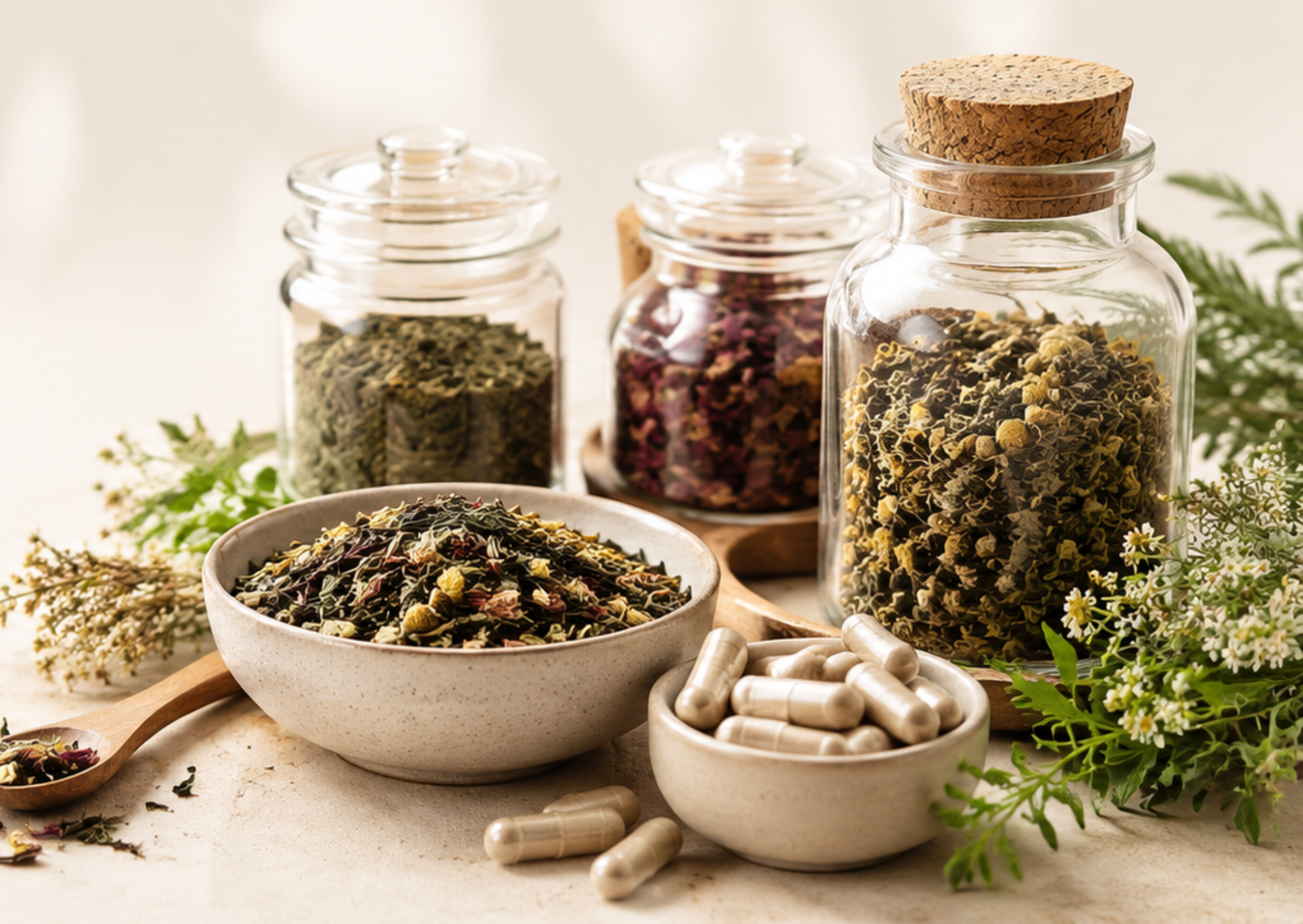
One of the most traditional and gentle ways to consume Jacob’s Ladder is as an herbal tea or infusion. Dried leaves, flowers, or root material can be steeped in hot water to create a soothing beverage. This method is particularly effective for respiratory ailments, providing warmth and direct contact with the throat, and for its calming nervine effects before bedtime. An infusion typically involves steeping about 1-2 teaspoons of dried herb in a cup of hot water for 10-15 minutes.
2. Tinctures and Liquid Extracts
Tinctures are concentrated liquid extracts made by soaking the plant material in alcohol or a glycerin solution. This method offers a more potent and bioavailable form of the herb, allowing for precise dosing and rapid absorption. Tinctures are often favored for their convenience and longer shelf life. They are particularly useful for targeting specific conditions that require a stronger therapeutic impact, such as chronic coughs or persistent anxiety. Dosage typically ranges from a few drops to a full dropperful, taken diluted in water.
3. Capsules and Supplements
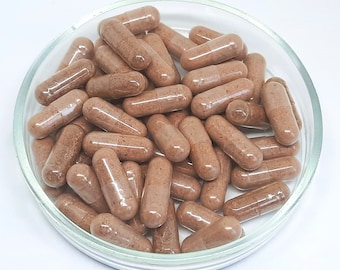
For those seeking a standardized and convenient form of Jacob’s Ladder, encapsulated supplements are an excellent option. These typically contain powdered dried herb or concentrated extracts, providing a consistent dose of active compounds. Capsules are ideal for individuals who may not enjoy the taste of herbal teas or prefer a more discreet method of consumption. They are widely available through reputable herbal supplement retailers and are a popular choice for long-term supportive therapy, ensuring a steady intake of the herb’s beneficial constituents.
Dosage and Administration Guidelines
While Jacob’s Ladder is generally considered safe for most individuals when used appropriately, it is crucial to adhere to recommended dosages and consult with a healthcare professional, especially if you have underlying health conditions, are pregnant or breastfeeding, or are taking other medications. General guidelines include:
- Dried Herb (for Tea): 1-2 teaspoons per cup of hot water, steeped for 10-15 minutes, 2-3 times daily.
- Tincture: 2-5 ml (approximately 40-100 drops) of a 1:5 concentration, 2-3 times daily, diluted in water.
- Capsules: Follow the manufacturer’s instructions, as potency can vary. Typically, 200-500 mg of powdered extract, 1-2 times daily.
It is always advisable to start with the lowest effective dose and gradually increase if needed, while monitoring your body’s response. Consistency in use is key to experiencing the full range of benefits from Jacob’s Ladder.
Potential Side Effects and Precautions
Although Jacob’s Ladder is generally well-tolerated, some individuals may experience mild side effects, particularly with excessive doses. These can include stomach upset, nausea, or diarrhea. Due to its saponin content, individuals with sensitive digestive systems should exercise caution. Pregnant and breastfeeding women should avoid using Jacob’s Ladder due to a lack of sufficient safety data. Individuals on blood-thinning medications should consult their doctor before using Jacob’s Ladder, given the potential for coumarin interactions. Always source Jacob’s Ladder from reputable suppliers to ensure purity and avoid contamination.
Cultivation and Sustainability
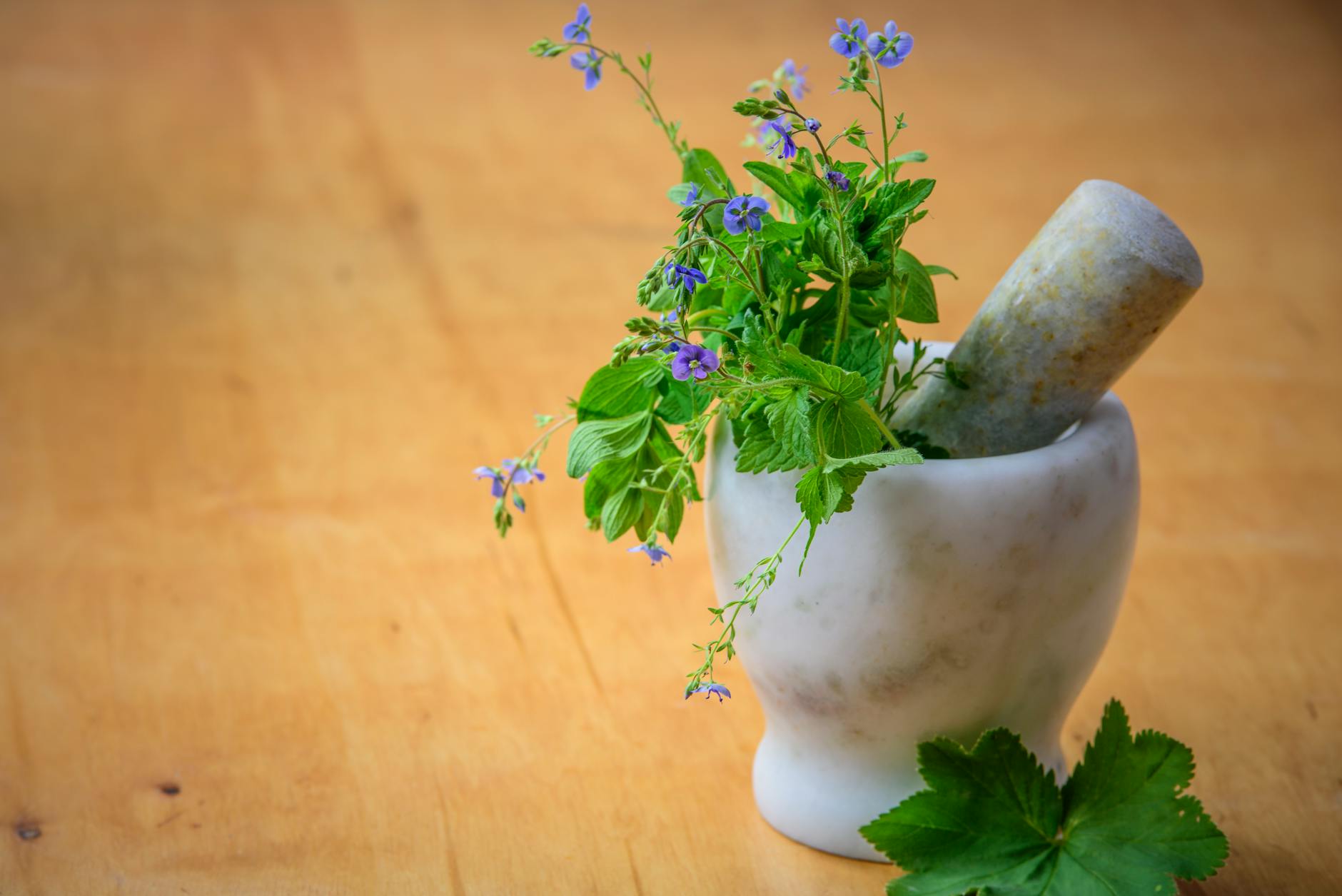
Jacob’s Ladder is a relatively easy plant to cultivate in suitable conditions, making it a sustainable choice for home gardeners interested in herbal remedies. It prefers partial shade and consistently moist, well-drained soil. When sourcing Jacob’s Ladder, always prioritize ethically wildcrafted or organically cultivated varieties to ensure both potency and environmental responsibility. Supporting sustainable practices helps protect wild populations and promotes the long-term availability of this valuable herb.
Conclusion: Embracing the Enduring Legacy of Jacob’s Ladder
Jacob’s Ladder stands as a testament to the profound healing power inherent in the natural world. From its humble origins in damp woodlands, this remarkable plant has ascended to prominence in traditional medicine, offering a rich array of health benefits now increasingly validated by modern science. Its potent blend of saponins, flavonoids, phenolic acids, and other bioactive compounds provides comprehensive support for respiratory health, nervous system modulation, anti-inflammatory and antioxidant defense, and potentially even cardiovascular well-being. As we continue to navigate the complexities of modern health, the enduring legacy of Jacob’s Ladder reminds us of the invaluable wisdom contained within botanical remedies. By understanding and respectfully integrating this powerful herb into our wellness practices, we can harness its natural potency to foster greater vitality and holistic well-being.
Disclaimer: For informational purposes only. Not medical advice. Consult a qualified healthcare professional before use.