Valerian: Unveiling the Ancient Herb’s Profound Health Benefits for Modern Wellness
In an increasingly fast-paced world, the quest for natural remedies to support health and well-being has led many back to the wisdom of ancient traditions. Among these time-honored botanicals, Valerian (Valeriana officinalis) stands out as a veritable powerhouse, renowned for its calming and sleep-inducing properties. For centuries, this unassuming herb has been a trusted ally in combating sleeplessness, alleviating anxiety, and fostering a profound sense of tranquility. This exhaustive guide delves deep into the multifaceted health benefits of Valerian, exploring its rich historical tapestry, intricate botanical profile, sophisticated chemical composition, and the scientific mechanisms that underpin its therapeutic efficacy. Our aim is to provide a definitive resource for anyone seeking to understand and harness the full potential of this remarkable plant for enhanced wellness.
A Journey Through Time: The Historical Significance of Valerian
The story of Valerian is etched into the annals of herbal medicine, dating back more than two millennia. Its name is thought to derive from the Latin word “valere,” meaning “to be strong” or “to be healthy,” a testament to the high regard in which it was held by ancient civilizations. The earliest documented use of Valerian can be traced to ancient Greece, where Hippocrates, often considered the “Father of Medicine,” described its medicinal properties, particularly for insomnia. Galen, another prominent Greek physician, later recommended it for its calming effects and its ability to treat various nervous conditions. During the Roman Empire, Valerian was not only used for sleep but also as a remedy for heart palpitations, headaches, and even as an antispasmodic for menstrual cramps.
Throughout the Middle Ages, Valerian continued to be a staple in European herbal medicine. It was believed to possess protective qualities and was sometimes hung in homes to ward off evil spirits or used in folk remedies for epilepsy. By the 16th century, the renowned botanist and physician, Paracelsus, advocated for its use as a natural sedative. Its popularity truly soared during World War I, when it was widely used to treat “shell shock” (a form of PTSD) among soldiers, underscoring its profound capacity to soothe nervous agitation and trauma. This extensive historical lineage firmly establishes Valerian not merely as a trending supplement but as a consistently trusted botanical with a well-earned reputation across diverse cultures and epochs.
Botanical Insights: Understanding the Valerian Plant
Valeriana officinalis, commonly known as garden valerian, is a perennial flowering plant belonging to the Caprifoliaceae family, which also includes honeysuckle. Native to Europe and Asia, it has since naturalized in many parts of North America. The plant typically grows to a height of 1 to 2 meters (3 to 6 feet), producing tall, hollow, ridged stems. Its distinctive features include pinnate leaves with 7 to 10 pairs of toothed leaflets and clusters of small, fragrant, pale pink or white flowers that bloom in the summer.
However, it is not the visually appealing flowers or leaves that hold its primary medicinal value, but rather its rhizome (underground stem) and roots. These subterranean parts are characterized by a strong, rather pungent odor, which some describe as earthy or musky, often likened to old socks or unwashed feet, particularly after drying. This unique aroma is a telltale sign of the presence of its volatile compounds, which are key to its therapeutic effects. The roots are typically harvested in the autumn, when their concentration of active compounds is at its peak, then carefully dried and processed for medicinal use.

The Enigmatic Scent: A Key to Its Efficacy
The characteristic odor of Valerian is often attributed to the presence of isovaleric acid, a compound found in its essential oil. While initially off-putting to some, this scent is an indicator of the herb’s potency. The drying process further enhances the odor as certain precursors break down into these volatile compounds. This distinct aroma has even been observed to attract cats, similar to catnip, highlighting the complex array of biochemicals present within the plant. Understanding the botanical aspects provides a foundational appreciation for the natural origins of this powerful herbal remedy.
The Science Behind the Soothing Power: Unraveling Valerian’s Bioactive Compounds
The therapeutic efficacy of Valerian is not attributed to a single compound but rather to a complex interplay of various bioactive constituents working in synergy. This phytocomplex approach, common in herbal medicine, suggests that the whole plant extract often provides superior benefits compared to isolated compounds. Researchers have identified several classes of compounds responsible for Valerian’s sedative, anxiolytic, and muscle-relaxant effects. These include valepotriates, valerenic acid and its derivatives, lignans, flavanones, and essential oils.

Valerenic Acid and its Derivatives: The GABAergic Connection
Perhaps the most extensively studied active compounds in Valerian are valerenic acid and its structural analogues, acetoxyvalerenic acid and hydroxyvalerenic acid. These compounds are believed to be central to Valerian’s ability to promote relaxation and sleep by interacting with the gamma-aminobutyric acid (GABA) neurotransmitter system in the brain. GABA is the primary inhibitory neurotransmitter in the central nervous system, responsible for reducing neuronal excitability and inducing a sense of calm. Valerenic acid has been shown to inhibit the enzyme responsible for breaking down GABA, leading to an increased concentration of GABA in the synaptic cleft. Furthermore, some studies suggest that valerenic acid may directly bind to GABAA receptors, mimicking the effects of GABA itself, similar to how benzodiazepines (e.g., Valium) work, but without the significant side effects or addictive potential associated with pharmaceutical drugs. This enhancement of GABAergic neurotransmission is a key mechanism explaining Valerian’s sedative and anxiolytic properties.
Valepotriates: Natural Sedatives and Muscle Relaxants
Valepotriates (iridoids) are another class of compounds found in Valerian, including valtrate and isovaltrate. While they are chemically unstable and easily degraded during extraction and storage, particularly in water-based preparations like teas, their presence in fresh or carefully processed extracts is significant. Valepotriates are thought to contribute to Valerian’s sedative and muscle-relaxant effects, possibly through modulating adenosine receptors and other neurotransmitter systems. They have also been implicated in reducing muscle spasms and tension, offering relief beyond just mental calm. However, due to their instability, standardized extracts often focus more on valerenic acid content.
Lignans and Flavanones: Antioxidant and Anxiolytic Properties
Valerian also contains various lignans, such as hydroxypinoresinol, which may bind to benzodiazepine receptors, further contributing to its anxiolytic effects. Additionally, several flavanones, including hesperidin and linarin, are present. These compounds are known for their antioxidant properties and have been shown to possess mild sedative and anxiolytic activities. Linarin, in particular, has demonstrated the ability to modulate GABAA receptors and influence serotonin receptors, which play crucial roles in mood regulation and sleep cycles. The synergistic action of these diverse compounds underscores the holistic nature of Valerian’s therapeutic profile, where each component contributes to the overall calming and restorative effect.
Essential Oils: Aroma and Activity
The distinctive aroma of Valerian root is primarily due to its essential oil content, which includes monoterpenes and sesquiterpenes, such as camphene, borneol, bornyl acetate, and isovaleric acid. While the essential oil components may contribute to some of Valerian’s effects, particularly through aromatherapy, their direct sedative impact is generally considered less significant than that of valerenic acid and valepotriates when ingested.
Primary Health Benefits of Valerian: A Detailed Exploration
Valerian’s rich biochemical profile translates into a wide array of health benefits, primarily centered around its ability to calm the nervous system and promote restorative sleep. Let’s explore these benefits in detail.
1. Profound Sleep Promotion and Insomnia Relief
This is arguably Valerian’s most celebrated and well-researched benefit. Millions worldwide struggle with insomnia, a condition characterized by difficulty falling asleep, staying asleep, or experiencing non-restorative sleep. Valerian has been shown in numerous clinical studies to improve various parameters of sleep quality. It is believed to act as a mild sedative, primarily by increasing the availability of GABA in the brain, as previously discussed. This leads to a reduction in brain activity, making it easier to drift into sleep. Unlike many pharmaceutical sleeping pills, Valerian typically does not cause morning grogginess or dependence, making it an attractive natural alternative.
Research indicates that Valerian can significantly reduce the time it takes to fall asleep (sleep latency) and improve the subjective perception of sleep quality. Some studies also suggest it may increase slow-wave sleep (deep sleep), which is crucial for physical restoration and memory consolidation. While the effects may not be as immediate or potent as prescription sedatives, Valerian’s gentle, cumulative action makes it highly effective for chronic sleep disturbances when used consistently over several weeks. It helps in re-establishing natural sleep patterns without disrupting the REM sleep cycle as much as synthetic drugs.
2. Significant Anxiety Reduction and Stress Management
Beyond sleep, Valerian excels as a natural anxiolytic, helping to mitigate the symptoms of anxiety and general nervousness. Its ability to enhance GABAergic neurotransmission plays a crucial role here, as inadequate GABA activity is often associated with heightened anxiety and stress responses. By promoting GABA’s calming effects, Valerian can reduce feelings of unease, tension, and overthinking, making it easier to cope with daily stressors.
Clinical trials have demonstrated Valerian’s efficacy in reducing psychological and physiological markers of stress. Individuals experiencing performance anxiety, general anxiety disorder, or situational stress may find significant relief. It works by “taking the edge off” without causing heavy sedation in many users, allowing for clearer thought and reduced emotional reactivity. This makes it a valuable tool for managing the acute symptoms of anxiety, as well as for promoting a more resilient nervous system over time.
3. Muscle Relaxation and Spasm Relief
Valerian’s antispasmodic properties are less widely known but equally valuable. The valepotriates and other compounds within the herb can exert a direct relaxing effect on smooth muscles. This benefit extends to various conditions involving muscle tension and spasms, including gastrointestinal cramps, menstrual cramps (dysmenorrhea), and general muscle soreness or tension often associated with stress. By easing muscular contractions, Valerian can provide comfort and alleviate pain, contributing to an overall sense of relaxation and well-being. This mechanism also indirectly supports sleep by releasing physical tension that might otherwise hinder rest.
4. Alleviation of Menopausal Symptoms
For women navigating the menopausal transition, Valerian offers specific benefits, particularly in addressing sleep disturbances and hot flashes. The hormonal fluctuations during menopause often lead to increased anxiety, insomnia, and disruptive hot flashes. Several studies have explored Valerian’s role in this context, finding that it can significantly improve sleep quality in menopausal women, helping them achieve more consistent and restorative rest. While its direct impact on hot flashes is still being researched, its calming effects on the nervous system can indirectly reduce the frequency and intensity of stress-induced hot flashes, contributing to a better quality of life during this transitional period.
5. Other Potential Benefits: A Glimpse into Broader Applications
While the above are Valerian’s primary and most substantiated benefits, ongoing research suggests additional applications:
- Restless Leg Syndrome (RLS): Some anecdotal evidence and preliminary studies suggest Valerian may help alleviate the uncomfortable sensations and urges to move the legs associated with RLS, thereby improving sleep quality for affected individuals.
- Mild Pain Relief: Its muscle-relaxant and calming properties may offer some relief for tension headaches and mild musculoskeletal pain, especially when stress is a contributing factor.
- Improvement in Cognitive Function (indirectly): By promoting better sleep and reducing anxiety, Valerian indirectly supports cognitive functions like concentration, memory, and mood stability, as these are often impaired by sleep deprivation and chronic stress.
Forms of Valerian and Practical Usage: Harnessing Its Potential
Valerian is available in several forms, catering to different preferences and needs. Understanding these forms and appropriate usage guidelines is crucial for maximizing its benefits and ensuring safety.
Traditional Preparations: Dried Herb for Teas and Tinctures
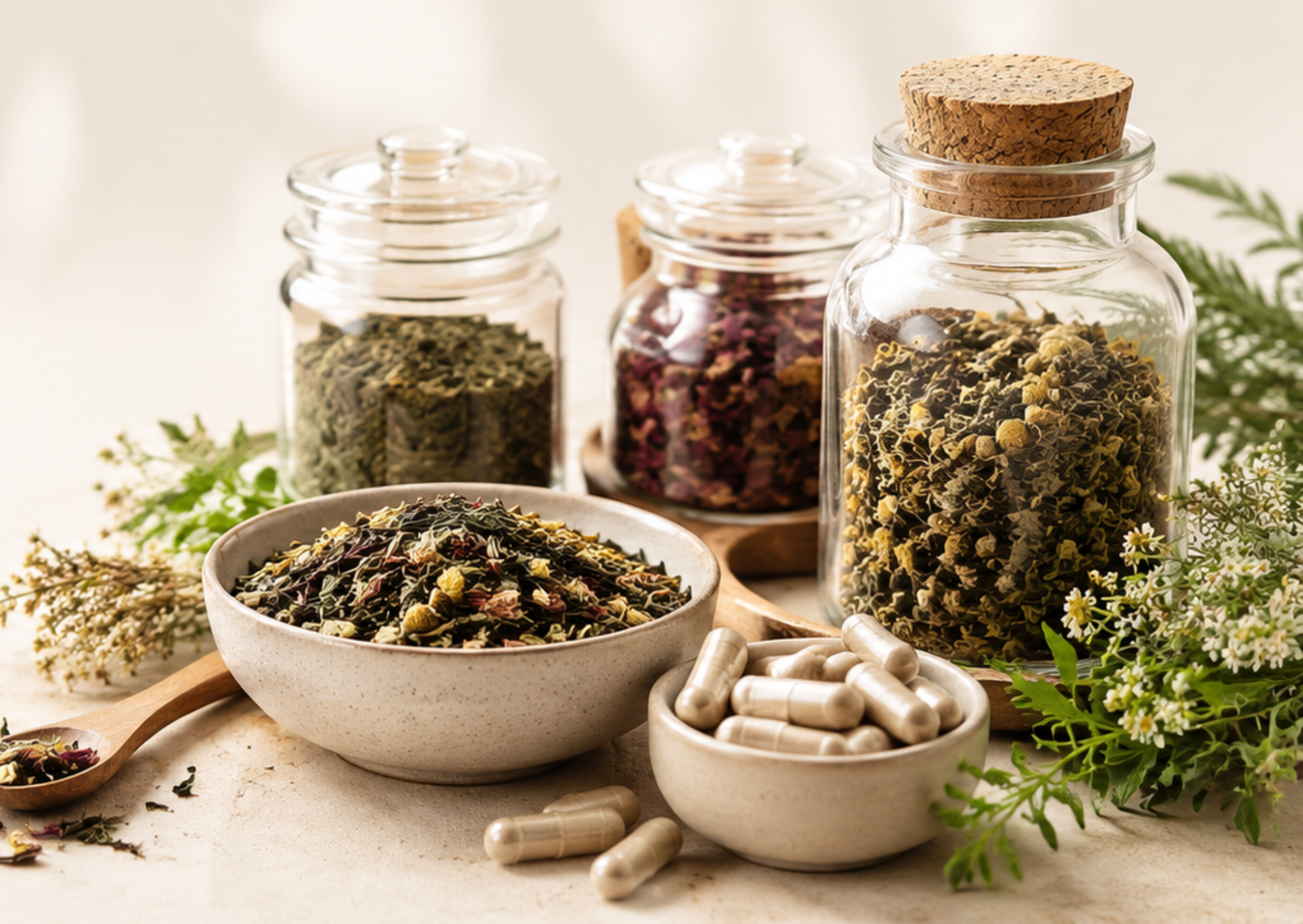
Historically, Valerian was consumed as a tea or tincture. To prepare a Valerian tea, the dried root is typically steeped in hot water. The strong, earthy aroma is most noticeable in this form. Tinctures, which are alcohol-based extracts, offer a more concentrated form and have a longer shelf life. Both teas and tinctures allow for rapid absorption of the active compounds.

Modern Convenience: Capsules and Standardized Extracts
Today, Valerian is most commonly found in capsule or tablet form, often as standardized extracts. Standardization ensures that each dose contains a consistent amount of the key active compounds, such as valerenic acid. This form is convenient, odorless, and allows for precise dosing, making it a popular choice for consistent use in managing sleep and anxiety.

Dosage Guidelines and Best Practices
Dosage can vary significantly based on the form, concentration, and individual response. Always consult with a healthcare professional before starting any new supplement, especially if you have underlying health conditions or are taking other medications. General guidelines include:
- For Insomnia: A common dose is 300-600 mg of Valerian extract (standardized to 0.4-0.8% valerenic acid) taken 30 minutes to 2 hours before bedtime. For teas, 1-2 grams of dried root steeped for 10-15 minutes.
- For Anxiety: Lower doses, typically 120-200 mg, can be taken three times daily, or as needed for acute anxiety, though consistent use often yields better results.
- Consistency is Key: Valerian’s effects may not be immediate; it often works best when taken consistently over several days or weeks for chronic issues, allowing the body to adjust and build up the active compounds.
- Avoid Combining: Do not combine Valerian with alcohol or other sedatives (prescription or over-the-counter) without medical supervision, as it can intensify their effects.
- Start Low, Go Slow: Begin with the lowest effective dose and gradually increase if needed, while monitoring your body’s response.
Safety Profile and Potential Side Effects
Valerian is generally considered safe for most adults when used appropriately and for short periods (up to several weeks). However, like all potent botanicals, it is not without potential side effects and contraindications.
Common Side Effects
Most side effects are mild and uncommon, including:
- Drowsiness or Dizziness: This is the most common side effect, especially if taken during the day or in higher doses. It’s why it’s recommended for bedtime use.
- Headaches: Some individuals may experience mild headaches.
- Gastrointestinal Upset: Nausea, stomach upset, or diarrhea can occur in sensitive individuals.
- Paradoxical Stimulation: Rarely, some individuals may experience increased excitability or restlessness instead of sedation.
Contraindications and Precautions
Certain populations and conditions warrant caution or avoidance:
- Pregnancy and Breastfeeding: There is insufficient research on Valerian’s safety during pregnancy and lactation. It is generally advised to avoid use.
- Liver Disease: While rare, some concerns exist about potential liver toxicity with very high doses or prolonged use, especially in individuals with pre-existing liver conditions. Consult a doctor.
- Surgery: Valerian can interact with anesthesia and other medications used during surgery. It should be discontinued at least two weeks before any scheduled surgical procedure.
- Children: Valerian use in children should only be under the guidance of a healthcare professional.
- Operating Machinery or Driving: Due to its sedative effects, individuals should avoid driving or operating heavy machinery until they know how Valerian affects them.
Drug Interactions
Valerian can interact with several medications, potentially enhancing their effects:
- Sedatives (e.g., Benzodiazepines, Barbiturates): Valerian can amplify the sedative effects of these drugs, leading to excessive drowsiness and respiratory depression.
- Antidepressants: Specific interactions are not well-established, but caution is advised, especially with SSRIs, as Valerian may affect serotonin pathways.
- Alcohol: Valerian can increase the sedative effects of alcohol, leading to dangerous levels of drowsiness.
- Antihistamines (sedating): Similar to other sedatives, Valerian can enhance the drowsy effects of sedating antihistamines.
Always inform your doctor or pharmacist about all supplements and medications you are taking to prevent potential adverse interactions.
Choosing a Quality Valerian Supplement
Given the variability in herbal products, selecting a high-quality Valerian supplement is paramount. Look for products that:
- Are Standardized: Opt for extracts standardized to contain a specific percentage of valerenic acid (e.g., 0.4-0.8%), as this indicates consistent potency.
- Are Third-Party Tested: This ensures purity, potency, and freedom from contaminants like heavy metals or pesticides.
- Specify the Plant Part: Ensure the product uses the root or rhizome, as these are the parts with proven medicinal value.
- Reputable Brands: Choose brands with a strong reputation for quality and transparency in their manufacturing processes.
Conclusion: Valerian – A Timeless Ally for Serenity and Sleep
Valerian, with its rich historical legacy and scientifically validated mechanisms of action, stands as a testament to the enduring power of natural medicine. From its ancient origins as a remedy for sleeplessness and nervousness to its modern application as a gentle yet effective botanical supplement, its journey through human history is deeply intertwined with our quest for calm and restorative sleep. The complex symphony of its bioactive compounds, particularly valerenic acid, works harmoniously to modulate the brain’s GABAergic system, offering a natural pathway to tranquility without the harsh side effects often associated with pharmaceutical interventions.
Whether battling occasional insomnia, managing daily stressors, or seeking relief from muscle tension, Valerian offers a holistic approach to wellness. Its ability to promote deep, natural sleep, alleviate anxiety, and relax the body makes it an invaluable tool in a world increasingly burdened by stress and sleep deprivation. While generally safe, informed usage, adherence to recommended dosages, and consultation with healthcare professionals remain crucial for maximizing its benefits and ensuring a safe experience. Embracing Valerian means tapping into centuries of herbal wisdom, offering a gentle yet profound path towards a more serene and restful existence.
Disclaimer: For informational purposes only. Not medical advice. Consult a qualified healthcare professional before use.