

The Ancient Wisdom and Modern Science of White Willow Bark: A Definitive Guide to Its Health Benefits
For millennia, humanity has looked to the natural world for healing, and few botanical remedies boast a history as rich and impactful as White Willow Bark. Revered across civilizations for its remarkable pain-relieving and anti-inflammatory properties, this humble bark from the Salix alba tree stands as a testament to nature’s profound pharmacy. In an era increasingly seeking natural alternatives to synthetic medications, White Willow Bark emerges as a powerful, time-tested solution for a myriad of health concerns. This exhaustive guide delves deep into the historical significance, intricate botanical profile, sophisticated chemical composition, and extensive health benefits of White Willow Bark, offering a definitive resource for those looking to understand and harness its therapeutic potential.
Historical Roots and the Genesis of Modern Medicine
The story of White Willow Bark as a medicinal agent is as old as civilization itself, tracing its origins back to ancient Mesopotamia, Egypt, and Greece. Texts from as far back as 2000 BCE, including the Sumerian and Egyptian papyri, mention the use of willow for pain and inflammation. Hippocrates, the father of medicine, advised chewing on willow bark to alleviate pain and fever around 400 BCE. Indigenous peoples across North America also utilized willow bark extensively for headaches, fevers, muscle pain, and various inflammatory conditions, often preparing it as a tea or poultice. This widespread traditional use across diverse cultures underscores its undeniable efficacy and inherent value as a therapeutic herb.
The true turning point in willow bark’s journey into modern medicine came in the 18th century. In 1763, the Reverend Edward Stone famously presented a paper to the Royal Society of London detailing his successful use of willow bark in treating malarial fevers. His observations laid the groundwork for scientific inquiry, inspiring chemists to isolate the active compounds responsible for its effects. This culminated in 1828 when Johann Buchner, a German pharmacist, successfully isolated a bitter, yellow, crystalline glycoside he named “salicin” from willow bark. This discovery was a pivotal moment, as salicin would later be synthesized to produce salicylic acid, the precursor to acetylsalicylic acid – more commonly known as aspirin. Thus, White Willow Bark not only provided direct therapeutic benefits but also served as the very blueprint for one of the most widely used synthetic drugs in history, forever cementing its place at the crossroads of traditional herbalism and pharmaceutical innovation.
Botanical Profile: Unveiling the Source of Healing
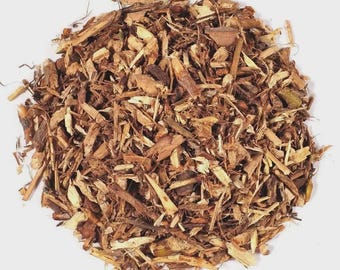
White Willow Bark is derived from the White Willow tree, scientifically known as Salix alba. This deciduous tree, native to Europe, Central Asia, and North Africa, thrives in moist soils, typically along riverbanks and in wetland areas. It is easily recognizable by its deeply fissured, greyish-brown bark and its characteristic slender, flexible branches adorned with silvery-green leaves, which give the tree its “white” appellation. The bark is harvested from trees typically two to three years old, ensuring a potent concentration of its active constituents. It is the inner bark, specifically, that holds the highest therapeutic value, carefully collected and dried for medicinal use.

The botanical characteristics of Salix alba are not merely aesthetic; they reflect its evolutionary adaptation and its chemical arsenal. The flexibility of its branches, for instance, allows it to withstand strong winds and floods, while its deep root system anchors it firmly in waterlogged soil. These very adaptations hint at the plant’s robust biological activity, which translates into its medicinal properties. Understanding the plant’s natural habitat and growth patterns provides insight into its inherent resilience and the potent compounds it synthesizes to protect itself, many of which offer remarkable health benefits to humans.
The Science Behind the Soothing: Key Bioactive Compounds
The therapeutic prowess of White Willow Bark lies in its complex interplay of bioactive compounds, with salicin being the most prominent and extensively studied. However, it is crucial to recognize that the bark’s overall efficacy is often attributed to a synergistic effect of multiple constituents, rather than salicin acting in isolation.
Salicin and Its Transformation
Salicin is a phenolic glycoside that, upon ingestion, is metabolized by bacteria in the gut and then by enzymes in the liver into salicylic alcohol, which is then oxidized to salicylic acid. This is the very same active metabolite found in aspirin. Salicylic acid exerts its primary therapeutic effects by inhibiting the activity of cyclooxygenase (COX) enzymes, specifically COX-1 and COX-2. These enzymes are crucial for the synthesis of prostaglandins, which are lipid compounds that mediate pain, inflammation, and fever responses in the body. By reducing prostaglandin production, salicin effectively diminishes these physiological symptoms. The key distinction between salicin from White Willow Bark and synthetic aspirin is the slower conversion of salicin into salicylic acid. This gradual release often leads to a more sustained, yet gentler, anti-inflammatory and analgesic effect, typically with fewer gastrointestinal side effects compared to rapidly absorbed synthetic aspirin.
Beyond Salicin: A Symphony of Phytochemicals
While salicin is the star, White Willow Bark also contains a rich array of other beneficial compounds that contribute to its overall health profile:
- Flavonoids: These powerful plant pigments possess potent antioxidant and anti-inflammatory properties. Quercetin, catechin, and apigenin are examples of flavonoids found in willow bark. They work by scavenging free radicals, reducing oxidative stress, and further modulating inflammatory pathways, thereby enhancing the effects of salicin.
- Tannins: Known for their astringent properties, tannins contribute to willow bark’s traditional use in wound healing and as an antiseptic. They also have antioxidant capabilities and can help soothe irritated mucous membranes, which may contribute to its gentler effect on the stomach compared to synthetic NSAIDs.
- Polyphenols: A broad category of plant compounds, polyphenols are celebrated for their significant antioxidant activity. They help protect cells from damage caused by free radicals, which are implicated in aging and various chronic diseases, thereby supporting overall cellular health and reducing systemic inflammation.
- Volatile Oils: While present in smaller quantities, these compounds can contribute to the bark’s aroma and potentially offer mild antiseptic or soothing effects.
The comprehensive therapeutic action of White Willow Bark, therefore, is not solely due to the COX inhibition by salicylic acid, but rather a sophisticated orchestration of these diverse phytochemicals. This synergistic effect often results in a more holistic and balanced response in the body, which is a hallmark of many traditional herbal remedies.

Comprehensive Health Benefits of White Willow Bark
The multifaceted chemical composition of White Willow Bark translates into a broad spectrum of health benefits, primarily centered around its pain-relieving, anti-inflammatory, and fever-reducing capabilities.
Natural Pain Relief (Analgesic Properties)
White Willow Bark is perhaps best known for its ability to alleviate pain. The slow-release conversion of salicin to salicylic acid provides sustained analgesic effects, making it particularly effective for chronic pain conditions where a consistent, gentle pain modulation is desired. It has been extensively studied and traditionally used for:
- Headaches: From tension headaches to migraines, willow bark can help reduce the intensity and frequency of head pain. Its anti-inflammatory action may target the underlying vascular or inflammatory processes contributing to headaches.
- Back Pain: Chronic lower back pain, a pervasive issue, often responds well to regular use of willow bark. Clinical studies have shown significant reductions in pain intensity and an improvement in mobility for individuals suffering from this condition.
- Muscle Aches and Soreness: Whether from strenuous exercise or general body aches, the anti-inflammatory properties help soothe tired and inflamed muscles, promoting faster recovery.
- Menstrual Cramps (Dysmenorrhea): By reducing the production of pain-inducing prostaglandins, willow bark can effectively mitigate the severity of menstrual cramps, offering a natural alternative for managing monthly discomfort.
The gradual onset of action, typically slower than synthetic aspirin, is often compensated by a longer-lasting effect and a reduced likelihood of stomach upset, making it a favorable option for individuals seeking sustained relief without harsh immediate side effects.
Potent Anti-Inflammatory Effects
Inflammation is the body’s natural response to injury or infection, but chronic or excessive inflammation can lead to a host of debilitating conditions. White Willow Bark’s ability to inhibit COX enzymes is central to its anti-inflammatory prowess, providing relief for:
- Arthritis (Osteoarthritis and Rheumatoid Arthritis): Perhaps one of its most celebrated uses. In osteoarthritis, willow bark helps reduce pain and stiffness associated with cartilage degeneration. For rheumatoid arthritis, an autoimmune inflammatory condition, its systemic anti-inflammatory effects can help manage joint swelling, pain, and improve overall joint function. The reduction in prostaglandin synthesis directly addresses the inflammatory cascade at the cellular level.
- Tendonitis and Bursitis: These conditions involve inflammation of tendons and bursae, respectively. Willow bark can help reduce the localized inflammation, easing pain and supporting the healing process.
- General Inflammatory Conditions: Beyond specific ailments, the broad anti-inflammatory action can contribute to overall well-being by dampening systemic inflammatory markers that are often linked to chronic diseases.
Fever Reduction (Antipyretic)
Just as in ancient times, White Willow Bark remains a valuable natural remedy for reducing fevers. Its antipyretic action is also mediated through the inhibition of prostaglandin synthesis. Prostaglandins play a key role in the body’s thermoregulatory center in the hypothalamus, signaling it to raise body temperature. By dampening this signal, salicylic acid helps to reset the body’s thermostat, facilitating a reduction in fever. This gentle yet effective action makes it a suitable option for managing fever associated with colds, flu, and other mild infections.
Antioxidant Properties
Beyond its well-known analgesic and anti-inflammatory effects, the presence of flavonoids and polyphenols endows White Willow Bark with significant antioxidant capabilities. Antioxidants are crucial for neutralizing free radicals, unstable molecules that can damage cells and DNA, contributing to oxidative stress, aging, and the development of chronic diseases like cardiovascular disease, cancer, and neurodegenerative disorders. By reducing oxidative stress, White Willow Bark not only combats inflammation but also supports general cellular health and offers protective effects against long-term degenerative processes.
Practical Applications and Forms of White Willow Bark
White Willow Bark is available in several forms, catering to various preferences and needs, from traditional herbal preparations to modern standardized supplements.
Capsules and Tablets
The most common and convenient form for consistent dosage, White Willow Bark capsules and tablets typically contain standardized extracts, ensuring a specific amount of salicin per serving. This standardization is crucial for therapeutic efficacy and safety, allowing users to precisely control their intake. Standardized extracts are often concentrated, meaning a smaller dose can deliver significant benefits. They are ideal for individuals seeking a reliable, measured approach to integrating willow bark into their health regimen, especially for chronic conditions requiring sustained relief.

Teas and Tinctures
For those who prefer traditional methods, White Willow Bark can be prepared as a tea by steeping the dried bark in hot water. This method allows for a more immediate, albeit often less concentrated, absorption of compounds. Tinctures, which are alcohol-based extracts, offer a potent and rapidly absorbed form of the herb. Both teas and tinctures allow for customizability, though achieving precise salicin levels can be more challenging than with standardized capsules. They are often favored for acute symptoms where a quick initial response is desired or for those who appreciate the ritual of herbal preparation.
Topical Applications
Willow bark extracts can also be incorporated into creams, salves, or poultices for localized pain relief. While topical application may not deliver systemic analgesic effects, it can be beneficial for soothing muscle soreness, minor joint pain, or skin irritations due to its anti-inflammatory and astringent properties. This method is particularly useful for individuals who may be sensitive to oral consumption or prefer targeted relief.
Dosage, Safety, and Important Considerations
While White Willow Bark is a natural remedy, it is potent and should be used with respect and caution. The therapeutic dosage typically ranges from 120 mg to 240 mg of salicin per day, often divided into multiple doses. However, higher doses (up to 480 mg of salicin daily) have been used under professional guidance for severe pain. Always follow the specific instructions on the product label or consult a healthcare practitioner for personalized advice.
Potential Side Effects:
Generally, White Willow Bark is well-tolerated. However, like any active substance, it can cause side effects in some individuals, particularly at higher doses:
- Gastrointestinal Upset: Stomach upset, heartburn, or nausea, though less common and usually milder than with synthetic aspirin, can occur.
- Allergic Reactions: Individuals allergic to aspirin or other salicylates should avoid willow bark due to potential cross-reactivity. Symptoms can include skin rashes, hives, or breathing difficulties.
- Tinnitus: Ringing in the ears can be a sign of salicylate toxicity, though rare with willow bark at recommended doses.
Contraindications and Precautions:
It is crucial to exercise caution and consult a healthcare professional before using White Willow Bark if you:
- Are Allergic to Aspirin: This is the most significant contraindication.
- Are Pregnant or Breastfeeding: Salicylates can cross the placenta and pass into breast milk, potentially posing risks to the fetus or infant.
- Have Bleeding Disorders: White Willow Bark can thin the blood, increasing the risk of bleeding.
- Are Taking Anticoagulants (Blood Thinners): Medications like Warfarin, Heparin, or other NSAIDs can interact synergistically, leading to an increased risk of bleeding.
- Are Taking Diuretics or Beta-Blockers: Salicylates can potentially interfere with the effectiveness of these medications.
- Have Kidney or Liver Disease: Impaired organ function may affect the metabolism and elimination of salicin, leading to accumulation.
- Have Asthma or Nasal Polyps: Individuals with aspirin-exacerbated respiratory disease should avoid willow bark.
- Are Under 16 Years of Age: Due to the risk of Reye’s syndrome, a rare but serious condition associated with aspirin use in children and adolescents with viral infections, willow bark should be avoided.
Always inform your healthcare provider about all supplements and medications you are taking to avoid potential interactions and ensure safe usage.

Choosing Quality White Willow Bark Supplements
The efficacy and safety of White Willow Bark supplements largely depend on their quality. When selecting a product, consider the following:
- Standardization: Look for products standardized to a specific percentage of salicin (e.g., 15% or 25% salicin). This ensures consistency and therapeutic potency.
- Reputable Brands: Choose brands known for quality control, transparency, and good manufacturing practices (GMP).
- Third-Party Testing: Supplements tested by independent third-party laboratories for purity, potency, and absence of contaminants (heavy metals, pesticides) offer an additional layer of assurance.
- Extraction Method: Understand how the extract is made. Some methods may preserve a broader spectrum of beneficial compounds.
- Formulation: Decide whether capsules, tinctures, or teas best suit your needs and lifestyle.
Conclusion: White Willow Bark – A Pillar of Natural Healing
From the ancient riverbanks where it first offered its healing secrets to the sophisticated laboratories that deciphered its molecular mechanisms, White Willow Bark stands as a powerful emblem of natural medicine’s enduring relevance. Its rich historical tapestry, coupled with compelling modern scientific validation, affirms its position as a potent and versatile herbal remedy. With its remarkable ability to alleviate pain, reduce inflammation, and lower fever, primarily through the gentle action of salicin and the synergistic effects of other phytochemicals, White Willow Bark offers a compelling natural alternative for a wide range of conditions.
As we continue to navigate the complexities of modern health, the wisdom embedded in nature’s pharmacy, exemplified by White Willow Bark, provides a valuable pathway to well-being. By understanding its benefits, proper usage, and potential considerations, individuals can thoughtfully integrate this ancient herb into their holistic health journey, unlocking the profound soothing power that has benefited humanity for millennia.
Disclaimer: For informational purposes only. Not medical advice. Consult a qualified healthcare professional before use.