The Profound Health Benefits of Goat’s Rue: A Definitive Deep Dive into Nature’s Pharmaceutical Gem
In the vast tapestry of traditional herbal medicine, certain plants stand out for their enduring legacy and remarkable efficacy. Among these revered botanicals is Goat’s Rue, scientifically known as Galega officinalis. Often overlooked in contemporary wellness discussions, this unassuming perennial herb possesses a rich history and a compelling array of health benefits that warrant a thorough exploration. From its ancient use as a potent lactagogue to its modern-day recognition for profound blood sugar regulation, Goat’s Rue represents a unique intersection of folk wisdom and scientific intrigue. This exhaustive guide delves into the intricate botanical profile, historical significance, potent bioactive compounds, and the myriad health advantages that cement Goat’s Rue’s position as a true pharmaceutical gem from nature.
Botanical Profile and Historical Roots: Tracing the Legacy of Galega officinalis
Galega officinalis, commonly known as Goat’s Rue, French Lilac, Italian Vetch, or Professor-weed, belongs to the Fabaceae family, which also includes peas and beans. This hardy perennial herb typically grows to a height of one to two meters, characterized by its distinctive pinnate leaves and dense clusters of delicate, lilac-purple or white flowers, which bloom from early summer to autumn. Native to parts of Europe, Western Asia, and North Africa, Goat’s Rue thrives in moist, nitrogen-rich soils, often found in meadows, riverbanks, and waste grounds. Its name, “Galega,” is derived from the Greek word “gala,” meaning milk, a testament to its long-standing reputation for enhancing milk production in livestock and, traditionally, in humans.
The historical journey of Goat’s Rue is as rich and complex as its biochemical makeup. Records suggest its use dates back to ancient times, where it was utilized across various cultures for its diverse medicinal properties. In ancient Egypt, Greece, and Rome, herbalists recognized its diuretic and diaphoretic qualities, employing it to promote urination and sweating, thereby aiding in detoxification. Medieval European folk medicine frequently prescribed Goat’s Rue as a remedy for fevers, parasitic infections, and even plague, often attributing its efficacy to its perceived ability to “cleanse” the body. However, it was its remarkable impact on lactation and its emerging role in managing blood sugar that truly solidified its place in the annals of herbalism. For centuries, farmers observed that consuming Goat’s Rue increased milk yield in their goats and cows, a discovery that naturally extended its application to human mothers struggling with insufficient milk supply. This empirical observation laid the groundwork for its lasting legacy as a potent galactagogue.
The Bioactive Arsenal: Key Chemical Compounds and Their Mechanisms of Action
The therapeutic prowess of Goat’s Rue is not merely anecdotal; it is firmly rooted in a sophisticated array of bioactive compounds that work synergistically to exert their health benefits. The plant’s rich phytochemical profile includes alkaloids, flavonoids, tannins, saponins, and chromium salts, but one compound stands out as the primary driver of its most celebrated effects: galegine.
Galegine (Isoamylene Guanidine): The Precursor to Modern Diabetes Medication
Galegine is a guanidine derivative that has captivated scientific interest for decades. Its profound ability to lower blood glucose levels was first identified in the early 20th century. This discovery proved to be a pivotal moment in pharmacology, as galegine’s chemical structure served as the inspiration for the synthesis of metformin, one of the most widely prescribed drugs for Type 2 diabetes globally. Galegine primarily functions by inhibiting gluconeogenesis (the production of glucose in the liver) and enhancing peripheral glucose uptake, thereby reducing the amount of glucose circulating in the bloodstream. Its mechanism is complex, involving interactions with various enzymatic pathways that regulate glucose metabolism, making it a potent natural antidiabetic agent.
Alkaloids: Diverse Physiological Impacts
Beyond galegine, Goat’s Rue contains other alkaloids, though in smaller quantities. These nitrogen-containing organic compounds are known for their potent physiological effects. While research specifically on the other alkaloids in Goat’s Rue is ongoing, alkaloids in general often contribute to a plant’s medicinal properties, including analgesic, anti-inflammatory, and antimicrobial actions, subtly contributing to the herb’s overall therapeutic spectrum.
Flavonoids: Antioxidant and Anti-inflammatory Powerhouses
Goat’s Rue is abundant in flavonoids, a diverse group of plant pigments renowned for their powerful antioxidant and anti-inflammatory properties. These compounds combat oxidative stress by scavenging free radicals, which are unstable molecules that can damage cells and contribute to chronic diseases. By reducing oxidative damage, flavonoids support cellular health, mitigate inflammation, and potentially offer protective effects against cardiovascular disease, neurodegenerative disorders, and certain cancers. The presence of flavonoids like quercetin and kaempferol derivatives further enhances Goat’s Rue’s capacity to support systemic health.
Tannins: Astringent and Digestive Aids
Tannins are astringent compounds that contribute to the plant’s traditional use in digestive health. They can bind to proteins, forming protective layers on mucous membranes, which may help to soothe irritated gut linings, reduce inflammation, and offer mild antimicrobial effects. This astringency can also contribute to its diuretic properties by influencing kidney function indirectly.
Saponins: Immune Modulators and Cholesterollowering Agents
Saponins are naturally occurring glycosides that produce a frothing effect when mixed with water. In Goat’s Rue, saponins contribute to its diverse pharmacological actions, including potential immune-modulating effects and, in some plant species, cholesterol-lowering properties. Their presence further enhances the herb’s holistic impact on metabolic and systemic health.
Chromium Salts: Synergistic Metabolic Support
The presence of naturally occurring chromium salts in Goat’s Rue is particularly noteworthy given its role in glucose metabolism. Chromium is an essential trace mineral that enhances the action of insulin, facilitating the transport of glucose into cells. This synergistic effect with galegine and other compounds amplifies Goat’s Rue’s potential to improve insulin sensitivity and regulate blood sugar levels, offering a comprehensive approach to metabolic support.
The Myriad Health Benefits of Goat’s Rue: Unpacking Its Therapeutic Potential
The rich biochemical tapestry of Goat’s Rue translates into a wide spectrum of health benefits, many of which have been supported by both traditional use and contemporary scientific inquiry.
1. Profound Blood Sugar Regulation and Antidiabetic Potential
Perhaps the most celebrated and scientifically validated benefit of Goat’s Rue lies in its exceptional ability to modulate blood glucose levels. The primary active compound, galegine, directly impacts several critical pathways involved in glucose metabolism. It significantly reduces hepatic glucose output, meaning it lessens the amount of glucose produced by the liver, especially overnight when fasting. Simultaneously, galegine has been shown to improve insulin sensitivity, allowing the body’s cells to more efficiently absorb glucose from the bloodstream. This dual action makes Goat’s Rue a powerful ally for individuals managing prediabetes, Type 2 diabetes, or those seeking to maintain healthy blood sugar levels. Its historical link to metformin underscores its profound influence on this area of health, offering a natural approach to metabolic balance by helping to prevent post-meal glucose spikes and supporting sustained energy levels.
2. Potent Lactogenic Properties: Supporting Breastfeeding Mothers
For centuries, Goat’s Rue has been revered as one of the most effective galactagogues in traditional medicine, earning its name “Goat’s Rue” due to its milk-boosting effects in livestock. For breastfeeding mothers experiencing insufficient milk supply, Goat’s Rue offers a natural and gentle solution. While the exact mechanisms are still being fully elucidated, it is believed to stimulate the growth of mammary tissue and increase the production of prolactin, the hormone primarily responsible for milk synthesis. It also appears to enhance the overall milk flow, making it easier for infants to feed effectively. Many mothers report noticeable increases in milk volume and improved let-down reflex after consistent use, making it a valuable herb for those facing challenges with lactation, particularly in cases of insufficient glandular tissue or post-mastitis recovery.
3. Digestive Health and Metabolic Support
Beyond its direct impact on blood sugar, Goat’s Rue contributes to broader digestive and metabolic wellness. The tannins present in the herb exert an astringent effect, which can help tone and strengthen the digestive lining, potentially alleviating mild gastrointestinal discomfort. Its traditional use as a diuretic also aids in kidney function, promoting the elimination of excess fluids and toxins from the body, which can indirectly support metabolic processes. By contributing to improved glucose metabolism and potentially aiding in detoxification, Goat’s Rue offers a holistic approach to maintaining a healthy internal environment, impacting nutrient absorption and waste elimination.
4. Antioxidant and Anti-inflammatory Effects
The rich concentration of flavonoids and other phenolic compounds in Goat’s Rue positions it as a significant source of antioxidants. These compounds actively neutralize harmful free radicals, which are major contributors to cellular damage and chronic inflammation. Chronic inflammation is a root cause of numerous health issues, including cardiovascular diseases, autoimmune conditions, and neurodegenerative disorders. By mitigating oxidative stress and inflammation, Goat’s Rue supports overall cellular integrity, enhances the body’s natural defense mechanisms, and may contribute to preventing the onset and progression of various age-related and inflammatory conditions, fostering long-term health and vitality.
5. Other Traditional and Emerging Benefits
- Diuretic Properties: Historically, Goat’s Rue was used to promote urination, aiding in the removal of excess fluids and potentially supporting kidney health and preventing the formation of kidney stones.
- Anthelmintic Action: In traditional medicine, it was also employed as an anthelmintic, helping to expel intestinal worms and parasites.
- Antimicrobial Potential: Preliminary research suggests that some compounds in Goat’s Rue may possess mild antimicrobial properties, contributing to its traditional use against various infections.
- Weight Management Support: By stabilizing blood sugar and improving insulin sensitivity, Goat’s Rue can indirectly support healthy weight management, as balanced glucose levels often lead to reduced cravings and improved fat metabolism.
Practical Usage and Forms of Goat’s Rue
Goat’s Rue is available in several forms, catering to different preferences and needs. Understanding the various preparations and their applications is key to incorporating this powerful herb into a wellness regimen effectively.
1. Dried Herb: Teas, Infusions, and Decoctions
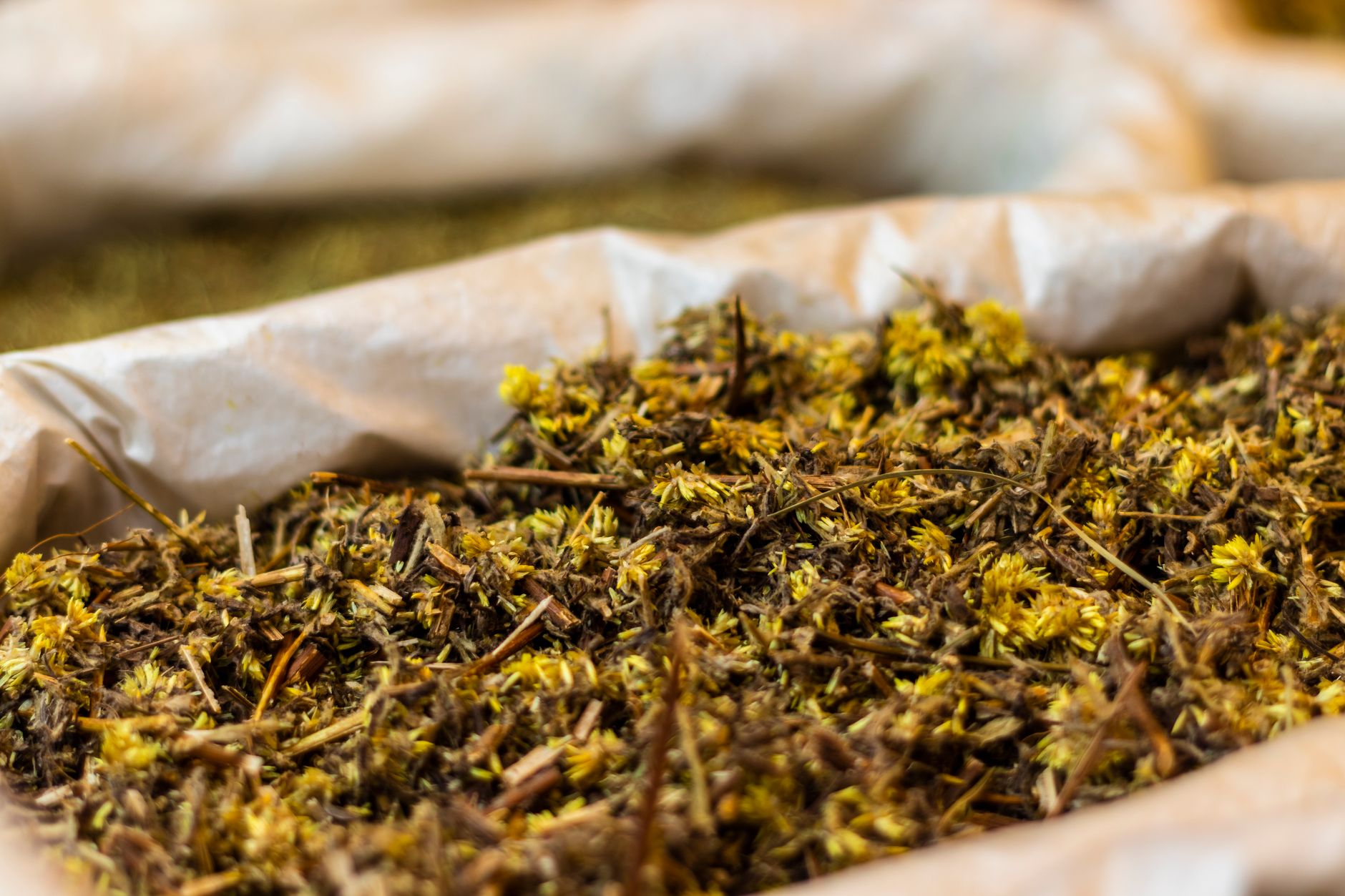
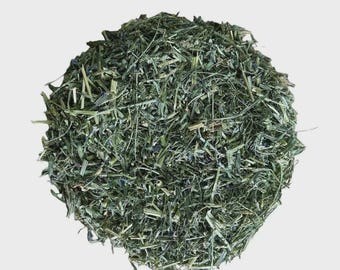
The dried aerial parts of Goat’s Rue are a traditional and versatile form of consumption. They can be prepared as a tea or infusion by steeping one to two teaspoons of the dried herb in hot water for 10-15 minutes. This method is particularly popular for supporting lactation, as the warm liquid can also be soothing. For a more potent extraction, particularly for compounds that are less water-soluble, a decoction can be made by simmering the herb in water for a longer period. The dried herb can also be used to create tinctures at home by soaking it in alcohol for several weeks, extracting a broader spectrum of its bioactive compounds. This form allows for flexible dosing and can be integrated into daily routines easily.
2. Capsules and Standardized Extracts
For convenience and precise dosing, Goat’s Rue is widely available in capsule form. These supplements often contain standardized extracts, ensuring a consistent level of active compounds, such as galegine. This form is ideal for individuals seeking specific therapeutic effects, especially for blood sugar management, where consistent and measured intake is crucial. Capsules offer a tasteless and easy-to-integrate option into daily supplementation routines, eliminating the need for preparation and ensuring bioavailability through concentrated extracts. When choosing capsules, it is vital to opt for reputable brands that provide transparency regarding their sourcing and extraction methods to ensure purity and potency.

3. Liquid Extracts and Tinctures
Liquid extracts and tinctures offer another effective way to consume Goat’s Rue. These are typically alcohol-based solutions that provide a concentrated form of the herb, allowing for rapid absorption. Tinctures are often preferred for their convenience and the ability to adjust dosage easily with drops. They are particularly useful for those who have difficulty swallowing pills or prefer a more immediate effect. The alcohol medium helps to extract a wider range of compounds, making tinctures a potent choice for comprehensive benefits. As with capsules, selecting a high-quality tincture from a trusted manufacturer is paramount.
Dosage, Safety, and Precautions: Navigating Responsible Usage
While Goat’s Rue offers significant health benefits, it is crucial to approach its use with informed caution and respect for its potent effects. Dosage recommendations can vary widely based on the form of the herb, the concentration of active compounds, and individual physiological responses. For general guidelines:
- Dried Herb (Tea/Infusion): 1-2 teaspoons of dried herb steeped in 1 cup of hot water, 2-3 times daily.
- Capsules/Extracts: Typically 500-1000 mg per day, often divided into multiple doses. Standardized extracts should follow manufacturer’s instructions, especially concerning galegine content.
- Tinctures: 1-2 ml, 2-3 times daily, or as directed by a healthcare professional.
It is always recommended to start with a lower dose and gradually increase it while monitoring the body’s response.
Potential Side Effects:
Goat’s Rue is generally considered safe for most adults when used appropriately. However, potential side effects can include:
- Hypoglycemia: Due to its blood sugar-lowering effects, individuals, especially those taking diabetes medication, are at risk of blood sugar dropping too low (hypoglycemia). Symptoms include dizziness, sweating, confusion, and weakness.
- Gastrointestinal Upset: Mild nausea, stomach discomfort, or diarrhea may occur in some individuals.
- Allergic Reactions: As with any plant product, allergic reactions are possible, manifesting as skin rashes, itching, or, rarely, more severe symptoms.
Contraindications and Warnings:
- Pregnancy and Breastfeeding (beyond lactation support): While traditionally used as a galactagogue, its use during pregnancy is generally discouraged due to lack of extensive safety data. For lactation support, consultation with a healthcare provider is essential to ensure it is safe and appropriate.
- Diabetes Medication: Individuals on insulin, metformin, sulfonylureas, or other antidiabetic drugs MUST consult a doctor before using Goat’s Rue. Combining it with these medications can lead to dangerous hypoglycemia. Regular blood sugar monitoring is critical.
- Surgery: Due to its potential impact on blood sugar and possibly blood clotting (though not strongly established), it is advisable to discontinue Goat’s Rue at least two weeks before any scheduled surgery.
- Kidney or Liver Conditions: Individuals with pre-existing kidney or liver disease should use Goat’s Rue with caution and under medical supervision.
- Children: There is insufficient data on the safety of Goat’s Rue for children; therefore, its use is not recommended.
The importance of consulting with a qualified healthcare professional, particularly an herbalist or a physician knowledgeable in botanical medicine, cannot be overstated before starting any new herbal supplement, especially if you have underlying health conditions or are taking other medications. This ensures safe and effective integration into your health regimen, maximizing benefits while minimizing risks.

Conclusion: Embracing the Enduring Power of Goat’s Rue
Goat’s Rue, or Galega officinalis, stands as a testament to the enduring power and therapeutic depth of the plant kingdom. From its humble origins in European meadows to its crucial role in inspiring modern diabetes pharmacology, its journey through history is marked by profound utility and remarkable efficacy. Its potent array of bioactive compounds, particularly galegine, flavonoids, and chromium salts, offers a synergistic approach to supporting holistic health. Whether heralded for its ability to naturally regulate blood sugar, significantly enhance lactation, or contribute to overall metabolic and antioxidant defense, Goat’s Rue is far more than just a historical curiosity. It is a vital natural remedy with well-documented benefits that continue to be explored and appreciated in contemporary wellness practices. As with all powerful herbal allies, responsible and informed usage, ideally under professional guidance, will unlock the full potential of this exceptional botanical, allowing individuals to harness its ancient wisdom for modern health challenges.
Disclaimer: For informational purposes only. Not medical advice. Consult a qualified healthcare professional before use.