

The Profound Health Benefits of Buckthorn Bark (Frangula alnus): A Definitive Deep Dive Guide
In the vast tapestry of traditional herbal medicine, certain plants stand out for their enduring efficacy and significant historical impact. Among these revered botanicals is Buckthorn Bark, scientifically known as Frangula alnus, and commonly referred to as Alder Buckthorn or Black Alder. For centuries, this unassuming shrub has been a cornerstone in natural health practices, primarily celebrated for its potent contributions to digestive wellness. This comprehensive guide aims to unravel the intricate health benefits of Buckthorn Bark, exploring its botanical nuances, the sophisticated chemistry behind its actions, its rich historical narrative, and the precise guidelines for its safe and effective utilization in modern contexts. Our journey will delve into the molecular mechanisms that confer its renowned laxative properties, examine potential secondary benefits, and outline crucial safety considerations, providing a truly exhaustive resource for those seeking to understand this remarkable herb.
Botanical Profile and the Enduring Legacy of Frangula alnus
Frangula alnus, belonging to the Rhamnaceae family, is a deciduous shrub or small tree native to Europe, parts of Asia, and northern Africa. It thrives in damp, acidic soils, frequently found in wetlands, woodlands, and hedgerows. Characterized by its smooth, dark brown bark, oval leaves with prominent veins, and small greenish flowers that mature into dark purple berries, the plant is relatively inconspicuous until its unique properties are brought to light. The medicinal component exclusively utilized is the bark, which historically required careful preparation to harness its benefits safely.
The history of Buckthorn Bark as a medicinal agent stretches back many centuries, firmly embedded in European folk medicine. Ancient texts and traditional healers often cited its efficacy in alleviating stubborn constipation, referring to it by various local names. Its widespread use persisted through the medieval period and into the early modern era, solidifying its reputation as a reliable purgative. The knowledge of its specific actions and the critical importance of proper processing—particularly the aging of the bark—was passed down through generations, underscoring a deep understanding of its therapeutic potential and inherent risks even before the advent of modern pharmacology.

Unveiling the Bioactive Arsenal: Chemical Composition of Buckthorn Bark
The remarkable therapeutic effects of Buckthorn Bark are primarily attributed to its complex array of bioactive compounds, chief among them being the anthraquinone glycosides. These compounds are responsible for its well-documented laxative properties and represent the core of its pharmacological activity. The bark contains a variety of these glycosides, including frangulins (frangulin A and B) and glucofrangulins (glucofrangulin A and B), which are O-glycosides of emodin and chrysophanol, respectively. Emodin and chrysophanol are the active anthraquinone aglycones, which are the non-sugar portions of the glycosides.
When the bark is ingested, these anthraquinone glycosides act as ‘prodrugs.’ They remain largely inactive until they reach the colon. Here, the resident gut microbiota, specifically certain anaerobic bacteria, play a crucial role. These bacteria possess enzymes that hydrolyze the glycosides, cleaving off the sugar moieties and converting the inactive glycosides into their pharmacologically active forms: anthrones and anthranols. This transformation is critical, as the aglycones (anthrones/anthranols) are the true agents responsible for the bark’s profound effects on the bowel.
Beyond the primary anthraquinones, Buckthorn Bark also contains other phytochemicals that may contribute to its overall profile, albeit to a lesser extent in terms of laxative action. These include various flavonoids, tannins, and saponins. Flavonoids are known for their antioxidant and anti-inflammatory potential, while tannins can exert astringent effects. However, for the purposes of digestive health and specifically its laxative use, the anthraquinone glycosides undeniably dominate the therapeutic narrative, making the understanding of their metabolism and mechanism of action paramount.

The Primary Health Benefit: A Potent and Precise Laxative Action
The most celebrated and scientifically validated health benefit of Buckthorn Bark is its efficacy as a stimulant laxative. This action is carefully orchestrated through a dual mechanism within the colon, mediated by the active anthrones and anthranols derived from its glycosides.
Detailed Mechanism of Action:
- Inhibition of Water and Electrolyte Absorption: Upon activation in the colon, the anthrones and anthranols exert a direct effect on the epithelial cells lining the colonic mucosa. They inhibit the activity of Na+/K+-ATPase, a crucial enzyme responsible for the active transport of sodium and potassium ions out of the intestinal lumen and into the bloodstream. By interfering with this pump, they effectively reduce the reabsorption of water and electrolytes (particularly sodium and chloride) from the feces back into the body. This leads to a higher concentration of water and electrolytes remaining within the colonic lumen, which helps to soften the stool and increase its volume.
- Stimulation of Peristalsis: Concurrently, these active metabolites directly irritate the nerve endings within the colonic wall. This irritation stimulates the intrinsic nerve plexuses (specifically the myenteric plexus), which are responsible for coordinating the rhythmic contractions of the intestinal muscles known as peristalsis. By enhancing the frequency and strength of these muscular contractions, Buckthorn Bark accelerates the transit time of stool through the colon. The combined effect of increased fecal volume (due to retained water) and enhanced colonic motility results in a more efficient and complete bowel evacuation, providing significant relief from constipation.
This precise, colon-specific action distinguishes Buckthorn Bark from many other laxatives. Unlike bulk-forming laxatives that work by absorbing water to create larger, softer stools, or osmotic laxatives that draw water into the colon through osmotic pressure, stimulant laxatives like Buckthorn Bark directly influence both water dynamics and muscular contractions. This makes it particularly effective for atonic constipation, where the bowel musculature is sluggish, and for chronic constipation when other, gentler methods have proven insufficient. It has historically been employed, albeit with strict medical supervision, in preparing patients for colonoscopies or other bowel procedures, due to its reliable purging effect.
Traditional Usage and the Art of Preparation
The traditional application of Buckthorn Bark is steeped in careful consideration, particularly regarding its preparation. It is paramount to understand that fresh Buckthorn Bark contains compounds that can induce strong emetic (vomiting) and nauseating effects. To circumvent this, traditional herbalists developed a crucial processing step: the bark must be either aged for at least one year after harvesting or subjected to a heat treatment (such as drying at a specific temperature) to oxidize and neutralize these undesirable compounds. This aging or heat treatment allows the pre-anthraquinones to convert into the less irritating but equally effective anthraquinone glycosides, ensuring its safe use as a laxative.
Traditionally, the dried and aged bark was most commonly prepared as a decoction. This involves simmering the bark in water for a period, allowing the active constituents to be extracted into the liquid. A typical preparation might involve boiling a small amount of bark in water for 10-15 minutes, then straining and consuming the liquid, often before bedtime to allow the laxative effect to manifest the following morning. Tinctures, which are alcoholic extracts of the herb, were another popular method, offering a more concentrated and shelf-stable form of the medicine. These traditional forms allowed for a degree of dose adjustment, though precise standardization was, of course, a modern development.

Modern Applications and Supplementation: Bridging Tradition with Contemporary Needs
In contemporary herbal medicine, Buckthorn Bark continues to be a valued natural remedy for constipation, adapting its traditional forms into more convenient and standardized preparations. The fundamental principle remains the same: using aged or heat-treated bark to ensure safety and efficacy. Modern science has allowed for a deeper understanding of the optimal extraction methods and standardization of active compounds, leading to more consistent therapeutic outcomes.
Today, Buckthorn Bark is widely available in several forms:
- Standardized Extracts: These extracts are carefully processed to ensure a consistent concentration of anthraquinone glycosides, typically quantified as glucofrangulins. This standardization is crucial for predictable dosing and efficacy, reducing variability often associated with crude herbal preparations.
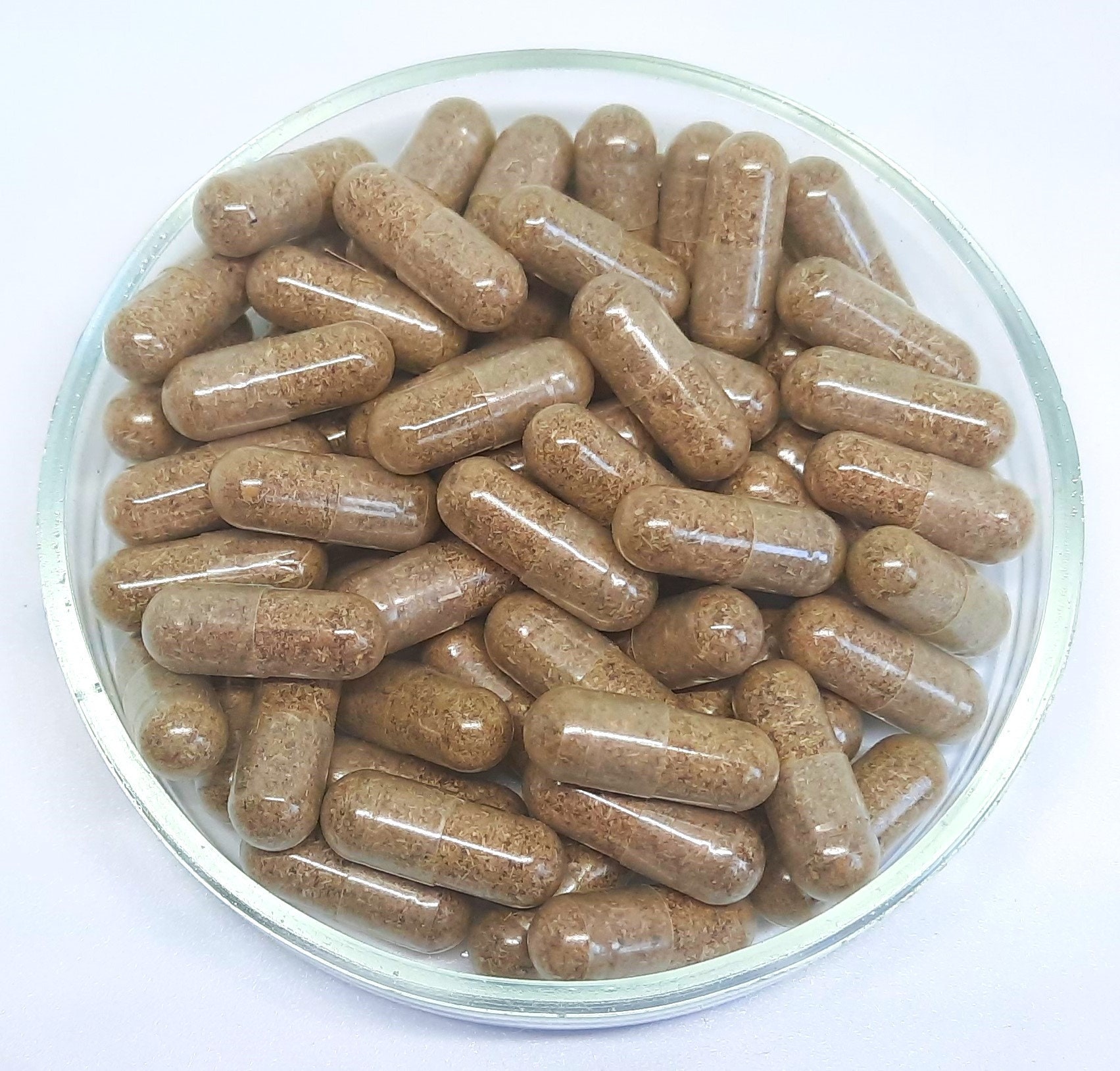
- Capsules and Tablets: For ease of use and precise dosage, dried and powdered Buckthorn Bark extract is encapsulated or pressed into tablets. This format offers convenience, portability, and eliminates the need for preparation, making it a popular choice for many users seeking relief from occasional constipation.
- Herbal Teas: While less potent than concentrated extracts, tea bags containing dried Buckthorn Bark are also available. These offer a gentler approach and are often combined with other digestive herbs to enhance palatability and provide a broader spectrum of benefits.
- Liquid Tinctures: Similar to traditional tinctures, modern versions are often standardized and provide a concentrated form that can be easily added to water or juice.
The shift towards standardized extracts and convenient dosage forms has made Buckthorn Bark more accessible and safer for regulated use, allowing individuals to benefit from its potent laxative effects without the complexities of historical preparation methods. Nevertheless, the emphasis on quality control and adherence to recommended dosages remains paramount.
Dosage and Administration: Precision for Efficacy and Safety
The effective dosage of Buckthorn Bark, particularly for its laxative effects, is highly dependent on the form of preparation and the individual’s sensitivity. Given its potent action, precise dosing is critical to achieve the desired therapeutic outcome without inducing excessive bowel movements or discomfort. For standardized extracts, dosages are typically expressed in terms of the total anthraquinone glycosides, often around 10-30 mg per dose, taken once daily, usually in the evening. This allows the active compounds sufficient time to be processed by gut bacteria and exert their effects, leading to a bowel movement approximately 8-12 hours later.
When using dried bark for a decoction, a common recommendation might involve simmering 0.5-2 grams of the aged bark in a cup of water. It is always advised to start with the lowest effective dose and gradually increase if necessary, under the guidance of a healthcare professional. This titration approach helps to minimize side effects while maximizing relief. Importantly, Buckthorn Bark, like other stimulant laxatives, is intended for short-term use only, typically no longer than one to two weeks. Its mechanism, while effective, is not designed for chronic daily use due to potential risks of dependency and adverse effects, which will be discussed in detail.
Safety, Side Effects, and Contraindications: A Crucial Understanding
While Buckthorn Bark offers significant benefits for acute and occasional constipation, its potent nature necessitates a thorough understanding of its safety profile, potential side effects, and strict contraindications. Responsible usage hinges upon adhering to these guidelines to prevent adverse health outcomes.
Key Safety Considerations:
- The Danger of Fresh Bark: As previously emphasized, consuming fresh Buckthorn Bark is extremely dangerous due to the presence of highly irritating compounds that can cause severe vomiting, abdominal pain, and gastroenteritis. Only aged or properly heat-treated bark should ever be used.
- Short-Term Use Only: This is perhaps the most critical instruction. Buckthorn Bark is designed for occasional relief of constipation, not for long-term daily management. Prolonged use (beyond 1-2 weeks) can lead to several serious issues.
Potential Side Effects:
- Abdominal Cramping and Discomfort: Due to its stimulant action, some individuals may experience abdominal cramps, gas, or mild discomfort as the colon contracts. This is generally dose-dependent.
- Electrolyte Imbalance: Prolonged or excessive use can lead to significant loss of electrolytes, particularly potassium, through increased stool output. Hypokalemia (low potassium) can cause muscle weakness, fatigue, and can be dangerous, especially for individuals on certain medications or with pre-existing heart conditions.
- Dehydration: Increased fluid excretion into the colon, coupled with reduced reabsorption, can lead to dehydration if fluid intake is not adequately maintained.
- Melanosis Coli: Long-term use of anthraquinone laxatives can cause a benign, reversible pigmentation of the colonic mucosa, known as melanosis coli. While considered harmless, it is a marker of chronic stimulant laxative use.
- Laxative Dependency (‘Lazy Bowel Syndrome’): Continuous reliance on stimulant laxatives can lead to the colon becoming less responsive to natural stimuli, potentially resulting in a vicious cycle where the bowel becomes dependent on the laxative to function. This is often referred to as ‘lazy bowel syndrome.’
Absolute Contraindications:
- Pregnancy and Breastfeeding: The active compounds can pass into breast milk and potentially affect the fetus or infant. Its use is generally contraindicated.
- Inflammatory Bowel Diseases (IBD): Conditions such as Crohn’s disease and ulcerative colitis are exacerbated by stimulant laxatives, which can worsen inflammation and symptoms.
- Intestinal Obstruction: Any form of intestinal blockage, appendicitis, or undiagnosed acute abdominal pain (e.g., severe stomach ache) are absolute contraindications, as stimulant laxatives can worsen these conditions and lead to serious complications.
- Children Under 12: Its use is generally not recommended for young children due to sensitivity and potential for adverse effects.
- Individuals with Kidney or Heart Conditions: Those prone to electrolyte imbalances or on medications affecting electrolytes must exercise extreme caution and seek medical advice before use.
Drug Interactions:
Buckthorn Bark can interact with several medications, increasing the risk of side effects:
- Diuretics: Concomitant use can increase potassium loss, leading to severe hypokalemia.
- Corticosteroids: Similar to diuretics, these can also enhance potassium depletion.
- Cardiac Glycosides (e.g., Digoxin): Hypokalemia induced by Buckthorn Bark can potentiate the effects and toxicity of cardiac glycosides, leading to dangerous heart rhythm disturbances.
Regulatory Status and Quality Control
The regulatory status of Buckthorn Bark varies by region. In many parts of Europe, it is recognized as an over-the-counter laxative, often included in pharmacopeias. The World Health Organization (WHO) also acknowledges its traditional use for constipation. However, stringent quality control measures are essential. Reputable suppliers ensure that the bark is correctly aged or treated, and that extracts are standardized to provide a consistent and safe level of active compounds. Consumers should always prioritize products from trusted manufacturers that provide transparent information about sourcing and processing.

Conclusion: Harnessing the Power of Buckthorn Bark Responsibly
Buckthorn Bark (Frangula alnus) stands as a testament to the enduring power of nature in addressing common human ailments. Its well-defined mechanism as a stimulant laxative, driven by its unique anthraquinone glycosides, provides highly effective relief for occasional constipation. From its deep roots in historical herbal traditions to its modern manifestations as standardized supplements, its primary benefit for digestive health remains unparalleled among natural remedies of its class. However, the comprehensive exploration of its properties underscores a critical message: efficacy must always be balanced with caution.
The imperative of using only aged or treated bark, adhering strictly to short-term usage guidelines, and being acutely aware of its potential side effects and contraindications cannot be overstated. For those suffering from infrequent bouts of constipation, Buckthorn Bark offers a potent and natural solution, provided it is approached with respect for its power and an informed understanding of its precise application. As with any potent medicinal herb, consultation with a healthcare professional before incorporating Buckthorn Bark into one’s health regimen is always recommended, ensuring its appropriate and safe use for individual health needs.
Disclaimer: For informational purposes only. Not medical advice. Consult a qualified healthcare professional before use.