The Ultimate Guide to Lady’s Mantle: Health Benefits, Bioactive Compounds, and Traditional Uses
Lady’s Mantle, botanically classified as Alchemilla vulgaris (and encompassing closely related species such as Alchemilla mollis), is a premier botanical specimen in traditional European herbalism. Celebrated for centuries as a “panacea for women’s ailments,” this resilient perennial herb belongs to the Rosaceae (Rose) family. Its name, derived from the Arabic word “alkemelych” (alchemy), speaks to the profound mystique and therapeutic esteem surrounding the plant. Medieval alchemists believed that the dew droplets gathered on its uniquely shaped leaves possessed a pure, transformative energy capable of assisting in the search for the Philosopher’s Stone.
Today, modern phytotherapy and pharmacology have begun to validate what ancient herbalists knew intuitively. Through rigorous chemical profiling, scientists have identified a diverse array of bioactive compounds within the aerial parts of Lady’s Mantle that contribute to its powerful astringent, anti-inflammatory, wound-healing, and endocrine-modulating properties. This comprehensive guide provides an exhaustive analysis of Lady’s Mantle, exploring its botanical characteristics, complex biochemistry, historically rooted applications, and modern scientific findings.
Botanical Overview and Unique Characteristics
Lady’s Mantle is native to the temperate and subarctic regions of Europe, North America, and Asia. It thrives in damp meadows, pastures, open woodlands, and along mountain paths. Morphologically, the plant is characterized by its semi-circular, fan-shaped leaves which feature delicate, soft hairs on both the upper and lower surfaces. These leaves are divided into seven to nine finely serrated lobes, giving them a pleated appearance reminiscent of a draped medieval cloak—hence the common name “Lady’s Mantle,” historically associated with the Virgin Mary.

One of the most biologically fascinating aspects of Alchemilla vulgaris is the phenomenon of guttation. During the night, when soil moisture is high and transpiration is low, the plant expels excess water and metabolic byproducts through specialized pores at the leaf margins called hydathodes. This results in the formation of perfect, glistening droplets resting at the center of its funnel-like leaves. Because the leaves are highly hydrophobic due to a fine coating of epicuticular wax, these droplets remain bead-like and suspended. This liquid, historically called “celestial water,” was prized by alchemists for its supposed purity and energetic potency, and it remains a defining physical trait of the plant in wild foraging circles.
Historical Context and Traditional Medicine
The history of Lady’s Mantle is rich with folklore, spiritual symbolism, and empirical medical practice. During the Middle Ages, the plant was transitioned from its association with pagan fertility deities to a symbol of Marian devotion. It was believed to restore “maidenhood” or elasticity to the tissues of the female reproductive system, a metaphor for its potent tissue-toning and astringent effects. Renowned herbalists of the Renaissance, such as Nicholas Culpeper and John Gerard, extensively documented its utility in staunching external hemorrhages, healing deep wounds, reducing excessive menstrual bleeding, and supporting recovery after childbirth.
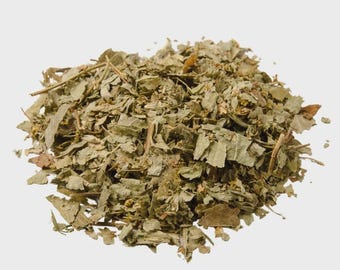
In traditional European folk medicine, a strong decoction of the dried herb was utilized as an oral rinse to soothe bleeding gums, a gargle for sore throats, and a vaginal douche to alleviate leucorrhea (atypical vaginal discharge). It was also commonly administered as a tea to address acute gastrointestinal distress, such as diarrhea and enteritis. The overarching theme of Lady’s Mantle’s historical use is its capacity to “bind and strengthen”—to dry up excess fluids, tone lax tissues, and control internal and external bleeding.
Phytochemical Blueprint and Active Compounds
The therapeutic efficacy of Alchemilla vulgaris is directly linked to its intricate secondary metabolite profile. The aerial parts of the plant, collected during the flowering period between June and August, contain a dense concentration of polyphenols. The primary active constituents include:
- Hydrolyzable Tannins (Ellagitannins and Gallotannins): Comprising up to 6% to 8% of the plant’s dry weight, these compounds (such as pedunculagin, castalagin, and agrimoniin) are responsible for the herb’s intense astringency. Tannins work by binding to and precipitating proteins, creating a protective barrier over damaged tissues, contracting blood vessels, and exerting powerful anti-inflammatory effects.
- Flavonoids: Lady’s Mantle contains high levels of flavonol glycosides, including quercetin, kaempferol, rutin, and hyperoside. These compounds are potent antioxidants that scavenge reactive oxygen species (ROS), protect cellular structures from oxidative degradation, and modulate inflammatory pathways.
- Phenolic Acids: Specifically salicylic, caffeic, m-coumaric, and ferulic acids. Salicylic acid provides mild analgesic and anti-inflammatory properties, making the herb effective at relieving localized pain and swelling.
- Proanthocyanidins (Condensed Tannins): These compounds synergize with hydrolyzable tannins to enhance cardiovascular integrity, strengthen collagen structures, and improve overall microcirculation.
- Phytosterols: Including beta-sitosterol, which acts as a precursor for hormone synthesis and helps modulate immune responses and lipid metabolism.

The combination of these phytochemicals creates a multi-targeted therapeutic agent. While the tannins stabilize physical tissue barriers, the flavonoids and phenolic acids downregulate inflammatory cascades (such as the NF-kB pathway) and suppress the enzymatic breakdown of vital structural proteins like collagen and elastin.
In-Depth Health Benefits and Mechanisms of Action
1. Gynecological Support and Menstrual Regulation
Lady’s Mantle is perhaps best known for its supportive effects on the female reproductive tract. Its primary application is in the management of menorrhagia (abnormally heavy or prolonged menstrual bleeding) and metrorrhagia (intermenstrual bleeding). The mechanism is largely mechanical and vascular: the high concentration of ellagitannins acts directly on the vascular beds of the endometrium, promoting vasoconstriction and localized coagulation, which effectively tempers excessive blood flow.
Furthermore, Lady’s Mantle is classified as a uterine tonic. It helps balance and regulate the tone of the uterine smooth muscle. For women experiencing dysmenorrhea (painful menstrual cramps), the herb’s antispasmodic properties, mediated by its flavonoid and salicylic acid content, help alleviate painful spasms. Some clinical observations and traditional models suggest that Lady’s Mantle exerts a mild, indirect progestogenic effect, assisting in balancing the estrogen-to-progesterone ratio during the luteal phase of the menstrual cycle. This makes it a valuable resource for addressing symptoms of Premenstrual Syndrome (PMS), irregular menstrual cycles, and the unpredictable vasomotor symptoms (hot flashes and night sweats) associated with perimenopause.
2. Wound Healing, Tissue Regeneration, and Skincare
When applied topically, Lady’s Mantle accelerates the healing process of minor wounds, cuts, scrapes, and burns. The astringent tannins precipitate the proteins on the surface of damaged cells, creating an antiseptic “scab-like” layer that shields the wound bed from environmental pathogens and mechanical irritation. This action minimizes the risk of secondary infections and reduces local fluid loss.
Furthermore, scientific studies have shown that extracts of Alchemilla vulgaris inhibit the activity of elastase and collagenase—two enzymes responsible for degrading collagen and elastin fibers in the skin. By preserving these structural proteins, Lady’s Mantle promotes healthy tissue regeneration and improves skin elasticity. This has led to its inclusion in high-end cosmetic formulations designed to combat signs of aging, reduce the appearance of stretch marks, soothe eczema, and calm acne-prone skin. Its anti-inflammatory properties also work to minimize localized redness, swelling, and capillary fragility.
3. Gastrointestinal Integrity and Anti-Diarrheal Action
The astringent nature of Lady’s Mantle makes it highly effective at addressing digestive disorders, particularly acute, non-specific diarrhea. Upon ingestion, the tannins interact with the mucosal lining of the gastrointestinal tract, forming a protective, anti-inflammatory layer that reduces fluid secretion into the bowel lumen. This decreases peristaltic hypermotility, helping to solidify stool and calm cramping.
Additionally, Lady’s Mantle protects the stomach lining. Studies suggest that its antioxidant compounds shield the gastric mucosa from oxidative stress and chemical irritants (such as NSAIDs or excess gastric acid), potentially mitigating the development of gastritis and peptic ulcers. The herb also exerts a mild antimicrobial effect against common gut pathogens while remaining gentle on the beneficial microflora of the digestive tract.
4. Cardiovascular and Microcirculatory Health
The flavonoids and proanthocyanidins in Lady’s Mantle contribute significantly to vascular health. These compounds protect the endothelial cells lining the blood vessels from oxidative damage, which is a key driver of atherosclerosis. By enhancing the synthesis of nitric oxide and maintaining capillary elasticity, Lady’s Mantle supports healthy microcirculation. This is beneficial not only for uterine health but also for alleviating symptoms associated with venous insufficiency, such as varicose veins, heavy legs, and localized fluid retention (edema).
5. Oral Health and Mucosal Repair
Because of its rapid tissue-toning and mild antiseptic properties, Lady’s Mantle is highly effective in oral care. Standard infusions of the herb can be utilized as a mouthwash or gargle to treat aphthous ulcers (canker sores), bleeding gums (gingivitis), and sore throats. It helps minimize discomfort, reduces mucosal inflammation, and speeds up the healing of minor abrasions in the oral cavity, such as those caused by dental procedures or orthodontic appliances.
Commercial Preparations and Modern Supplements
In the modern wellness market, Lady’s Mantle is available in several convenient delivery formats, allowing consumers and practitioners to tailor its administration to specific health needs. These commercial preparations ensure that the therapeutic properties of Alchemilla vulgaris are accessible in standardized, shelf-stable, and highly bioavailable forms.
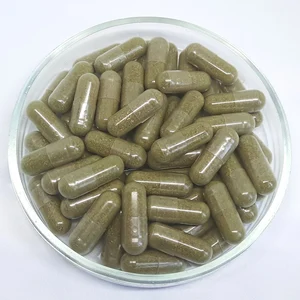
For those seeking targeted systemic support, particularly for gynecological balance, cardiovascular microcirculation, or digestive health, standardized oral supplements are highly recommended. These include:
- Standardized Capsules: Encapsulated dry extracts of Lady’s Mantle offer a convenient, pre-measured dose. These supplements are often standardized to contain a specific percentage of active tannins or flavonoids, ensuring consistent therapeutic potency with every serving.
- Liquid Phytocaps: These contain concentrated liquid extracts enclosed in a vegetarian shell, combining the rapid absorption of a liquid with the convenience of a capsule.
- Liquid Tinctures and Glycerites: Hydro-alcoholic extractions (tinctures) are exceptionally efficient at capturing both the water-soluble tannins and the alcohol-soluble flavonoids of the plant. Glycerites, which use vegetable glycerin instead of alcohol, offer a sweeter, alcohol-free alternative that is gentle on sensitive digestive tracts.
- Loose-Leaf Herbal Blends: For traditionalists, high-quality, cut-and-sifted dried Lady’s Mantle leaves are widely available. These can be brewed into healing infusions, either on their own or combined with complementary herbs like Raspberry Leaf, Yarrow, or Chamomile.
Dosage Guidelines and Practical Protocols
To maximize the therapeutic benefits of Lady’s Mantle while ensuring absolute safety, it is essential to follow standardized dosage guidelines. The appropriate protocol depends largely on the form of the herb being utilized and the specific condition being addressed.

Standard Protocols and Administration Methods
- Herbal Infusion (Tea):
To prepare a therapeutic infusion, pour 250 ml (about 1 cup) of boiling water over 1 to 2 teaspoons (approximately 2 to 4 grams) of dried Lady’s Mantle herb. Cover the vessel tightly to prevent volatile compounds from escaping, and allow it to steep for 10 to 15 minutes. Strain the liquid before drinking. For chronic conditions such as menstrual irregularities or mild digestive issues, consume 2 to 3 cups daily between meals. - Liquid Tincture (1:5 ratio in 45% ethanol):
Take 2 to 4 ml (approximately 40 to 80 drops) dissolved in a small amount of water or juice, up to three times daily. Tinctures are highly absorbed and are particularly useful for acute dysmenorrhea or rapid relief from heavy menstrual bleeding. - Standardized Capsules:
Follow the manufacturer’s specific labeling instructions, as concentrations can vary. A typical therapeutic dosage ranges from 500 mg to 1000 mg of standardized extract taken one to two times daily. - Topical Applications (Compresses, Rinses, and Baths):
For wound care, skin irritation, or hemorrhoids, prepare a strong decoction by boiling 15 to 20 grams of the dried herb in 500 ml of water for 15 minutes. Allow the mixture to cool to room temperature, strain it thoroughly, and apply it directly to the affected area using a clean cotton compress. For oral health (canker sores or bleeding gums), use this cooled decoction as an active mouthwash or gargle 3 to 4 times per day.
Safety, Contraindications, and Potential Drug Interactions
Lady’s Mantle is generally recognized as safe (GRAS) when consumed in recommended therapeutic doses. However, due to its high concentration of active compounds, several precautions must be observed:
- Pregnancy and Lactation: Because Lady’s Mantle is a uterine tonic capable of stimulating uterine contractions and modulating pelvic blood flow, it should be avoided during the first two trimesters of pregnancy. Some traditional practitioners recommend its use in the final weeks of pregnancy to prepare the uterus for labor, but this should only be done under the direct supervision of a qualified healthcare provider or certified midwife.
- Iron Absorption: The high tannin content in Lady’s Mantle can bind to dietary iron (particularly non-heme iron found in plant sources) and reduce its absorption in the gastrointestinal tract. Individuals with iron-deficiency anemia should avoid consuming Lady’s Mantle tea concurrently with meals or iron supplements; instead, space administration at least two hours apart.
- Medication Interactions: Theoretically, the astringent tannins in Lady’s Mantle may bind to and reduce the absorption of orally administered prescription medications if taken at the exact same time. It is advised to take Lady’s Mantle supplements at least one hour before or two hours after oral pharmaceutical medications.
- Pre-Existing Liver Conditions: While rare, excessively high and prolonged consumption of plants extremely rich in hydrolyzable tannins can put a strain on the liver. Individuals with pre-existing hepatic insufficiency should consult their doctor before commencing long-term therapy.
Conclusion: The Modern Rebirth of a Classical Remedy
Lady’s Mantle remains a cornerstone of botanical medicine, representing a bridge between ancient alchemical tradition and rigorous modern phytotherapy. Its unique phytochemical composition—characterized by a synergistic blend of astringent ellagitannins, protective flavonoids, and anti-inflammatory phenolic acids—equips it to address a diverse spectrum of health concerns. From balancing the delicate intricacies of the female reproductive system to restoring compromised skin barriers and soothing inflamed gastrointestinal tracts, this humble plant continues to earn its legendary reputation.
By incorporating standardized preparations of Lady’s Mantle into a modern wellness routine under the guidance of healthcare professionals, individuals can safely harness its time-tested therapeutic power. As clinical research continues to explore its pharmacologically active components, Alchemilla vulgaris stands secure in its position as a premier, versatile botanical ally for cellular protection, tissue integrity, and holistic vitality.
Disclaimer: For informational purposes only. Not medical advice. Consult a qualified healthcare professional before use.