

The Remarkable Health Benefits of Rosehips: A Definitive Deep-Dive Guide
Often overlooked in the vast tapestry of medicinal plants, the humble rosehip, the vibrant fruit of the rose plant, stands as a nutritional powerhouse and a cornerstone of traditional medicine for centuries. These small, crimson-to-orange berries, left behind after a rose has bloomed and dropped its petals, are not merely an ornamental byproduct; they are a concentrated source of vitamins, minerals, and potent bioactive compounds that offer an astonishing array of health benefits. From bolstering the immune system and soothing joint pain to revitalizing skin and supporting cardiovascular health, rosehips represent a holistic approach to wellness. This exhaustive guide delves into the botanical wonders, historical significance, intricate chemical composition, and profound health advantages of rosehips, aiming to provide a comprehensive understanding for both the curious individual and the health enthusiast seeking nature’s powerful remedies.
Botanical Overview and Characteristics of Rosehips
Rosehips are the accessory fruits of various species of the rose plant (genus Rosa), most commonly derived from the wild dog rose (Rosa canina), but also from species like Rosa rugosa and Rosa gallica. After a rose flower has been pollinated, its petals fall away, and the ovules at the base of the flower develop into these distinctive, often round or oval, berry-like structures. They typically mature in late summer and autumn, changing from green to a vivid red or orange hue, indicating their ripeness and peak nutritional content. These fruits contain numerous seeds, surrounded by a fleshy pulp, and are often covered in fine, irritating hairs, which necessitate careful preparation if consumed raw. The hardiness of the rose plant allows it to thrive in diverse climates across the Northern Hemisphere, from temperate zones to more challenging environments, making rosehips a globally accessible and cherished natural resource.

A Journey Through Time: Historical Context and Traditional Uses
The therapeutic virtues of rosehips have been recognized and utilized across civilizations for millennia. Ancient Egyptians, Romans, and Greeks incorporated rosehips into their herbal pharmacopoeia for various ailments, recognizing their restorative and healing properties. During the Middle Ages in Europe, rosehips were a staple in monasteries and apothecaries, valued for their ability to combat scurvy, a debilitating disease caused by Vitamin C deficiency, particularly during long winters when fresh produce was scarce. Indigenous peoples in North America also traditionally used rosehips for their medicinal qualities, preparing teas for colds, flu, and digestive complaints. The most notable historical use emerged during World War II in Britain, when access to citrus fruits was severely restricted. The British government organized widespread rosehip collection campaigns, particularly by schoolchildren, to harvest the abundant wild rosehips to produce syrup for distribution to children and infants as a vital source of Vitamin C, cementing their reputation as a life-saving nutritional supplement during times of hardship. This rich historical tapestry underscores rosehips’ enduring legacy as a potent natural remedy.
The Potent Chemistry of Rosehips: Bioactive Compounds Explained
The profound health benefits of rosehips stem from their extraordinarily rich and diverse biochemical composition. Far beyond simple vitamins, these fruits boast a complex synergy of compounds that work synergistically to exert their therapeutic effects. Understanding these individual components is key to appreciating the full spectrum of rosehip’s potential.

1. Vitamin C (Ascorbic Acid) – The Immune Maestro
Rosehips are legendary for their exceptionally high Vitamin C content, often cited as one of the richest plant sources. A single serving can provide significantly more Vitamin C than an orange. Ascorbic acid is a water-soluble vitamin that plays a crucial role in numerous physiological processes. It is a powerful antioxidant, protecting cells from oxidative damage caused by free radicals, which are implicated in aging and various chronic diseases. Vitamin C is also indispensable for the synthesis of collagen, a vital protein for healthy skin, bones, cartilage, blood vessels, and teeth. Furthermore, it enhances iron absorption, supports adrenal gland function, and is a critical modulator of the immune system, aiding in the production and function of white blood cells that defend against pathogens.
2. Other Essential Vitamins
- Vitamin A (Beta-Carotene): Rosehips contain significant levels of beta-carotene, a powerful antioxidant precursor to Vitamin A. This vitamin is essential for vision, immune function, cell growth, and maintaining healthy skin and mucous membranes.
- Vitamin E: Another potent fat-soluble antioxidant, Vitamin E helps protect cell membranes from damage, supports immune function, and plays a role in skin health.
- Vitamin K: Important for blood clotting and bone metabolism.
- B-Complex Vitamins: While present in smaller amounts, rosehips contribute to the intake of B vitamins (B1, B2, B3), which are vital for energy metabolism and nervous system function.
3. Minerals
Rosehips are a source of several important minerals, including potassium, calcium, magnesium, and iron. Potassium is crucial for blood pressure regulation and nerve function. Calcium and magnesium are fundamental for bone health and muscle function. Iron is essential for oxygen transport in the blood and preventing anemia.
4. Antioxidants Beyond Vitamin C
The antioxidant profile of rosehips extends far beyond Vitamin C, contributing to their profound protective effects:
- Flavonoids: These polyphenolic compounds, including quercetin, rutin, catechin, epicatechin, and proanthocyanidins, are potent antioxidants and possess anti-inflammatory, antiviral, and anti-cancer properties. They help scavenge free radicals, chelate metal ions, and inhibit enzyme activity that promotes inflammation and oxidative stress.
- Carotenoids: In addition to beta-carotene, rosehips contain lycopene and zeaxanthin. Lycopene is a powerful antioxidant known for its potential role in prostate health and cardiovascular protection. Zeaxanthin is crucial for eye health, helping to filter harmful blue light and protect retinal cells.
- Phenolic Acids: Compounds like gallic acid and ellagic acid also contribute to the antioxidant and anti-inflammatory capacity of rosehips.
5. Galactolipids (GOPO) – The Anti-Inflammatory Specialist
Perhaps one of the most remarkable and well-researched compounds in rosehips, particularly Rosa canina, is a specific galactolipid known as GOPO (glycoside of mono- and diglycerol). This unique molecule has been identified as a key active ingredient responsible for many of rosehip’s anti-inflammatory and cartilage-protective effects, especially relevant in joint health. GOPO is believed to inhibit the chemotaxis (migration) of white blood cells to inflammatory sites and suppress the production of various pro-inflammatory cytokines and enzymes, thereby reducing inflammation and pain without the side effects often associated with conventional anti-inflammatory drugs.
6. Fatty Acids
The seeds within rosehips are a rich source of essential fatty acids, particularly linoleic acid (Omega-6) and alpha-linolenic acid (Omega-3). These polyunsaturated fatty acids are crucial for maintaining healthy cell membranes, nerve function, and hormone production. Rosehip seed oil, derived from these seeds, is highly prized in skincare for its regenerative and moisturizing properties.
7. Dietary Fiber
Rosehips contain both soluble and insoluble dietary fiber. Fiber is essential for digestive health, promoting regularity, preventing constipation, and supporting a healthy gut microbiome. Soluble fiber can also help regulate blood sugar levels and lower cholesterol.
Comprehensive Health Benefits of Rosehips
The synergistic action of these diverse bioactive compounds translates into a broad spectrum of impressive health advantages.
1. Unwavering Immune System Support
The extraordinarily high Vitamin C content in rosehips makes them an unparalleled natural immune booster. Vitamin C is critical for the proper functioning of various immune cells, including phagocytes and lymphocytes, which are integral to the body’s defense against infections. It supports the production of antibodies, enhances the activity of natural killer cells, and helps reduce the duration and severity of common colds and flu. Beyond Vitamin C, the array of other antioxidants like flavonoids and carotenoids further strengthens the immune response by protecting immune cells from oxidative stress and supporting overall cellular resilience.
2. Potent Anti-inflammatory and Joint Health Properties
Rosehips have gained significant recognition for their remarkable anti-inflammatory capabilities, particularly beneficial for joint health. The star player here is GOPO, the unique galactolipid. Research has shown that GOPO can significantly reduce pain and stiffness in individuals suffering from osteoarthritis and rheumatoid arthritis. Its mechanism involves reducing the migration of inflammatory cells to affected joints and inhibiting the production of enzymes that degrade cartilage, such as matrix metalloproteinases. This leads to a decrease in inflammatory markers, improved joint mobility, and a reduction in the need for conventional pain medication. The flavonoids and other phenolic compounds also contribute to this anti-inflammatory effect by modulating inflammatory pathways.
3. Radiant Skin Health and Anti-Aging Benefits
Rosehips are a darling in the skincare world, primarily due to their high Vitamin C content and rich fatty acid profile. Vitamin C is indispensable for collagen synthesis, the protein that provides structure, elasticity, and firmness to the skin. Adequate collagen production helps reduce the appearance of wrinkles, fine lines, and promotes a more youthful complexion. The powerful antioxidants protect skin cells from environmental damage, UV radiation, and pollution, which are major contributors to premature aging. Furthermore, rosehip seed oil, extracted from the seeds, is rich in essential fatty acids (Omega-3 and Omega-6) and Vitamins A and E. When applied topically, this oil helps regenerate skin cells, improves skin elasticity, reduces hyperpigmentation, and minimizes the appearance of scars, stretch marks, and acne marks, promoting a smoother, more even skin tone.
4. Cardiovascular Wellness and Heart Protection
The comprehensive antioxidant profile of rosehips plays a vital role in protecting cardiovascular health. Antioxidants combat oxidative stress, which is a key factor in the development of atherosclerosis, heart disease, and stroke. Flavonoids, in particular, help improve endothelial function (the lining of blood vessels), reduce LDL (bad) cholesterol oxidation, and may contribute to blood pressure regulation. The fiber content in rosehips also aids in cholesterol management by binding to cholesterol in the digestive tract and facilitating its excretion. Furthermore, the anti-inflammatory effects help mitigate chronic inflammation, a known contributor to cardiovascular disease progression.
5. Enhanced Digestive Health
The significant dietary fiber content in rosehips supports a healthy digestive system. Fiber adds bulk to stool, promoting regular bowel movements and preventing constipation. It also acts as a prebiotic, nourishing beneficial gut bacteria and fostering a balanced gut microbiome, which is crucial for nutrient absorption, immune function, and overall well-being. Additionally, rosehips have been traditionally used to soothe digestive upset and mild stomach complaints.
6. Blood Sugar Management Potential
Emerging research suggests that rosehips may play a role in supporting healthy blood sugar levels. The soluble fiber present can help slow down the absorption of sugar into the bloodstream, preventing rapid spikes and crashes. Some studies indicate that certain compounds in rosehips may improve insulin sensitivity, which is beneficial for individuals at risk of or managing type 2 diabetes. However, more extensive human trials are needed to fully elucidate this benefit.
7. Support for Weight Management
The fiber content in rosehips contributes to a feeling of fullness and satiety, which can help reduce overall calorie intake and support weight management efforts. By stabilizing blood sugar levels and promoting healthy digestion, rosehips can indirectly aid in maintaining a healthy weight as part of a balanced diet and lifestyle.
8. Kidney and Bladder Health
Rosehips possess mild diuretic properties, which can help increase urine output and support kidney function by flushing out toxins. Traditionally, rosehip tea has been used as a natural remedy to help prevent and alleviate symptoms of urinary tract infections (UTIs) by helping to cleanse the urinary system and potentially creating an environment less conducive to bacterial growth.
9. Potential Anti-Cancer Properties
While research is still in its early stages, the potent antioxidant and anti-inflammatory compounds in rosehips show promise in cancer prevention and therapy. Antioxidants help neutralize free radicals that can damage DNA and lead to cancerous mutations. Flavonoids and carotenoids have demonstrated anti-proliferative effects in various cell lines, inhibiting cancer cell growth and inducing apoptosis (programmed cell death). These findings suggest a potential role for rosehips as a complementary therapy, but further robust human studies are required.
Practical Usage and Forms of Rosehips
Rosehips are incredibly versatile and can be incorporated into your diet and wellness routine in numerous ways, offering both culinary delight and therapeutic benefits.
1. Fresh Rosehips
When in season, fresh rosehips can be harvested (with caution due to internal hairs) and used to make delicious and nutritious preserves. They are commonly used for:
- Jams and Jellies: Offering a tart, tangy flavor profile.
- Syrups and Cordials: Excellent for adding to drinks or drizzling over desserts, a popular traditional way to extract Vitamin C.
- Sauces and Chutneys: Can add a unique flavor to savory dishes.
2. Dried Rosehips
Dried rosehips are perhaps the most common form for year-round use and are widely available in health food stores and online.
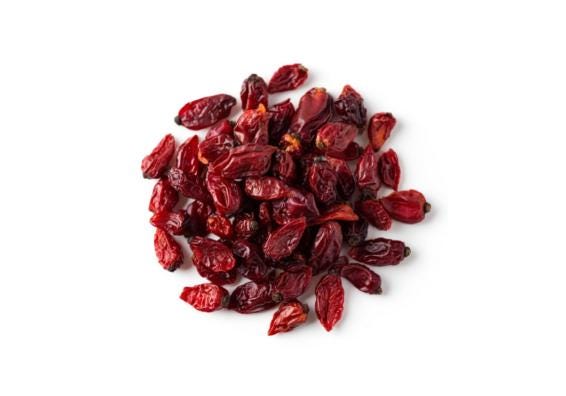
- Herbal Tea/Infusion: Steep dried whole or cut rosehips in hot water for a refreshing and highly beneficial tea. This is one of the easiest ways to enjoy their immune-boosting and anti-inflammatory properties.
- Powdered Form: Dried rosehips can be ground into a fine powder, which can then be added to smoothies, yogurts, oatmeal, or even baked goods, providing a concentrated dose of nutrients.
3. Rosehip Oil (Topical Application)
Extracted from the seeds, rosehip seed oil is a prized skincare ingredient. It is a ‘dry oil’ that absorbs quickly without leaving a greasy residue. It can be applied directly to the skin to moisturize, regenerate, reduce scars, even skin tone, and combat signs of aging. It’s often found in serums, creams, and facial oils.
4. Rosehip Supplements
For those seeking a convenient and standardized dose of rosehip benefits, particularly for specific therapeutic purposes like joint pain, supplements are an excellent option.

- Capsules and Tablets: These usually contain concentrated rosehip extract, often standardized to deliver specific amounts of active compounds like Vitamin C or GOPO. They are popular for managing arthritis and boosting overall health.
- Tinctures and Liquid Extracts: Provide a potent liquid form that can be added to water or other beverages.
Dosage and Preparation Guidelines
The optimal dosage of rosehips can vary significantly depending on the form, concentration of active compounds, and the specific health condition being addressed. For general immune support and antioxidant benefits, consuming rosehip tea regularly or incorporating rosehip powder into your diet is generally safe and beneficial.
- For Rosehip Tea: Steep 1-2 teaspoons of dried rosehips in a cup of hot water for 10-15 minutes. Drink 2-3 cups daily.
- For Joint Health (GOPO-rich extracts): Clinical studies on osteoarthritis often use dosages ranging from 2.25g to 5g of specialized rosehip powder (containing GOPO) daily, typically divided into two doses. It’s crucial to follow the manufacturer’s instructions for concentrated supplements.
- For Rosehip Oil: Apply a few drops directly to clean skin, massaging gently until absorbed, once or twice daily.
It’s always advisable to start with a lower dose and gradually increase it, monitoring your body’s response. For specific therapeutic uses or if you have underlying health conditions, consulting with a healthcare professional or a qualified herbalist is highly recommended to determine the appropriate dosage and form.

Potential Side Effects and Precautions
Rosehips are generally considered safe for most people when consumed in moderate amounts. However, like all natural remedies, there are some considerations:
- Digestive Upset: High doses, particularly of the powdered form, can occasionally lead to mild digestive issues such as diarrhea, constipation, nausea, or heartburn, primarily due to their fiber content.
- Allergies: Individuals with known allergies to rose plants or other members of the Rosaceae family should exercise caution.
- Medication Interactions:
- Blood Thinners (Anticoagulants): Rosehips contain Vitamin K, which plays a role in blood clotting. Large amounts could potentially interfere with anticoagulant medications like warfarin.
- Lithium: Due to their mild diuretic effect, rosehips might affect how the body excretes lithium, potentially altering its levels.
- Iron Absorption: While Vitamin C enhances iron absorption, consuming very high doses of rosehips alongside iron supplements might need monitoring in specific conditions like hemochromatosis.
- Pregnancy and Breastfeeding: While traditionally used, there is limited scientific research on the safety of concentrated rosehip supplements during pregnancy and breastfeeding. It’s best to consult a doctor before use.
- Kidney Stones: Individuals prone to kidney stones should be cautious with very high doses of Vitamin C, though the risk from whole rosehips is generally low compared to synthetic ascorbic acid.
Always consult with a healthcare professional before starting any new supplement regimen, especially if you have pre-existing health conditions or are taking other medications.
Conclusion: Embracing the Holistic Power of Rosehips
Rosehips stand as a testament to nature’s profound ability to provide holistic wellness. From their rich historical lineage as a vital source of nutrition during adversity to their scientifically validated role in modern health, these vibrant berries offer a comprehensive spectrum of benefits. Their unparalleled Vitamin C content, coupled with a diverse array of antioxidants, anti-inflammatory galactolipids like GOPO, essential fatty acids, and dietary fiber, positions rosehips as a multifaceted superfood. Whether sought for robust immune support, relief from debilitating joint pain, radiant skin transformation, or overall cardiovascular and digestive health, rosehips offer a natural, potent, and accessible pathway to enhanced well-being. By integrating this remarkable fruit into your daily life, either through culinary preparations, teas, or targeted supplements, you can harness the enduring power of rosehips and embark on a journey toward optimal health, naturally and effectively.
Disclaimer: For informational purposes only. Not medical advice. Consult a qualified healthcare professional before use.