The Definitive Deep Dive into Psyllium Husk: Unlocking Its Profound Health Benefits
In the vast realm of natural health remedies, few substances boast the versatility and robust scientific backing of Psyllium Husk. Derived from the seeds of the *Plantago ovata* plant, this humble dietary fiber supplement has transcended its traditional role as a simple laxative to emerge as a powerhouse ingredient for holistic well-being. From orchestrating optimal digestive function to playing a pivotal role in cardiovascular health, blood sugar regulation, and even weight management, Psyllium Husk offers a compelling array of benefits that warrant a comprehensive exploration. This exhaustive guide delves deep into the mechanisms, historical significance, and practical applications of Psyllium Husk, cementing its status as an indispensable ally in the pursuit of a healthier life.
Botanical Origins and Historical Reverberations
Psyllium Husk originates from the *Plantago ovata* plant, a herbaceous annual native to Western Asia, particularly India and Pakistan, where it has been cultivated for centuries. Commonly referred to as Isabgol in Ayurvedic and Unani medicine systems, its name reflects its origin, with ‘Isabgol’ derived from the Persian words ‘isp’ and ‘gul,’ meaning ‘horse flower,’ referencing the shape of its seeds. The seeds themselves are small, boat-shaped, and covered by a mucilaginous outer layer—the husk—which is the primary source of its therapeutic properties. Historically, ancient civilizations recognized the plant’s efficacy, using its seeds and husks for a range of ailments, predominantly those related to the digestive system. Records suggest its use in traditional Indian and Chinese medicine for relieving constipation, soothing inflammatory bowel conditions, and even treating urinary tract issues. This extensive history underscores not only the longevity of its application but also a foundational understanding of its benefits long before modern science began to unravel its intricate biochemical mechanisms.
The Bioactive Core: Unpacking Psyllium Husk’s Chemical Composition
At the heart of Psyllium Husk’s therapeutic prowess lies its unique chemical composition, predominantly its exceptional concentration of soluble dietary fiber. Unlike many other fiber sources, Psyllium Husk is distinguished by its high mucilage content, a complex polysaccharide that gives it its characteristic ability to absorb water and form a viscous gel. While it contains some insoluble fiber, it is the soluble fiber, specifically arabinoxylans, that is responsible for the majority of its health benefits. These hydrophilic polysaccharides are not digested in the small intestine but instead pass into the colon, where they undergo fermentation by beneficial gut bacteria. This fermentation process produces short-chain fatty acids (SCFAs) like butyrate, acetate, and propionate, which are vital for colonocyte health, gut barrier integrity, and exert systemic effects on metabolism and immune function. The unique gel-forming capacity of Psyllium allows it to retain water significantly, sometimes up to ten times its weight, which is crucial for its mechanical actions within the digestive tract. This combination of soluble and insoluble fiber, with a strong emphasis on the soluble, sets Psyllium Husk apart from other fiber supplements, offering a broad spectrum of physiological interactions.
Comprehensive Health Benefits of Psyllium Husk
1. Revolutionary Digestive Health Enhancement
Psyllium Husk is perhaps best known for its profound impact on digestive health, serving as a dual-action agent for both constipation and certain forms of diarrhea. As a bulk-forming laxative, its mechanism of action is elegant and effective. Upon ingestion with sufficient water, the soluble fiber components absorb liquid in the gastrointestinal tract, swelling to form a soft, viscous gel. This gel significantly increases the bulk and water content of stool, making it softer and easier to pass, thereby alleviating chronic constipation without the harshness or dependency associated with stimulant laxatives. The increased fecal bulk stimulates peristalsis—the natural muscular contractions of the colon—further promoting regular bowel movements. For individuals suffering from diarrhea, Psyllium Husk acts by absorbing excess water in the stool, helping to solidify it and slow down its transit time through the intestines. This unique amphoteric action makes it valuable for conditions like Irritable Bowel Syndrome (IBS), where patients often experience alternating bouts of constipation and diarrhea. Moreover, the fermentation of Psyllium’s soluble fiber by gut microbiota contributes to a healthier gut environment by acting as a prebiotic. This fosters the growth of beneficial bacteria, such as Bifidobacteria and Lactobacilli, which are crucial for maintaining gut barrier integrity, modulating immune responses, and synthesizing essential vitamins. A healthy gut microbiome is intrinsically linked to reduced inflammation and improved overall gastrointestinal function, making Psyllium Husk a cornerstone for comprehensive gut health.
2. A Pillar of Cardiovascular Wellness: Cholesterol and Blood Pressure Management
Beyond the digestive tract, Psyllium Husk emerges as a formidable ally for cardiovascular health, primarily through its proven ability to lower cholesterol levels. The soluble fiber in psyllium binds to bile acids in the small intestine. Bile acids, which are synthesized from cholesterol in the liver, are essential for fat digestion. By binding these acids, Psyllium Husk prevents their reabsorption into the bloodstream, prompting the liver to draw more cholesterol from the blood to produce new bile acids. This process effectively reduces circulating LDL (“bad”) cholesterol levels, without significantly impacting HDL (“good”) cholesterol. Furthermore, the short-chain fatty acids produced during Psyllium’s fermentation in the colon may also play a role in inhibiting cholesterol synthesis in the liver. Consistent intake of Psyllium Husk has been shown in numerous clinical studies to significantly reduce total and LDL cholesterol, thereby mitigating a major risk factor for atherosclerosis and heart disease. Some research also suggests a potential role in modest blood pressure reduction, likely due to its systemic anti-inflammatory effects and improvement in endothelial function, although this area requires further investigation. The combined effect of cholesterol reduction and potential blood pressure moderation positions Psyllium Husk as an invaluable component of a heart-healthy diet.
3. Stabilizing Blood Sugar for Diabetes Management
For individuals managing diabetes or pre-diabetes, Psyllium Husk offers a critical intervention in glycemic control. When consumed with a meal, the viscous gel formed by Psyllium Husk significantly slows down the digestion and absorption of carbohydrates. This delay translates into a more gradual rise in blood glucose levels after eating, preventing sharp post-meal blood sugar spikes. By attenuating the glycemic response, Psyllium Husk helps improve overall glycemic control, reducing the burden on the pancreas to produce insulin and potentially improving insulin sensitivity over time. Studies have demonstrated that incorporating Psyllium Husk into the diet can lead to lower fasting blood glucose levels and improved HbA1c values, a long-term marker of blood sugar control, in people with type 2 diabetes. This mechanism is particularly beneficial as it addresses one of the core challenges in diabetes management: maintaining stable blood sugar levels. Its ability to create a more consistent metabolic environment can empower individuals to better manage their condition and reduce the risk of long-term diabetic complications.
4. Aiding in Sustainable Weight Management
In the complex landscape of weight management, satiety plays a crucial role, and this is where Psyllium Husk offers a significant advantage. Its high water-absorbing capacity means that when ingested with fluids, it expands considerably in the stomach, creating a sensation of fullness. This increased satiety can lead to a reduced caloric intake by decreasing appetite and curbing overeating, particularly between meals. By promoting a feeling of repletion, individuals are less likely to snack excessively or consume larger portions, thereby facilitating a caloric deficit necessary for weight loss. Moreover, its ability to regulate blood sugar levels also contributes to weight management by preventing the insulin spikes that can lead to fat storage. While Psyllium Husk is not a magic bullet for weight loss, when integrated into a balanced diet and active lifestyle, it serves as an effective tool to support healthy weight management strategies, making dietary adherence easier and more sustainable.
5. Anti-inflammatory Potential and Immune Modulation
Emerging research points to Psyllium Husk’s potential beyond its fiber-centric actions. The production of short-chain fatty acids (SCFAs) like butyrate, resulting from the fermentation of Psyllium by gut bacteria, is known to have potent anti-inflammatory effects within the colon. Butyrate serves as the primary energy source for colonocytes and plays a critical role in maintaining the integrity of the intestinal barrier, which is essential for preventing the translocation of harmful substances into the bloodstream, a condition known as “leaky gut.” By strengthening the gut barrier and modulating immune responses locally, Psyllium Husk may contribute to reducing systemic inflammation, which is implicated in numerous chronic diseases. While more research is needed to fully elucidate these systemic effects, the observed benefits on gut health strongly suggest a broader positive influence on the body’s inflammatory and immune pathways, providing another layer to its multifaceted health profile.
Practical Integration: Forms and Usage of Psyllium Husk
Psyllium Husk is widely available in several forms, making it convenient for incorporation into daily routines. The most common forms include whole husks, psyllium husk powder, and capsules. Each form offers slight differences in texture, mixability, and absorption rate, but all deliver the core benefits of its rich soluble fiber content.
-
Whole Psyllium Husks: This is the least processed form, consisting of the intact outer layer of the *Plantago ovata* seeds. The whole husks have a coarser texture and expand significantly more than the powder. They are often mixed with water, juice, or incorporated into baked goods, cereals, or yogurts. Due to their bulk, they can provide a more pronounced sense of fullness.
-
Psyllium Husk Powder: This form is created by grinding the whole husks into a fine powder. It is generally easier to mix into liquids, creating a smoother gel. The powder is highly concentrated, meaning a smaller quantity provides the same fiber content as a larger amount of whole husks. It is a popular choice for smoothies, baking (especially gluten-free recipes to improve texture), and as a direct supplement mixed with water.
-
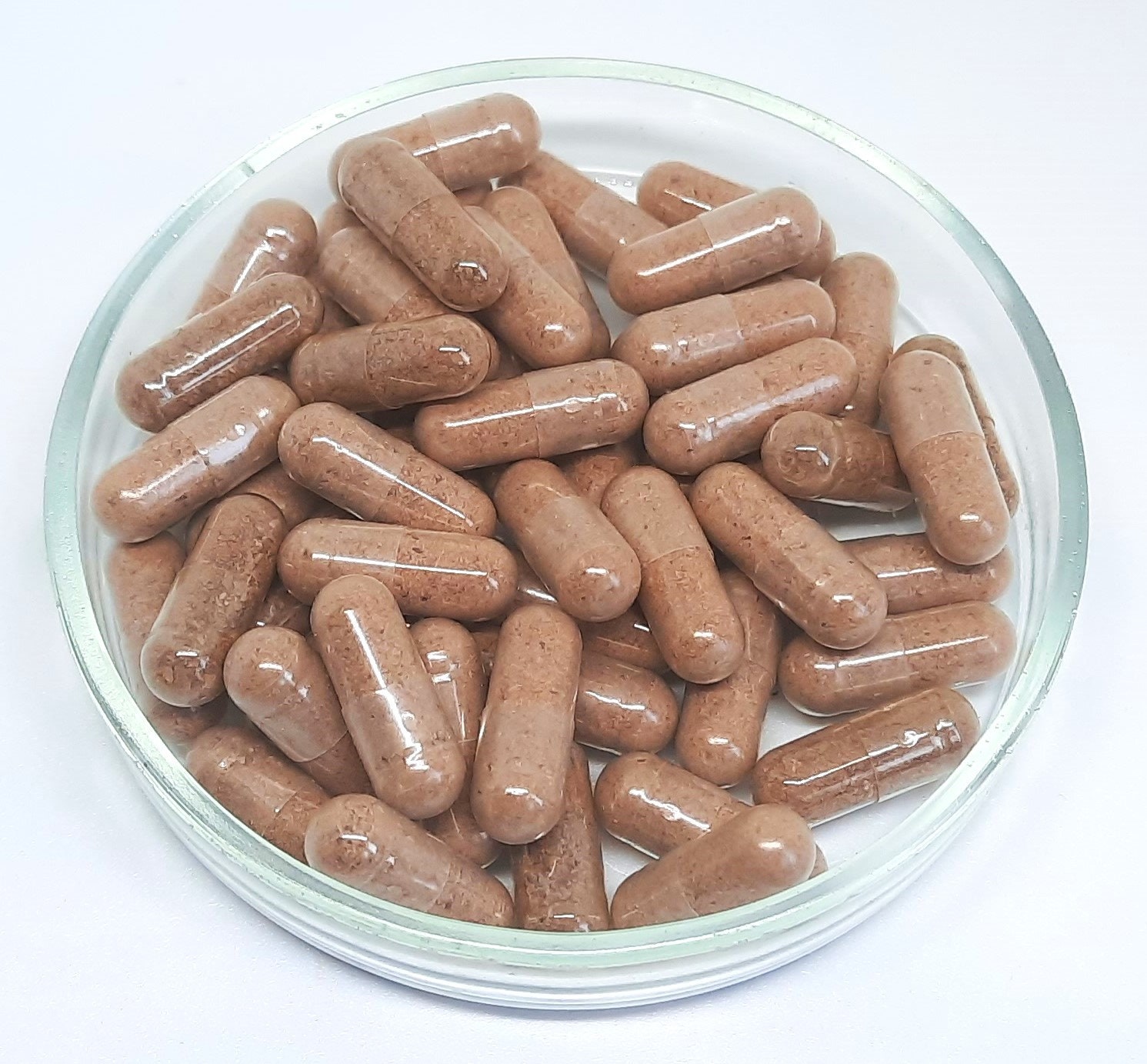
Psyllium Husk Capsules: For those who prefer convenience or dislike the texture of psyllium mixed in liquids, capsules offer a pre-measured dose. While convenient, one typically needs to take several capsules to achieve the equivalent fiber dose of a spoonful of powder or whole husks, often requiring multiple servings throughout the day. This form is often favored for consistent, smaller doses to support regular digestive function rather than immediate bulk-forming effects.

When incorporating Psyllium Husk into your diet, it is paramount to consume it with an ample amount of water. This is crucial for its bulk-forming action and to prevent it from swelling prematurely in the esophagus, which could lead to choking. Generally, for every teaspoon of psyllium, at least 8 ounces (240ml) of liquid is recommended, and often more throughout the day.
Recommended Dosage and Administration
The optimal dosage of Psyllium Husk can vary depending on the individual’s needs and the specific health goal. For general digestive health and to promote regularity, a common starting dose is typically 5-10 grams (about 1-2 teaspoons of powder or 1-2 tablespoons of whole husks) mixed with at least 8 ounces of water, taken once or twice daily. This can be gradually increased to 2-3 times a day as tolerated. For cholesterol reduction or blood sugar management, higher doses, often in the range of 10-20 grams per day divided into multiple doses, have been shown to be effective in clinical studies. It is always advisable to start with a lower dose and slowly increase it over several days or weeks to allow the digestive system to adjust, thereby minimizing potential side effects like bloating or gas. Consistency is key, as the benefits of Psyllium Husk accumulate with regular, daily use.

Potential Side Effects and Important Precautions
While Psyllium Husk is generally well-tolerated, particularly when consumed with adequate fluid, some individuals may experience mild side effects, especially during the initial stages of supplementation. These can include:
- Bloating and Gas: As with any increase in fiber intake, some individuals may experience temporary bloating, gas, or abdominal cramps. This is usually due to the fermentation of fiber by gut bacteria and often subsides as the body adjusts. Starting with a low dose and gradually increasing it can help mitigate these symptoms.
- Choking Hazard: Due to its strong gelling properties, Psyllium Husk must always be consumed with sufficient liquid. If not mixed properly or taken without enough water, it can swell in the throat and cause choking or blockages. It should never be taken dry.
- Allergic Reactions: Though rare, allergic reactions to Psyllium Husk can occur, particularly in individuals with occupational exposure (e.g., healthcare workers preparing psyllium-containing laxatives). Symptoms can include skin rash, itching, difficulty breathing, or anaphylaxis.
- Medication Interactions: Psyllium Husk can slow the absorption of certain medications by binding to them in the digestive tract. It is generally recommended to take medications at least one hour before or two to four hours after consuming Psyllium Husk. Consult a healthcare provider, especially if you are taking medications for diabetes, cholesterol, heart conditions, or any other chronic illness.
- Underlying Conditions: Individuals with certain medical conditions, such as dysphagia (difficulty swallowing), intestinal obstruction, fecal impaction, or certain types of inflammatory bowel disease (without medical guidance), should consult a healthcare professional before using Psyllium Husk.
Conclusion: Psyllium Husk – A Foundation for Optimal Health
Psyllium Husk stands as a testament to the profound power of natural remedies, offering a spectrum of health benefits that are both scientifically validated and deeply rooted in historical practice. Its exceptional soluble fiber content makes it an indispensable tool for regulating digestive function, from alleviating constipation and certain forms of diarrhea to nurturing a thriving gut microbiome. Beyond the gut, Psyllium’s remarkable ability to lower LDL cholesterol significantly contributes to cardiovascular health, while its role in moderating blood sugar levels provides crucial support for diabetes management. Furthermore, by promoting satiety, it aids in sustainable weight management strategies, and its anti-inflammatory potential hints at broader systemic benefits. When consumed responsibly with adequate fluid intake, Psyllium Husk is a safe, cost-effective, and highly versatile supplement that can profoundly impact overall health and well-being. By integrating this ancient marvel into modern dietary practices, individuals can empower themselves with a simple yet powerful strategy to cultivate a healthier, more balanced existence.
Disclaimer: For informational purposes only. Not medical advice. Consult a qualified healthcare professional before use.