

The Profound Health Benefits of Eyebright Herb: A Definitive Deep-Dive Guide
For centuries, humanity has sought solace and healing in the bountiful lap of nature. Among the myriad botanical treasures, one humble plant stands out for its revered legacy in supporting one of our most precious senses: sight. This is Eyebright, scientifically known as Euphrasia officinalis (or often, a collective of species like Euphrasia stricta, Euphrasia rostkoviana, and others), a remarkable herb whose name itself eloquently speaks to its primary traditional application. Far more than a mere folk remedy, Eyebright is a sophisticated botanical powerhouse, replete with an intricate symphony of bioactive compounds that offer a spectrum of health benefits, primarily concentrated on ocular well-being, but extending to other areas of the body. This exhaustive guide delves deep into the science, history, practical applications, and profound therapeutic potential of Eyebright Herb, aiming to illuminate its significant role in natural health.
Unveiling Eyebright: Botanical Profile and Storied History
Eyebright is a delicate, semi-parasitic annual plant belonging to the Orobanchaceae family, often found thriving in meadows, pastures, and heaths across Europe, Asia, and North America. Its small, serrated leaves and charming white or lilac flowers, often adorned with purple streaks and a prominent yellow spot, possess an understated beauty. The flowers themselves bear a striking resemblance to tiny eyes, perhaps contributing to its common name and reinforcing its perceived utility. The term “Euphrasia” itself is derived from the Greek word “euphrasia,” meaning “gladness” or “joy,” a testament to the relief and happiness it was believed to bring to those suffering from eye ailments.
Historically, Eyebright’s reputation as an eye tonic dates back to antiquity. Medieval herbalists, alchemists, and physicians alike documented its efficacy extensively. The renowned 14th-century physician Arnoldus de Villa Nova prescribed it for various eye conditions, praising its ability to “clear the sight.” John Gerard, in his influential 1597 “Herball,” echoed these sentiments, noting its use for “all diseases of the eyes.” Its traditional application was not limited to direct eye treatments; infusions were also consumed internally, suggesting an understanding of systemic benefits that complement topical action. This rich historical tapestry underscores Eyebright’s enduring place in traditional medicine, a legacy now being explored and validated by modern scientific inquiry.

The Chemical Symphony: Key Bioactive Compounds and Mechanisms of Action
The therapeutic prowess of Eyebright Herb stems from its intricate phytochemistry, a complex blend of compounds working synergistically. Scientific analysis has revealed a treasure trove of biologically active constituents, each contributing to the herb’s celebrated healing properties. Understanding these components is crucial to appreciating Eyebright’s deep impact on health.

Flavonoids: Potent Antioxidants and Anti-inflammatories
Eyebright is rich in various flavonoids, including quercetin, luteolin, apigenin, and glycosides of these compounds. Flavonoids are renowned for their robust antioxidant activity, meaning they can neutralize harmful free radicals that contribute to cellular damage and inflammation. In the context of eye health, this is particularly significant as the eyes are constantly exposed to environmental stressors and light, making them susceptible to oxidative stress. By scavenging free radicals, flavonoids help protect delicate ocular tissues from degradation. Furthermore, these compounds exhibit potent anti-inflammatory effects by inhibiting various inflammatory pathways and enzymes, such as cyclooxygenase (COX) and lipoxygenase (LOX), which are key players in the body’s inflammatory response. This dual action of antioxidant and anti-inflammatory properties makes flavonoids invaluable for reducing redness, swelling, and irritation in the eyes and other mucous membranes.
Iridoid Glycosides: Astringent, Anti-inflammatory, and Antimicrobial Powerhouses
Perhaps the most characteristic group of compounds in Eyebright are the iridoid glycosides, such as aucubin, catalpol, and euphroside. These constituents contribute significantly to the herb’s astringent, anti-inflammatory, and antimicrobial actions. Aucubin, in particular, is well-studied for its ability to reduce inflammation and possess mild antiseptic qualities. Iridoids act as astringents by tightening and toning mucous membranes, which helps to reduce fluid secretion and constriction of blood vessels. This effect is crucial for alleviating watery eyes, reducing puffiness, and providing a soothing sensation. Their antimicrobial properties can help combat bacterial or viral infections that often underlie conditions like conjunctivitis, supporting the body’s natural defense mechanisms without resorting to harsh chemicals.
Phenolic Acids: Reinforcing Antioxidant and Anti-inflammatory Defenses
Compounds like caffeic acid and ferulic acid are also present in Eyebright. These phenolic acids are potent antioxidants themselves, further bolstering the herb’s capacity to protect against oxidative damage. They also contribute to the overall anti-inflammatory profile, working in concert with flavonoids and iridoid glycosides to modulate the body’s inflammatory responses. Their presence ensures a comprehensive defense against cellular stress and inflammation, particularly beneficial for sensitive tissues like those found in the eyes and respiratory tract.
Tannins: The Astringent and Protective Agents
Eyebright contains significant levels of tannins, which are primarily responsible for its pronounced astringent properties. Tannins react with proteins in the superficial layers of tissues, causing them to contract and form a protective layer. This action helps to reduce exudation (weeping) from irritated mucous membranes, decrease swelling, and provide a sense of tightness. In the eyes, this translates to reduced watery discharge and a sensation of soothing relief. Moreover, tannins possess mild antiseptic qualities, which can inhibit the growth of microorganisms on mucosal surfaces, further contributing to the herb’s traditional use in fighting infections.
Volatile Oils, Vitamins, and Minerals: Holistic Support
While present in smaller quantities, volatile oils contribute to Eyebright’s characteristic aroma and may offer additional mild antiseptic benefits. The herb also contains trace amounts of vitamins, such as Vitamin C and Vitamin A (in the form of carotenoids), along with minerals like zinc and selenium. These micronutrients are vital for overall cellular health, immune function, and, importantly, specific aspects of vision and eye tissue integrity. Vitamin C is a powerful antioxidant, and Vitamin A is crucial for good vision, while zinc supports enzyme function and immune response in the ocular tissues.
Comprehensive Health Benefits: A Deep Dive into Eyebright’s Therapeutic Spectrum
The synergistic action of Eyebright’s diverse chemical constituents translates into a wide array of health benefits, with its primary acclaim rooted in its profound impact on eye health.
1. Unparalleled Support for Eye Health
Eyebright’s reputation as the “herb for the eyes” is well-earned, owing to its multifaceted approach to treating various ocular conditions.
- Conjunctivitis (Pink Eye): Eyebright is highly regarded for its effectiveness against both bacterial, viral, and allergic conjunctivitis. Its iridoid glycosides and tannins provide astringent action, reducing the redness and excessive watering associated with inflammation. The antimicrobial properties help to directly combat infectious agents, while flavonoids and phenolic acids dramatically reduce inflammation and irritation in the conjunctival membrane. When used as a sterile eyewash, it can soothe discomfort, cleanse the eye, and promote faster healing by reducing the inflammatory cascade.
- Blepharitis: This common condition involves inflammation of the eyelids, often accompanied by redness, itching, and crusting. Eyebright’s anti-inflammatory and astringent properties help to calm the inflamed eyelid margins, reduce swelling, and soothe the irritating sensations. Its mild antiseptic action can also help manage any associated bacterial overgrowth on the lash line.
- Styes and Chalazia: These painful swellings on the eyelid are often caused by bacterial infection of glands. Eyebright’s anti-inflammatory and antiseptic qualities can help reduce the swelling, relieve pain, and assist in clearing the infection, particularly when applied as a warm compress.
- Redness, Irritation, and Dry Eyes: For general eye fatigue, redness, and irritation caused by environmental factors (dust, smoke, wind) or extended screen time, Eyebright provides immediate relief. Its astringent action helps to constrict superficial blood vessels, reducing redness, while its soothing compounds alleviate discomfort and dryness by balancing moisture and reducing inflammation. It can offer a sensation of lubrication and freshness, akin to artificial tears but with added therapeutic benefits.
- Eyestrain and Computer Vision Syndrome: Prolonged visual tasks can lead to eyestrain, blurred vision, headaches, and dry eyes. Eyebright, used as an eyewash or compress, can help to relax the ocular muscles, reduce inflammation, and soothe the tired tissues, providing a rejuvenating effect and mitigating the symptoms of digital eye strain.
- Supportive for Age-Related Eye Conditions: While not a cure, the potent antioxidant profile of Eyebright, particularly its flavonoids and phenolic acids, offers protective benefits against oxidative stress, a known contributor to age-related macular degeneration and cataracts. By mitigating free radical damage, it supports the long-term health and integrity of ocular structures.
2. Benefits for Respiratory Health
Beyond its ocular fame, Eyebright has a historical and contemporary role in addressing respiratory ailments, particularly those affecting the upper respiratory tract.
- Sinusitis and Hay Fever (Allergic Rhinitis): The astringent and anti-inflammatory properties of Eyebright make it an excellent choice for relieving congestion and irritation in the nasal passages and sinuses. It can help to dry up excessive mucous secretions, reduce swelling of nasal membranes, and alleviate the itching and sneezing associated with allergic reactions. Its antihistamine-like effects, attributed to certain flavonoids, can provide significant relief from hay fever symptoms, including watery and itchy eyes, which are often comorbid with nasal allergies.
- Colds and Coughs: As a mild expectorant and decongestant, Eyebright can be beneficial for managing symptoms of common colds and coughs. It helps to thin mucus, making it easier to expel, and reduces inflammation in the bronchial passages. The astringent action also soothes irritated throat and respiratory linings.
3. Potential for Skin Health
The astringent and antiseptic properties of Eyebright can also extend to topical applications for skin health.
- Minor Wounds and Irritations: Applied as a poultice or wash, Eyebright can help cleanse minor cuts, scrapes, and skin irritations. Its astringent action promotes tissue contraction and helps to staunch minor bleeding, while its antiseptic qualities can prevent infection. The anti-inflammatory compounds reduce redness and swelling, aiding in faster healing.
- Acne and Oily Skin: The astringent properties may also benefit individuals with oily or acne-prone skin by helping to tone and tighten pores and reduce excessive sebum production, although this use is less commonly explored than its ocular applications.
4. Traditional Digestive Support
Historically, Eyebright was also employed internally for mild digestive complaints, primarily due to its astringent nature. It was sometimes used to help soothe irritated intestinal linings and reduce symptoms of mild diarrhea, though this application is less common in modern herbalism compared to its eye and respiratory uses.
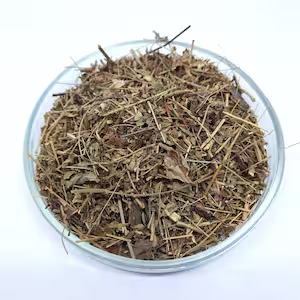
Practical Usage and Forms of Eyebright Herb
Eyebright can be incorporated into a health regimen through various forms, each suited for different applications and desired effects. Purity and sterility are paramount, especially when applying directly to the eyes.

1. Herbal Teas and Infusions (Internal and External)
- Preparation for Internal Use: To make a soothing tea for respiratory or general systemic benefits, steep 1-2 teaspoons of dried Eyebright herb in a cup of hot water for 5-10 minutes. Strain thoroughly and consume up to three times daily. This method primarily delivers the systemic anti-inflammatory and antioxidant benefits.
- Preparation for Eyewash/Compress (CRITICAL: Sterility is Key): For external eye application, it is absolutely vital to prepare a sterile infusion. Use distilled or filtered water and boil it vigorously. Add 1 teaspoon of dried Eyebright to 1 cup of boiling water. Steep for no more than 5 minutes. Strain the liquid multiple times through a coffee filter or fine cheesecloth to ensure no particulate matter remains. Allow it to cool completely to lukewarm or room temperature before use. Always prepare a fresh batch for each application and discard any unused solution immediately to prevent bacterial growth. Never store homemade eyewashes.
- Application as Eyewash: Using a sterile eye dropper or an eye cup, apply the cooled, strained infusion directly to the affected eye(s). Blink several times to allow the solution to spread.
- Application as Compress: Soak a clean, sterile cotton pad or cloth in the cooled infusion, wring out excess liquid, and place it gently over the closed eyelids for 10-15 minutes. This can be particularly effective for blepharitis, styes, and general eye fatigue.
2. Tinctures
Alcohol-based tinctures offer a concentrated form of Eyebright that can be taken internally. Typical dosages range from 2-5 mL (40-100 drops) mixed in a small amount of water, 2-3 times daily. Tinctures are convenient for systemic benefits and can be a good alternative for those who dislike teas or require a higher concentration of active compounds. They are generally not recommended for direct eye application due to the alcohol content.
3. Commercial Eye Drops
Many commercially prepared Eyebright eye drops are available. These are formulated specifically for ocular use and are manufactured under sterile conditions, making them a safe and convenient option. It is crucial to choose products from reputable brands that adhere to pharmaceutical standards for sterility and purity. These drops are typically used by applying 1-2 drops to each eye, several times a day, as directed by the product label.
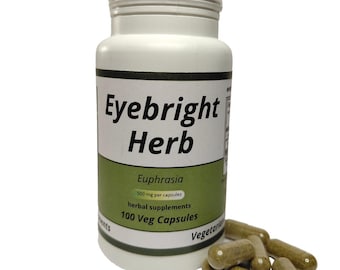
4. Capsules and Supplements
Eyebright is also available in capsule or tablet form for internal consumption. These provide a standardized dosage and are a convenient way to integrate the herb into a daily wellness routine, especially for systemic benefits related to allergies, respiratory health, or general antioxidant support. Typical dosages range from 400-800 mg, taken 1-3 times daily, though this can vary significantly depending on the concentration and specific formulation. Always follow the manufacturer’s instructions or a healthcare provider’s recommendations.
Dosage and Administration Guidelines
The appropriate dosage of Eyebright depends on the form of the herb, the concentration of active compounds, and the individual’s specific health needs. It is always recommended to start with a lower dose and gradually increase it if needed, while monitoring for any adverse reactions. For any significant or persistent eye conditions, consulting with an ophthalmologist or a qualified healthcare practitioner is paramount before initiating self-treatment with herbal remedies. They can provide accurate diagnosis and ensure that Eyebright is an appropriate and safe choice, especially if other medical conditions are present or medications are being taken.
Potential Side Effects and Contraindications
While Eyebright is generally considered safe when used appropriately, particularly in its well-prepared commercial forms, certain precautions and potential side effects should be considered.
- Eye Irritation: Homemade eyewashes, if not prepared with absolute sterility or if containing particulate matter, can cause irritation, redness, or even introduce infection. Always prioritize sterile, commercial preparations for direct eye application. Some individuals may also experience mild stinging or irritation even with properly formulated products.
- Allergic Reactions: As with any botanical, allergic reactions are possible, although rare. Symptoms might include itching, redness, or swelling, particularly in sensitive individuals or those with known allergies to plants in the Orobanchaceae family.
- Pregnancy and Breastfeeding: There is insufficient scientific evidence regarding the safety of Eyebright use during pregnancy and breastfeeding. Therefore, it is generally advised for pregnant and lactating women to avoid using Eyebright or to do so only under strict medical supervision.
- Medication Interactions: Eyebright may potentially interact with certain medications, though extensive research is limited. For example, its astringent properties might theoretically impact the absorption of orally administered drugs. If you are taking prescription eye drops or any other medications, consult your doctor or pharmacist before incorporating Eyebright into your regimen.
- Underlying Conditions: Individuals with glaucoma, cataracts, or other serious eye conditions should not use Eyebright as a substitute for conventional medical treatment. It should be considered a supportive therapy only, under the guidance of an eye care professional.
- Oral Side Effects: When taken internally, some individuals have reported mild stomach upset, nausea, or sweating, though these are uncommon.
Conclusion: Eyebright’s Enduring Legacy and Future Promise
Eyebright Herb stands as a testament to the enduring power and wisdom embedded within traditional herbal medicine. Its rich history of efficacy for ocular complaints, now increasingly supported by scientific insights into its complex phytochemistry, positions it as a valuable natural ally for maintaining and restoring eye health. The synergistic action of its flavonoids, iridoid glycosides, phenolic acids, and tannins provides a comprehensive therapeutic profile that addresses inflammation, oxidative stress, and microbial challenges, not only in the eyes but also in the respiratory tract and on the skin.
As we navigate an era where digital screens dominate our daily lives and environmental stressors continually challenge our ocular well-being, the gentle yet potent healing touch of Eyebright offers a promising avenue for natural relief and support. Whether utilized in the form of sterile eye drops, soothing compresses, internal teas, or convenient capsules, Eyebright invites us to rediscover the profound connection between nature and our health. However, as with all powerful botanical remedies, respectful and informed usage, coupled with professional guidance for serious conditions, remains the cornerstone of safe and effective application. The journey into Eyebright’s benefits is a journey into holistic well-being, reaffirming the timeless truth that nature often holds the brightest solutions for our deepest needs.
Disclaimer: For informational purposes only. Not medical advice. Consult a qualified healthcare professional before use.