
The Profound Health Benefits of Linden Flower: A Definitive Deep-Dive Guide
For centuries, nestled within the verdant embrace of Europe and North America’s temperate forests, the majestic Linden tree (genus Tilia) has offered more than just shade and beauty. Its delicate, fragrant blossoms, commonly known as Linden flowers or Lime blossoms, have been revered in traditional medicine across diverse cultures as a powerful botanical ally. Far beyond its enchanting aroma, the Linden flower is a treasure trove of bioactive compounds, bestowing a myriad of health benefits ranging from profound calming effects to robust cardiovascular support. This exhaustive guide delves into the intricate science and rich history behind this remarkable herb, unveiling why Linden flower remains a cornerstone of natural wellness.
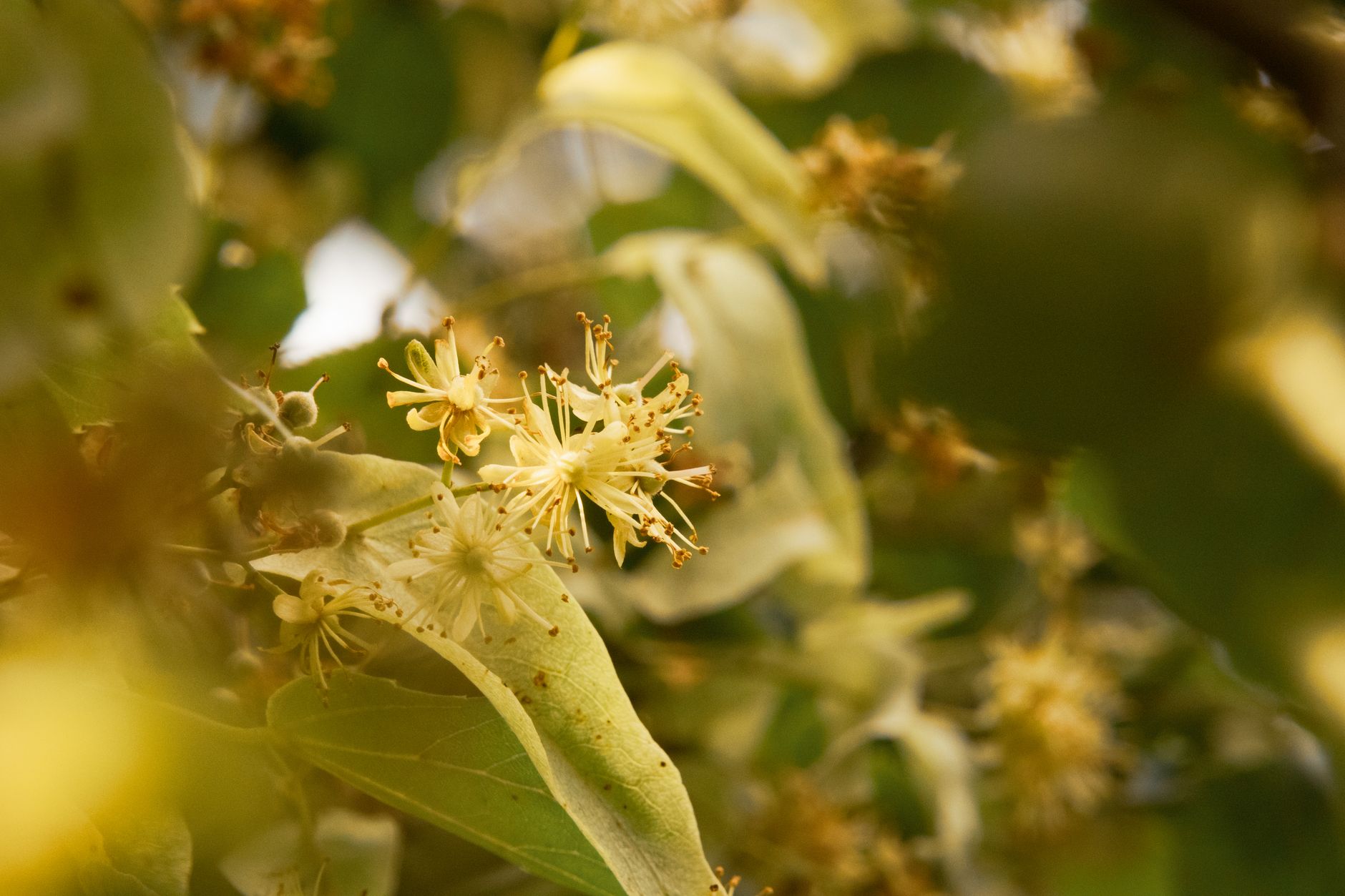
The journey into understanding Linden flower’s therapeutic prowess begins with appreciating its botanical identity. Belonging to the Malvaceae family, several species of Tilia are prized for their medicinal flowers, most notably Tilia cordata (Small-leaved Linden) and Tilia platyphyllos (Large-leaved Linden), along with the hybrid Tilia x europaea. These deciduous trees, often gracing avenues and parks, produce small, yellowish-white flowers in clusters, typically in early summer. The flowers are distinctive, often accompanied by a pale green, leaf-like bract, and emit a sweet, nectar-rich fragrance that attracts bees, yielding highly prized Linden honey. Beyond aesthetics, it is this floral bounty that holds the key to its extensive health applications.
Botanical Heritage and Enduring Historical Significance
The Linden tree holds a deeply rooted place in the folklore, medicine, and culture of many civilizations. In ancient Germanic and Slavic traditions, the Linden was considered a sacred tree, symbolizing love, fertility, and justice. Village councils often convened beneath its expansive canopy, and its wood was carved into protective amulets. The tree’s longevity and majestic presence led to its association with healing and sanctuary, a belief that extended directly to its medicinal parts.
Historically, European herbalists have championed Linden flower tea as a primary remedy for nervous tension, insomnia, and the common cold. Its use was documented by ancient Greek physicians like Dioscorides, who recognized its soothing properties. Throughout the Middle Ages, monasteries and apothecaries refined its application, solidifying its role in treating fevers, respiratory ailments, and digestive complaints. Native American tribes also utilized indigenous Tilia species for similar purposes, brewing the inner bark and flowers for various therapeutic benefits, indicating an independent discovery of its inherent healing potential across continents. This enduring legacy across disparate cultures underscores the consistent efficacy of Linden flower as a natural therapeutic agent.

The Potent Phytochemistry: Unpacking Linden Flower’s Bioactive Compounds
The therapeutic virtues of Linden flower are not a matter of mere anecdotal belief but are firmly grounded in its complex phytochemistry. This botanical powerhouse boasts an impressive array of bioactive compounds, each contributing synergistically to its wide spectrum of health benefits. Understanding these constituents is paramount to appreciating the depth of its medicinal action.
Flavonoids: The Antioxidant and Anti-inflammatory Guardians
Linden flower is particularly rich in flavonoids, which are potent plant pigments renowned for their antioxidant and anti-inflammatory properties. Key flavonoids found in Linden include quercetin, kaempferol, tiliroside, and rutin. These compounds act as powerful free radical scavengers, neutralizing harmful reactive oxygen species (ROS) that contribute to cellular damage, chronic diseases, and accelerated aging. Their anti-inflammatory action involves inhibiting various inflammatory pathways and enzymes, such as cyclooxygenase (COX) and lipoxygenase (LOX), thereby reducing pain and swelling throughout the body. Tiliroside, a unique flavonoid glycoside found specifically in Linden, has been singled out for its notable sedative and anti-inflammatory effects.
Mucilage: The Soothing and Protective Polysaccharide
The presence of mucilage, a gel-like soluble fiber, is a significant contributor to Linden flower’s soothing properties. When hydrated, mucilage forms a viscous substance that coats mucous membranes, providing a protective and demulcent layer. This physical barrier helps to alleviate irritation and inflammation in the throat, respiratory tract, and digestive system. Its ability to soothe irritated tissues makes it invaluable in treating coughs, sore throats, and digestive discomfort, creating a comforting sensation and promoting healing.
Volatile Oils: The Calming Aromatic Essence
Linden flowers contain a small but significant concentration of volatile oils, primarily farnesol, along with geraniol, eugenol, and limonene. Farnesol is particularly noteworthy for its mild sedative and antispasmodic effects. These aromatic compounds are responsible for the flower’s characteristic sweet scent and contribute to its relaxing and calming properties. When inhaled or ingested, they can interact with the nervous system, promoting a sense of tranquility and easing muscle tension.
Phenolic Acids: More Antioxidant and Antimicrobial Strength
Beyond flavonoids, Linden flower also contains various phenolic acids, such as caffeic acid and p-coumaric acid. These compounds further bolster the herb’s antioxidant capacity and exhibit antimicrobial properties, contributing to its efficacy against certain pathogens. Their combined action supports overall cellular health and can play a role in combating infections.
Tannins: Astringent and Protective Agents
While less prominent than in other herbs, tannins are present in Linden flowers, contributing to mild astringent properties. Tannins can help to tighten tissues and reduce secretions, which can be beneficial in treating minor skin irritations or mild diarrhea. Their protective effects can also contribute to overall tissue integrity.
Deep-Dive into Linden Flower’s Core Health Benefits
The synergy of these bioactive compounds translates into a broad spectrum of well-substantiated health benefits, making Linden flower a truly versatile herbal remedy.
1. Anxiolytic and Sedative Properties: A Natural Remedy for Stress and Insomnia
Perhaps the most celebrated benefit of Linden flower is its profound ability to calm the nervous system. For centuries, Linden tea has been the go-to remedy for individuals grappling with anxiety, nervous tension, and sleeplessness. The anxiolytic (anxiety-reducing) and sedative effects are primarily attributed to its flavonoid content, particularly tiliroside, and the volatile oils like farnesol. These compounds are believed to interact with gamma-aminobutyric acid (GABA) receptors in the brain, much like certain pharmaceutical sedatives, but in a milder, non-addictive manner. GABA is the primary inhibitory neurotransmitter in the central nervous system, and by enhancing its activity, Linden flower helps to reduce neuronal excitability, leading to a sense of calm and relaxation. This gentle action can ease the racing thoughts associated with stress, mitigate the physical manifestations of anxiety such as muscle tension, and significantly improve sleep quality by promoting a quicker onset of sleep and reducing nocturnal awakenings.
2. Respiratory Health and Expectorant Action: Soothing Colds, Coughs, and Fevers
Linden flower is an invaluable ally during cold and flu season, offering comprehensive support for respiratory health. Its mucilage content plays a crucial role here, providing a demulcent effect that coats and soothes irritated mucous membranes in the throat and lungs. This helps to alleviate dry, irritating coughs and sore throats, reducing the discomfort associated with upper respiratory infections. Beyond its soothing properties, Linden flower acts as a mild expectorant, helping to thin and expel mucus, thereby clearing congested airways. Furthermore, its diaphoretic action, meaning it promotes sweating, is highly beneficial in managing fevers. By encouraging perspiration, Linden flower assists the body in cooling down naturally, making it a traditional remedy for breaking fevers and reducing symptoms associated with colds, flu, and even mild bronchitis.
3. Cardiovascular Support: Promoting Heart Health and Circulation
Emerging research and traditional use point to Linden flower’s benefits for the cardiovascular system. The rich flavonoid content, with its potent antioxidant and anti-inflammatory properties, plays a crucial role in protecting blood vessels from oxidative damage and inflammation, which are key contributors to atherosclerosis and other heart conditions. Some studies suggest that Linden flower may exert mild hypotensive (blood pressure-lowering) effects, potentially due to its mild diuretic action, which helps to reduce fluid retention and ease the burden on the heart, and its ability to promote vasodilation, improving blood flow. While not a substitute for conventional heart medications, regular consumption of Linden tea can be a supportive measure for maintaining overall cardiovascular wellness and promoting healthy circulation.
4. Anti-inflammatory and Antioxidant Effects: Cellular Protection and Pain Relief
The broad spectrum of flavonoids and phenolic acids present in Linden flower provides robust anti-inflammatory and antioxidant capabilities. As discussed, these compounds effectively neutralize free radicals, mitigating oxidative stress which is a fundamental driver of aging and chronic inflammatory diseases. By modulating inflammatory pathways, Linden flower can help reduce systemic inflammation, potentially alleviating symptoms associated with conditions like arthritis, muscle soreness, and general inflammatory discomfort. This cellular protective action contributes to overall health, enhances cellular repair mechanisms, and may play a role in disease prevention, supporting the body’s natural defense systems against environmental stressors and internal imbalances.
5. Digestive Aid: Easing Indigestion and Gastrointestinal Discomfort
Linden flower also offers gentle support for the digestive system. Its carminative properties help to relax the smooth muscles of the gastrointestinal tract, which can alleviate spasms, reduce bloating, and soothe abdominal cramps. The mucilage content provides a protective lining for the stomach and intestinal walls, helping to soothe irritation and inflammation. This combination makes Linden tea an excellent natural remedy for indigestion, nervous stomach, flatulence, and mild symptoms of irritable bowel syndrome (IBS), promoting comfort and enhancing digestive function, particularly when digestive upset is linked to stress and anxiety.
6. Skin Health and Topical Applications: Soothing Irritation and Promoting Healing
Beyond internal consumption, Linden flower can be harnessed for external applications to benefit skin health. Its anti-inflammatory, astringent, and emollient properties make it ideal for soothing irritated skin. Compresses or washes made from Linden flower infusion can be applied to reduce redness, alleviate itching, and calm conditions like mild rashes, insect bites, or sunburn. The mucilage provides a hydrating and protective layer, while flavonoids assist in reducing inflammation and promoting gentle healing. Furthermore, adding Linden flower infusion to bathwater can create a wonderfully relaxing and skin-soothing experience, benefiting both mind and body.
Practical Usage and Preparation Methods
Harnessing the benefits of Linden flower is both simple and deeply satisfying, with various traditional and modern methods available.
Traditional Linden Flower Tea (Infusion)
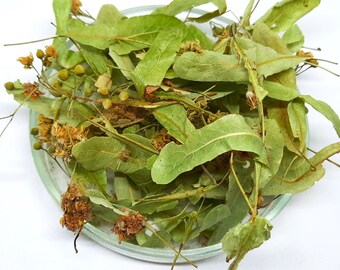
The most popular and arguably most effective way to enjoy Linden flower is as a hot infusion or tea. This method extracts the water-soluble compounds, including mucilage, flavonoids, and some volatile oils, creating a soothing and potent brew. To prepare: steep 1-2 teaspoons of dried Linden flowers in a cup (250ml) of hot (not boiling) water for 5-10 minutes. Cover the cup during steeping to prevent the loss of volatile oils. Strain and enjoy. Honey or lemon can be added for taste, but for maximum therapeutic effect, it’s often preferred plain. For anxiety and sleep, consume 1-3 cups daily, especially before bedtime. For colds and fevers, drink warm tea frequently throughout the day.
Linden Flower Tinctures
Tinctures are concentrated liquid extracts made by macerating dried Linden flowers in alcohol. This method allows for a higher concentration of certain compounds and offers convenience and a longer shelf life. Tinctures are particularly useful when immediate action is desired or when a precise dosage is needed. They are typically taken in drops mixed with water or juice. Always follow the dosage instructions provided by the manufacturer or a qualified herbalist, as concentrations can vary significantly.
Linden Flower Baths
For a truly therapeutic and relaxing experience, a Linden flower bath can be profoundly beneficial. Prepare a strong infusion by steeping a generous handful (approx. 1/2 cup) of dried flowers in about 1-2 liters of hot water for 20 minutes, then strain and add the liquid to your bathwater. The aromatic volatile oils, combined with the soothing mucilage, create a calming ambiance, ease muscle tension, reduce stress, and soothe irritated skin. This is an excellent method for promoting sleep and alleviating general bodily aches.
Topical Compresses and Washes
For localized skin irritations, minor burns, or insect bites, a Linden flower compress can provide relief. Prepare a strong infusion, allow it to cool, then soak a clean cloth in the liquid and apply it to the affected area for 15-20 minutes. The anti-inflammatory and soothing properties help reduce redness, swelling, and discomfort. Linden flower washes can also be used as a gentle facial toner for sensitive or inflamed skin.
Modern Formulations: Linden Flower Capsules and Supplements
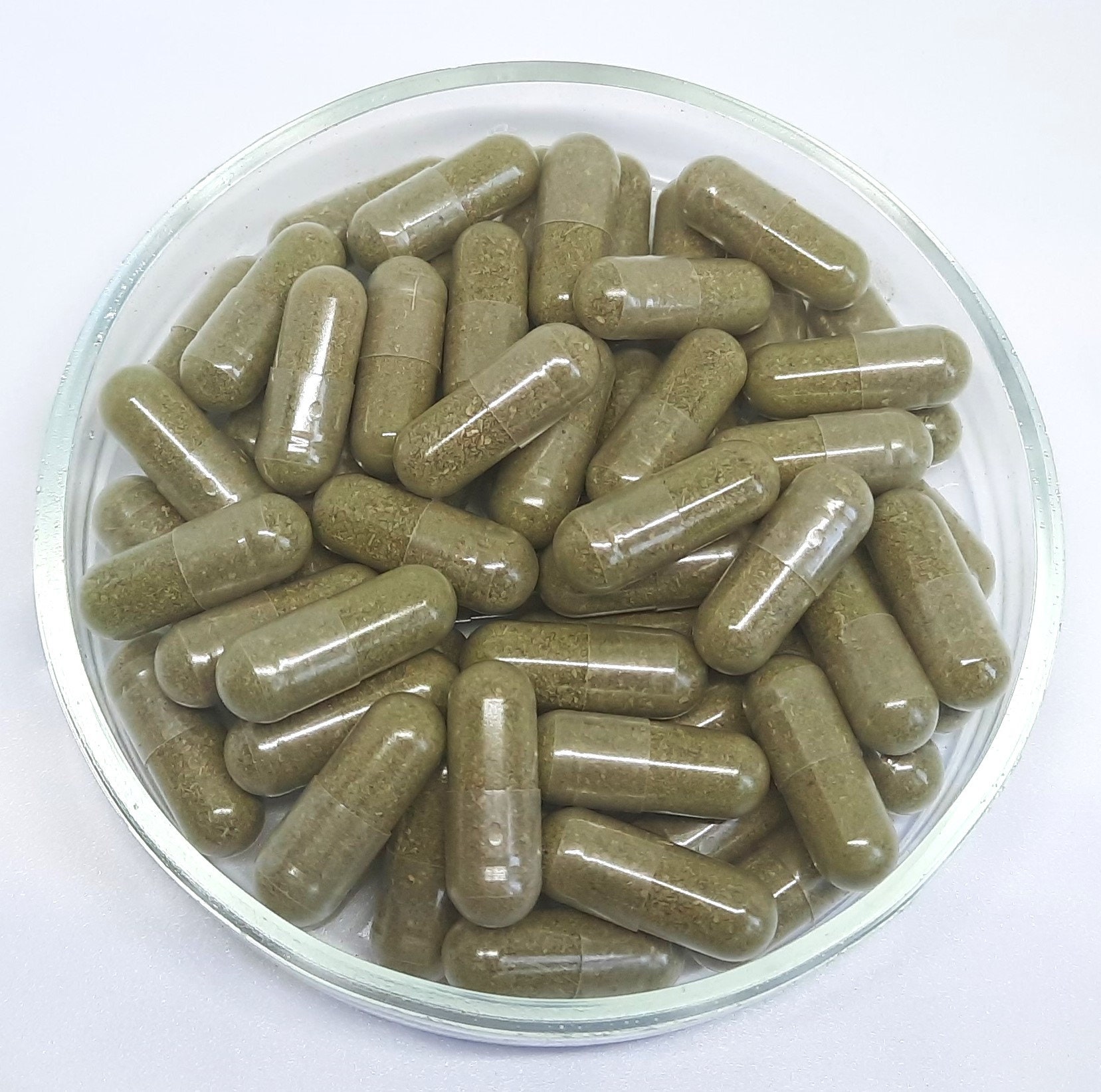
For those seeking convenience or precise dosing, Linden flower is also available in various supplemental forms. These typically include capsules, standardized extracts, and liquid concentrates. Capsules offer a tasteless and easy way to ingest the herb, particularly for individuals who may not enjoy the taste of the tea. Standardized extracts ensure a consistent concentration of key bioactive compounds, providing a more reliable therapeutic effect.
When choosing Linden flower supplements, it is crucial to opt for reputable brands that prioritize purity, potency, and transparent sourcing. Look for products that specify the species of Tilia used and, if possible, information on standardization for key compounds like flavonoids. While capsules offer convenience, the ritual of preparing and sipping Linden tea can often enhance the relaxing benefits through the sensory experience of warmth and aroma.
Dosage, Safety, and Potential Considerations
While Linden flower is generally considered safe for most individuals, understanding appropriate dosages and potential considerations is essential for responsible use.
General Dosage Guidelines:
- Tea/Infusion: 1-2 teaspoons of dried flowers per cup, steeped for 5-10 minutes, 1-3 times daily.
- Tincture: Dosage varies widely by concentration. Always follow manufacturer’s instructions, typically 1-2 ml up to three times daily.
- Capsules/Extracts: Follow product-specific instructions. Extracts may be standardized to contain a certain percentage of active compounds, making them more potent.
Potential Side Effects:
Linden flower is remarkably well-tolerated. Side effects are rare but can include allergic reactions in sensitive individuals, manifesting as skin rashes or mild respiratory symptoms. Excessive consumption of very strong infusions over prolonged periods has, in extremely rare cases, been anecdotally linked to cardiac effects, though this is not well-substantiated by modern research for typical use.
Contraindications and Precautions:
- Pregnancy and Lactation: Due to insufficient research, pregnant and breastfeeding women should consult a healthcare professional before using Linden flower.
- Heart Conditions: Individuals with pre-existing heart conditions, especially those on cardiac medications, should exercise caution and consult their doctor. While generally considered beneficial for the heart, the mild diuretic and hypotensive effects could potentially interact with certain medications or conditions.
- Drug Interactions: Linden flower may theoretically potentiate the effects of sedative medications due to its calming properties. It could also enhance the effects of diuretic or blood pressure-lowering drugs. Always discuss any herbal remedies with your doctor, especially if you are on prescription medications.
As with any herbal remedy, it is always advisable to start with a lower dose and observe your body’s response. For chronic conditions or if you are unsure, consulting a qualified healthcare practitioner or herbalist is recommended.

Conclusion: Embracing the Gentle Power of Linden Flower
The Linden flower, a humble yet potent botanical, stands as a testament to nature’s profound capacity for healing. From its deeply ingrained historical and cultural significance to its meticulously understood phytochemistry, every aspect points to an herb that offers comprehensive support for modern wellness challenges. Its remarkable ability to soothe the nervous system, alleviate respiratory distress, support cardiovascular health, and reduce inflammation makes it an indispensable component of any natural health regimen.
Whether enjoyed as a comforting evening tea, applied topically for skin complaints, or integrated through modern supplements, Linden flower provides a gentle yet effective path to enhanced well-being. By embracing the gentle power of this ancient remedy, individuals can tap into a legacy of natural healing, fostering a profound sense of calm, comfort, and vitality in an increasingly demanding world. Its continued relevance in both traditional and contemporary herbal medicine firmly establishes Linden flower as a true botanical gem, deserving of its revered status.
Disclaimer: For informational purposes only. Not medical advice. Consult a qualified healthcare professional before use.