The Definitive Guide to Buckthorn Bark (Frangula alnus): Botanical Properties, Bioactive Mechanisms, and Therapeutic Applications
Buckthorn Bark, scientifically known as Frangula alnus (and formerly Rhamnus frangula), is one of the most respected botanical agents in the traditional European pharmacopoeia. Often referred to as Alder Buckthorn, this deciduous shrub has been a cornerstone of herbal medicine for centuries, primarily utilized for its potent effects on the digestive system. Unlike many modern synthetic interventions, Buckthorn Bark offers a complex chemical profile that works in harmony with the body’s natural physiological processes, provided it is prepared and administered with professional precision. This guide serves as an exhaustive deep-dive into the botanical identity, historical usage, chemical complexity, and clinical applications of this remarkable herb.
Botanical Profile and Geographical Distribution
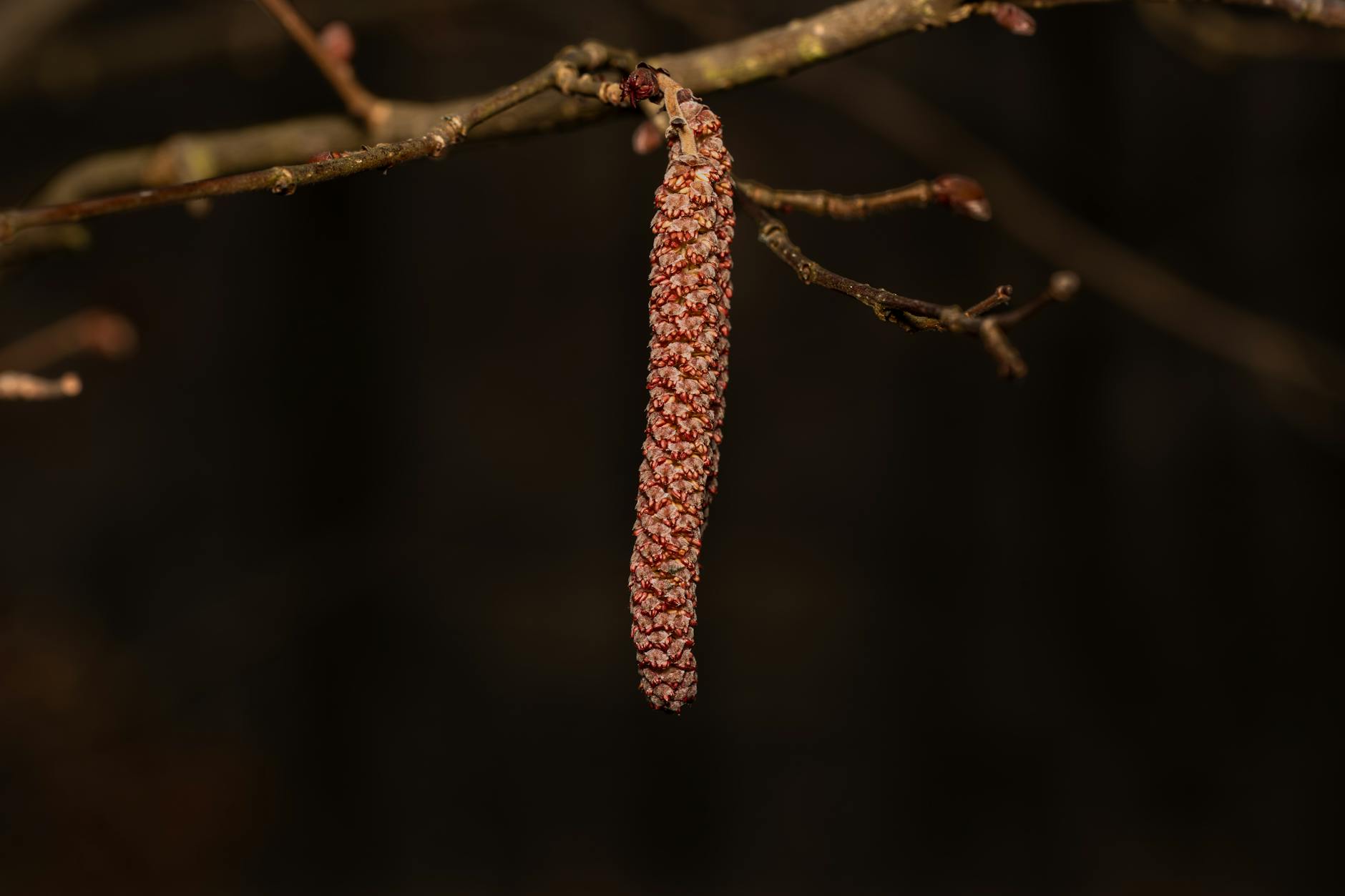
Frangula alnus is a member of the Rhamnaceae family. It is native to Europe, Northern Africa, and Western Asia, though it has since naturalized in parts of North America. Characteristically, it grows as a tall shrub or small tree, reaching heights of up to 6 meters. One of its most distinguishing botanical features is its bark, which is smooth and dark greyish-brown, marked by prominent horizontal white lenticels. Unlike its close relative, the purging buckthorn (Rhamnus cathartica), the Alder Buckthorn is devoid of thorns, which is a key identification marker for wildcrafters and botanists alike.
The leaves are elliptical, dark green, and possess a characteristic veining pattern that facilitates easy identification during the growing season. However, it is the bark of the stems and branches that contains the concentrated medicinal value. The timing of the harvest and the subsequent processing of the bark are critical factors in its safety and efficacy. In professional herbalism, the bark is collected in the spring and must be aged for at least one year—or heat-treated at specific temperatures—before it is considered fit for human consumption. This aging process is a chemical necessity, as it allows for the oxidation of harsh, emetic compounds into the therapeutic anthraquinones that provide the herb’s beneficial laxative effects.

Historical Context and Traditional Medicine
The historical usage of Buckthorn Bark dates back to the Middle Ages in Europe. It was frequently cited in the works of early herbalists as a reliable “purgative” or “hydragogue,” terms used to describe substances that help cleanse the bowels and stimulate the movement of fluids. In medieval folklore, the tree was sometimes associated with protection, but its medicinal utility was always its primary draw. Beyond its internal uses, the bark was also historically valued in the textile industry; it produces a vibrant yellow dye when treated with alum and a deep forest green or black when processed with iron salts.
In the 16th and 17th centuries, Buckthorn was a staple in the “simples” (single-herb remedies) used by country healers. It was preferred over more violent purgatives because, when properly aged, it provided a more predictable and manageable effect on the digestive tract. Traditional practitioners often combined it with carminative herbs like fennel or ginger to mitigate the potential for abdominal cramping, a practice that remains common in modern herbal formulations today. Its enduring presence in the British and European Pharmacopoeias underscores its reliability and the deep-seated trust that the medical community once placed in its physiological actions.

The Chemical Composition: Anthraquinones and Beyond
The therapeutic efficacy of Frangula alnus is attributed to its rich concentration of anthracene derivatives. The primary bioactive compounds are glucofrangulins A and B, which are anthraquinone glycosides. When the bark is fresh, it contains anthrones and anthranols, which are highly irritating to the gastric mucosa and can cause severe vomiting and violent cramping. The mandatory one-year aging process (or accelerated oxidation through heating) converts these irritant anthrones into the safer, therapeutically active anthraquinones, specifically frangulin and emodin.
In addition to these primary glycosides, Buckthorn Bark contains a variety of secondary metabolites that contribute to its overall pharmacological profile. These include tannins, which provide a mild astringent quality that can help tone the intestinal lining, and flavonoids, which offer antioxidant protection. The bark also contains small amounts of peptide alkaloids and various sugars. The synergy between these compounds ensures that the primary laxative effect is supported by phytochemicals that may help protect the gut from excessive inflammation during the transit process. Understanding this chemical transition from fresh “toxic” bark to aged “medicinal” bark is the most critical aspect of Frangula pharmacology.

Mechanism of Action: How Buckthorn Affects the Gut
The mechanism by which Buckthorn Bark exerts its laxative effect is both fascinating and highly specific. The anthraquinone glycosides (glucofrangulins) are actually “prodrugs.” This means they are pharmacologically inactive when they are ingested. They pass through the stomach and small intestine largely unchanged because the human digestive system lacks the enzymes necessary to break them down in these early stages. However, once they reach the colon, the resident bacterial flora (specifically species with beta-glycosidase activity) hydrolyze the glycosides into their active forms: frangula-emodin and related aglycones.
Once activated in the large intestine, these compounds work via two distinct pathways. First, they stimulate the myenteric plexus (Auerbach’s plexus), which is the network of nerves that controls the rhythmic contractions of the intestinal muscles. This increases peristalsis, the wave-like movement that pushes waste through the colon. Second, they influence the transport of electrolytes and water across the intestinal wall. They inhibit the sodium-potassium ATPase pump, leading to an accumulation of water and electrolytes within the intestinal lumen. This increased volume creates osmotic pressure, softening the stool and further stimulating the urge to evacuate. This dual action makes Buckthorn an exceptionally effective “stimulant laxative.”
Health Benefits: Primary and Secondary Applications
Treatment of Acute and Chronic Constipation
The primary clinical indication for Buckthorn Bark is the short-term treatment of constipation. It is particularly useful in cases where the bowels have become “sluggish” or “atonic,” meaning they lack the muscle tone to move waste effectively. Unlike bulk-forming laxatives (like psyllium) which take days to work, or osmotic laxatives which simply draw water, Buckthorn provides a direct “kick-start” to the intestinal muscles. It is often recommended for patients who need to avoid straining, such as those with hemorrhoids or those recovering from certain anal-rectal surgeries.
Support for Detoxification and Metabolic Waste Removal
In the context of holistic “cleansing” protocols, Buckthorn Bark is frequently used to ensure that the primary exit route for metabolic waste is functioning optimally. By promoting regular bowel movements, it prevents the reabsorption of toxins from the colon back into the bloodstream—a process sometimes referred to as autointoxication in traditional naturopathy. While the term “detox” is often misused in marketing, the physiological reality is that an efficient colon is essential for reducing the toxic load on the liver and kidneys.
Potential Biliary and Hepatic Support
Some traditional systems of medicine utilize Buckthorn Bark to support gallbladder health. It is considered to have mild cholagogue properties, meaning it may stimulate the flow of bile from the gallbladder into the intestine. Improved bile flow is not only essential for the digestion of fats but also serves as a natural lubricant for the stool. However, this application is secondary to its laxative effects and is usually only pursued under the guidance of a clinical herbalist.
Modern Delivery Systems: Capsules and Standardized Extracts
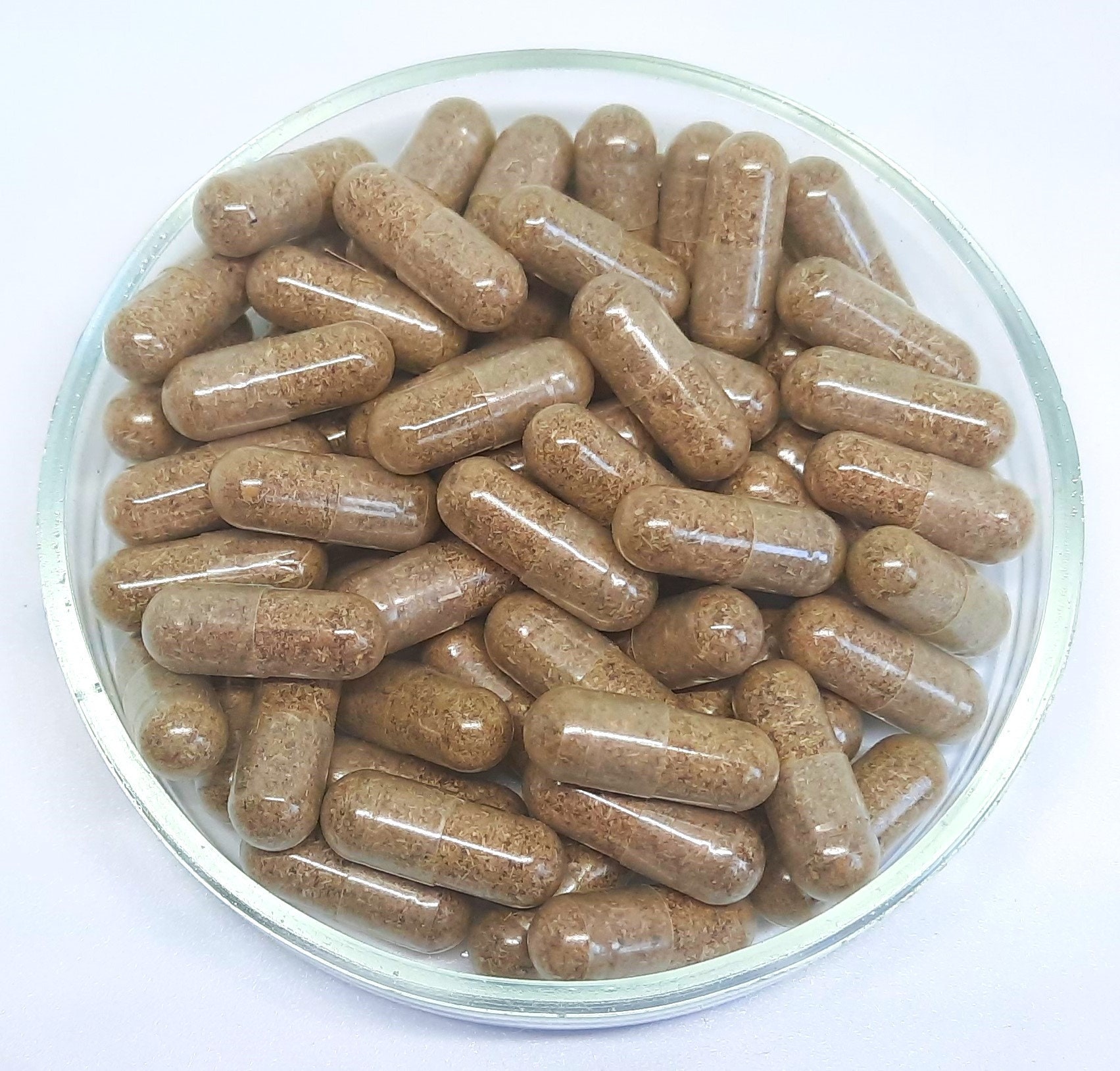
In contemporary herbal medicine, the use of loose dried bark has largely been supplanted by standardized capsules and liquid extracts. This shift is driven by the need for dosage precision. Because the concentration of anthraquinones can vary significantly based on the age of the tree and the specific environmental conditions of its growth, standardized extracts ensure that each dose provides a consistent amount of glucofrangulins. This reduces the risk of taking too much (which leads to severe diarrhea) or too little (which results in no therapeutic effect).
Capsules are the preferred delivery method for many because they bypass the palate. Buckthorn Bark is notoriously bitter—an organoleptic quality associated with many liver and digestive tonics—and can be difficult to consume as a tea. Capsules also allow for the incorporation of “buffer” herbs. For instance, many high-quality Buckthorn supplements include ginger, peppermint, or fennel to relax the smooth muscles of the gut and prevent the “griping” or cramping sensations that can sometimes accompany stimulant laxatives.
Safety, Contraindications, and Responsible Usage
While Buckthorn Bark is highly effective, it is a potent botanical that must be used with respect. The most critical safety rule is that it should never be used for more than 7–10 days consecutively. Prolonged use of stimulant laxatives can lead to “lazy bowel syndrome,” where the colon becomes dependent on external stimulation to function. Furthermore, chronic use can lead to electrolyte imbalances, particularly the loss of potassium (hypokalemia), which can have serious implications for heart and muscle function.
A common side effect of long-term anthraquinone use is melanosis coli, a benign (harmless) pigmentation of the intestinal lining that resolves after the herb is discontinued. However, it serves as a visual indicator that the herb is being used too frequently. Buckthorn is strictly contraindicated for individuals with inflammatory bowel diseases (such as Crohn’s disease or ulcerative colitis), appendicitis, intestinal obstruction, or undiagnosed abdominal pain. It should also be avoided during pregnancy and lactation, as the active compounds can potentially stimulate uterine contractions or pass into breast milk, causing colic in infants.
Practical Dosage and Preparation Guidelines
For those using the dried aged bark, a typical decoction is prepared by simmering 0.5 to 2.5 grams of the bark in water for approximately 10 to 15 minutes. This decoction is usually taken before bedtime, as the transit time for anthraquinones to reach the colon and be activated by bacteria is typically 8 to 12 hours. This timing ensures that the therapeutic effect occurs the following morning, mimicking the body’s natural circadian rhythm of elimination.
If using standardized extracts or capsules, it is vital to follow the manufacturer’s instructions or the advice of a healthcare provider. A common standardized dose is calculated to provide 20mg to 30mg of hydroxyanthracene derivatives (calculated as glucofrangulin A) per day. Always start with the lowest possible dose to assess individual sensitivity. Hydration is also paramount; since Buckthorn works by drawing water into the colon, it is essential to increase fluid intake throughout the day to support the process and prevent dehydration.
Conclusion: The Role of Frangula alnus in Modern Wellness
Buckthorn Bark stands as a testament to the efficacy of traditional herbal knowledge when validated by modern science. Its specific chemical evolution—from the irritating fresh bark to the therapeutic aged bark—highlights the sophisticated understanding early healers had of plant chemistry, even before the advent of laboratory analysis. In an age where digestive issues are rampant due to sedentary lifestyles and processed diets, Frangula alnus remains a vital tool for restoring intestinal transit when used appropriately.
By understanding the dual-action mechanism of increased peristalsis and osmotic regulation, users can better appreciate the “reset” that Buckthorn provides to a sluggish system. However, the ultimate goal of using such a potent herb should always be to bridge the gap toward better long-term digestive habits, including high-fiber intake, proper hydration, and regular physical activity. When used with care, Buckthorn Bark is not just a remedy for constipation, but a powerful ally in maintaining the vital rhythm of the human body.
Disclaimer: For informational purposes only. Not medical advice. Consult a qualified healthcare professional before use.