Wild Cranberry: The Definitive Guide to Nature’s Potent Super-Berry
The wild cranberry, primarily known by its botanical name Vaccinium oxycoccos (or Vaccinium macrocarpon in its larger North American wild form), represents one of the most chemically complex and health-dense fruits found in the northern hemisphere. Unlike its commercially cultivated counterparts, the wild cranberry thrives in the nutrient-scarce, acidic environments of peat bogs and wetlands. This survival in harsh conditions forces the plant to produce a higher concentration of secondary metabolites—specifically polyphenols and organic acids—to protect itself from UV radiation and oxidative stress. For the human consumer, these compounds translate into a powerhouse of therapeutic benefits that range from antimicrobial action to profound cardiovascular support.
Historically, the wild cranberry has been a staple in the diets and medicinal kits of indigenous peoples across North America and Northern Europe. Known to the Algonquian people as “sassamanash” and later dubbed “crane berry” by early European settlers who noted the flower’s resemblance to the head of a crane, this fruit was utilized for much more than food. It was a critical survival tool, used in pemmican to prevent spoilage and applied topically as a poultice to draw out toxins from wounds. Today, modern science is finally validating what traditional healers have known for centuries: the wild cranberry is a biological marvel with systemic health implications.
Botanical Profile and Ecological Significance
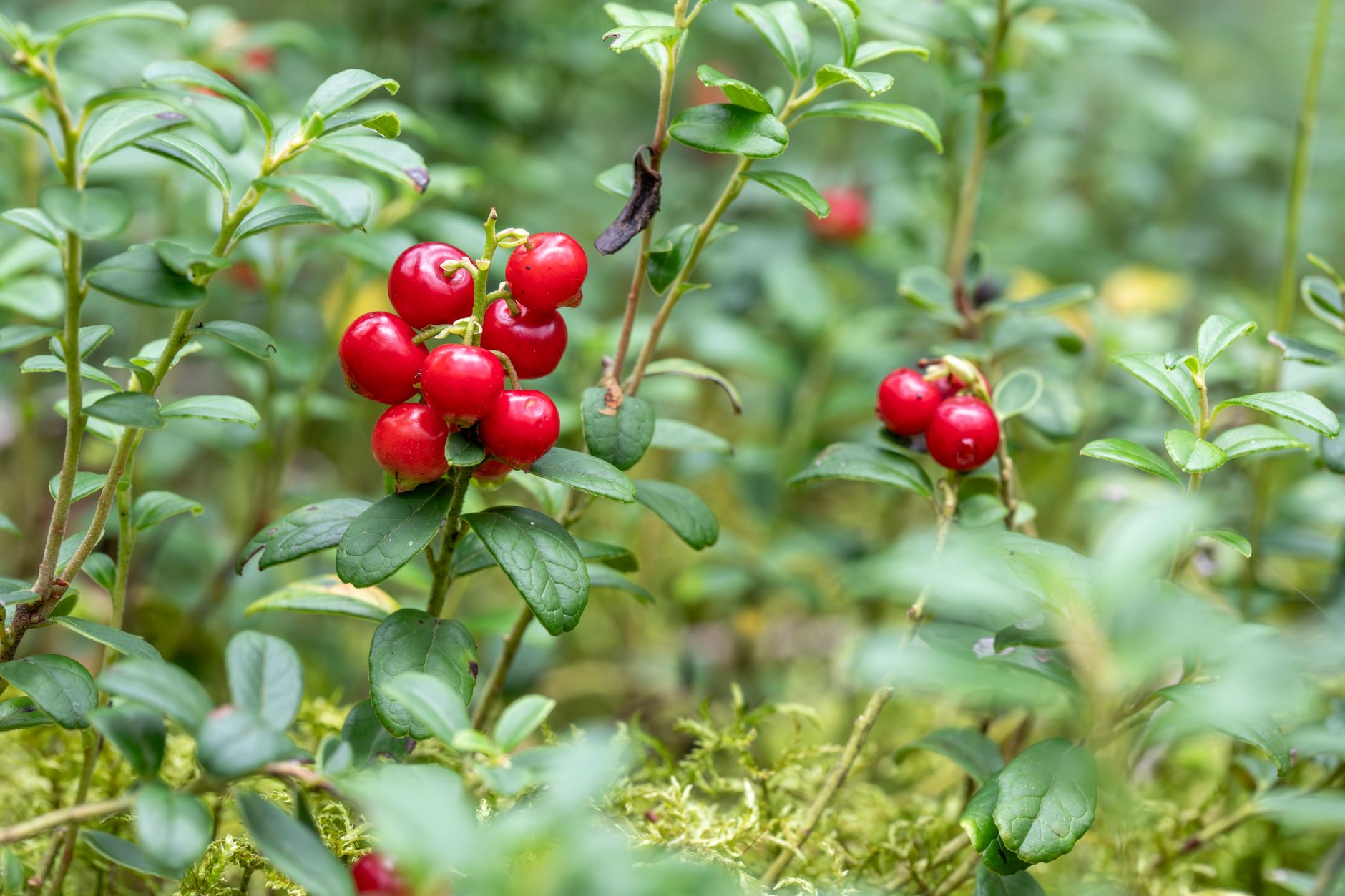
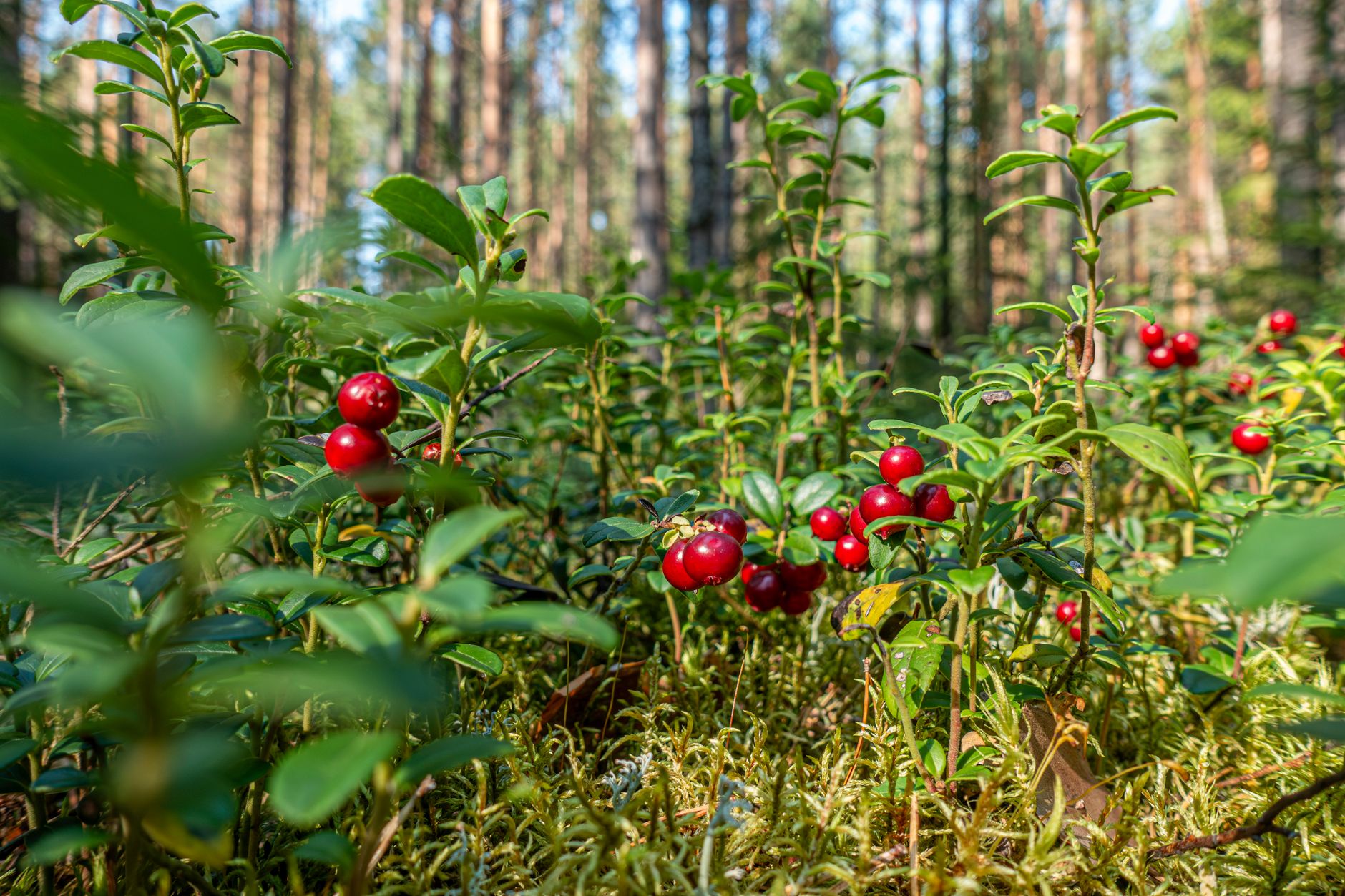
Wild cranberries are low-growing, evergreen shrubs or trailing vines that belong to the Ericaceae family. They are uniquely adapted to temperate and subarctic regions, often found carpeting the mossy floor of sphagnum bogs. The plant is characterized by its small, ovate leaves and delicate, pinkish-white flowers that bloom in early summer. The fruit itself begins as a pale green berry, eventually ripening into a deep, ruby-red orb that persists well into the winter months. This late-season ripening is a crucial ecological feature, providing a vital source of vitamin C and energy for wildlife during the frost-heavy months.
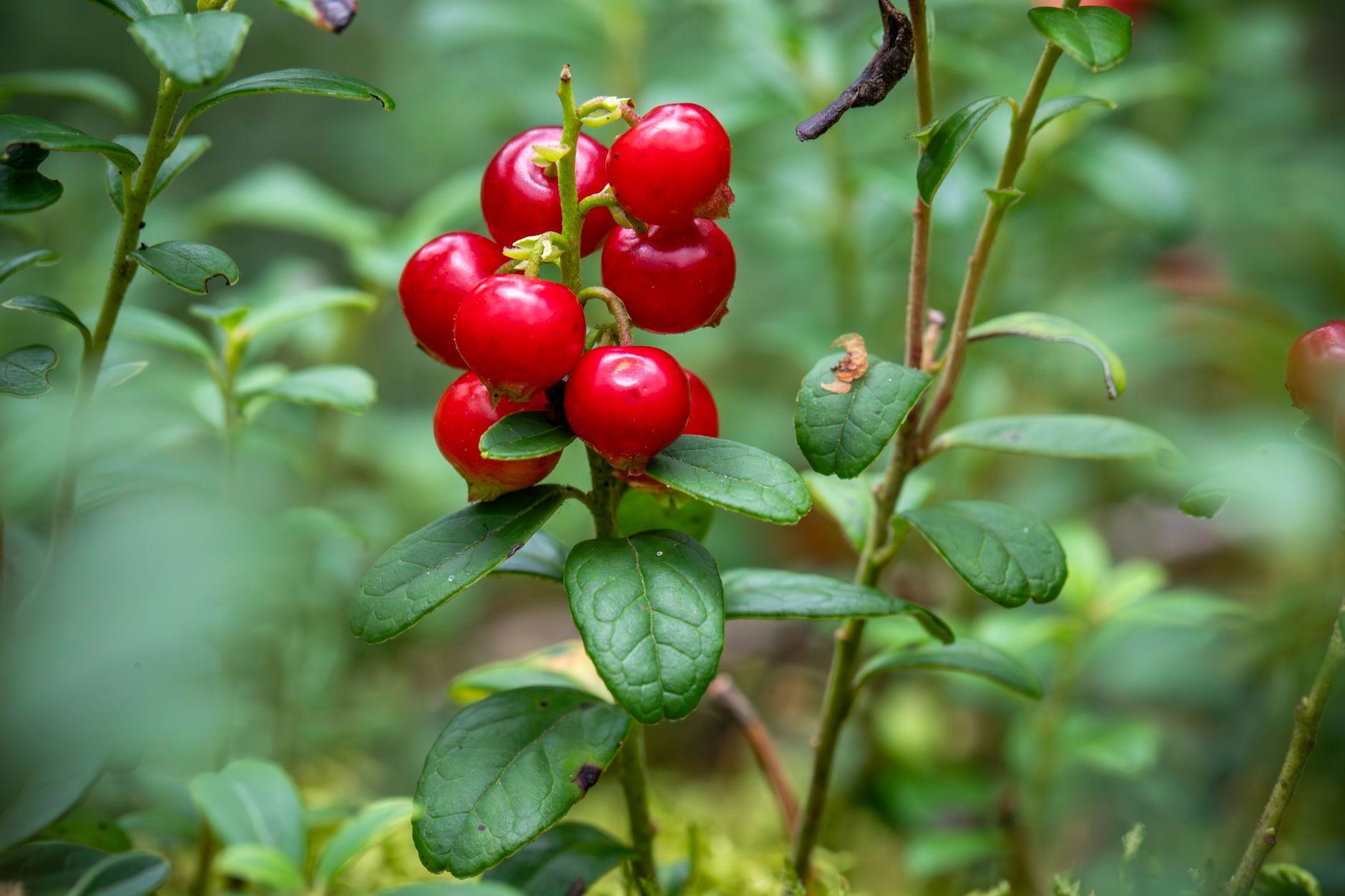
The distinction between wild and cultivated cranberries is not merely a matter of size; it is a matter of chemical density. Wild varieties are typically smaller, containing less water and a higher ratio of skin-to-flesh. Since most of the plant’s protective phytonutrients—anthocyanins and flavonols—are concentrated in the skin, the wild berry offers a more concentrated dose of bioactives per gram. Furthermore, the wild fruit is subjected to natural stressors, including temperature fluctuations and local pests, which triggers the upregulation of defensive compounds like ursolic acid and various phenolic acids, making them superior from a nutraceutical perspective.
The Phytochemical Matrix: Understanding the Bioactive Compounds
The health benefits of the wild cranberry are derived from a sophisticated matrix of bioactive molecules. While many fruits contain antioxidants, the specific configuration of molecules in Vaccinium oxycoccos is unique. The most notable of these are the Proanthocyanidins (PACs). However, unlike the Type-B PACs found in most other fruits and vegetables, cranberries contain rare Type-A linkage PACs. This structural difference is critical because only Type-A PACs possess the specific bioactivity required to inhibit the adhesion of P-fimbriated Escherichia coli to the uroepithelial cells lining the bladder.
In addition to PACs, wild cranberries are rich in Anthocyanins (the pigments responsible for their red color), which serve as potent scavengers of reactive oxygen species (ROS). They also contain significant levels of Quercetin, a flavonol known for its anti-inflammatory and antihistamine properties, and Myricetin, which has shown promise in supporting glycemic control. The presence of organic acids, including citric, malic, quinic, and benzoic acids, contributes to the berry’s signature tartness and plays a role in its antimicrobial and preservative qualities. This chemical complexity ensures that the berry acts on multiple biological pathways simultaneously, rather than offering a singular effect.
Urinary Tract Health: The Gold Standard of Cranberry Therapy
The most widely recognized application of wild cranberry is the prevention and management of Urinary Tract Infections (UTIs). For decades, it was incorrectly assumed that cranberries worked by acidifying the urine to a point where bacteria could not survive. Modern research has corrected this view, demonstrating that the mechanism is actually “anti-adhesion.” Most UTIs are caused by E. coli bacteria that use hair-like projections called fimbriae to “hook” onto the walls of the urinary tract. The Type-A Proanthocyanidins in wild cranberries act as a molecular shield, binding to these fimbriae and preventing the bacteria from establishing a foothold.
Because the bacteria cannot adhere, they are simply washed away during normal urination. This non-lethal mechanism is particularly important in the era of antibiotic resistance. Since the cranberry compounds do not seek to kill the bacteria but rather prevent their colonization, the bacteria do not develop the same survival-based resistance mechanisms they would against traditional antibiotics. Frequent consumption of wild cranberry extract or juice has been shown in clinical trials to significantly reduce the recurrence of UTIs in susceptible populations, including women, the elderly, and pediatric patients.
Traditional Uses and the Transition to Dried Herb
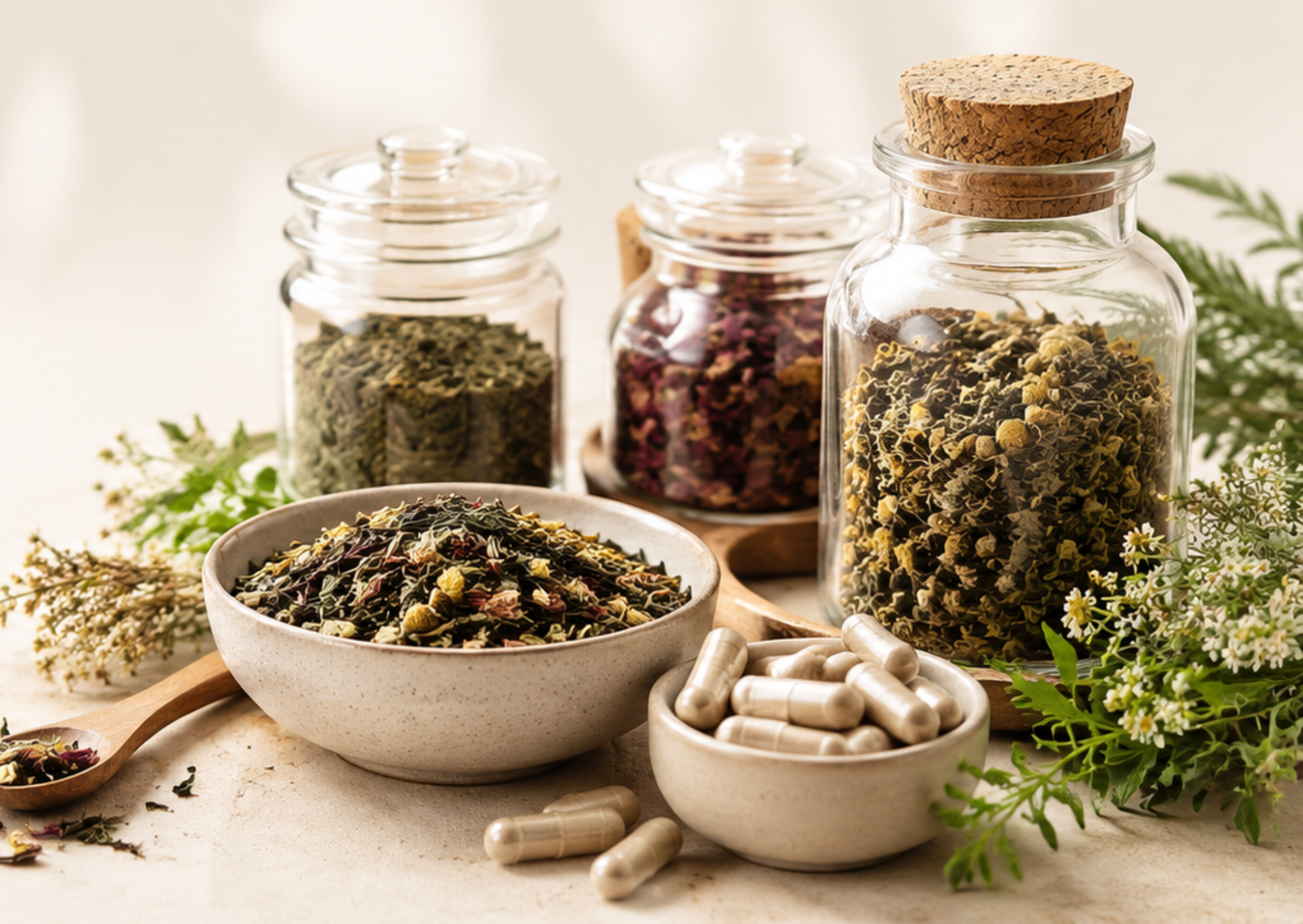
In traditional medicine, the whole fruit was rarely consumed alone due to its intense acidity. Instead, it was often mashed and mixed with honey or fats, or dried for long-term storage. Dried wild cranberry herb and fruit retain a high concentration of the berry’s fiber and skin-bound nutrients. The drying process, when done correctly at low temperatures, preserves the integrity of the delicate polyphenols while concentrating the sugars and acids, making it a portable and potent medicinal food.
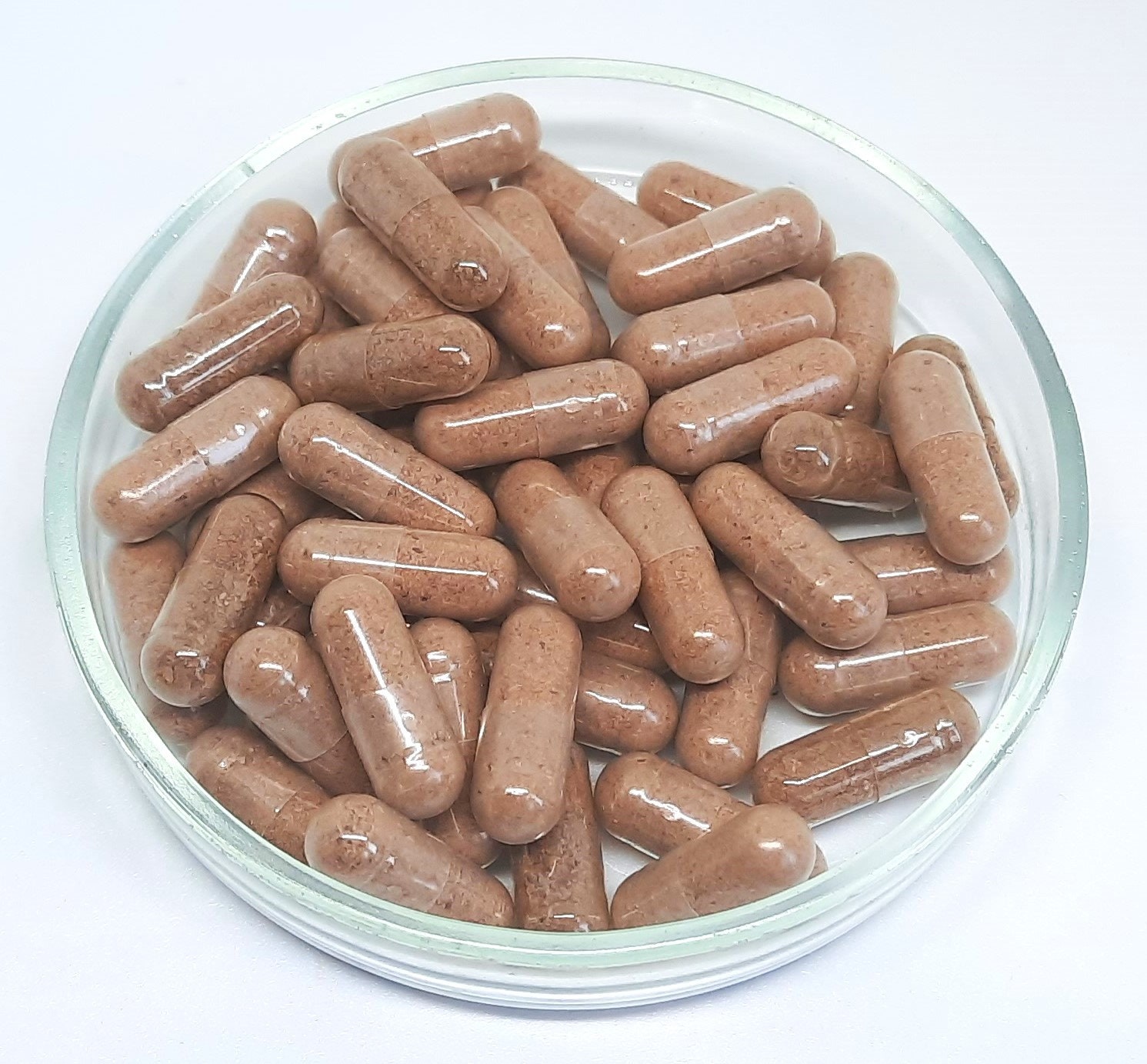
Beyond urinary health, traditional practitioners used the dried herb to treat digestive upsets and as a blood purifier. The astringent properties of the tannins in the dried fruit were utilized to settle the stomach and treat mild bouts of diarrhea. Furthermore, the high vitamin C content was essential for preventing scurvy in remote northern regions where fresh citrus was unavailable. The dried form serves as a bridge between culinary use and concentrated supplementation, providing a whole-food source of the berry’s diverse chemical profile.
Cardiovascular and Metabolic Benefits
Emerging research suggests that the benefits of wild cranberry extend far beyond the bladder. The high concentration of polyphenols has a direct impact on cardiovascular health by improving the lipid profile and enhancing endothelial function. Studies have shown that regular intake of cranberry bioactives can lead to an increase in HDL (the “good” cholesterol) and a reduction in the oxidation of LDL (the “bad” cholesterol). Since oxidized LDL is a primary driver of plaque formation in the arteries, the antioxidant protection provided by wild cranberries is a significant factor in atherosclerosis prevention.
Furthermore, the wild cranberry influences nitric oxide production in the vascular endothelium. Nitric oxide is a signaling molecule that causes blood vessels to relax and dilate, which helps maintain healthy blood pressure levels. The anti-inflammatory effects of the berry’s anthocyanins also reduce systemic inflammation markers, such as C-reactive protein (CRP). By dampening the inflammatory response and protecting the vascular walls from oxidative damage, wild cranberry acts as a comprehensive tonic for the circulatory system, supporting long-term heart health and reducing the risk of hypertension-related complications.
Gastrointestinal Health and Oral Hygiene
The anti-adhesion property of wild cranberry is not limited to the urinary tract. Research indicates that these same mechanisms may prevent Helicobacter pylori—the bacteria primarily responsible for stomach ulcers—from adhering to the gastric lining. By reducing the colonization of H. pylori, cranberry consumption may lower the risk of chronic gastritis and peptic ulcers. Additionally, the fiber content and the prebiotic-like effects of cranberry polyphenols support a healthy gut microbiome, encouraging the growth of beneficial bacteria while inhibiting pathogenic strains.
In the oral cavity, wild cranberry offers similar protection. The polyphenols inhibit the enzymes used by Streptococcus mutans to create dental plaque. By preventing the formation of this biofilm, cranberries help reduce the incidence of dental caries and periodontal disease. It is important to note, however, that these benefits are best achieved through unsweetened sources, as the added sugars in many commercial cranberry products can counteract the berry’s natural dental-protective effects.
The Advent of Concentrated Capsules and Extracts
As our understanding of the specific dosages required for therapeutic effects has grown, the supplement industry has developed concentrated wild cranberry capsules. These are particularly beneficial for individuals who require high levels of Type-A PACs but wish to avoid the sugar or acidity associated with drinking large quantities of juice. A high-quality capsule can provide the equivalent of several servings of whole berries in a single, standardized dose.
When selecting capsules, it is vital to look for “wild-crafted” or high-potency extracts that specify the PAC content. Many clinical studies suggest that a minimum of 36mg of proanthocyanidins is necessary to achieve the anti-adhesion effect in the urinary tract. Capsules offer a convenient way to ensure consistent delivery of these compounds, making them an essential tool for chronic UTI sufferers and those looking for a daily boost in antioxidant intake without the caloric load of fruit juices.
Anti-Inflammatory and Immune System Support
Wild cranberries are a rich source of Vitamin C, but their immune-supporting capabilities go much further. The high concentration of quercetin and other flavonoids modulates the immune response, helping the body to mount an effective defense against pathogens without overreacting and causing excessive inflammation. This makes the berry an excellent dietary addition during cold and flu season.
The anti-inflammatory effects are also localized in the tissues. Ursolic acid, found in significant amounts in the skin of wild cranberries, has been studied for its ability to inhibit pro-inflammatory enzymes like COX-2 and 5-LOX. This is the same pathway targeted by many over-the-counter anti-inflammatory drugs. While the effect of cranberry is more subtle, its long-term consumption can contribute to a reduction in the chronic “low-grade” inflammation that is often a precursor to metabolic syndrome, type 2 diabetes, and certain autoimmune conditions.
Practical Usage, Dosage, and Selection
Integrating wild cranberry into a health regimen requires an understanding of the different forms available. For general health maintenance, a handful of dried wild berries added to salads or smoothies provides a whole-food source of nutrients. However, for targeted therapeutic needs, such as UTI prevention or cardiovascular support, more concentrated forms are usually necessary. Pure, unsweetened wild cranberry juice is effective but can be difficult for some to tolerate due to its extreme tartness.
Guidelines for Optimal Benefit:
- UTI Prevention: Aim for 36mg of Type-A PACs daily, typically found in high-quality concentrated capsules or 8-10 ounces of pure, unsweetened juice.
- Antioxidant Support: Consuming 1/4 cup of dried wild cranberries or a standardized extract daily can help combat oxidative stress.
- Bioavailability: Take cranberry supplements with water and ideally near a meal to enhance the absorption of fat-soluble components like ursolic acid.
- Quality Check: Ensure the product is derived from Vaccinium oxycoccos or Vaccinium macrocarpon and is free from excessive fillers or high-fructose corn syrup.
Safety, Side Effects, and Considerations
Wild cranberry is generally recognized as safe for the vast majority of the population. However, there are a few important considerations. Because cranberries are high in oxalates, individuals with a history of calcium-oxalate kidney stones should consult their healthcare provider before significantly increasing their intake, as high doses of cranberry concentrates could theoretically increase the risk of stone formation.
There is also a documented, though rare, interaction between cranberry and the blood-thinning medication Warfarin (Coumadin). Cranberries may increase the anticoagulant effect, leading to an increased risk of bruising or bleeding. Anyone on blood thinners should have their INR levels monitored closely when starting a cranberry regimen. Lastly, the high acidity of the juice may cause temporary stomach upset or acid reflux in sensitive individuals, in which case encapsulated forms are highly recommended to bypass the esophagus and stomach lining.
Conclusion: The Future of Wild Cranberry Research
As we move toward a more integrated approach to medicine, the wild cranberry stands out as a premier example of how traditional ecological knowledge and modern clinical science can converge. We are only beginning to scratch the surface of its potential in areas like neuroprotection and cancer cell signaling. The berry’s ability to interfere with bacterial communication (quorum sensing) and its role in epigenetic modulation are currently hot topics in pharmacological research.
Whether used as a traditional dried herb, a tart culinary addition, or a high-tech concentrated capsule, the wild cranberry remains one of the most effective natural tools for maintaining systemic health. By protecting our urinary systems, supporting our hearts, and fortifying our immune defenses, this small, resilient berry of the northern bogs continues to prove its status as a true wild superfood.
Disclaimer: For informational purposes only. Not medical advice. Consult a qualified healthcare professional before use.