The Definitive Guide to Echinacea: A Deep Dive into Botanical Science, Therapeutic Benefits, and Clinical Applications
Echinacea, a genus of herbaceous flowering plants in the daisy family (Asteraceae), stands as a cornerstone of modern herbal medicine. Often referred to as the “purple coneflower,” this North American native has transitioned from a traditional indigenous remedy to one of the most rigorously studied and commercially successful dietary supplements in the global market. Its reputation as an immune-modulating powerhouse is supported by centuries of anecdotal evidence and an ever-growing body of clinical research. To truly understand Echinacea, one must look beyond its vibrant petals and explore the complex interplay of its phytochemical constituents, its evolutionary history, and the physiological pathways it influences within the human body.
Botanical Classification and Morphological Characteristics
The genus Echinacea comprises nine species, but three are of primary importance in the realm of health and pharmacology: Echinacea purpurea, Echinacea angustifolia, and Echinacea pallida. Each species possesses a unique chemical fingerprint and varying concentrations of active metabolites. Echinacea purpurea is perhaps the most widely cultivated and studied due to its hardy nature and high biomass. It is characterized by its large, spiny central cone and drooping purple ray florets. The name “Echinacea” is derived from the Greek word “echinos,” meaning hedgehog, an apt description of the plant’s prickly seed head.
Botanically, these plants are perennial, often reaching heights of up to 1.2 meters. They thrive in the prairies and open woodlands of the central and eastern United States. The differentiation between the species is not merely aesthetic; it extends to the root structures and the distribution of bioactive compounds. For instance, E. angustifolia typically contains higher levels of certain alkylamides compared to E. purpurea, while the latter is often preferred for its juice and aerial parts. Understanding these botanical nuances is essential for both cultivators and consumers, as the therapeutic efficacy of a supplement often depends on which species—and which part of the plant—was utilized during extraction.

Historical Context: From Indigenous Wisdom to Global Recognition
The history of Echinacea is deeply rooted in the ethnobotanical traditions of Native American tribes, including the Cheyenne, Choctaw, Dakota, and Pawnee. Long before the advent of modern laboratory analysis, these cultures recognized the plant as a “panacea” or “cure-all.” It was traditionally used to treat a staggering array of ailments, ranging from snakebites and stings to respiratory infections, toothaches, and chronic wounds. The Great Plains tribes were known to use the mashed roots as a poultice for topical infections and the juice of the plant as a systemic treatment for fevers and inflammatory conditions.
Echinacea’s journey into Western medicine began in the late 19th century through the work of H.C.F. Meyer, a German-born physician practicing in Nebraska. Meyer observed the effectiveness of the plant among indigenous populations and eventually introduced it to the Lloyd Brothers, prominent pharmacists in Cincinnati. By the early 20th century, Echinacea had become the most frequently prescribed botanical medicine in the United States, particularly within the Eclectic medicine movement. Although its popularity waned slightly with the rise of synthetic antibiotics in the mid-1900s, it experienced a massive resurgence in the 1970s and 80s, particularly in Europe, where German researchers pioneered the scientific validation of its immune-stimulating properties.
The Phyto-Chemical Landscape: Active Bioactive Compounds
The therapeutic potency of Echinacea is not attributed to a single “magic bullet” molecule but rather to a synergistic matrix of diverse secondary metabolites. These compounds can be categorized into several major groups, each contributing to the plant’s overall biological activity. The most significant are the lipophilic alkylamides, water-soluble polysaccharides, and various caffeic acid derivatives, such as chicoric acid and echinacoside.
Alkylamides are particularly noteworthy for their high bioavailability and their ability to interact with the human endocannabinoid system. Specifically, they bind to the cannabinoid receptor type 2 (CB2), which plays a critical role in regulating immune responses and inflammation. This binding helps to modulate cytokine production, suggesting that Echinacea does not just “boost” the immune system indiscriminately but rather acts as an immunomodulator, bringing the system into balance. Chicoric acid, found in high concentrations in E. purpurea, is a potent antioxidant and has been shown in vitro to inhibit the activity of hyaluronidase—an enzyme that bacteria use to break down cellular barriers—thereby slowing the spread of infection.
Furthermore, the high-molecular-weight polysaccharides, such as arabinogalactans, are known to stimulate the activity of macrophages and natural killer (NK) cells. These cells are the body’s first line of defense, responsible for engulfing pathogens and identifying virally infected cells. By enhancing phagocytosis (the process by which cells “eat” debris and pathogens), these polysaccharides provide a robust foundational defense against environmental stressors. The presence of essential oils, flavonoids, and glycoproteins further enhances the plant’s ability to neutralize free radicals and support cellular integrity.

The Primary Health Benefit: Immune Modulation and Respiratory Defense
The most famous application of Echinacea is its role in preventing and treating the common cold and other upper respiratory tract infections (URTIs). Unlike many over-the-counter medications that merely suppress symptoms, Echinacea aims to enhance the host’s underlying resistance to infection. Meta-analyses of clinical trials have provided a nuanced view of its efficacy. While some studies show mixed results due to variations in dosage and plant species, a significant number of well-designed trials suggest that Echinacea can reduce the risk of catching a cold by over 50% and decrease the duration of symptoms by 1.5 to 2 days.
The mechanism of action involves a dual-pronged approach. First, the plant stimulates the production of interferon, a protein that signals neighboring cells to trigger their viral defenses. Second, it increases the circulation and activity of white blood cells. This proactive stimulation is most effective when taken at the very first sign of a scratchy throat or fatigue. By accelerating the immune response, Echinacea helps the body contain the viral load before it can fully colonize the respiratory mucosa. This is particularly beneficial for individuals with recurring infections or those who are under significant physical or emotional stress, which can suppress natural immune function.
Beyond the Common Cold: Anti-Inflammatory and Metabolic Support
While immune health is the headline benefit, the pharmacological reach of Echinacea extends into chronic inflammation and metabolic health. Chronic inflammation is increasingly recognized as a root cause of numerous modern ailments, including cardiovascular disease, type 2 diabetes, and autoimmune disorders. The compounds in Echinacea, particularly the alkylamides and caffeic acids, exhibit powerful anti-inflammatory effects by inhibiting the enzymes cyclooxygenase (COX) and lipoxygenase (LOX), which are responsible for producing inflammatory mediators like prostaglandins and leukotrienes.
In the realm of metabolic health, emerging research suggests that Echinacea extracts may assist in blood sugar regulation. Studies using E. purpurea have observed that certain compounds can inhibit enzymes that break down carbohydrates into glucose, thereby preventing sharp spikes in blood sugar after meals. Additionally, it may improve the sensitivity of cells to insulin, making it a subject of interest for those managing pre-diabetes. Furthermore, the plant’s potent antioxidant profile helps to mitigate the oxidative stress that often accompanies metabolic dysfunction, protecting vital organs such as the liver and kidneys from long-term damage.
Dermatological and Topical Applications
The skin is the body’s largest organ and its primary physical barrier against the external world. Echinacea has a long-standing history of use in wound healing and skin care. Its antibacterial and antifungal properties make it an excellent choice for treating minor cuts, abrasions, and skin infections. Because it inhibits hyaluronidase, it helps maintain the integrity of the skin’s extracellular matrix, promoting faster tissue repair and reducing the likelihood of scarring.
In modern dermatology, Echinacea extract is increasingly included in topical formulations for acne and eczema. For acne sufferers, the plant’s ability to suppress the growth of Propionibacterium acnes while simultaneously reducing the redness and swelling of lesions is highly effective. For those with inflammatory skin conditions like psoriasis or eczema, Echinacea can help soothe irritation and restore the skin’s natural lipid barrier. Its antioxidant content also provides protection against UV-induced damage, making it a valuable ingredient in anti-aging serums and sunscreens.
Supplements and Preparations: Navigating the Market
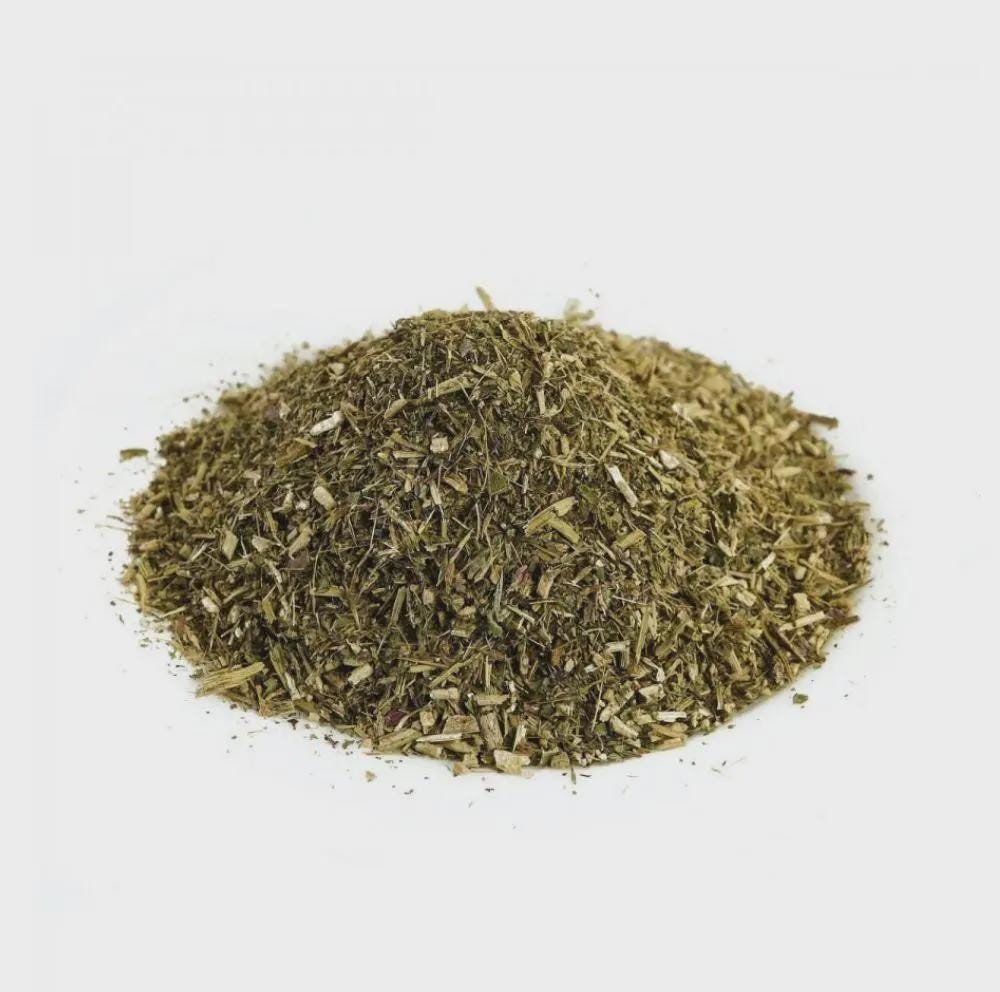
Consumers looking to incorporate Echinacea into their wellness routine will encounter a dizzying array of formats, including capsules, tinctures, teas, and standardized extracts. The choice of preparation can significantly impact the therapeutic outcome. Tinctures (alcohol-based extracts) are often favored by herbalists because alcohol is an efficient solvent for extracting the lipophilic alkylamides, which are responsible for the “tingling” sensation on the tongue—a hallmark of high-quality Echinacea. These alkylamides are crucial for the rapid modulation of the immune system.
Capsules and tablets offer convenience and a standardized dose of specific markers, such as 4% echinacoside or 3% chicoric acid. This standardization ensures consistency from bottle to bottle, which is vital for long-term health management. However, it is essential to look for “full-spectrum” extracts that retain the natural balance of the plant’s constituents rather than highly isolated single compounds. The use of both roots and aerial parts provides a broader range of polysaccharides and alkylamides, offering a more comprehensive therapeutic effect than using one part alone.

Usage, Dosage, and Safety Considerations
To maximize the benefits of Echinacea, timing and dosage are paramount. For acute immune support during the onset of an illness, high doses are typically recommended for a short period. A common protocol involves taking 300mg to 500mg of a standardized extract three times daily for the first 5 to 7 days of symptoms. For preventative use, some individuals choose a lower maintenance dose during the winter months, though many herbalists suggest a “pulsed” approach—taking the herb for two weeks followed by a one-week break—to prevent the immune system from becoming over-sensitized.
Safety is one of Echinacea’s strongest attributes. It is generally well-tolerated by most adults and children. However, because it belongs to the Asteraceae family, individuals with known allergies to ragweed, marigolds, or daisies should exercise caution, as allergic reactions (though rare) can occur. Furthermore, because of its immune-stimulating properties, those with systemic autoimmune diseases such as lupus or multiple sclerosis should consult with a healthcare provider before use, as theoretically, the herb could exacerbate their condition. There are no significant drug interactions reported for most people, but those on immunosuppressant medications should avoid it due to its antagonistic effects.

Conclusion: The Future of Echinacea in Integrative Medicine
As we move deeper into an era of personalized medicine and an increasing awareness of antibiotic resistance, botanicals like Echinacea are poised to play a vital role in public health. The complexity of its chemical makeup allows it to interact with the human body in a multi-faceted way that synthetic drugs rarely can. It doesn’t just target a single symptom; it reinforces the body’s innate biological architecture. Ongoing research into its potential for neuroprotection, anxiety relief (via its interaction with cannabinoid receptors), and even its role in supporting the gut microbiome continues to expand our understanding of this remarkable plant.
Whether used as a traditional tea for its soothing properties or as a high-potency standardized extract for clinical immune support, Echinacea remains a testament to the power of nature. By combining ancient indigenous wisdom with rigorous modern scientific inquiry, we can harness the full potential of the purple coneflower to build a more resilient and balanced state of health. As with any powerful therapeutic agent, quality, sourcing, and informed usage are the keys to unlocking the profound benefits of this botanical treasure.
Disclaimer: For informational purposes only. Not medical advice. Consult a qualified healthcare professional before use.