Unveiling the Golden Healer: An Exhaustive Deep Dive into the Health Benefits of Calendula
The vibrant, sun-kissed petals of Calendula officinalis, commonly known as the Pot Marigold, have adorned gardens and graced traditional medicine cabinets for centuries. Far more than just an ornamental flower, Calendula stands as a formidable botanical powerhouse, revered for its profound healing properties and diverse array of health benefits. This definitive guide aims to explore the multifaceted advantages of this golden herb, delving into its rich history, intricate chemical composition, and the scientific mechanisms behind its remarkable efficacy. From soothing skin ailments to bolstering internal health, Calendula continues to capture the attention of both traditional healers and modern researchers, cementing its status as a cornerstone of natural wellness.
Botanical Roots and a Storied Past: The Journey of Calendula
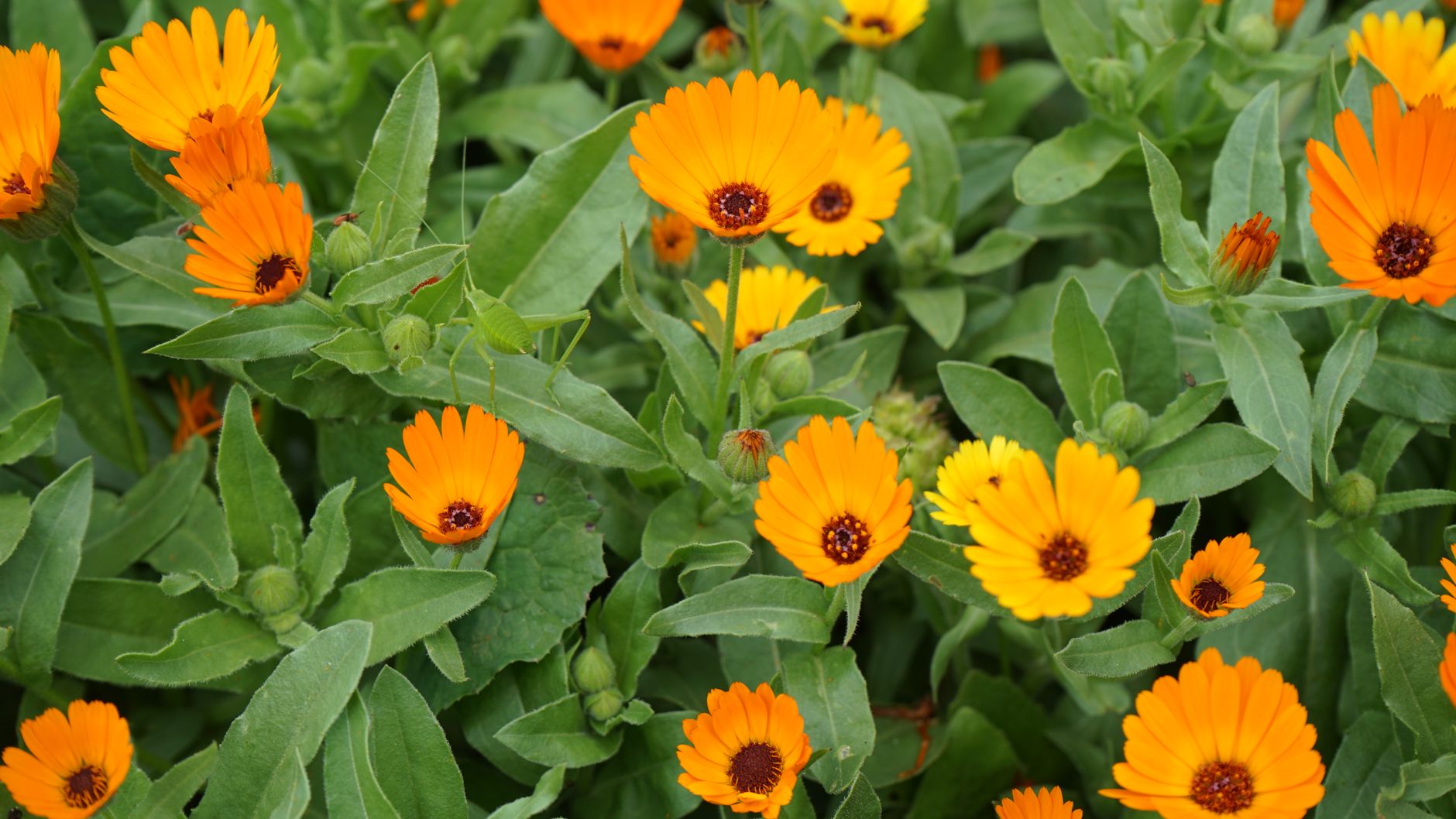
Calendula officinalis belongs to the Asteraceae (daisy) family, a vast and diverse group of flowering plants. Native to southern Europe and the Mediterranean region, its cheerful, bright orange or yellow flowers bloom profusely, often throughout the warmer months, earning it the name “Calendula” from the Latin “kalendae,” meaning “little calendar” or “first day of the month,” possibly referencing its prolonged blooming period. The plant itself is herbaceous, growing up to two feet tall, with aromatic leaves and distinct ray florets, which are the primary part used for medicinal preparations.

Historically, Calendula’s uses stretch back to ancient civilizations. The ancient Romans and Greeks utilized it not only for medicinal purposes but also as a culinary herb, a dye for fabrics and foods, and even in religious ceremonies. Its petals were strewn on altars, and it was associated with protection and prophecy. In Ayurvedic medicine, Calendula has been valued for its wound-healing and anti-inflammatory properties, while traditional Chinese medicine recognized its ability to clear heat and detoxify. Throughout the Middle Ages, it was a staple in European monasteries and apothecaries, employed for everything from smallpox to jaundice, and was famously documented by herbalists like Nicholas Culpeper. The enduring presence of Calendula in various healing traditions across continents underscores its broad spectrum of therapeutic applications and its esteemed position in the natural pharmacopeia.
The Golden Chemistry: Bioactive Compounds Driving Calendula’s Efficacy
The profound therapeutic effects of Calendula are not attributable to a single compound but rather to a complex interplay of diverse phytochemicals working in synergy. This rich biochemical profile is what grants Calendula its unparalleled versatility as a medicinal herb. Understanding these active constituents is key to appreciating the scientific basis of its health benefits.
Chief among these are **flavonoids**, powerful antioxidants that include quercetin, rutin, and isorhamnetin. These compounds are renowned for their anti-inflammatory, antiviral, and antioxidant activities, helping to protect cells from oxidative damage caused by free radicals. Flavonoids achieve their anti-inflammatory effects by inhibiting key enzymes in the inflammatory cascade, such as cyclooxygenase (COX) and lipoxygenase (LOX), thereby reducing the production of pro-inflammatory mediators like prostaglandins and leukotrienes.
Another critical group of compounds found in Calendula are **triterpene saponins and glycosides**, particularly derivatives of oleanolic acid. These triterpenoids are largely responsible for Calendula’s potent anti-inflammatory and wound-healing properties. They are believed to modulate cytokine production, stabilize lysosomal membranes, and inhibit histamine release, all of which contribute to reducing swelling and pain, and accelerating tissue repair. Specific triterpene esters, like faradiol monoester, have shown significant efficacy in reducing inflammation and promoting granulation tissue formation during wound healing.
**Carotenoids** are the pigments that give Calendula its characteristic orange and yellow hues. Lutein, zeaxanthin, and beta-carotene are prominent examples. These powerful antioxidants play a crucial role in protecting cells from oxidative stress and are precursors to Vitamin A, which is essential for healthy skin, vision, and immune function. In the context of skin healing, carotenoids can contribute to UV protection and support cellular regeneration.
Furthermore, Calendula contains **volatile oils**, which impart its distinctive aroma and contribute to its antimicrobial properties, helping to fend off bacterial and fungal pathogens. **Polysaccharides** are also present, which have been studied for their potential immunomodulatory effects, meaning they can influence and support the immune system’s response. Finally, various **phenolic acids**, such as caffeic acid and chlorogenic acid, add to the plant’s overall antioxidant and anti-inflammatory capacity. The harmonious interaction of these diverse bioactive compounds makes Calendula a remarkably effective and comprehensive natural therapeutic agent.
The Spectrum of Health Benefits: Why Calendula is a Golden Gift
The rich chemical composition of Calendula translates into an impressive array of health benefits, making it a valuable addition to both topical and internal wellness regimens.
1. Unrivaled Skin Healing and Dermatological Support
Calendula’s most celebrated application lies in its profound ability to heal and protect the skin. Its potent anti-inflammatory, antiseptic, and regenerative properties make it a go-to remedy for a wide range of dermatological concerns. The triterpenoids and flavonoids work synergistically to reduce inflammation, alleviating redness, swelling, and discomfort associated with irritated or damaged skin. This is particularly beneficial for conditions like eczema, dermatitis, and psoriasis, where chronic inflammation is a key factor.
Beyond inflammation, Calendula acts as a powerful wound healer. It stimulates the production of collagen, a vital protein for skin structure, and promotes re-epithelialization, the process by which new skin cells migrate to cover a wound. Furthermore, it encourages angiogenesis, the formation of new blood vessels, which is crucial for delivering nutrients and oxygen to damaged tissues, thereby accelerating the healing process. Its antiseptic qualities, attributed to volatile oils and flavonoids, help prevent infection in cuts, scrapes, minor burns, and insect bites, making it an excellent first-aid topical. For sensitive skin, Calendula is a gentle yet effective treatment for diaper rash, chapped lips, and general skin irritation, providing soothing relief and promoting rapid recovery. The presence of carotenoids also offers a degree of protection against environmental stressors, including UV radiation, aiding in overall skin resilience and repair.
2. Potent Anti-inflammatory Action
The anti-inflammatory prowess of Calendula extends beyond topical applications to systemic benefits. Internally, the triterpenoids, particularly faradiol monoester, and various flavonoids inhibit pro-inflammatory enzymes like COX-2 and 5-LOX, thereby reducing the synthesis of inflammatory mediators. This mechanism can be beneficial in managing internal inflammatory conditions such as gastritis, colitis, and irritable bowel syndrome (IBS), where soothing the inflamed mucous membranes of the digestive tract can significantly alleviate symptoms. By dampening the inflammatory response, Calendula helps to restore physiological balance and reduce tissue damage throughout the body.
3. Antioxidant Powerhouse
With its abundance of flavonoids, carotenoids, and phenolic acids, Calendula is a formidable antioxidant. These compounds actively scavenge free radicals, unstable molecules that cause oxidative stress and cellular damage, which are implicated in aging and the development of chronic diseases like cardiovascular disease, cancer, and neurodegenerative disorders. By neutralizing these harmful free radicals, Calendula helps protect cellular integrity, DNA, and proteins, thereby contributing to overall cellular health and longevity. This robust antioxidant capacity supports the body’s natural defense mechanisms against environmental pollutants and internal metabolic stressors.
4. Immune System Support
The polysaccharides found in Calendula extracts have demonstrated immunomodulatory effects. Research suggests they can activate macrophages, a type of white blood cell crucial for immune defense, enhancing their ability to engulf pathogens and cellular debris. This activation can lead to a more robust immune response, potentially aiding the body in fighting off infections and supporting overall immune function. While not a direct immune booster, its ability to modulate immune activity can contribute to a more balanced and effective immune system.
5. Oral Health Benefits
Calendula’s antimicrobial and anti-inflammatory properties make it an excellent natural remedy for maintaining oral health. Rinses or gargles prepared from Calendula tea can help soothe inflamed gums (gingivitis), reduce the pain of mouth sores and canker sores, and combat oral bacteria and fungi. Its gentle yet effective action can alleviate discomfort after dental procedures and promote healing within the oral cavity, making it a valuable adjunct to conventional dental care.
6. Digestive System Aid
The soothing and anti-inflammatory effects of Calendula extend to the digestive tract. When consumed as a tea or tincture, it can help calm an irritated stomach lining, making it beneficial for those suffering from mild gastric ulcers, dyspepsia, or inflammatory conditions of the gut. Its mild spasmolytic (anti-spasmodic) action can also help relieve cramping and discomfort associated with digestive upset, promoting overall gut comfort and function.
7. Antifungal and Antimicrobial Action
The multifaceted chemical composition of Calendula, particularly its triterpenoids, flavonoids, and volatile oils, imparts significant antifungal and antimicrobial properties. It has shown efficacy against various bacterial strains, including Staphylococcus aureus, and fungal pathogens like Candida albicans, a common cause of yeast infections. This makes Calendula a valuable natural agent for topical infections, such as athlete’s foot, ringworm, and vaginal yeast infections when used appropriately in external preparations. Its ability to inhibit microbial growth while simultaneously promoting tissue repair makes it particularly effective in preventing secondary infections in wounds.
Practical Applications and Forms of Calendula
Calendula’s versatility allows it to be used in various forms, catering to different needs and preferences.
Topical Preparations
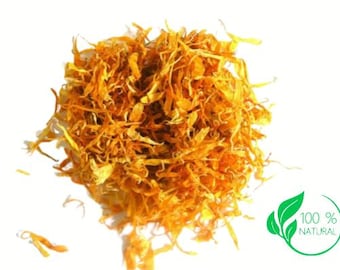
- Oils and Balms: Calendula-infused oil is perhaps the most popular topical application. Dried Calendula petals are steeped in a carrier oil (like olive, almond, or jojoba oil) for several weeks, allowing the beneficial compounds to leach into the oil. This infused oil can then be used directly on the skin or incorporated into salves, balms, creams, and lotions. These are ideal for cuts, scrapes, burns, rashes, dry skin, and inflammatory skin conditions.
- Compresses and Poultices: A strong Calendula tea can be used to soak cloths for warm or cool compresses, applied directly to wounds, bruises, or inflamed areas to reduce swelling and promote healing. A poultice can be made by crushing fresh or rehydrated dried petals and applying them directly.
- Sitz Baths: For postpartum care, hemorrhoids, or anal fissures, Calendula tea can be added to a sitz bath to provide soothing, anti-inflammatory, and healing benefits to sensitive perineal tissues.
Internal Use
- Teas/Infusions: A simple and effective way to consume Calendula internally is as a tea. Steep 1-2 teaspoons of dried Calendula petals in a cup of hot water for 10-15 minutes. This tea can be consumed 2-3 times daily for digestive support, immune modulation, or as a general tonic. It can also be used as a gargle for oral health issues.
- Tinctures: Calendula tinctures are alcohol-based extracts that offer a concentrated form of the herb. They are convenient for internal use, with dosages typically ranging from 1-5 ml (20-100 drops) up to three times a day, diluted in water. Tinctures are often preferred for systemic conditions or when a more potent internal effect is desired.
- Culinary Uses: Calendula petals are edible and can add a subtle peppery or slightly bitter flavor, along with a beautiful golden hue, to salads, soups, rice dishes, and baked goods. Historically, they were used as a less expensive saffron substitute. While not a primary medicinal delivery method, culinary use provides some level of beneficial compound intake.

Dosage, Safety, and Considerations
While Calendula is generally considered safe for most people, especially when applied topically or consumed in moderate amounts, it’s essential to be aware of potential considerations and recommended dosages.

**General Dosage Guidelines (always adjust based on product concentration and individual needs):**
* **Topical:** Apply Calendula cream, oil, or salve 2-3 times daily to affected areas.
* **Tea:** 1-2 teaspoons of dried flowers steeped in 1 cup hot water, 2-3 times daily.
* **Tincture:** 1-5 ml (20-100 drops) up to 3 times daily, diluted in water.
* **Capsules:** Follow product instructions, usually 300-500 mg extract, 1-3 times daily.
**Potential Side Effects:**
Calendula is well-tolerated, but some individuals, particularly those with allergies to plants in the Asteraceae/daisy family (e.g., ragweed, chamomile, chrysanthemums), may experience allergic reactions such as skin rashes or itching. It’s advisable to perform a patch test before extensive topical use.
**Contraindications and Interactions:**
* **Pregnancy and Breastfeeding:** While traditional use suggests some safety, there is insufficient scientific evidence to definitively confirm its safety during pregnancy and lactation. It’s generally recommended to avoid internal use or consult a healthcare provider. Some sources suggest Calendula may have emmenagogue (menstruation-promoting) effects, which could theoretically pose a risk during pregnancy, though this is not strongly substantiated by clinical data.
* **Sedatives:** Theoretically, Calendula might have mild sedative properties due to some of its compounds. Therefore, it’s advisable to use caution if taking other sedative medications, as it could potentially enhance their effects. However, this interaction is considered weak and not extensively studied.
* **Blood Thinners:** There is very limited anecdotal or theoretical concern that Calendula might interact with blood-thinning medications. While not strongly evidenced, it’s prudent to consult a doctor if you are on anticoagulants before starting Calendula internally, especially in large doses, due to its mild anti-inflammatory properties that can sometimes affect platelet aggregation.
* **Surgery:** Due to potential mild effects on bleeding or sedation, discontinue Calendula at least two weeks before any scheduled surgery.
Always consult with a qualified healthcare professional or an experienced herbalist before incorporating Calendula, especially internally, into your health regimen, particularly if you have underlying health conditions, are taking medications, or are pregnant or breastfeeding.
Conclusion: Calendula – A Time-Tested and Scientifically Validated Herbal Ally
Calendula officinalis, the humble Pot Marigold, stands as a testament to the enduring power and efficacy of botanical medicine. Its rich history of traditional use, spanning millennia and diverse cultures, is now increasingly supported by modern scientific research, which meticulously uncovers the mechanisms behind its profound healing properties. From its remarkable ability to accelerate wound healing and soothe irritated skin to its potent anti-inflammatory, antioxidant, and immunomodulatory effects, Calendula offers a comprehensive approach to natural wellness.
The synergy of its bioactive compounds – flavonoids, triterpenoids, carotenoids, and more – positions Calendula as a versatile and invaluable herbal ally. Whether integrated into topical balms for skin regeneration, consumed as a comforting tea for digestive health, or taken as a supplement for systemic support, this golden healer continues to prove its worth. As we increasingly turn towards holistic and natural solutions for health maintenance and disease prevention, Calendula officinalis shines brightly, reaffirming its status as a foundational herb in the ever-expanding landscape of natural medicine. Embracing Calendula is not merely adopting an herbal remedy; it is embracing a legacy of natural healing, guided by the wisdom of tradition and the insights of modern science.
Disclaimer: For informational purposes only. Not medical advice. Consult a qualified healthcare professional before use.