The Profound Health Benefits of Organic Oregano Herb: An Exhaustive Deep Dive into Nature’s Potent Healer
In the vast tapestry of medicinal herbs, few can boast the multifaceted healing prowess and aromatic allure of oregano. Specifically, Organic Oregano Herb stands out not just as a culinary staple that tantalizes taste buds, but as a powerhouse of health-promoting compounds. Revered for centuries across diverse cultures, this humble perennial plant, scientifically known as Origanum vulgare, offers a wealth of therapeutic benefits that are increasingly being validated by modern scientific research. This definitive guide aims to meticulously explore the extensive health benefits of organic oregano, dissecting its rich biochemical composition, tracing its historical significance, and providing practical insights into its various applications, ensuring a comprehensive understanding of why this herb deserves a prime spot in your wellness regimen.
A Journey Through Time: Historical Context and Etymology
The story of oregano begins millennia ago, entwined with ancient civilizations that recognized its aromatic qualities and medicinal value. Its very name, “oregano,” derives from the Greek words “oros” (mountain) and “ganos” (joy), translating beautifully to “joy of the mountain.” This poetic moniker speaks to its natural habitat in the Mediterranean highlands and the upliftment it brought to those who discovered its properties. Ancient Greeks, including Hippocrates, the father of medicine, used oregano for a variety of ailments, ranging from respiratory issues and indigestion to skin infections and wounds. They often brewed it as a tea for colds and sore throats, and applied poultices made from its leaves to soothe muscle aches. The Romans, who adopted much of Greek culture, also embraced oregano, using it widely in their cuisine and medicine, believing it brought good health and good fortune.
Across various cultures, oregano wasn’t just medicine; it held symbolic significance. In Greek mythology, it was said to have been created by the goddess Aphrodite as a symbol of joy and peace. Medieval Europe saw its continued use, particularly for preserving food, warding off evil spirits, and even as a strewing herb to freshen homes. This long and rich history underscores oregano’s enduring reputation as a versatile and valuable herb, a testament to its intrinsic power long before the advent of sophisticated laboratory analysis.
Botanical Overview and the Essence of Organic Cultivation
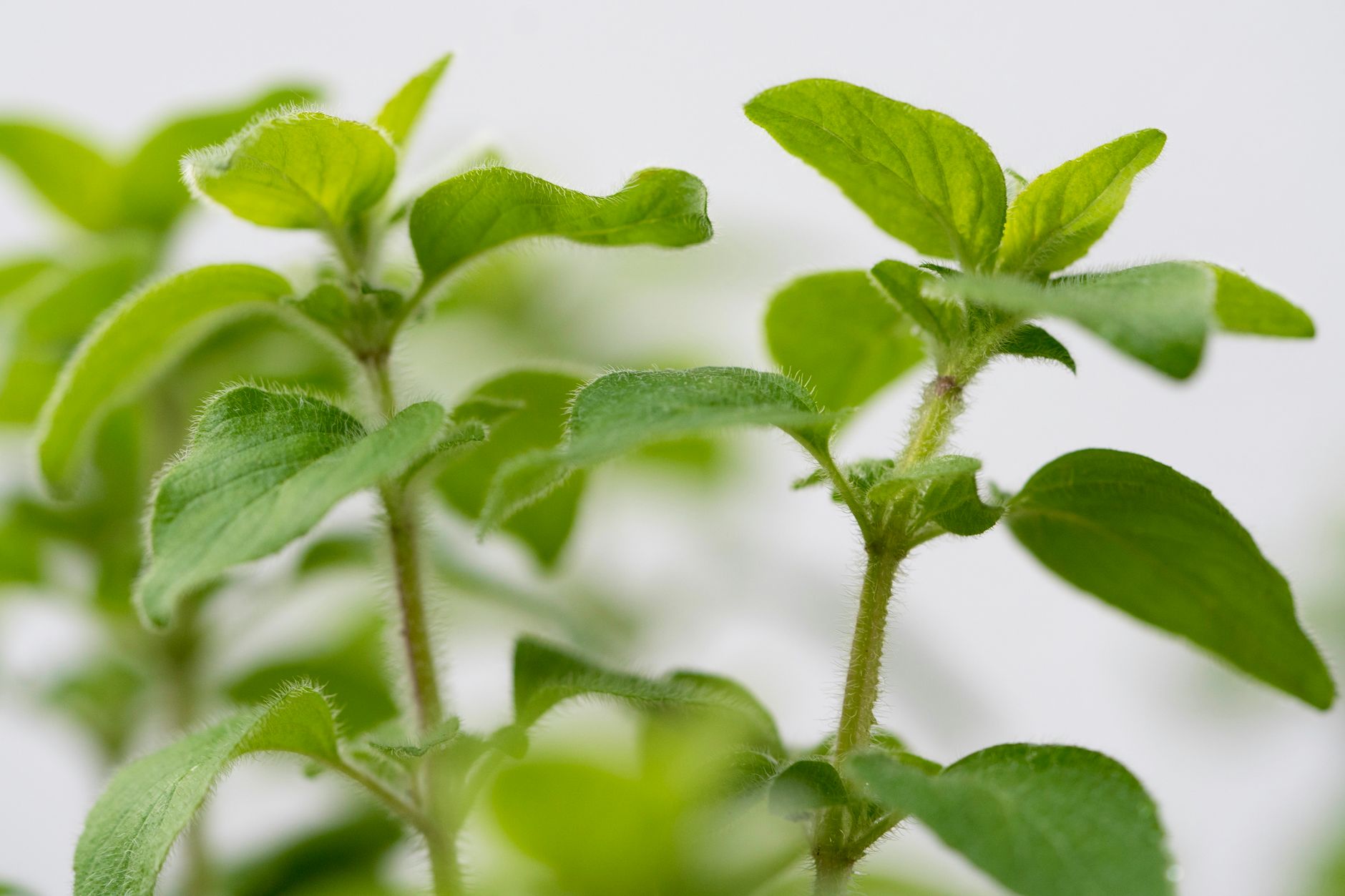
Origanum vulgare belongs to the mint family (Lamiaceae), a botanical group renowned for its aromatic members such as thyme, basil, and rosemary. This hardy perennial typically grows to about 1-3 feet tall, featuring small, oval, olive-green leaves and delicate purple or white flowers that bloom in summer. It thrives in warm climates and well-drained soil, often found growing wild on sunny, rocky hillsides, which contributes to its robust flavor and potency.

The “organic” distinction is crucial when discussing the health benefits of oregano. Organic cultivation practices ensure that the herb is grown without synthetic pesticides, herbicides, or fertilizers. This not only protects the environment but also guarantees that the plant’s delicate bioactive compounds are not contaminated by harmful chemical residues. When oregano is grown organically, it is allowed to develop its full spectrum of phytochemicals naturally, often resulting in a more potent and pure product. This purity translates directly into enhanced therapeutic efficacy and minimizes the risk of consuming undesirable toxins alongside beneficial compounds, making organic oregano herb the superior choice for medicinal and culinary applications.
The Bioactive Powerhouse: Key Compounds and Their Mechanisms
The extraordinary health benefits of oregano are primarily attributed to its complex synergy of potent bioactive compounds. While many elements contribute, certain constituents stand out for their profound therapeutic effects. Understanding these compounds is key to appreciating the herb’s healing potential.
Carvacrol and Thymol: The Dynamic Duo
These two phenolic monoterpenoids are the principal active compounds, particularly abundant in oregano essential oil. Carvacrol, often comprising 60-80% of the essential oil, is widely recognized for its potent antimicrobial, antifungal, and antioxidant properties. Its mechanism of action involves disrupting the bacterial cell membrane, increasing its permeability, and leading to the leakage of intracellular components, ultimately causing cell death. Similarly, thymol, while present in smaller quantities (typically 5-10%), complements carvacrol’s actions, demonstrating significant antimicrobial and antiseptic effects. Together, they create a formidable defense against a wide array of pathogens, working synergistically to enhance oregano’s therapeutic efficacy.
Rosmarinic Acid: A Potent Antioxidant
Beyond the essential oil components, oregano is rich in phenolic acids, with rosmarinic acid being particularly noteworthy. This powerful antioxidant, also found in rosemary and sage, exhibits exceptional free radical scavenging activity. It helps to neutralize harmful reactive oxygen species (ROS) in the body, thereby reducing oxidative stress, which is a key contributor to chronic diseases, inflammation, and cellular aging. Rosmarinic acid also possesses anti-inflammatory and antiviral properties, further broadening oregano’s therapeutic spectrum.
Terpenes and Flavonoids: Enhancing Bioactivity
Oregano also contains a diverse array of terpenes (like p-cymene, gamma-terpinene, and beta-caryophyllene) and flavonoids (such as luteolin, apigenin, and quercetin). Terpenes contribute to the herb’s characteristic aroma and also exhibit anti-inflammatory, analgesic, and antioxidant properties. Flavonoids, well-known plant pigments, are powerful antioxidants and also possess anti-inflammatory, anti-allergic, and immune-modulating effects. These compounds often work in concert with carvacrol, thymol, and rosmarinic acid, creating an “entourage effect” where the combined action of multiple compounds is greater than the sum of their individual effects.
Vitamins and Minerals: Nutritional Support
While primarily valued for its phytochemicals, organic oregano herb also provides a respectable amount of essential vitamins and minerals. It is a good source of Vitamin K, crucial for blood clotting and bone health, and a decent source of Vitamin A (beta-carotene), an antioxidant vital for vision and immune function. It also contains minerals such as iron, manganese, calcium, and dietary fiber, contributing to overall nutritional well-being and supporting various bodily functions.
Profound Health Benefits: A Detailed Exploration
The impressive array of bioactive compounds in organic oregano translates into a wide spectrum of health benefits, each backed by a growing body of scientific evidence.
1. Potent Antioxidant Properties: Combating Oxidative Stress
Oxidative stress, caused by an imbalance between free radicals and antioxidants in the body, is a primary driver of aging and numerous chronic diseases, including heart disease, cancer, and neurodegenerative disorders. Organic oregano is exceptionally rich in antioxidants, particularly carvacrol, thymol, and rosmarinic acid. These compounds effectively scavenge free radicals, neutralizing their damaging effects on cells and DNA. This protective action helps to preserve cellular integrity, reduce inflammation at the cellular level, and support overall cellular health, making oregano a powerful ally in the fight against age-related decline and disease.
2. Robust Antimicrobial and Antifungal Effects: Nature’s Antibiotic
Perhaps oregano’s most celebrated benefit is its remarkable ability to combat various pathogens. The synergistic action of carvacrol and thymol endows organic oregano with broad-spectrum antimicrobial properties, effective against bacteria, viruses, and fungi. Studies have shown its efficacy against common bacterial strains like Escherichia coli (E. coli), Staphylococcus aureus (Staph), Salmonella, and even antibiotic-resistant strains. It disrupts bacterial cell membranes, inhibits biofilm formation, and interferes with bacterial replication. Furthermore, its potent antifungal properties make it effective against yeasts like Candida albicans, which can cause oral thrush and other fungal infections. This natural antimicrobial capacity makes oregano a valuable alternative or complementary treatment in managing various infections.
3. Powerful Anti-inflammatory Actions: Soothing the System
Chronic inflammation is a root cause of many modern diseases, including arthritis, heart disease, diabetes, and certain cancers. Organic oregano possesses significant anti-inflammatory properties, primarily due to carvacrol, thymol, and rosmarinic acid. These compounds can modulate inflammatory pathways by inhibiting pro-inflammatory enzymes like COX-2 and lipoxygenase (LOX), and by reducing the production of inflammatory cytokines such as TNF-alpha and interleukins. This action helps to alleviate pain and swelling associated with inflammatory conditions, offering a natural approach to managing chronic inflammation and promoting systemic balance.
4. Digestive Health Support: Aiding Gut Harmony
Oregano has been traditionally used to support digestive health, and modern research validates these claims. Its antimicrobial properties can help balance the gut microbiome by reducing the proliferation of harmful bacteria and fungi, which can contribute to digestive discomfort, bloating, and leaky gut syndrome. Furthermore, carvacrol has been shown to have anti-spasmodic effects, which can help relax the smooth muscles of the digestive tract, easing cramps and promoting smoother digestion. The bitter compounds in oregano may also stimulate the production of digestive enzymes, further enhancing nutrient absorption.
5. Immune System Enhancement: Fortifying Defenses
A robust immune system is critical for fending off illness. Organic oregano, with its rich array of antioxidants, vitamins, and antimicrobial compounds, acts as a powerful immune booster. The antioxidants protect immune cells from oxidative damage, ensuring their optimal function. Its antiviral properties can help the body combat common colds and flu viruses, potentially shortening the duration and severity of illness. Regular consumption of oregano, particularly during cold and flu season, can help strengthen the body’s natural defenses and enhance its resilience against pathogens.
6. Respiratory Health Benefits: Clearer Breathing
For centuries, oregano has been a go-to remedy for respiratory ailments. Its expectorant and anti-inflammatory properties can help soothe irritated airways, reduce congestion, and facilitate easier breathing. When inhaled, the volatile compounds in oregano essential oil can help to loosen mucus and clear nasal passages and bronchial tubes, providing relief from symptoms of colds, coughs, bronchitis, and even asthma. Its antimicrobial action also helps to fight off respiratory infections.
7. Potential Anti-Cancer Properties: A Promising Frontier
Emerging research is exploring oregano’s potential in cancer prevention and treatment. Studies, primarily in vitro and in animal models, suggest that carvacrol and thymol can induce apoptosis (programmed cell death) in various cancer cell lines, including those of breast, prostate, colon, and lung cancer, while leaving healthy cells unharmed. These compounds also appear to inhibit tumor growth, suppress angiogenesis (the formation of new blood vessels that feed tumors), and interfere with metastasis (the spread of cancer cells). While more human clinical trials are needed, these findings highlight oregano’s significant promise as a chemopreventive agent and a complementary therapy in oncology.
8. Cardiovascular Health Implications: Supporting a Healthy Heart
The antioxidant and anti-inflammatory properties of organic oregano extend to cardiovascular health. By reducing oxidative stress and chronic inflammation, oregano can help protect blood vessels from damage, thereby reducing the risk of atherosclerosis, a major contributor to heart disease. Some research also suggests that certain compounds in oregano may help to modestly lower cholesterol levels and regulate blood pressure, further contributing to a healthy cardiovascular system. Its ability to improve circulation and reduce systemic inflammation indirectly supports overall heart function.
9. Skin and Hair Health Applications: Topical and Internal Benefits
Topically, diluted oregano essential oil or infusions can be used for various skin conditions due to its antimicrobial and anti-inflammatory properties. It may help in treating acne, fungal infections like athlete’s foot or ringworm, and soothing insect bites or minor cuts. Internally, the antioxidants in oregano contribute to healthy skin by protecting against environmental damage and promoting cellular regeneration. For hair, its antifungal properties can help combat dandruff and scalp infections, leading to a healthier scalp environment and potentially promoting hair growth when used as a rinse or in hair masks.
Forms of Organic Oregano and Practical Usage
Organic oregano herb offers incredible versatility in how it can be incorporated into daily life, whether for culinary delight or targeted therapeutic benefits.
Fresh vs. Dried Herb
Both fresh and dried organic oregano are excellent culinary herbs. Fresh oregano has a more delicate, vibrant flavor, perfect for finishing dishes, salads, and garnishes. Dried oregano, however, is often more potent in flavor and contains concentrated levels of its beneficial compounds due to the drying process. It’s a staple in Mediterranean and Mexican cuisines, ideal for sauces, marinades, stews, and seasoning meats. Cooking with dried organic oregano regularly is a simple way to continually introduce its health benefits into your diet.
Oregano Essential Oil
This is the most concentrated form of oregano and should be used with extreme caution due to its potency. Oregano essential oil is typically extracted through steam distillation and is incredibly rich in carvacrol and thymol. It is often used therapeutically for its potent antimicrobial and antifungal properties. When ingested, it must be heavily diluted in a carrier oil (like olive oil) or taken in capsule form, and only under the guidance of a healthcare professional. Topically, it must also be significantly diluted before applying to the skin to avoid irritation.
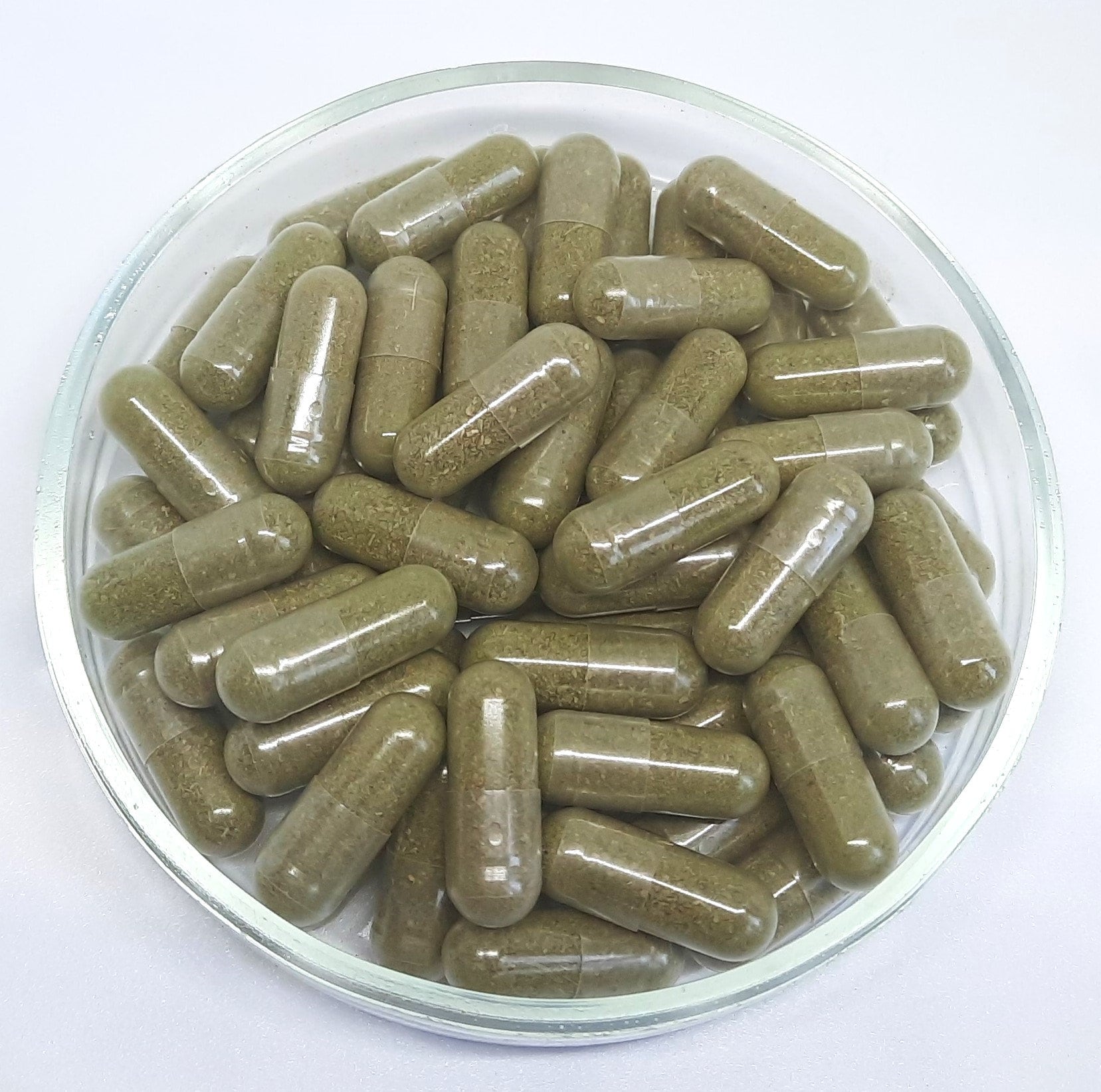
Oregano Capsules/Supplements
For consistent therapeutic dosing, particularly for specific health concerns, organic oregano extract capsules or oil of oregano softgels are a convenient option. These provide a standardized dose of the active compounds, often focusing on carvacrol content. This form is ideal for those who want to harness oregano’s benefits without the strong flavor or for targeted treatment of conditions like gut dysbiosis or chronic infections. Always opt for reputable brands that clearly state the organic certification and the concentration of active compounds.
Culinary Uses: Flavor and Function
Beyond its therapeutic applications, organic oregano is a cornerstone of global cuisine. Sprinkle it fresh over pizzas, pastas, and salads. Incorporate dried oregano into homemade sauces, chili, soups, and marinades for meats and vegetables. It pairs exceptionally well with tomatoes, garlic, and olive oil, creating dishes that are not only delicious but also infused with powerful health-promoting properties.
Topical Applications: External Healing
For external uses, an oregano-infused oil can be made by steeping dried organic oregano in a carrier oil (like jojoba or sweet almond oil) for several weeks. This infused oil can then be used for massage to soothe sore muscles, applied to the chest as a decongestant balm, or gently massaged into the scalp to address dandruff. For more acute issues like athlete’s foot, a highly diluted essential oil blend can be applied, always performing a patch test first to ensure no skin irritation.
Dosage and Safety Considerations: Prudent Use
While organic oregano herb is generally safe for most individuals, especially in culinary amounts, therapeutic dosages require careful consideration. For dried herb infusions (teas), a common recommendation is 1-2 teaspoons of dried oregano steeped in hot water for 5-10 minutes, consumed 2-3 times daily. For organic oregano essential oil or capsules, follow the manufacturer’s instructions diligently, as concentrations can vary significantly. It is crucial to remember that oregano essential oil is extremely potent and should never be consumed undiluted or in excessive amounts due to its potential to irritate mucous membranes.
Precautions and Contraindications:
- Pregnancy and Breastfeeding: Pregnant and breastfeeding women should avoid therapeutic doses of oregano essential oil due to its potential to stimulate uterine contractions and lack of sufficient safety data. Culinary use is generally considered safe.
- Bleeding Disorders: Oregano may slow blood clotting, so individuals with bleeding disorders or those taking anticoagulant medications (like warfarin) should use it with caution and consult their doctor.
- Allergies: Individuals with allergies to plants in the Lamiaceae family (mint, thyme, basil, sage) may experience an allergic reaction to oregano.
- Diabetes: Some research suggests oregano might lower blood sugar levels. Diabetics should monitor their blood sugar closely if using oregano therapeutically.
- Children: Oregano essential oil is generally not recommended for internal use in children. Consult a pediatrician for appropriate dosages and forms.
- Topical Use: Always dilute oregano essential oil with a carrier oil before applying to the skin to prevent irritation or burns. Perform a patch test first.
Always consult with a healthcare professional before starting any new herbal supplement regimen, especially if you have underlying health conditions or are taking other medications.
Choosing Quality Organic Oregano: What to Look For
To maximize the health benefits and ensure safety, selecting high-quality organic oregano is paramount. When purchasing dried herbs, look for products that are certified organic by a recognized authority. This certification guarantees that the herb has been grown and processed without synthetic pesticides, herbicides, or GMOs. For oregano essential oil or supplements, prioritize brands that offer transparency regarding their sourcing, extraction methods, and provide third-party testing for purity and potency (e.g., specifying carvacrol content). Avoid products with artificial additives, fillers, or undisclosed ingredients. A reputable supplier will often provide a certificate of analysis (COA) for their essential oils.
Conclusion: Embracing the Potency of Organic Oregano
Organic oregano herb is far more than a mere seasoning; it is a profound gift from nature, brimming with a diverse array of bioactive compounds that offer extensive health benefits. From its robust antioxidant and antimicrobial capabilities to its potent anti-inflammatory and immune-modulating effects, oregano stands as a testament to the healing power of the plant kingdom. Its rich history of traditional use, now fortified by modern scientific inquiry, solidifies its position as an invaluable component of a holistic wellness strategy. Whether incorporated into your culinary creations, brewed as a comforting tea, or utilized in its more concentrated supplemental forms, embracing the “joy of the mountain” can significantly contribute to enhancing overall health, fortifying your body’s natural defenses, and promoting a vibrant, balanced life. By choosing organic, you ensure purity and potency, truly harnessing the unadulterated strength of this extraordinary herb.
Disclaimer: For informational purposes only. Not medical advice. Consult a qualified healthcare professional before use.