The Definitive Guide to Primrose Herb: Unveiling Its Profound Health Benefits
In the vast tapestry of botanical remedies, certain plants emerge as true powerhouses, offering a wealth of therapeutic potential. Among these revered natural assets, the Primrose Herb, most notably Evening Primrose (Oenothera biennis), stands out for its remarkable array of health benefits. Historically cherished and scientifically validated, this unassuming plant has garnered significant attention for its profound impact on hormonal balance, skin health, inflammatory conditions, and overall well-being. This exhaustive guide delves deep into the essence of Primrose Herb, exploring its rich history, intricate chemical composition, diverse mechanisms of action, and practical applications, providing a definitive resource for those seeking to harness its natural potency.
Botanical Profile and Historical Roots of Primrose Herb
What is Primrose Herb? Exploring Oenothera Biennis
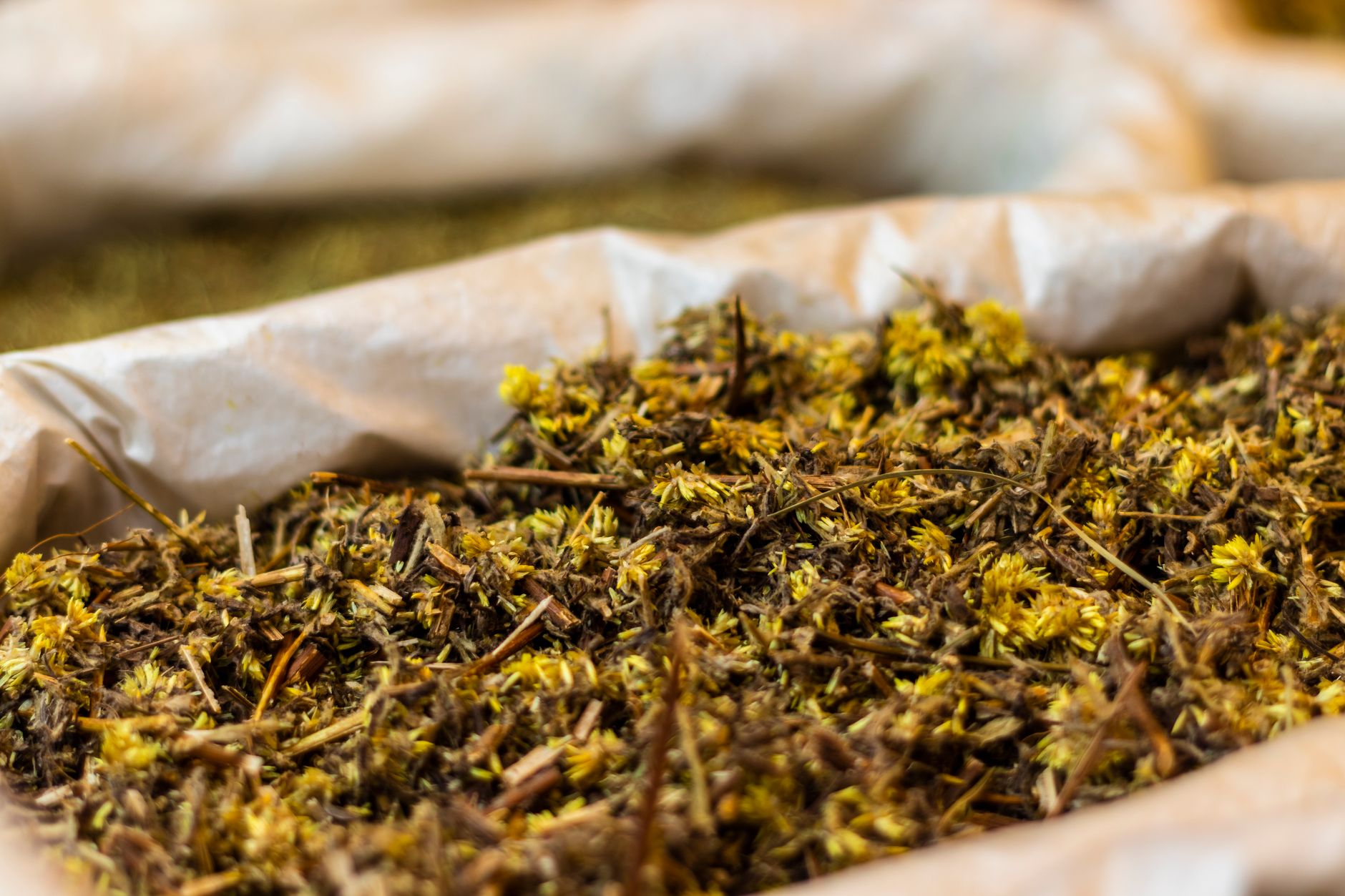
While the common garden primrose (Primula vulgaris) is well-known for its vibrant spring blooms, the “Primrose Herb” celebrated for its health benefits primarily refers to Evening Primrose (Oenothera biennis). This biennial plant, native to North America, belongs to the Onagraceae family. It is characterized by its tall, sturdy stalks, lance-shaped leaves, and distinctive pale yellow flowers that famously unfurl their petals in the evening, hence its evocative name. The seeds of the Evening Primrose plant are the true treasure, as they yield a rich oil packed with therapeutic compounds. This oil, often referred to as Evening Primrose Oil (EPO), is the most common and effective form in which the herb’s benefits are typically delivered. Unlike its ornamental cousin, Evening Primrose’s medicinal value lies predominantly in its unique fatty acid profile, which sets the stage for its widespread therapeutic applications.
A Journey Through Time: Historical and Traditional Uses
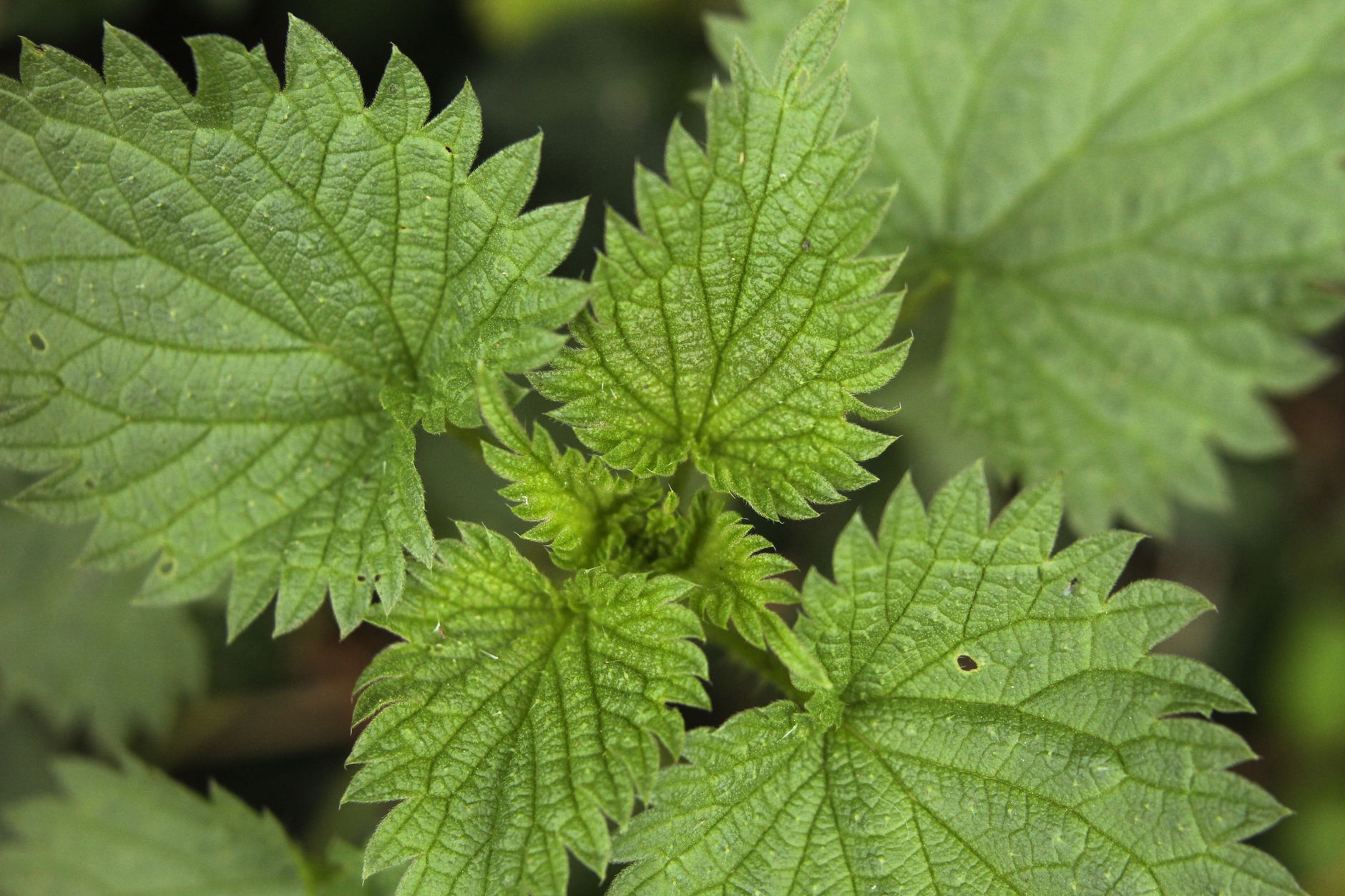
The use of Primrose Herb in traditional medicine spans centuries and continents, testifying to its enduring therapeutic appeal. Indigenous peoples of North America were among the first to recognize and extensively utilize Evening Primrose for a multitude of ailments. They employed various parts of the plant – the leaves, roots, and seeds – to address diverse health concerns. Crushed seeds were used to treat wounds and skin irritations, while poultices made from the leaves were applied to bruises and skin eruptions. Infusions from the roots were consumed to alleviate gastrointestinal issues, coughs, and even nervous conditions. Early European settlers quickly adopted these traditional practices, incorporating Evening Primrose into their own pharmacopoeia. By the 17th century, it had traveled across the Atlantic and gained popularity in Europe, where it was dubbed “King’s Cure-All,” a testament to its perceived broad-spectrum healing capabilities. Its traditional applications included pain relief, fever reduction, and remedies for various inflammatory conditions. This extensive history of use laid the groundwork for modern scientific inquiry into its mechanisms of action.
The Science Behind the Benefits: Bioactive Compounds
Key Phytochemicals: Unveiling the Therapeutic Power of Primrose Herb
The remarkable health benefits of Evening Primrose Herb are primarily attributable to its unique phytochemical composition, with the star player being Gamma-Linolenic Acid (GLA). GLA is an omega-6 essential fatty acid that is relatively rare in plant sources, making Evening Primrose Oil a particularly valuable dietary supplement. The oil typically contains 7-10% GLA, alongside other beneficial fatty acids such as linoleic acid (LA), oleic acid, palmitic acid, and stearic acid. While LA is also an omega-6 fatty acid, the body converts it into GLA, which is then further metabolized into dihomo-gamma-linolenic acid (DGLA). DGLA serves as a precursor to a class of powerful anti-inflammatory prostaglandins (PGE1 series) and leukotrienes, which are lipid compounds that regulate a wide array of physiological processes, including inflammation, blood clotting, and blood pressure. Unlike arachidonic acid (another omega-6 fatty acid) that can lead to pro-inflammatory prostaglandins (PGE2 series), GLA metabolism shifts the balance towards anti-inflammatory mediators. This unique metabolic pathway is central to understanding how Evening Primrose Herb exerts its profound therapeutic effects. Beyond GLA, Evening Primrose also contains other bioactive compounds, including various phenolic compounds, flavonoids, and triterpenes, which contribute to its antioxidant and potentially other synergistic properties, although GLA remains the most studied and therapeutically significant component.
Comprehensive Health Benefits of Primrose Herb
Hormonal Balance and Women’s Health
One of the most well-researched and celebrated benefits of Primrose Herb, particularly Evening Primrose Oil, lies in its ability to support women’s hormonal health. GLA’s role in synthesizing anti-inflammatory prostaglandins (PGE1) is crucial here. These prostaglandins help to mitigate symptoms associated with hormonal fluctuations. For conditions like Premenstrual Syndrome (PMS), EPO can significantly alleviate a range of symptoms including breast tenderness (mastalgia), bloating, mood swings, irritability, and menstrual cramps. The theory suggests that women experiencing PMS may have an altered fatty acid metabolism or an imbalance of prostaglandins, and GLA supplementation helps to correct this imbalance by promoting the production of beneficial prostaglandins that reduce inflammation and modulate hormonal responses. Similarly, for menopausal symptoms such as hot flashes and night sweats, EPO is thought to work by influencing prostaglandin synthesis, which in turn can help regulate thermoregulation and reduce the severity and frequency of these discomforting episodes. Its capacity to modulate these internal processes makes it an invaluable natural remedy for supporting female physiological comfort throughout different life stages.
Skin Health and Dermatology
Primrose Herb is a darling in the realm of dermatological health, especially due to its potent anti-inflammatory and barrier-enhancing properties. The GLA present in Evening Primrose Oil is instrumental in maintaining the structural integrity and function of the skin barrier. It helps to reduce transepidermal water loss, thereby improving skin hydration, elasticity, and overall texture. For individuals suffering from atopic dermatitis (eczema), a chronic inflammatory skin condition, EPO has shown considerable promise. Eczema sufferers often have a deficiency in delta-6-desaturase, an enzyme crucial for converting linoleic acid into GLA. Supplementing with GLA bypasses this metabolic bottleneck, providing the necessary precursor for anti-inflammatory compounds that soothe irritated skin, reduce redness, itching, and scaling. Furthermore, the anti-inflammatory effects of GLA can be beneficial in managing acne by reducing inflammatory lesions and promoting healthier skin cell turnover. Regular supplementation can contribute to a smoother, more resilient, and well-hydrated complexion, demonstrating its versatility in addressing both chronic skin conditions and general skin wellness.
Inflammation and Autoimmune Conditions
Beyond its specific benefits for skin and hormonal health, the overarching anti-inflammatory properties of Primrose Herb extend to a broader range of inflammatory and autoimmune conditions. The conversion of GLA to DGLA, and subsequently to the anti-inflammatory PGE1 series, plays a pivotal role in modulating the body’s inflammatory response. This makes EPO a potential adjunctive therapy for conditions like Rheumatoid Arthritis (RA). Studies have indicated that GLA supplementation can help reduce joint pain, stiffness, and swelling associated with RA, allowing for a reduction in reliance on non-steroidal anti-inflammatory drugs (NSAIDs) in some patients. While it may not cure the underlying autoimmune pathology, it significantly improves symptom management by downregulating the production of pro-inflammatory cytokines and shifting the prostaglandin balance. Its ability to modulate inflammation makes it a valuable consideration for anyone seeking natural ways to manage chronic inflammatory states.
Cardiovascular Health
The essential fatty acids in Primrose Herb may also offer subtle benefits for cardiovascular health. While not a primary treatment for heart disease, the anti-inflammatory effects of GLA can contribute to overall vascular well-being. Inflammation is a known contributor to the progression of atherosclerosis, and by reducing systemic inflammation, EPO may play a supportive role in maintaining arterial health. Some research suggests a potential for GLA to mildly lower blood pressure, especially in individuals with mild hypertension, though more robust studies are needed in this area. Furthermore, the antioxidant components within the herb can help protect cells from oxidative stress, another factor implicated in cardiovascular disease. By contributing to a healthier inflammatory profile and offering antioxidant support, Primrose Herb indirectly supports a resilient cardiovascular system.
Nervous System and Mood Regulation
The influence of Primrose Herb extends to the nervous system, particularly in the context of mood and nerve pain. The same mechanisms that alleviate PMS-related mood swings – the modulation of prostaglandins and their interaction with neurotransmitters – can contribute to a more balanced emotional state. For individuals experiencing nerve pain, such as diabetic neuropathy, some preliminary research has explored GLA’s potential to improve nerve function and reduce symptoms like tingling, numbness, and pain. This is hypothesized to occur through its role in maintaining nerve cell membrane integrity and reducing inflammation that can contribute to nerve damage. While more definitive studies are warranted, the anecdotal evidence and initial scientific explorations suggest a promising role for Primrose Herb in supporting nervous system health and emotional well-being.
Bone Health
Emerging research indicates that Primrose Herb might also play a supportive role in bone health. Essential fatty acids, including GLA, are believed to influence calcium absorption and deposition in bones. They may also help reduce bone loss by decreasing chronic inflammation, which can contribute to bone density reduction. While it is not a standalone treatment for osteoporosis, incorporating EPO into a comprehensive bone health strategy, especially when combined with calcium, magnesium, and vitamin D, could offer synergistic benefits, helping to maintain bone mineral density and reduce the risk of fractures over time. This area is still undergoing active investigation, but the preliminary findings are encouraging for those seeking holistic approaches to bone health.
Immune System Support
The immune system benefits from Primrose Herb primarily through its modulatory effects on inflammation. A balanced inflammatory response is crucial for optimal immune function. By helping to regulate the production of inflammatory mediators, GLA can support the immune system in responding appropriately to threats without overreacting. This immunomodulatory action means it can help dampen excessive immune responses often seen in autoimmune conditions, while still allowing the body to mount an effective defense against pathogens. This nuanced support for immune balance underscores its potential as a valuable addition to a proactive wellness regimen.
Practical Application and Usage Guidelines
Forms of Primrose Herb: From Oil to Capsules
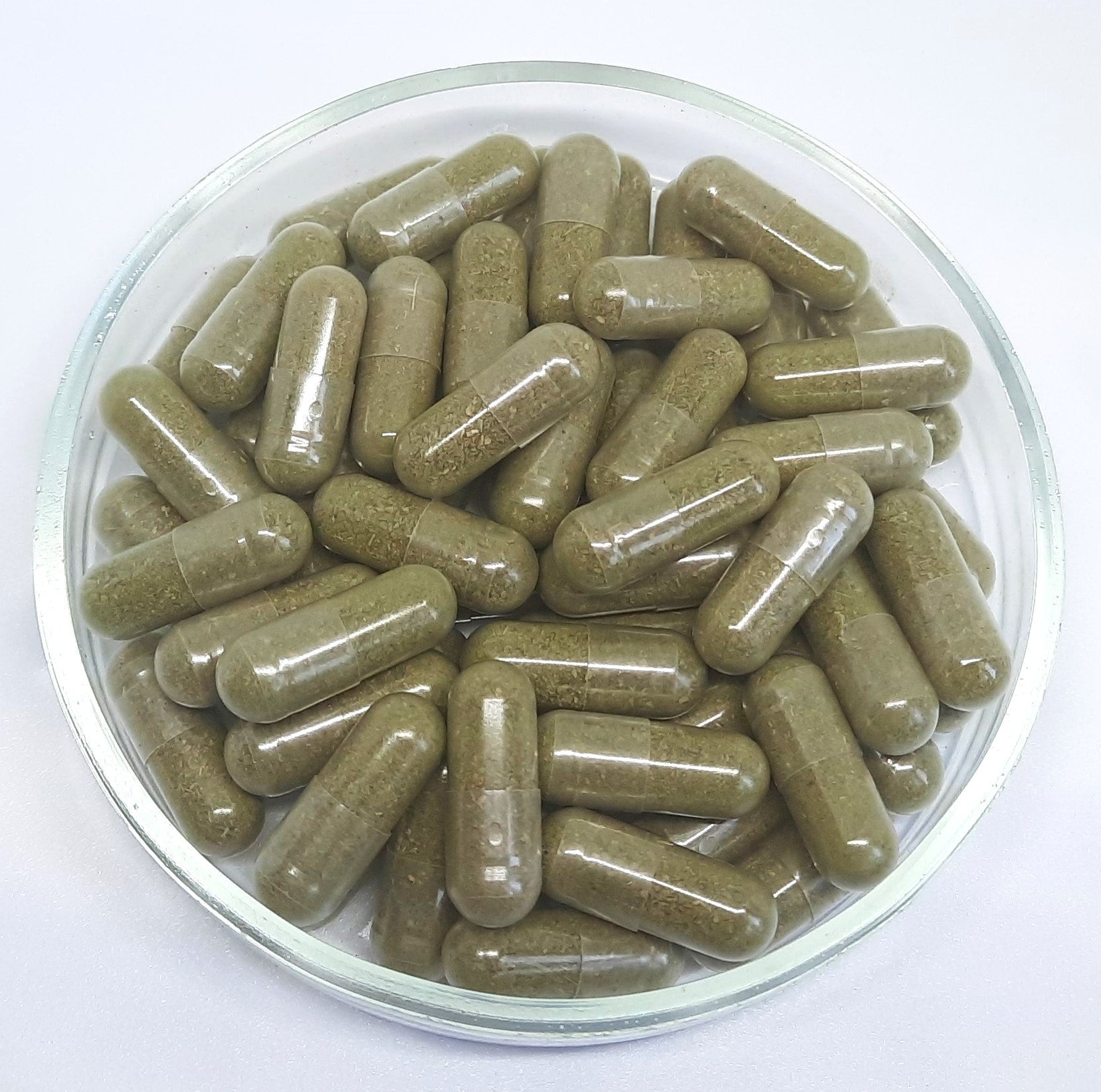
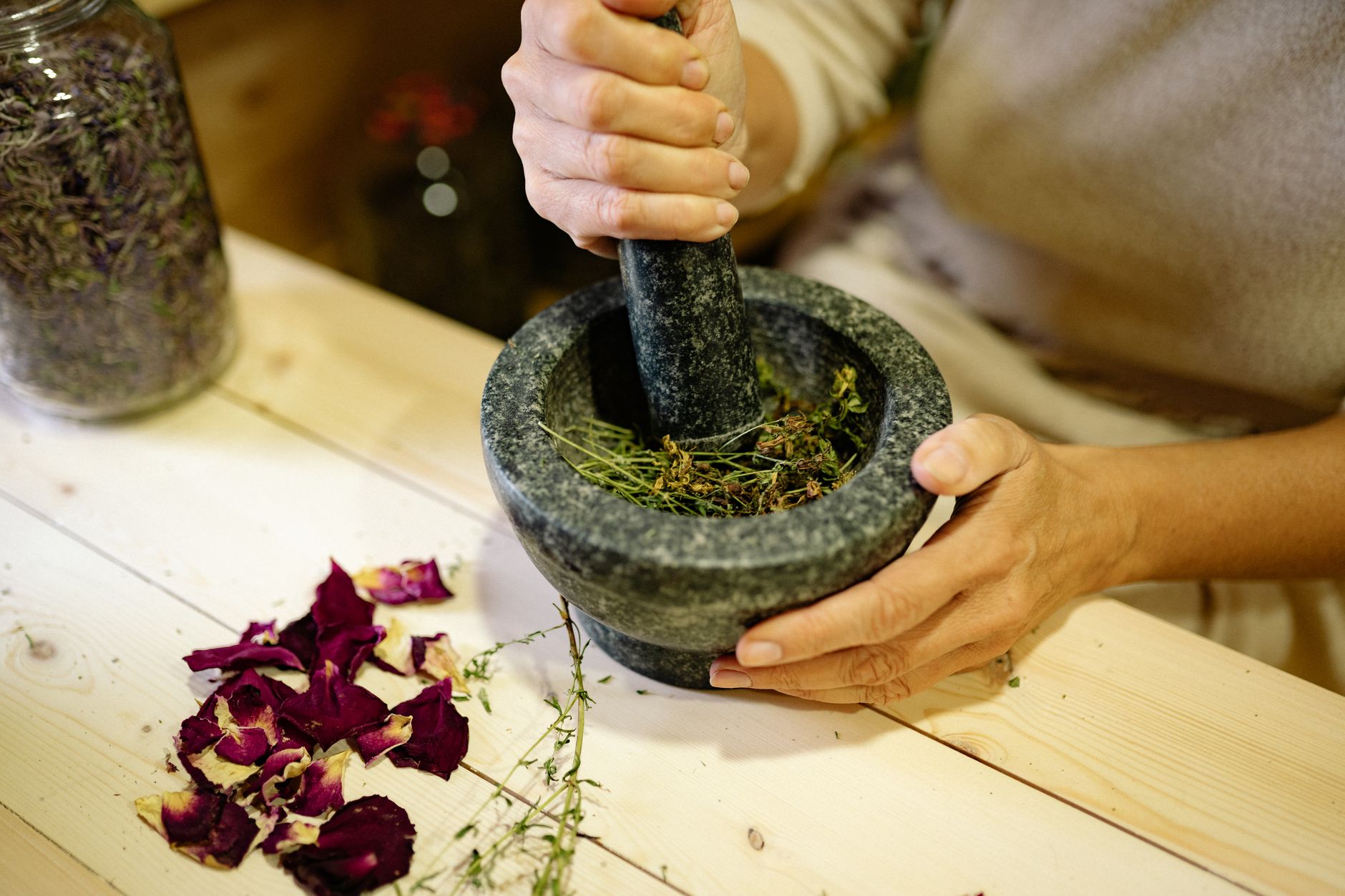
Primrose Herb, specifically Evening Primrose, is most commonly utilized in the form of its oil, which is extracted from the seeds. This oil is typically encapsulated into softgel supplements, offering a convenient and precise method of dosage. The capsules are widely available in health food stores and pharmacies, standardized to contain a specific amount of GLA. Beyond capsules, the pure oil can sometimes be found for topical application, which is particularly beneficial for localized skin conditions like eczema or dryness. While the dried leaves and roots of the Evening Primrose plant were historically used in teas and poultices, the therapeutic potency of modern preparations primarily resides in the oil-rich seeds, making supplements the most effective delivery method for systemic benefits.
Dosage Recommendations and Administration
The appropriate dosage of Primrose Herb (EPO) can vary depending on the specific condition being addressed, the concentration of GLA in the supplement, and individual factors. For general wellness and mild symptoms, a common dosage ranges from 500 mg to 2000 mg of EPO daily, often divided into two doses. For specific conditions like PMS or breast pain, dosages may range from 1000 mg to 3000 mg daily. For atopic dermatitis, some studies have used higher doses, up to 4000-6000 mg daily, under medical supervision. It is crucial to read the product label for the GLA content, as this is the active ingredient determining efficacy. Consistency is key when taking EPO, as its effects accumulate over time; visible benefits for chronic conditions may take several weeks to months to manifest. Always begin with a lower dose and gradually increase as needed, while closely monitoring your body’s response. Due to its interactions with the body’s complex biochemical pathways, consulting with a healthcare professional before starting any new supplement regimen is strongly recommended, especially for pregnant or breastfeeding individuals, those with pre-existing medical conditions, or those taking other medications.
Potential Side Effects and Precautions
While Primrose Herb is generally considered safe for most people, some individuals may experience mild side effects. These are typically gastrointestinal in nature and can include nausea, upset stomach, diarrhea, or soft stools. These symptoms often subside when the dosage is reduced or when the supplement is taken with food. Rare side effects might include headaches. Individuals with bleeding disorders or those taking anticoagulant medications (blood thinners) such as warfarin should exercise caution and consult their doctor, as EPO may theoretically increase the risk of bleeding due, in part, to its effects on prostaglandin synthesis. Similarly, individuals with epilepsy or those taking phenothiazines (medications for psychiatric conditions) should seek medical advice before using EPO, as there have been isolated reports of interactions that could potentially lower the seizure threshold. Pregnant and breastfeeding women should also consult their healthcare provider before using EPO to ensure it is safe for their specific circumstances, despite it generally being considered safe in pregnancy when used under supervision for certain conditions like cervical ripening (though this specific use is still debated and requires medical guidance).
Integrating Primrose Herb into a Holistic Wellness Plan
Integrating Primrose Herb into a broader holistic wellness plan can amplify its benefits and contribute to overall health. It works synergistically with a balanced diet rich in other essential fatty acids (like omega-3s from fish oil or flaxseed), fresh fruits, vegetables, and whole grains. Lifestyle factors such as regular exercise, adequate sleep, and stress management techniques (like meditation or yoga) can further enhance the body’s ability to respond to EPO’s therapeutic compounds. For skin health, pairing internal EPO supplementation with topical applications of natural, nourishing creams can yield superior results. When managing chronic conditions, Primrose Herb can complement conventional treatments, but it is vital to maintain open communication with your healthcare team to ensure a cohesive and safe approach to your health. By understanding its mechanisms and integrating it thoughtfully, Primrose Herb can become a valuable cornerstone of a comprehensive, natural health strategy.
Conclusion: Primrose Herb – A Natural Ally for Modern Wellness
The Primrose Herb, particularly Evening Primrose, stands as a testament to nature’s profound capacity to provide powerful therapeutic agents. From its ancient roots in traditional medicine to its modern-day scientific validation, its journey reflects a consistent narrative of healing and balance. The unique concentration of Gamma-Linolenic Acid (GLA) within its seeds unlocks a cascade of beneficial effects, offering significant support for hormonal harmony, vibrant skin, reduced inflammation, and general physiological well-being. As we navigate the complexities of contemporary health, Primrose Herb emerges as a natural ally, offering a gentle yet potent path towards improved quality of life, especially for women grappling with hormonal fluctuations and individuals seeking relief from inflammatory conditions. Its widespread availability and established safety profile, when used responsibly, make it an accessible and valuable addition to a discerning wellness seeker’s repertoire. As with all powerful botanical remedies, informed usage, adherence to recommended dosages, and consultation with healthcare professionals remain paramount to safely and effectively harness the full potential of this extraordinary plant.
Disclaimer: For informational purposes only. Not medical advice. Consult a qualified healthcare professional before use.