The Definitive Guide to Astragalus Leaf: Unearthing its Profound Health Benefits
In the vast tapestry of traditional herbal medicine, certain plants stand out for their profound and multifaceted therapeutic potential. Among these revered botanicals, Astragalus, particularly its leaf, emerges as a powerhouse of wellness, steeped in centuries of historical use and increasingly supported by modern scientific inquiry. Often lauded as a premier adaptogen, Astragalus Leaf offers a holistic approach to enhancing resilience, fortifying the immune system, and promoting overall vitality. This exhaustive guide delves deep into the intricate mechanisms, rich history, and compelling health benefits of Astragalus Leaf, providing a definitive resource for those seeking to understand and harness its remarkable properties.
From the ancient herbal pharmacopeias of Traditional Chinese Medicine (TCM) to contemporary scientific laboratories, Astragalus has garnered immense attention for its capacity to bolster various physiological systems. While the root (Radix Astragali) is the most extensively studied part of the plant, the leaf also contains a rich array of bioactive compounds that contribute to its therapeutic profile. This article will meticulously explore the specific advantages associated with Astragalus Leaf, guiding you through its botanical nuances, chemical composition, and practical applications for optimal health.
Botanical Origins and Historical Reverence of Astragalus
Astragalus, botanically known as Astragalus membranaceus (or Huang Qi in Chinese), is a perennial flowering plant belonging to the Leguminosae (pea) family. Native to the northern and eastern regions of China, Mongolia, and Korea, it thrives in sandy, well-drained soils, often growing in grassy plains and mountainsides. The plant typically reaches heights of 16 to 36 inches, characterized by its hairy stems, pinnate leaves composed of 12 to 18 leaflets, and small, yellow, pea-like flowers that bloom in summer. While the root is the more commercially prominent part, the leaves, too, have been historically valued in regional folk traditions for their milder, yet potent, properties.
The journey of Astragalus in traditional medicine spans over two millennia, with its earliest recorded use dating back to the Han Dynasty (206 BCE – 220 CE) in China. In TCM, Astragalus is classified as a fundamental herb, revered for its ability to tonify Qi (life force or vital energy), strengthen the Spleen and Lungs, elevate Yang Qi, and consolidate the Exterior, thereby preventing external pathogenic factors from entering the body. It was traditionally prescribed for conditions characterized by weakness, fatigue, susceptibility to illness, poor digestion, and spontaneous sweating. Ancient texts describe its role in enhancing protective energy, a concept akin to modern immunology, making it a cornerstone in preventing disease and promoting longevity. The leaves, often used in infusions or as a component in food preparations, were appreciated for their subtler energetic qualities and ease of preparation.

Unveiling the Bioactive Compounds in Astragalus Leaf
The profound health benefits of Astragalus Leaf are largely attributed to its intricate chemical composition, a symphony of bioactive compounds working synergistically. While the concentration and specific profile might vary slightly compared to the root, the leaves of Astragalus membranaceus are known to contain a rich assortment of polysaccharides, saponins, and flavonoids – the primary constituents responsible for its therapeutic actions. Understanding these compounds is key to appreciating the depth of Astragalus Leaf’s healing potential.
Astragalus Polysaccharides (APS)
These complex carbohydrate molecules are among the most well-researched components of Astragalus. APS are known for their profound immunomodulatory effects, acting as potent stimulators of various immune cells. They can enhance the proliferation and activity of T-lymphocytes, B-lymphocytes, and natural killer (NK) cells, crucial players in both adaptive and innate immunity. Furthermore, APS have been shown to stimulate macrophage activity, increasing their phagocytic capacity and cytokine production. Beyond immunity, these polysaccharides contribute significantly to Astragalus’s antioxidant and anti-inflammatory properties, helping to protect cells from damage and modulate the body’s inflammatory responses.
Astragalosides (Saponins)
Astragalosides are a group of triterpenoid saponins, with astragaloside IV being the most prominent and extensively studied. These compounds are largely responsible for Astragalus’s adaptogenic qualities, assisting the body in coping with various stressors, whether physical, emotional, or environmental. Astragalosides exhibit powerful anti-inflammatory effects by inhibiting the production of pro-inflammatory cytokines and enzymes. They also play a crucial role in cardiovascular health by supporting endothelial function, improving blood flow, and potentially lowering blood pressure. Emerging research also points to their neuroprotective properties and their ability to influence telomerase activity, a key enzyme involved in cellular aging.
Flavonoids
Astragalus Leaf is abundant in various flavonoids, including calycosin, formononetin, and ononin. These polyphenolic compounds are renowned for their potent antioxidant capabilities. Flavonoids scavenge free radicals, neutralize reactive oxygen species (ROS), and reduce oxidative stress, which is a major contributor to cellular damage and the development of chronic diseases. Beyond their antioxidant prowess, flavonoids also contribute to the herb’s anti-inflammatory, antiviral, and cardioprotective effects. They can help strengthen blood vessels, improve microcirculation, and exert a protective effect on various organ systems.

Comprehensive Health Benefits of Astragalus Leaf
The synergy of its bioactive compounds endows Astragalus Leaf with a remarkable spectrum of health benefits, addressing numerous facets of human physiology. These advantages range from enhancing immune defense to supporting cardiovascular integrity and even influencing the very processes of aging.
1. Potent Immunomodulatory Effects
One of the most celebrated attributes of Astragalus Leaf is its profound ability to modulate and strengthen the immune system. Unlike mere immune boosters that might overstimulate the system, Astragalus acts as an adaptogenic immunomodulator, helping to balance immune responses. Its polysaccharides (APS) are central to this action, promoting the proliferation and differentiation of various immune cells, including T-cells, B-cells, and natural killer (NK) cells. These cells are vital for identifying and eliminating pathogens (viruses, bacteria) and abnormal cells (like cancer cells). APS also enhance the activity of macrophages, which engulf foreign invaders, and stimulate the production of antibodies, thereby augmenting both cellular and humoral immunity. This makes Astragalus Leaf particularly beneficial for individuals prone to recurrent infections, seasonal allergies, or those experiencing chronic fatigue syndrome, where immune dysfunction often plays a role.
2. Powerful Anti-inflammatory Properties
Chronic inflammation is a silent instigator of numerous diseases, from cardiovascular issues to neurodegenerative disorders. Astragalus Leaf, through its saponins (astragalosides) and flavonoids, exerts significant anti-inflammatory effects. Astragalosides have been shown to inhibit the activation of NF-κB, a protein complex that controls the transcription of DNA, cytokine production, and cell survival, thereby reducing the synthesis of pro-inflammatory mediators such as TNF-α, IL-1β, and IL-6. This modulation of inflammatory pathways helps to alleviate systemic inflammation, potentially offering relief in conditions like arthritis, inflammatory bowel disease, and asthma. By calming excessive inflammatory responses, Astragalus Leaf contributes to cellular repair and tissue regeneration.
3. Exceptional Antioxidant Defense
Oxidative stress, resulting from an imbalance between free radicals and the body’s ability to detoxify them, contributes to cellular aging and disease. The flavonoids and polysaccharides in Astragalus Leaf are powerful antioxidants that effectively neutralize these damaging free radicals. They enhance the activity of endogenous antioxidant enzymes, such as superoxide dismutase (SOD), catalase (CAT), and glutathione peroxidase (GPx), which are crucial for cellular protection. By mitigating oxidative damage, Astragalus Leaf helps preserve cellular integrity, supports DNA repair mechanisms, and protects against age-related degeneration and chronic illnesses, including certain cancers and cardiovascular diseases.
4. Cardiovascular Health Support
Astragalus Leaf offers significant benefits for cardiovascular well-being. Astragalosides have been shown to improve endothelial function, the health of the inner lining of blood vessels, which is critical for regulating blood pressure and preventing plaque buildup. They can promote vasodilation by increasing nitric oxide production, leading to better blood flow and potentially lower blood pressure. Furthermore, Astragalus has demonstrated properties that help reduce lipid peroxidation, decrease LDL (bad) cholesterol levels, and inhibit platelet aggregation, thereby reducing the risk of atherosclerosis and thrombotic events. Its protective effects extend to the myocardium, helping to shield heart muscle cells from ischemic injury and supporting overall cardiac function.
5. Renoprotective Effects (Kidney Health)
For centuries, Astragalus has been used in TCM to support kidney function, and modern research continues to validate these claims. Its active compounds, particularly astragalosides and polysaccharides, exhibit renoprotective effects. They can reduce proteinuria (excess protein in urine), improve kidney function parameters (like creatinine and blood urea nitrogen), and mitigate renal fibrosis, a common complication in chronic kidney disease. These benefits are attributed to their anti-inflammatory, antioxidant, and immunomodulatory actions within the renal system, helping to preserve nephron integrity and slow the progression of kidney damage.
6. Blood Sugar Regulation
Emerging research suggests that Astragalus Leaf may play a supportive role in managing blood glucose levels, particularly in the context of insulin resistance and type 2 diabetes. Studies indicate that Astragalus polysaccharides can improve insulin sensitivity, enhance glucose uptake by cells, and protect pancreatic beta-cells from damage. By modulating glucose metabolism and reducing oxidative stress in the pancreas, Astragalus Leaf offers a natural adjunct for individuals seeking to maintain healthy blood sugar balance.
7. Adaptogenic and Anti-Fatigue Properties
As a classic adaptogen, Astragalus Leaf helps the body adapt to various forms of stress – physical, mental, and environmental – without over-stimulating or sedating. It enhances the body’s non-specific resistance to stress, restoring physiological balance (homeostasis). This adaptogenic quality contributes to its significant anti-fatigue effects, improving endurance and vitality. It helps optimize adrenal function and reduces the impact of stress hormones like cortisol, making it valuable for individuals experiencing chronic stress, burnout, or generalized weakness.
8. Potential Anti-Aging and Telomere Support
One of the more fascinating areas of research involves Astragalus Leaf’s potential role in anti-aging. Astragaloside IV has been studied for its ability to activate telomerase, an enzyme that maintains the length of telomeres. Telomeres are protective caps at the ends of chromosomes that shorten with each cell division, contributing to cellular aging and senescence. By potentially preserving telomere length, Astragalus Leaf may help extend cellular lifespan, offering a promising avenue for supporting healthy aging and longevity.
Forms of Astragalus Leaf and Practical Usage
Astragalus Leaf can be incorporated into one’s wellness regimen in several forms, each offering distinct advantages depending on individual preferences and therapeutic goals. While the root is more widely available in commercial preparations, the leaf can also be sourced from specialized herbal suppliers or cultivated in suitable climates.
Traditional Dried Herb Preparations
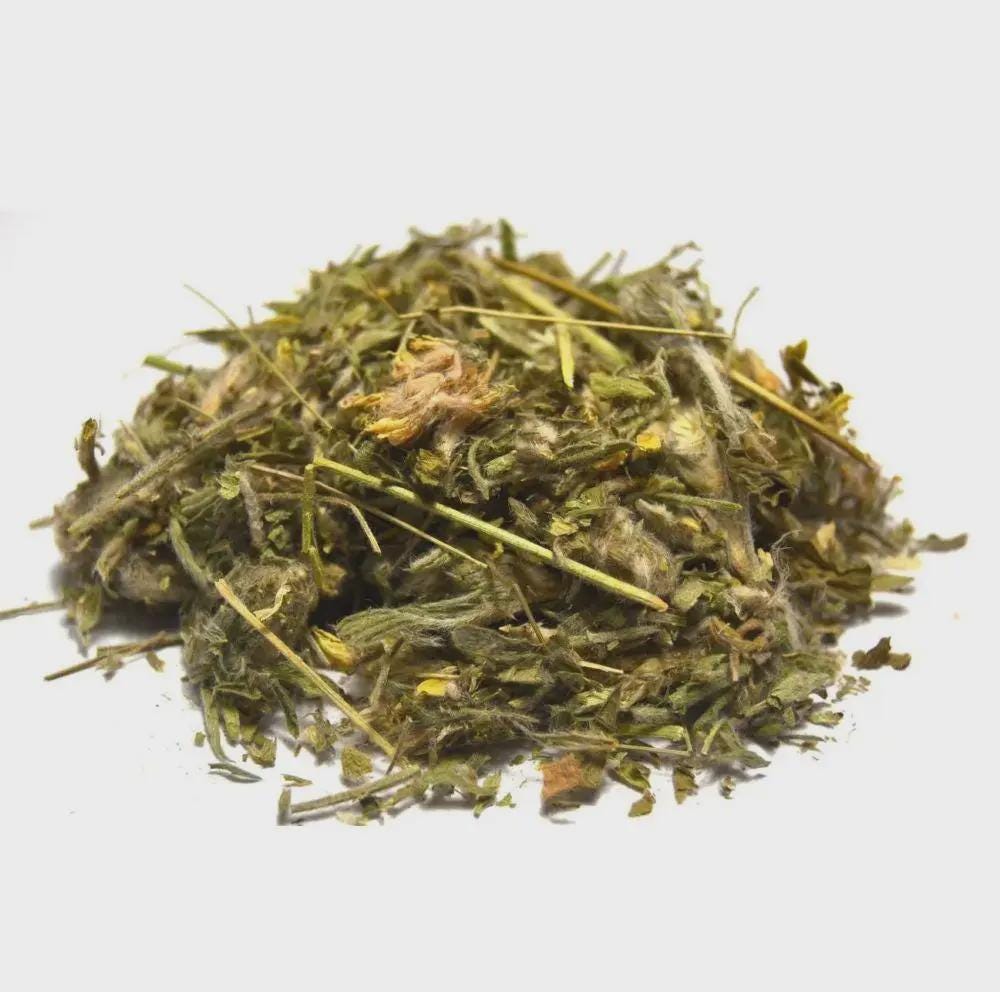
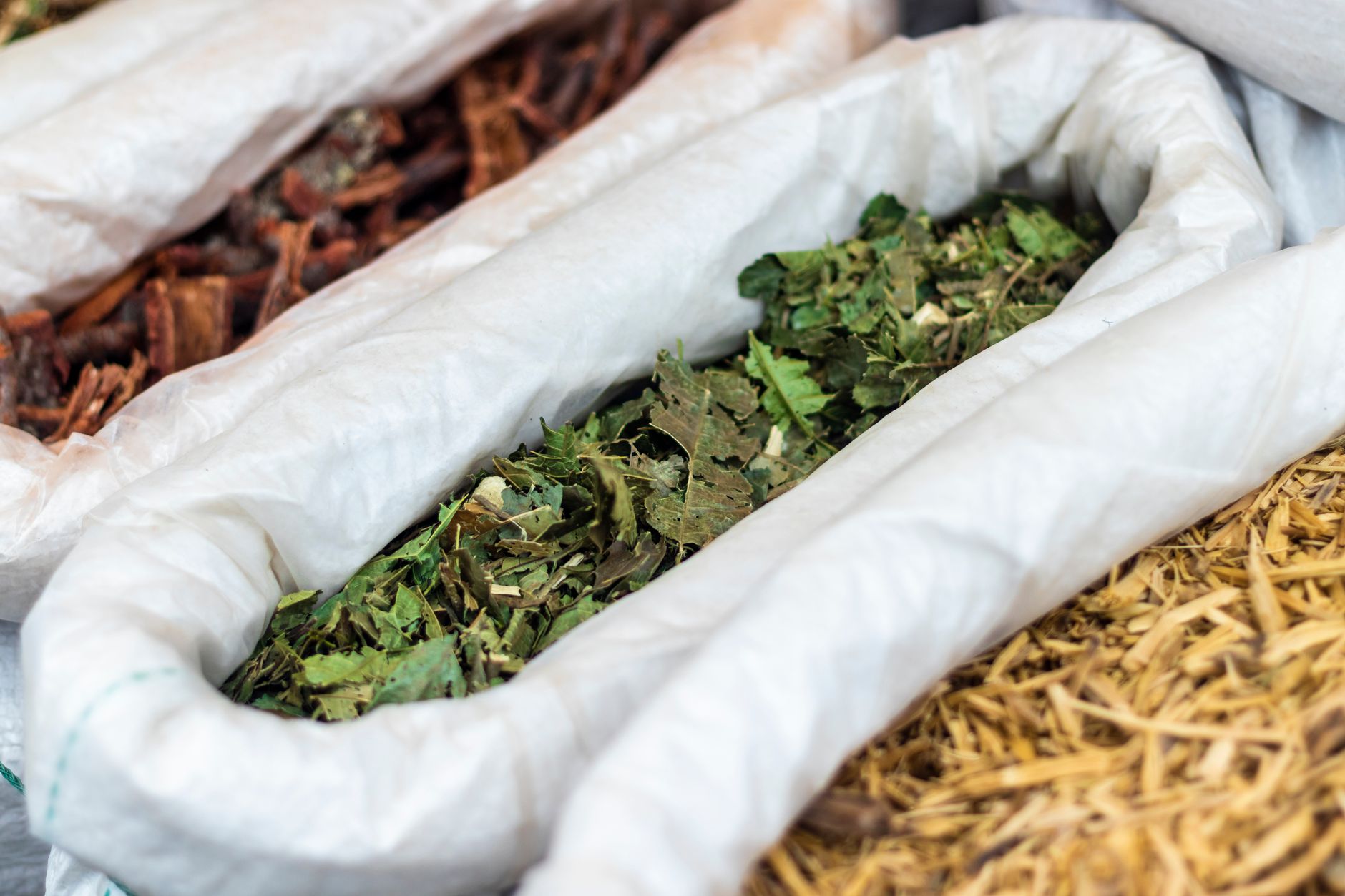
In traditional practices, the dried leaves of Astragalus are often used to make teas, decoctions, or added to soups and stews. This method allows for a gentle extraction of its water-soluble compounds, providing a mild yet consistent therapeutic effect. To prepare a simple tea, steep 1-2 teaspoons of dried Astragalus Leaf in hot water for 10-15 minutes. For a more concentrated decoction, simmer the leaves in water for 20-30 minutes. This form is ideal for daily, long-term use, integrating the herb into a mindful routine for general wellness and immune support.
Modern Supplements and Capsules
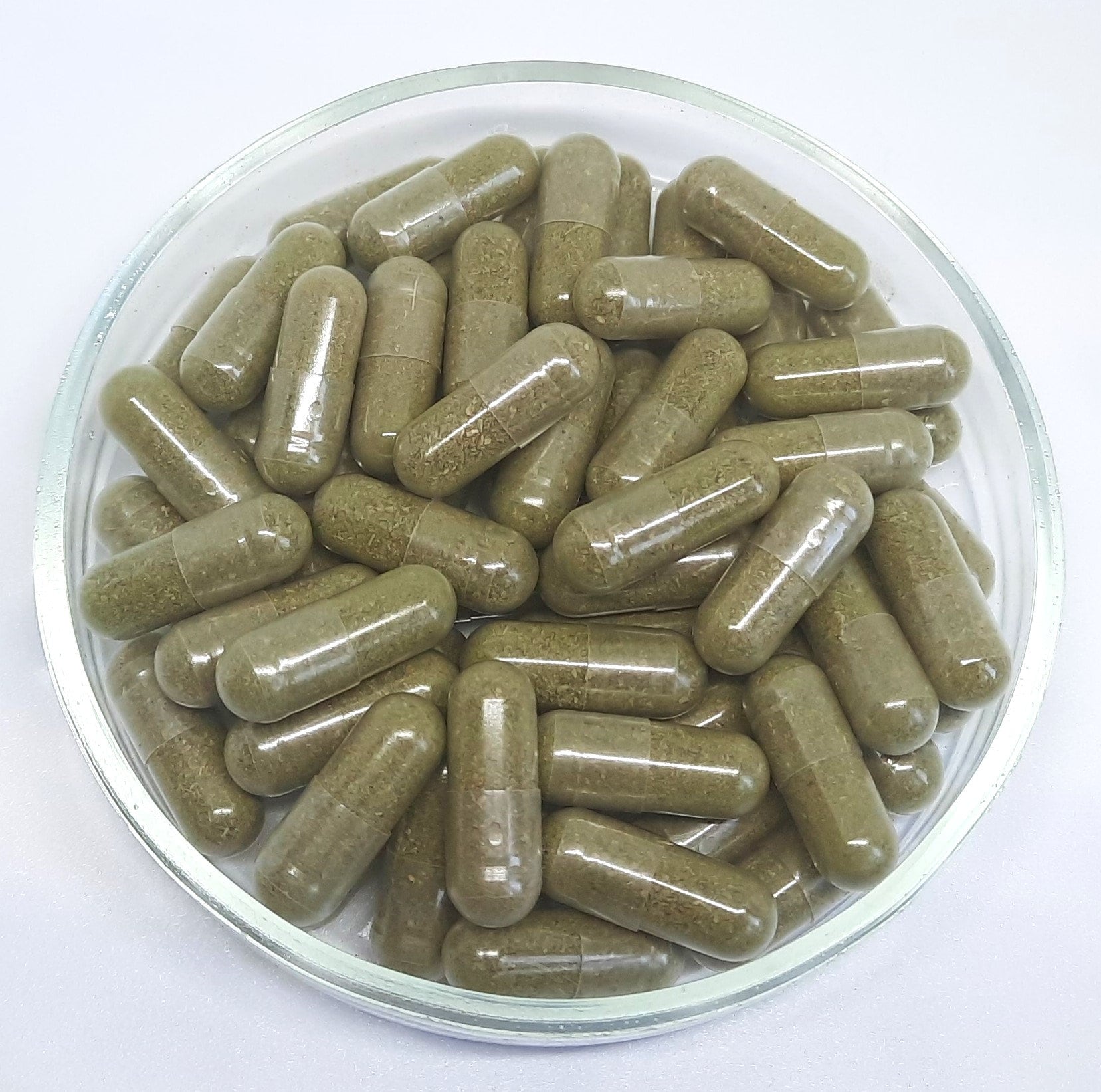
For convenience and standardized dosing, Astragalus Leaf is also available in capsule or tablet form. These supplements often contain powdered dried leaf or extracts standardized to specific levels of active compounds like polysaccharides or astragalosides. Standardized extracts ensure consistent potency and efficacy, which can be particularly important when targeting specific health concerns. Liquid tinctures, which are alcohol-based extractions, offer another convenient option, allowing for rapid absorption of the herb’s beneficial compounds.
Dosage, Safety, and Considerations
While Astragalus Leaf is generally considered safe for most individuals when used appropriately, it’s crucial to adhere to recommended dosages and consult with a healthcare professional, especially if you have underlying health conditions or are taking other medications.
General Dosage Guidelines
- Dried Leaf (for tea/decoction): Typically 3-9 grams per day, steeped or simmered.
- Powdered Leaf (capsules/tinctures): Dosages can vary widely based on the extract concentration. For general immune support, common dosages range from 500 mg to 2000 mg of standardized extract, taken 1-3 times daily. Always follow the product label’s instructions or a practitioner’s advice.
Potential Side Effects
Astragalus Leaf is well-tolerated, but some individuals may experience mild digestive upset, bloating, or diarrhea, especially with higher doses. Allergic reactions are rare but possible.
Contraindications and Interactions
- Autoimmune Diseases: Due to its immune-stimulating properties, individuals with autoimmune diseases (e.g., lupus, rheumatoid arthritis, multiple sclerosis) should exercise caution and consult their doctor. While some research suggests an immunomodulatory, rather than purely immune-stimulating, effect, individualized guidance is essential.
- Immunosuppressant Medications: Astragalus may interfere with immunosuppressant drugs used post-organ transplant or for autoimmune conditions, potentially reducing their efficacy.
- Anticoagulants: Theoretically, Astragalus may have mild antiplatelet effects, so caution is advised for those on blood-thinning medications.
- Pregnancy and Lactation: There is insufficient research on the safety of Astragalus Leaf during pregnancy and breastfeeding. It is generally recommended to avoid use during these periods.
- Acute Infections (with fever): In TCM, Astragalus is typically avoided during the acute phase of an infection with fever, as it is believed to “hold in” pathogens. It is best used for prevention or recovery.
Always prioritize quality when selecting Astragalus Leaf products. Opt for reputable brands that provide third-party testing for purity, potency, and absence of contaminants. This ensures you are receiving a high-quality product that aligns with its traditional efficacy.
Conclusion: Embracing the Wellness Power of Astragalus Leaf
Astragalus Leaf stands as a testament to nature’s profound healing capabilities, offering a wealth of health benefits rooted in both ancient wisdom and contemporary scientific understanding. Its complex array of polysaccharides, saponins, and flavonoids work in concert to deliver powerful immunomodulatory, anti-inflammatory, antioxidant, and adaptogenic effects. From fortifying the body’s defenses against illness and stress to supporting cardiovascular and kidney health, and even hinting at anti-aging potential, Astragalus Leaf truly embodies a holistic approach to wellness.
As you consider integrating this remarkable herb into your health regimen, remember the importance of personalized guidance. Consulting with a qualified healthcare professional or an experienced herbalist can help you determine the most appropriate form and dosage for your specific needs, ensuring a safe and effective journey toward enhanced vitality and resilience. By embracing the time-honored wisdom and evidence-backed benefits of Astragalus Leaf, you can empower your body’s natural capacity for health and longevity.
Disclaimer: For informational purposes only. Not medical advice. Consult a qualified healthcare professional before use.