The Ancient Wisdom of Knotgrass Herb: A Definitive Deep Dive into Its Profound Health Benefits
In the vast tapestry of botanical remedies, certain plants stand out for their enduring legacy and remarkable spectrum of therapeutic properties. Among these revered greens is Knotgrass Herb, scientifically known as Polygonum aviculare. Often overlooked in favor of more exotic superfoods, this common weed possesses an extraordinary profile of bioactive compounds that have been harnessed by traditional medicine systems for centuries. This exhaustive guide delves into the intricate health benefits of Knotgrass Herb, exploring its rich history, sophisticated phytochemistry, and diverse applications, cementing its status as a potent natural ally for holistic well-being.
Unveiling Knotgrass Herb: Botanical Identity and Ecological Footprint
Knotgrass (Polygonum aviculare) is a low-growing, annual plant belonging to the Polygonaceae family. Its common names are as diverse as its geographical spread, including birdweed, prostrate knotweed, wiregrass, and stonecrop, reflecting its tenacious nature and widespread presence. Characterized by its slender, wiry stems that often sprawl along the ground, small oval-to-lanceolate leaves, and tiny pinkish-white flowers clustered in the leaf axils, Knotgrass is a true survivor. It thrives in disturbed soils, meadows, roadsides, and cultivated fields across temperate regions of the Northern Hemisphere, from Europe and Asia to North America. Its ubiquity means it’s often dismissed as a mere weed, yet its unassuming appearance belies a powerful medicinal potential.
A Journey Through Time: Historical Use of Knotgrass Herb in Traditional Medicine
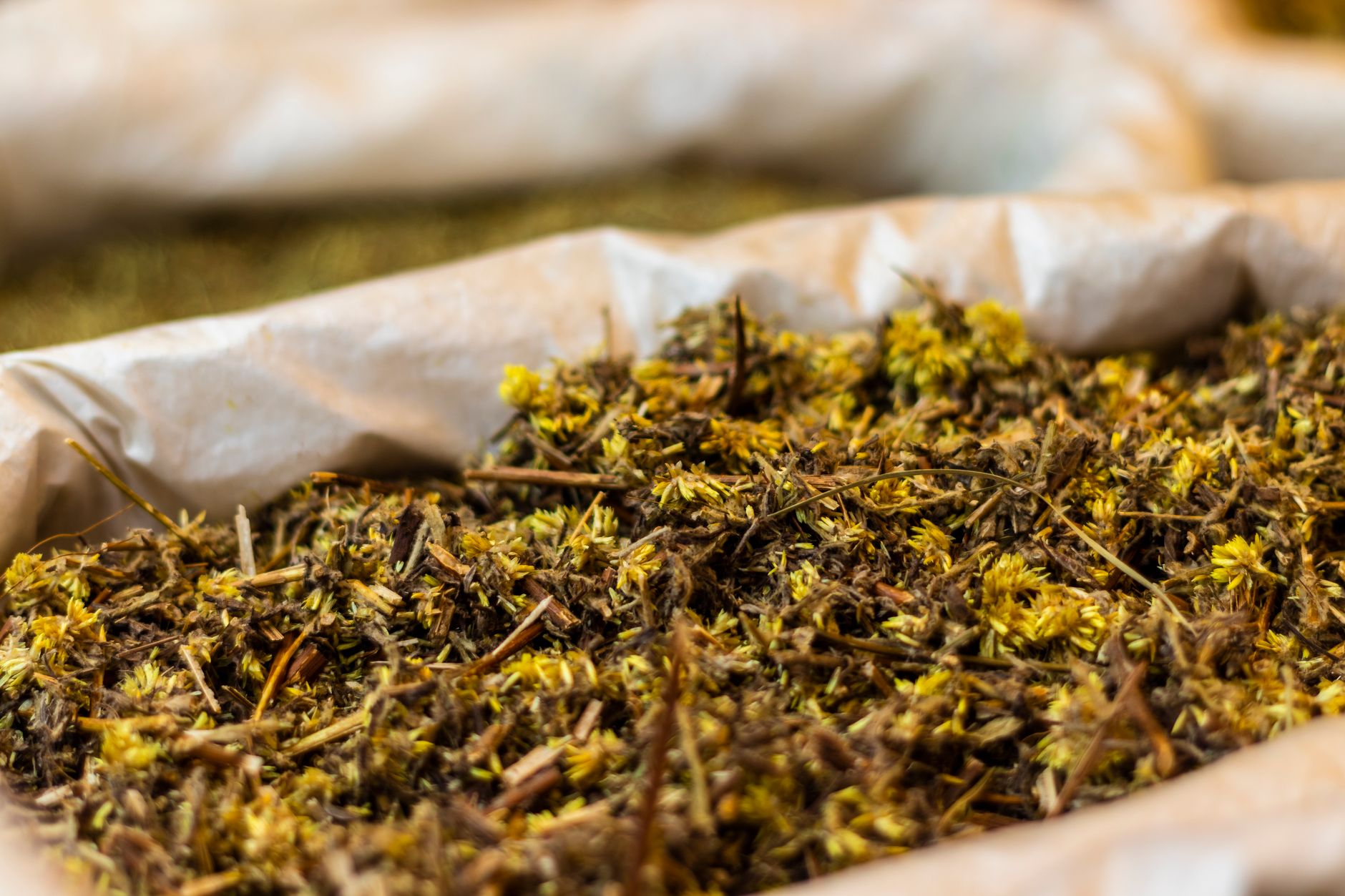
The therapeutic legacy of Knotgrass Herb is deeply etched into the annals of traditional medicine. Its earliest recorded uses trace back to ancient civilizations, where its readily available nature made it a staple in folk remedies. The ancient Greeks and Romans recognized its astringent and diuretic properties, employing it to address various ailments. Dioscorides, the renowned Greek physician, documented its use for gastrointestinal issues and bleeding. In medieval Europe, Knotgrass was a common ingredient in herbal concoctions designed to treat kidney stones, bladder infections, and respiratory complaints such as coughs and bronchitis. Its ability to staunch bleeding, both internally and externally, also made it a valuable herb for wound healing and managing menorrhagia.
Beyond the Western world, Knotgrass also found prominence in traditional Chinese medicine (TCM), where it is known as “Bian Xu.” Here, it has been used to clear heat, promote urination, and expel parasites. Its applications ranged from treating urinary tract infections and gallstones to dysentery and skin conditions. This global appreciation underscores Knotgrass’s consistent efficacy across different cultural and medical paradigms, reflecting a collective recognition of its potent healing capabilities derived from empirical observations over millennia.
Phytochemical Profile: Unveiling the Bioactive Arsenal of Knotgrass Herb
The remarkable health benefits of Knotgrass Herb are attributable to its rich and complex phytochemical composition. This plant is a veritable pharmacy of bioactive compounds, each contributing synergistically to its therapeutic effects. Understanding these constituents is key to appreciating its medicinal power:
- Flavonoids: Perhaps the most prominent class of compounds, flavonoids like quercetin, kaempferol, avicularin, and myricetin are abundant in Knotgrass. These potent antioxidants are responsible for much of the herb’s anti-inflammatory, antimicrobial, and free-radical scavenging activities. They play a crucial role in protecting cells from oxidative damage, supporting cardiovascular health, and modulating immune responses.
- Phenolic Acids: Compounds such as caffeic acid, chlorogenic acid, and gallic acid are strong antioxidants and contribute to the herb’s anti-inflammatory and hepatoprotective (liver-protective) effects. They work to neutralize harmful free radicals and reduce inflammation at a molecular level.
- Tannins: Knotgrass is rich in tannins, which are responsible for its notable astringent properties. Tannins bind to proteins, forming a protective layer that helps to reduce inflammation, stop bleeding, and tighten tissues. This makes Knotgrass effective for diarrhea, superficial wounds, and mucous membrane inflammation.
- Coumarins: While present in smaller amounts, coumarins contribute to the herb’s anti-inflammatory and potential anticoagulant (blood-thinning) effects, though this requires careful consideration in medicinal applications.
- Volatile Oils: Although not a primary component, trace amounts of volatile oils contribute to its aroma and may possess mild antiseptic properties.
- Mucilage: The presence of mucilage gives Knotgrass a soothing quality, particularly beneficial for irritated mucous membranes in the digestive and respiratory tracts. It can help to coat and protect inflamed tissues, offering relief from irritation.
- Silica: A significant component, silica (silicic acid) is crucial for the structural integrity of connective tissues, bones, skin, hair, and nails. Its presence in Knotgrass contributes to its traditional use for tissue repair and strengthening, as well as its diuretic properties by irritating the kidney tubules and increasing urine flow.
Comprehensive Health Benefits of Knotgrass Herb: A Deep Dive
The synergistic action of these phytochemicals bestows upon Knotgrass Herb a wide array of therapeutic properties, addressing numerous health concerns:
1. Potent Diuretic and Urinary Tract Support
One of the most celebrated attributes of Knotgrass is its powerful diuretic action. The combination of flavonoids, phenolic acids, and especially silica contributes to this effect. Silica acts as an irritant to the kidney tubules, gently stimulating increased urine production and flow. This increased diuresis aids in flushing out waste products, toxins, and potential pathogenic microorganisms from the urinary system. It is particularly beneficial in preventing the formation of kidney stones (nephrolithiasis) and assisting in their expulsion by increasing the volume of urine and potentially dissolving certain types of stones. Furthermore, its antiseptic and anti-inflammatory properties help soothe the irritated lining of the bladder and urethra, making it a valuable remedy for urinary tract infections (UTIs) and cystitis, reducing discomfort and promoting faster recovery.
2. Respiratory System Enhancement and Expectorant Action
Knotgrass Herb offers significant support for the respiratory system, particularly in cases of coughs, bronchitis, and mild asthma. Its expectorant properties help to loosen and expel phlegm and mucus from the airways, easing congestion and making breathing more comfortable. The anti-inflammatory compounds, notably flavonoids, reduce inflammation in the bronchial tubes, which can alleviate symptoms associated with inflammatory respiratory conditions. The soothing mucilage content can also coat irritated throat and bronchial passages, providing relief from persistent coughing and irritation. Traditionally, it has been used to address whooping cough and chronic respiratory ailments, underscoring its efficacy in promoting clearer airways.
3. Gastrointestinal Health and Digestive Aid
The astringent nature of Knotgrass, primarily due to its high tannin content, makes it an effective remedy for various gastrointestinal disturbances. Tannins work by contracting and toning the mucous membranes of the digestive tract, which helps to reduce fluid secretion and inflammation. This action is particularly beneficial in managing acute and chronic diarrhea, dysentery, and irritable bowel syndrome (IBS) symptoms characterized by loose stools. Furthermore, its anti-inflammatory properties can help soothe the inflamed lining of the stomach and intestines, potentially offering relief from symptoms of gastritis and peptic ulcers. The presence of mucilage also contributes to its soothing effect, protecting the gastrointestinal lining from further irritation.
4. Anti-inflammatory and Antioxidant Powerhouse
Chronic inflammation and oxidative stress are root causes of numerous modern diseases, including cardiovascular disease, diabetes, and neurodegenerative disorders. Knotgrass Herb, with its abundant flavonoids and phenolic acids, acts as a potent anti-inflammatory and antioxidant agent. These compounds effectively scavenge free radicals, neutralizing their damaging effects on cells and tissues. They also modulate inflammatory pathways, inhibiting the production of pro-inflammatory mediators such (e.g., COX-2 enzymes). This dual action helps to mitigate systemic inflammation and protect cellular integrity, potentially reducing the risk of chronic diseases and supporting overall cellular health and longevity.
5. Skin Health, Wound Healing, and Dermatological Support
Applied topically, Knotgrass Herb demonstrates remarkable benefits for skin health and wound healing. Its astringent properties, derived from tannins, help to tighten skin tissues, reduce swelling, and stop minor bleeding from cuts and abrasions. The antimicrobial components present in the herb can help prevent infection in open wounds, while its anti-inflammatory action reduces redness and irritation. The high silica content promotes the formation of new, healthy connective tissue, accelerating the healing process of minor burns, insect bites, and various skin irritations like eczema, dermatitis, and rashes. Its ability to support tissue repair makes it a valuable ingredient in natural skincare and first-aid remedies.
6. Liver Detoxification and Hepatoprotective Effects
Emerging research suggests that Knotgrass Herb may play a role in supporting liver health and detoxification processes. The phenolic compounds and flavonoids exhibit hepatoprotective effects, helping to shield liver cells from damage caused by toxins, environmental pollutants, and oxidative stress. By supporting the liver’s natural detoxification pathways, Knotgrass can aid in the elimination of harmful substances from the body, optimizing overall metabolic function and contributing to improved vitality. This aspect positions it as a valuable addition to gentle detox protocols.
7. Potential Blood Sugar Regulation
While more research is needed, some traditional uses and preliminary studies indicate that Knotgrass Herb might possess properties beneficial for blood sugar management. Certain compounds within the herb may influence glucose metabolism, potentially assisting in maintaining healthy blood sugar levels. This area of research is promising and could open new avenues for its application in metabolic health support, though it should not replace conventional treatments for diabetes.
Practical Applications and Forms of Knotgrass Herb
Knotgrass Herb can be incorporated into a wellness regimen through several practical forms, each offering distinct advantages:
Herbal Tea/Infusion
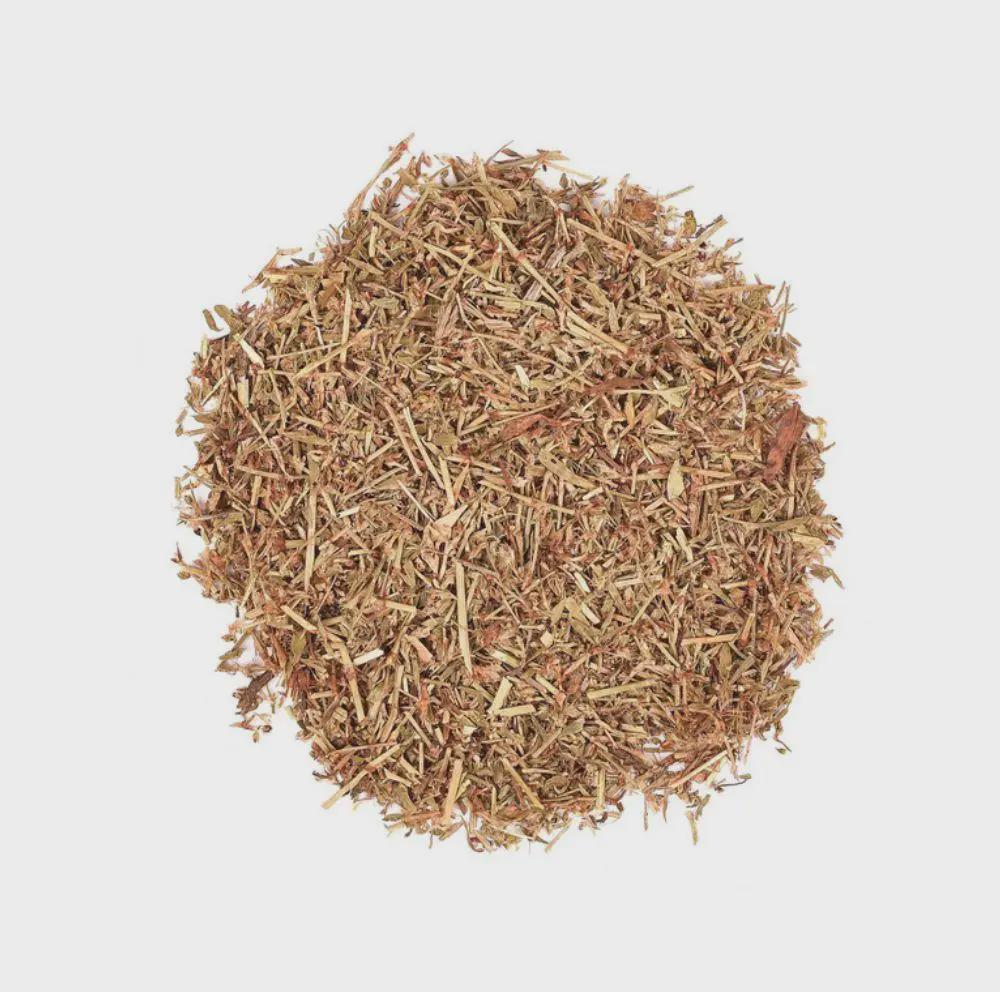
This is arguably the most common and accessible way to consume Knotgrass. Dried aerial parts of the herb are steeped in hot water to create a decoction or infusion. The tea is pleasant and offers a gentle yet effective way to deliver its diuretic, anti-inflammatory, and respiratory benefits. It’s particularly soothing for digestive and respiratory irritations.
Tinctures
A more concentrated form, tinctures are alcoholic or glycerin-based extracts of the herb. They offer convenience, longer shelf life, and precise dosing. Tinctures are potent for targeting specific conditions like urinary tract support or acute inflammatory responses, as the active compounds are more readily absorbed.

Supplements (Capsules/Tablets)
For those seeking convenience and standardized dosages, Knotgrass is available in capsule or tablet form. These supplements often contain powdered dried herb or concentrated extracts, making it easier to integrate into a daily health routine, especially when targeting chronic conditions or for sustained general well-being. Always opt for reputable brands that provide transparency on sourcing and processing.
Topical Applications (Poultices, Compresses, Washes)
For skin conditions and wound healing, Knotgrass can be used externally. A poultice made from fresh or dried crushed leaves can be applied directly to cuts, bruises, or insect bites. Infusions can be used as washes or compresses for inflamed skin, eczema, or minor irritations, leveraging its astringent, anti-inflammatory, and antimicrobial properties.
Dosage and Preparation Guidelines
The appropriate dosage of Knotgrass Herb can vary depending on the form, concentration, and individual health needs. It is always recommended to consult with a qualified healthcare professional or an experienced herbalist before starting any new herbal regimen, especially if you have underlying health conditions or are taking other medications.
- For Tea/Infusion: Typically, 1-2 teaspoons of dried Knotgrass Herb per cup (250 ml) of hot water. Steep for 10-15 minutes, then strain. Consume 2-3 cups per day. For a stronger decoction (for urinary issues), simmer the herb in water for 10-15 minutes.
- For Tincture: Generally, 2-5 ml (40-100 drops) of a standard 1:5 tincture, 2-3 times per day. Always follow the manufacturer’s specific instructions.
- For Capsules/Tablets: Dosages vary widely based on extract concentration. Common recommendations range from 500 mg to 1500 mg of powdered herb per day, often divided into multiple doses. Adhere strictly to the product label instructions.
- For Topical Use: Prepare a strong infusion or decoction and allow it to cool. Use as a wash or soak a clean cloth to create a compress, applying it to the affected area for 15-30 minutes, several times daily.

Potential Side Effects and Precautions
Knotgrass Herb is generally considered safe for most individuals when used appropriately. However, certain precautions are warranted:
- Pregnancy and Breastfeeding: Due to insufficient research on its effects, pregnant and breastfeeding women should avoid Knotgrass or use it only under strict medical supervision.
- Kidney Conditions: While beneficial for many urinary issues, individuals with severe kidney disease or those on dialysis should avoid Knotgrass due to its diuretic action and potential to alter electrolyte balance.
- Drug Interactions: Knotgrass may interact with certain medications. Its diuretic effect could potentially amplify the effects of diuretic drugs, leading to dehydration or electrolyte imbalances. Its coumarin content, though small, might theoretically interact with blood-thinning medications (anticoagulants).
- Allergies: Individuals with known allergies to plants in the Polygonaceae family should exercise caution.
- Long-term Use: For long-term use, especially with concentrated forms, it is advisable to consult a healthcare professional to ensure continued safety and monitor for any potential adverse effects.
Conclusion: Embracing the Enduring Power of Knotgrass Herb
Knotgrass Herb, Polygonum aviculare, stands as a testament to nature’s profound healing capabilities. Far from being a mere weed, its rich historical tapestry of traditional use across diverse cultures, coupled with a sophisticated phytochemical profile, underscores its enduring value in natural medicine. From optimizing urinary tract health and soothing respiratory ailments to bolstering digestive function, mitigating inflammation, and supporting skin repair, Knotgrass offers a multifaceted approach to holistic well-being. As research continues to unveil the intricate mechanisms behind its traditional applications, this humble herb is steadily reclaiming its rightful place as a potent and accessible ally in the pursuit of optimal health. By understanding its benefits, practical applications, and necessary precautions, individuals can thoughtfully integrate Knotgrass Herb into their health regimen, embracing a piece of ancient wisdom for modern vitality.
Disclaimer: For informational purposes only. Not medical advice. Consult a qualified healthcare professional before use.