
The Profound Health Benefits of Feverfew Herb: A Definitive Deep-Dive Guide
For centuries, humanity has turned to nature’s pharmacopoeia to alleviate suffering and promote well-being. Among the vast array of botanical treasures, the Feverfew herb, scientifically known as Tanacetum parthenium, stands out as a remarkable plant with a rich history of medicinal application and a growing body of scientific validation. Often recognized for its daisy-like flowers and pungent aroma, Feverfew has transcended its humble garden origins to become a cornerstone in traditional herbal medicine, particularly revered for its potent anti-inflammatory and pain-relieving properties. This exhaustive guide delves into the multifaceted health benefits of Feverfew, exploring its historical roots, intricate chemical composition, diverse mechanisms of action, and practical applications, offering an unparalleled resource for understanding this powerful herb.
From ancient Greek texts to modern clinical trials, Feverfew has consistently been cited for its efficacy in treating conditions ranging from fevers and headaches to chronic pain and inflammation. Its resurgence in popularity in contemporary natural health circles is a testament to its enduring effectiveness and the increasing desire for holistic, plant-based remedies. This article aims to unpack the science behind Feverfew’s therapeutic prowess, providing a comprehensive overview that marries historical wisdom with cutting-edge research, ultimately empowering readers with a deeper understanding of this extraordinary herb.
Botanical Profile and Historical Significance: Tracing Feverfew’s Ancient Roots
Feverfew, belonging to the Asteraceae family (the same family as daisies, sunflowers, and chamomile), is a perennial herb characterized by its small, white, daisy-like flowers with yellow centers and aromatic, deeply lobed leaves. Native to the Balkan Peninsula, it has spread throughout Europe, North America, and Australia, thriving in disturbed soils, roadsides, and gardens. The plant typically grows to about 1 to 2 feet in height, blooming from July to October, and emits a strong, distinctive scent when its leaves are crushed. Its botanical name, Tanacetum parthenium, is believed to derive from the Greek word ‘parthenium,’ possibly referring to its historical use by women for various ailments, or from the Parthenon, where it was reputedly used to save a worker who fell from the temple.
The history of Feverfew as a medicinal plant stretches back over two millennia. Ancient Greek physician Dioscorides, in his seminal work De Materia Medica (1st century AD), recorded its use, although not specifically for migraines. Later, in the 17th century, the renowned herbalist Nicholas Culpeper recommended Feverfew for “all pains in the head,” fevers, and as a digestive aid. Its English name, “Feverfew,” is thought to be a corruption of the Latin word ‘febrifugia,’ meaning “fever reducer,” highlighting one of its earliest and most recognized applications. Throughout medieval Europe, it was a common household remedy for menstrual problems, inflammation, insect bites, and particularly for various forms of headache. This extensive historical context underscores its sustained therapeutic value across diverse cultures and epochs, setting the stage for modern scientific inquiry.

The Biochemical Arsenal: Key Bioactive Compounds and Their Mechanisms
The therapeutic efficacy of Feverfew is primarily attributed to a synergistic blend of bioactive compounds, with sesquiterpene lactones, particularly parthenolide, being the most extensively studied and potent. However, the herb’s holistic power also stems from a rich array of flavonoids, volatile oils, and other phytochemicals that contribute to its diverse pharmacological actions. Understanding these compounds is crucial for appreciating the depth of Feverfew’s health benefits.
Parthenolide: The Primary Powerhouse
Parthenolide is a germacranolide-type sesquiterpene lactone found predominantly in the leaves and flowers of Feverfew. It is considered the major active constituent responsible for many of the herb’s pharmacological effects, particularly its anti-inflammatory and anti-migraine properties. Its mechanisms of action are multifaceted:
- Inhibition of Prostaglandin Synthesis: Parthenolide acts as a potent inhibitor of cyclooxygenase (COX) enzymes, particularly COX-2, which are crucial for the synthesis of prostaglandins. Prostaglandins are lipid compounds that mediate inflammation, pain, and fever. By blocking their production, parthenolide effectively reduces inflammatory responses and associated pain. This mechanism is similar to that of conventional non-steroidal anti-inflammatory drugs (NSAIDs) but often with fewer side effects.
- Modulation of NF-κB Pathway: A key aspect of parthenolide’s anti-inflammatory action involves its ability to inhibit the nuclear factor kappa-light-chain-enhancer of activated B cells (NF-κB) signaling pathway. NF-κB is a protein complex that controls transcription of DNA, cytokine production, and cell survival. Its overactivation is implicated in numerous inflammatory and autoimmune diseases, as well as cancer. Parthenolide covalently binds to the NF-κB subunit p65, preventing its nuclear translocation and thus suppressing the expression of pro-inflammatory genes. This provides a profound anti-inflammatory and potentially anti-proliferative effect.
- Serotonin Release Modulation: Parthenolide has been shown to inhibit the release of serotonin from platelets and mast cells. Serotonin, a neurotransmitter, plays a significant role in the pathophysiology of migraines. During a migraine attack, serotonin levels can fluctuate dramatically, contributing to vasoconstriction and subsequent vasodilation of cranial blood vessels. By stabilizing serotonin release, parthenolide may help prevent the cascade of events that trigger a migraine.
- Anti-Platelet Aggregation: Feverfew, through its parthenolide content, can inhibit platelet aggregation. Platelets play a role in blood clotting, but their abnormal aggregation can contribute to the constriction of blood vessels in the brain, a factor implicated in the aura phase of migraines. By reducing platelet stickiness, Feverfew may help improve blood flow and prevent vascular changes associated with headaches.
Other Significant Compounds:
- Flavonoids: Feverfew contains various flavonoids like apigenin, luteolin, and kaempferol. These compounds are powerful antioxidants, protecting cells from oxidative stress caused by free radicals. They also possess anti-inflammatory, anti-allergic, and anti-carcinogenic properties, contributing to the herb’s overall therapeutic profile.
- Volatile Oils: The aromatic nature of Feverfew comes from its volatile oils, which include camphor, borneol, and pinene. While present in smaller quantities, these oils can contribute to the herb’s mild antiseptic and potentially calming effects.
- Other Sesquiterpene Lactones: Beyond parthenolide, Feverfew contains other sesquiterpene lactones which may have synergistic effects, contributing to the herb’s overall bioactivity.

Comprehensive Health Benefits of Feverfew Herb
The intricate cocktail of bioactive compounds in Feverfew translates into a remarkable range of health benefits, making it a valuable adjunct therapy for various conditions. Its primary applications revolve around pain, inflammation, and headache management, but emerging research suggests even broader potential.
1. Migraine Prevention and Relief: Feverfew’s Signature Benefit
Feverfew’s most celebrated and well-researched benefit is its efficacy in the prophylaxis and management of migraines. Historically, it was colloquially known as “medieval aspirin” for its ability to alleviate severe headaches. Modern clinical trials have largely supported this traditional use, demonstrating that regular supplementation with Feverfew can significantly reduce the frequency, intensity, and duration of migraine attacks, as well as mitigate associated symptoms like nausea, vomiting, and visual disturbances (aura). The multi-pronged mechanism involves:
- Anti-inflammatory Action: By inhibiting prostaglandin synthesis and modulating the NF-κB pathway, Feverfew reduces the neuroinflammation often associated with migraine pathogenesis.
- Serotonin Stabilization: The inhibition of serotonin release from platelets prevents the sudden vasoconstriction and subsequent vasodilation of cranial blood vessels, which are critical events in a migraine attack.
- Anti-Platelet Effects: By reducing platelet aggregation, Feverfew helps maintain optimal cerebral blood flow and prevents the microvascular changes that can trigger migraine episodes.
It is important to note that Feverfew is generally more effective as a preventative measure rather than an acute treatment for an ongoing migraine. Consistent daily intake over several weeks or months is typically required to observe significant benefits.
2. Potent Anti-Inflammatory Properties
Beyond migraines, Feverfew exhibits robust anti-inflammatory effects throughout the body, largely due to parthenolide’s ability to inhibit pro-inflammatory pathways. This makes it a promising natural remedy for various inflammatory conditions:
- Rheumatoid Arthritis and Osteoarthritis: The ability of parthenolide to suppress NF-κB activation means it can downregulate the expression of numerous inflammatory cytokines and enzymes (like COX-2 and inducible nitric oxide synthase, iNOS) that contribute to joint pain, swelling, and cartilage degradation in arthritic conditions. While not a cure, it may help manage symptoms and improve quality of life.
- General Inflammatory Pain: Whether from muscular strain, minor injuries, or other chronic inflammatory states, Feverfew’s anti-inflammatory action can help reduce localized and systemic inflammation, thereby diminishing pain and discomfort.
3. Effective Pain Management (Analgesic Effects)
Feverfew’s analgesic properties are closely intertwined with its anti-inflammatory mechanisms. By reducing inflammation, it inherently diminishes inflammatory pain. This makes it useful not only for headaches and joint pain but also for other forms of mild to moderate pain. The modulation of pain pathways through prostaglandin inhibition is a central factor, offering a natural alternative for pain relief without the gastrointestinal risks associated with some synthetic NSAIDs.
4. Emerging Anticancer Potential
While still in the early stages of research, parthenolide has garnered significant interest in oncology due to its observed anticancer properties in preclinical studies. Research suggests that parthenolide can:
- Induce Apoptosis: It has been shown to selectively induce programmed cell death (apoptosis) in various cancer cell lines, including leukemia, breast cancer, and prostate cancer, while sparing healthy cells.
- Inhibit Cell Proliferation: Parthenolide can halt the uncontrolled growth and division of cancer cells.
- Target Cancer Stem Cells: Some studies indicate that parthenolide may specifically target and eliminate cancer stem cells, which are believed to be responsible for tumor initiation, recurrence, and resistance to conventional therapies.
- Inhibit Angiogenesis: It can also interfere with the formation of new blood vessels (angiogenesis) that tumors need to grow and metastasize.
It is crucial to emphasize that these findings are primarily from *in vitro* and *in vivo* animal studies. Feverfew is not a cancer cure, and more extensive human clinical trials are needed to confirm its role in cancer treatment. However, its potential as a complementary agent is an exciting area of ongoing research.
5. Gastrointestinal Health and Menstrual Support
Historically, Feverfew was also used to alleviate digestive upset and stomachaches. Its potential antispasmodic properties may help soothe gastrointestinal discomfort. Furthermore, traditional use for dysmenorrhea (painful menstruation) is supported by its anti-inflammatory and pain-relieving effects, which can help mitigate uterine contractions and associated discomfort during the menstrual cycle.
6. Antioxidant Activity
The presence of flavonoids in Feverfew bestows upon it significant antioxidant capabilities. These compounds help neutralize harmful free radicals, which are unstable molecules that can damage cells, contribute to aging, and increase the risk of chronic diseases. By combating oxidative stress, Feverfew contributes to overall cellular health and disease prevention.
Practical Usage and Forms of Feverfew
Feverfew can be consumed in various forms, each with its own advantages and considerations. The choice of form often depends on the desired effect, convenience, and individual tolerance.
Traditional Preparations: Embracing Herbal Simplicity
Historically, Feverfew was most commonly used in its raw or dried form, allowing direct access to its natural compounds.
- Fresh Leaves: Some traditional practices involved chewing fresh Feverfew leaves. While effective, this method is known to cause mouth ulcers, irritation, and loss of taste due to the direct contact of high concentrations of parthenolide with mucosal tissues. Therefore, this method is generally not recommended.
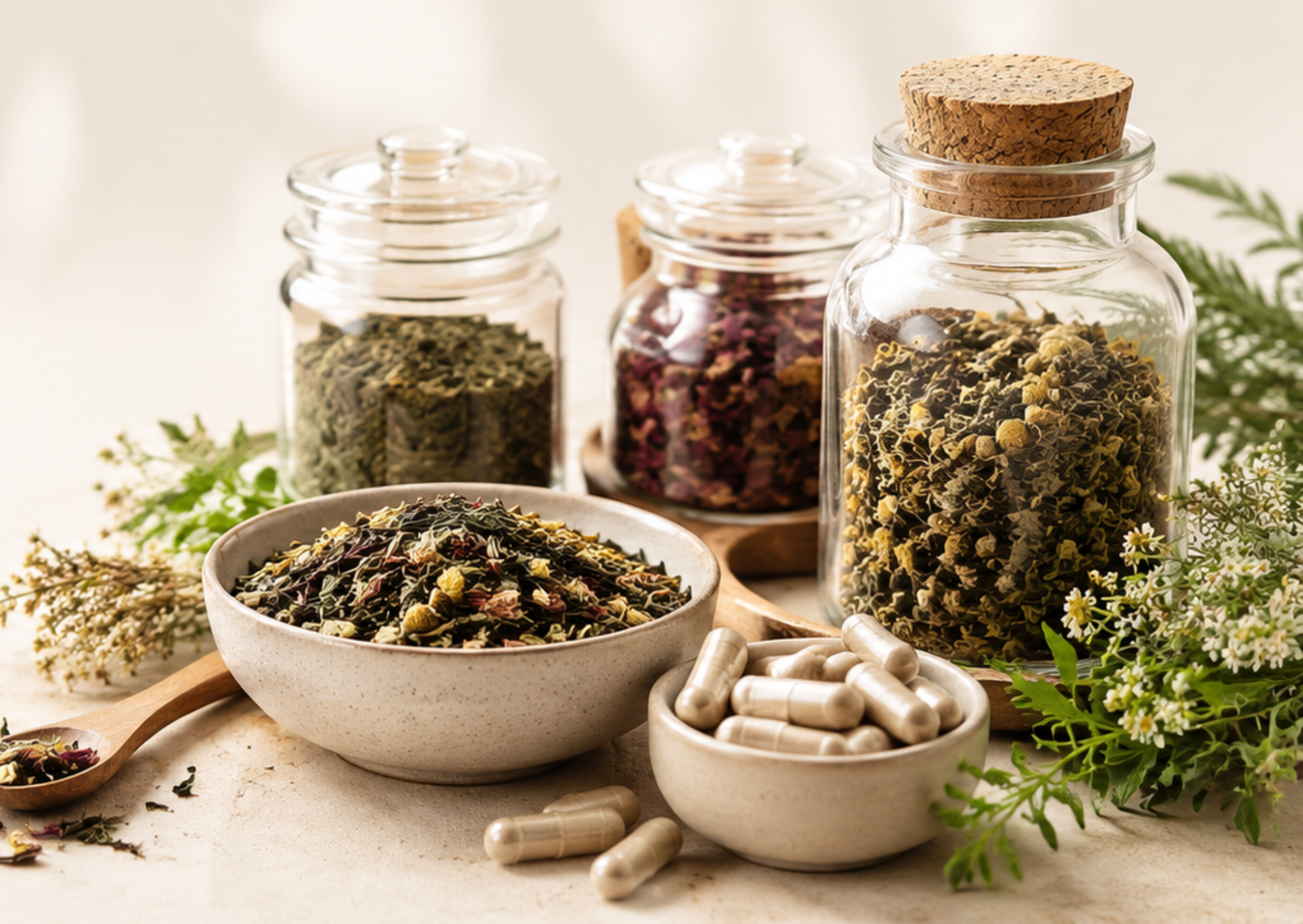
- Dried Herb for Teas/Infusions: The dried leaves and flowers of Feverfew can be steeped in hot water to make an herbal tea. This is a gentler way to consume the herb, though the concentration of active compounds might be less consistent than standardized extracts. For a tea, steep 1-2 teaspoons of dried herb in hot water for 10-15 minutes.
- Tinctures: Tinctures are concentrated liquid extracts made by steeping the herb in alcohol. They offer a potent and easily absorbed form of Feverfew, allowing for precise dosing by drops.
- Poultices: For localized pain or inflammation, crushed fresh leaves or a paste made from dried herb can be applied externally as a poultice, though caution is still advised regarding skin sensitivity.

Modern Supplements: Convenience and Standardization
In contemporary herbal medicine, Feverfew is most frequently consumed in standardized supplement forms, which offer convenience and ensure consistent dosing of the active compounds.
- Capsules and Tablets: This is the most popular and recommended form for Feverfew supplementation. Reputable manufacturers provide standardized extracts, typically guaranteeing a certain percentage of parthenolide (e.g., 0.2% to 0.7%). This standardization is critical for ensuring both efficacy and safety, allowing users to consume a consistent dose of the primary active compound without the risks associated with fresh leaf consumption.
- Liquid Extracts: Similar to tinctures, liquid extracts are concentrated forms that can be mixed with water or juice. They are quickly absorbed and can be a good option for those who have difficulty swallowing capsules.
When selecting a Feverfew supplement, it is paramount to choose products from reputable brands that specify the parthenolide content. This ensures you are getting a therapeutically effective and consistent dose.

Dosage, Safety, and Potential Side Effects
While Feverfew is generally well-tolerated, understanding proper dosage, potential side effects, and contraindications is vital for safe and effective use. As with any herbal supplement, consultation with a healthcare professional is strongly recommended before beginning treatment.
Typical Dosages
For migraine prevention, typical dosages of standardized Feverfew extract often range from 50 mg to 125 mg, taken daily, and standardized to contain 0.2% to 0.7% parthenolide. It is important to follow the specific dosage instructions provided by the manufacturer of your chosen supplement or as advised by a qualified healthcare practitioner. Consistency is key, as therapeutic effects for migraine prevention may take several weeks to become noticeable.
Potential Side Effects
Although generally safe, some individuals may experience side effects, particularly with higher doses or certain forms:
- Mouth Ulcers and Irritation: As previously mentioned, chewing fresh Feverfew leaves is highly likely to cause mouth sores, inflammation of the tongue, and loss of taste. This is why standardized encapsulated forms are preferred.
- Gastrointestinal Upset: Some users may experience mild digestive issues such as nausea, bloating, diarrhea, or abdominal pain.
- “Post-Feverfew Syndrome”: Discontinuation of Feverfew after prolonged daily use (especially for migraines) can sometimes lead to a withdrawal syndrome characterized by increased headache frequency, anxiety, insomnia, and muscle stiffness. It is advisable to taper off the dosage gradually if discontinuing.
- Allergic Reactions: Individuals allergic to plants in the Asteraceae family (e.g., ragweed, daisies, marigolds, chrysanthemums) may experience allergic reactions to Feverfew, including skin rashes or asthma.
Contraindications and Interactions
Several situations warrant caution or complete avoidance of Feverfew:
- Pregnancy and Breastfeeding: Feverfew is traditionally known as an emmenagogue (a substance that stimulates menstrual flow) and abortifacient, and should be strictly avoided during pregnancy and while breastfeeding due to the risk of uterine contractions and potential harm to the fetus or infant.
- Blood Thinners (Anticoagulants): Due to its anti-platelet effects, Feverfew can theoretically increase the risk of bleeding when taken concurrently with anticoagulant medications like warfarin, aspirin, clopidogrel, or NSAIDs.
- Surgery: It is advisable to discontinue Feverfew at least two weeks before any scheduled surgery to minimize the risk of excessive bleeding.
- Children: The safety and efficacy of Feverfew in children have not been well-established, and its use is generally not recommended without strict medical supervision.
- Cyclosporine: Parthenolide may increase levels of cyclosporine, an immunosuppressant, which could lead to adverse effects.
Always disclose all medications, supplements, and pre-existing health conditions to your healthcare provider before incorporating Feverfew or any new herbal remedy into your regimen. Professional guidance ensures safe and effective integration into your personalized health plan.

Conclusion: Feverfew – A Timeless Herbal Ally
Feverfew herb, Tanacetum parthenium, stands as a testament to the enduring power of natural medicine. From its ancient origins as a folk remedy to its current recognition in scientific literature, its multifaceted health benefits are continually being explored and validated. Primarily celebrated for its remarkable efficacy in migraine prevention, Feverfew’s potent anti-inflammatory, analgesic, and antioxidant properties offer a broad spectrum of therapeutic potential for conditions ranging from arthritis to menstrual discomfort. The key lies in its rich profile of bioactive compounds, particularly parthenolide, which orchestrates a complex interplay of mechanisms to reduce inflammation, modulate pain pathways, and stabilize physiological responses.
As we navigate an increasingly complex world, the quest for natural, sustainable, and effective health solutions continues to grow. Feverfew represents a powerful bridge between traditional wisdom and modern scientific understanding, offering a compelling option for those seeking natural support for their health. However, as with all potent remedies, responsible use is paramount. By understanding its scientific basis, appropriate forms of consumption, recommended dosages, and potential precautions, individuals can safely harness the profound health benefits of this extraordinary herb, integrating it judiciously into a holistic approach to well-being. Feverfew truly remains a timeless ally in the pursuit of optimal health.
Disclaimer: For informational purposes only. Not medical advice. Consult a qualified healthcare professional before use.