
The Definitive Guide to Java Leaf: Unveiling the Profound Health Benefits of Orthosiphon Stamineus
In the vast botanical tapestry of traditional medicine, certain plants stand out for their profound therapeutic potential, having been cherished for centuries across various cultures. Among these botanical treasures, Java Leaf, scientifically known as Orthosiphon stamineus, emerges as a powerhouse of natural wellness. Also affectionately referred to as Cat’s Whiskers due to its distinctive flower structure, or Misai Kucing in Malay, this remarkable herb has carved a significant niche in Southeast Asian ethnobotany. Its leaves, steeped in tradition and now increasingly validated by modern science, offer a compelling array of health benefits that extend far beyond simple folklore. This exhaustive guide aims to delve deeply into the intricate world of Java Leaf, exploring its rich history, sophisticated phytochemical profile, and the evidence-backed mechanisms through which it supports human health, providing a definitive resource for enthusiasts and the curious alike.
The journey of Java Leaf from a wild-growing herb in tropical gardens to a globally recognized health supplement is a testament to its efficacy. Originating from tropical regions, particularly Southeast Asia, its traditional use dates back hundreds of years, primarily employed as a potent diuretic and for addressing various ailments related to the urinary system and metabolic health. As scientific inquiry continues to illuminate the complex interactions between plants and human physiology, Orthosiphon stamineus has become a subject of intense research, revealing a sophisticated biochemical arsenal responsible for its multifaceted therapeutic actions. Understanding these mechanisms is key to appreciating the full spectrum of its health-promoting capabilities and incorporating it wisely into a modern wellness regimen.
Botanical Profile and Historical Roots of Java Leaf
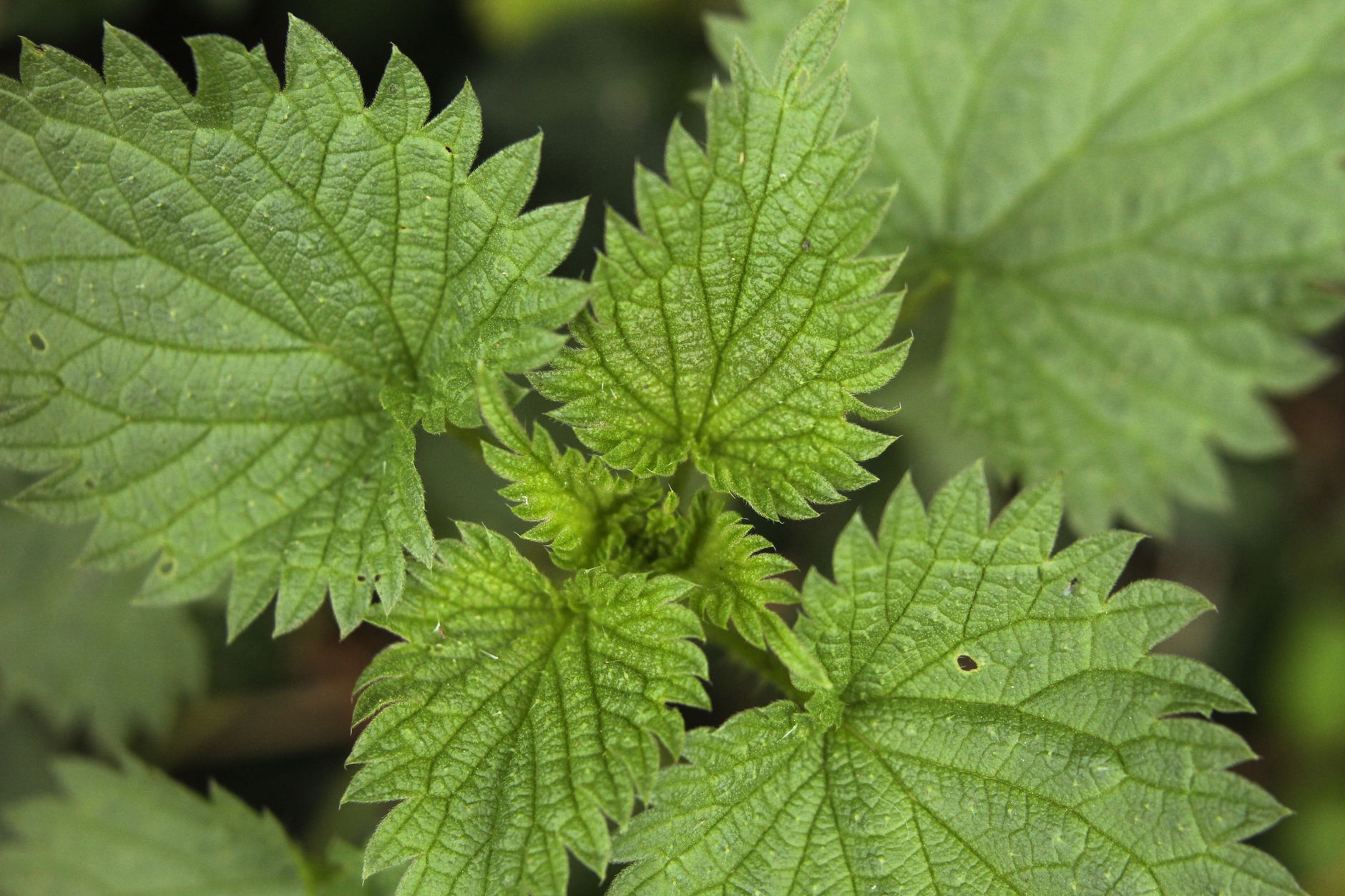
Orthosiphon stamineus is a member of the Lamiaceae family, which also includes other well-known aromatic herbs like mint, basil, and rosemary. It is an herbaceous perennial, typically growing to a height of 30 to 60 centimeters, characterized by its square stems, serrated leaves arranged oppositely, and strikingly beautiful white or purplish flowers that resemble cat’s whiskers, hence one of its popular common names. Native to regions including Thailand, Malaysia, Indonesia, and parts of Australia, it thrives in warm, humid climates, often found growing wild in open fields, forests, and cultivated gardens.
Historically, the use of Java Leaf has been deeply ingrained in the traditional medical systems of indigenous communities across Southeast Asia. In Malaysia and Indonesia, it has been a staple in folk medicine for centuries, primarily brewed as a tea for its diuretic properties to treat kidney and bladder problems, gout, and rheumatism. Traditional practitioners recognized its ability to promote urination, thereby aiding in the expulsion of toxins and excess fluids from the body. Beyond its urological applications, it was also employed for conditions such as diabetes, high blood pressure, and inflammatory diseases, underscoring a holistic understanding of its therapeutic breadth long before modern scientific analysis could explain the underlying mechanisms.
The Phytochemical Symphony: Unpacking Java Leaf’s Bioactive Compounds
The remarkable health benefits attributed to Java Leaf are not the result of a single compound but rather a synergistic interplay of a diverse array of bioactive constituents. Modern phytochemical research has meticulously cataloged a rich profile of compounds, including potent flavonoids, phenolic acids, triterpenes, saponins, and essential oils, each contributing to the plant’s therapeutic efficacy. This complex biochemical tapestry is what makes Orthosiphon stamineus such a powerful botanical ally.
Key Bioactive Compounds and Their Roles:
- Rosmarinic Acid: This is one of the most prominent phenolic acids found in Java Leaf. Rosmarinic acid is a powerful antioxidant and possesses significant anti-inflammatory properties. It works by inhibiting pro-inflammatory enzymes like cyclooxygenase (COX-2) and lipoxygenase (LOX), as well as suppressing the production of various pro-inflammatory cytokines, thereby reducing pain and swelling.
- Sinensetin and Eupatorin: These are highly potent lipophilic flavonoids unique to Orthosiphon stamineus. They are critically important for the plant’s diuretic and anti-inflammatory actions. Sinensetin, in particular, has been extensively studied for its ability to increase urinary output without significant electrolyte loss, a common drawback of synthetic diuretics. Both flavonoids also contribute to the plant’s antioxidant capacity.
- Caffeic Acid: Another significant phenolic acid, caffeic acid contributes to Java Leaf’s antioxidant, anti-inflammatory, and potentially anticarcinogenic properties. It helps neutralize free radicals and modulate immune responses.
- Triterpenes (e.g., Ursolic Acid, Oleanolic Acid): These compounds are known for their anti-inflammatory, hepatoprotective (liver-protective), and potentially antidiabetic effects. They can help protect cells from damage and support the healthy functioning of various organs.
- Saponins: While sometimes associated with bitterness, saponins in Java Leaf contribute to its diuretic properties and may also possess cholesterol-lowering and immune-modulating effects.
- Potassium Salts: A high content of potassium salts is a key factor behind Java Leaf’s reputation as an effective diuretic. Potassium helps maintain fluid balance and supports healthy kidney function, facilitating the excretion of excess sodium and water.
- Methylripariochromene A (MRC A): A chromene derivative identified as having strong cytotoxic activity against certain cancer cell lines, suggesting potential anti-cancer properties that warrant further investigation.

Profound Health Benefits: A Deep Dive into Java Leaf’s Therapeutic Actions
The intricate cocktail of phytochemicals in Java Leaf translates into a broad spectrum of health benefits, addressing multiple bodily systems and contributing to overall wellness.
1. Exceptional Diuretic and Kidney Health Support
Perhaps the most well-known and traditionally utilized benefit of Java Leaf is its potent diuretic action. Unlike many synthetic diuretics that can lead to significant potassium loss, Java Leaf, particularly due to its high potassium content and the presence of flavonoids like sinensetin, promotes diuresis while helping to maintain electrolyte balance. This natural increase in urine production aids the kidneys in flushing out accumulated toxins, waste products, and excess fluids from the body. This mechanism is crucial for preventing the formation of kidney stones (nephrolithiasis) by increasing the volume of urine and preventing the supersaturation of stone-forming minerals. Furthermore, its ability to cleanse the urinary tract makes it beneficial for preventing and managing urinary tract infections (UTIs) by helping to wash away pathogenic bacteria.
2. Potent Anti-inflammatory Properties
Chronic inflammation is a root cause of many modern diseases, from autoimmune conditions to cardiovascular disease and neurodegenerative disorders. Java Leaf offers significant anti-inflammatory benefits, primarily attributed to its rich content of rosmarinic acid, sinensetin, and eupatorin. These compounds work synergistically to modulate inflammatory pathways within the body. Rosmarinic acid, for instance, has been shown to inhibit the activity of pro-inflammatory enzymes such as cyclooxygenase-2 (COX-2) and lipoxygenase (LOX), which are key players in the production of inflammatory mediators. By suppressing these pathways and reducing the release of pro-inflammatory cytokines, Java Leaf can help alleviate symptoms associated with inflammatory conditions like arthritis, gout, and rheumatism, offering a natural approach to pain and swelling management.
3. Powerful Antioxidant Defense
Oxidative stress, caused by an imbalance between free radicals and the body’s ability to detoxify them, contributes to cellular damage and accelerates aging and disease progression. Java Leaf is a formidable antioxidant. Its abundant flavonoids and phenolic acids, including rosmarinic acid and caffeic acid, act as scavengers of harmful free radicals. These compounds donate electrons to neutralize reactive oxygen species, thereby protecting cellular components such as DNA, proteins, and lipids from oxidative damage. This robust antioxidant capacity is vital for preventing chronic diseases, supporting cardiovascular health, enhancing immune function, and promoting overall cellular integrity and longevity.
4. Blood Sugar Regulation for Metabolic Health
Emerging research suggests that Java Leaf possesses promising antidiabetic properties, making it a valuable adjunct for individuals managing blood sugar levels. Studies indicate that certain compounds within Orthosiphon stamineus may help to improve insulin sensitivity, reduce glucose absorption from the intestines by inhibiting carbohydrate-digesting enzymes (like alpha-glucosidase), and enhance glucose utilization by peripheral tissues. These mechanisms collectively contribute to a more stable blood glucose profile, potentially reducing post-meal sugar spikes and offering a supportive role in the management of type 2 diabetes. While not a replacement for conventional diabetes treatment, its inclusion can be a beneficial part of a holistic approach.
5. Support for Healthy Blood Pressure
High blood pressure, or hypertension, is a major risk factor for heart disease and stroke. Java Leaf’s diuretic action plays a significant role in blood pressure management by reducing blood volume, thereby easing the load on the cardiovascular system. Beyond diuresis, some studies suggest that Java Leaf may also exert mild vasodilatory effects, helping to relax blood vessels and improve blood flow. Its antioxidant and anti-inflammatory properties further contribute to cardiovascular health by protecting blood vessels from damage and improving endothelial function, offering a multi-pronged approach to maintaining healthy blood pressure levels.
6. Hepatoprotective (Liver Protective) Benefits
The liver is a vital organ responsible for detoxification, metabolism, and nutrient processing. Java Leaf’s rich antioxidant and anti-inflammatory content extends its protective effects to the liver. By combating oxidative stress and inflammation, the active compounds in Java Leaf can help safeguard liver cells from damage caused by toxins, free radicals, and other stressors. This hepatoprotective action supports optimal liver function, aiding in the body’s natural detoxification processes and contributing to overall metabolic health.
7. Antimicrobial and Antifungal Activity
Traditional uses of Java Leaf often included its application for various infections. Modern scientific investigations have validated some of these claims, demonstrating that extracts of Orthosiphon stamineus exhibit antimicrobial and antifungal properties against a range of pathogens. While research is ongoing to fully characterize the scope and mechanisms of these effects, the presence of certain flavonoids and phenolic compounds likely contributes to its ability to inhibit the growth of bacteria and fungi, offering another layer of health protection.
8. Potential for Weight Management Support
While not a direct weight loss supplement, Java Leaf can contribute to weight management efforts indirectly. Its powerful diuretic properties help reduce water retention and bloating, giving a leaner appearance and alleviating discomfort. Furthermore, its potential role in regulating blood sugar and supporting healthy metabolism can be beneficial in a broader weight management strategy, especially when combined with a balanced diet and regular exercise. By supporting detoxification and metabolic processes, it helps create a more optimal environment for healthy weight maintenance.
Traditional Usage and Modern Applications of Java Leaf
Historically, Java Leaf was predominantly consumed as a herbal tea. Fresh or dried leaves were steeped in hot water, creating a mild, earthy-flavored infusion that was consumed regularly for its medicinal benefits. Beyond beverages, it was sometimes used in topical applications or poultices for inflammatory conditions.

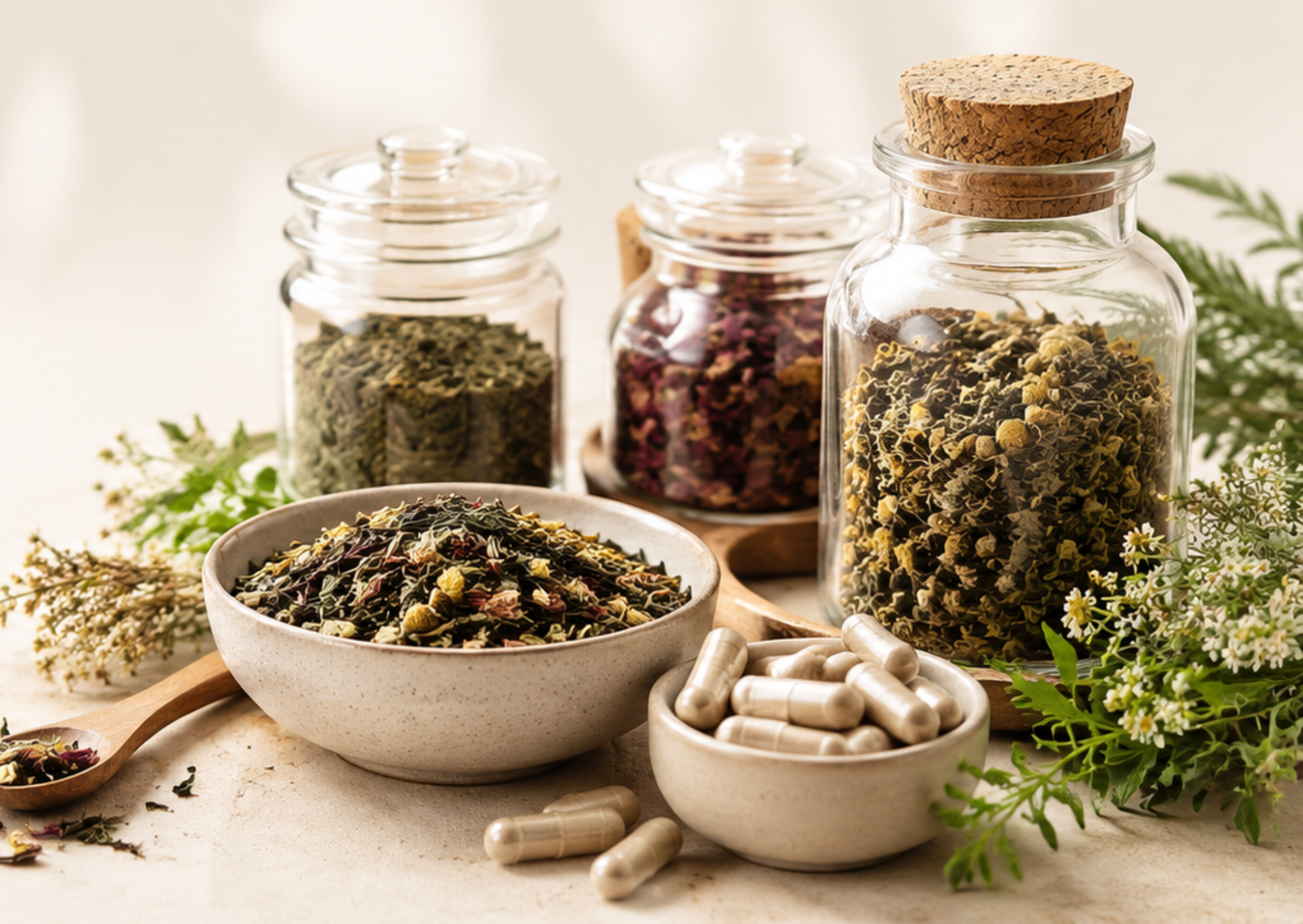
Today, while the traditional tea remains popular, modern advancements have made Java Leaf accessible in various convenient forms. These include standardized extracts, tinctures, and capsules, which offer precise dosages and greater bioavailability of its active compounds. Dried Java Leaf is also widely available for home brewing, allowing individuals to experience its benefits in a traditional manner.

Dosage, Preparation, and Practical Considerations
For individuals interested in incorporating Java Leaf into their wellness routine, understanding appropriate usage is crucial.
- Java Leaf Tea: To prepare a traditional infusion, steep 2-3 grams of dried Java Leaf (about 1-2 teaspoons) in 250ml of hot water for 5-10 minutes. It can be consumed 2-3 times daily.
- Capsules and Extracts: Dosage can vary significantly based on the concentration and standardization of the extract. Typically, doses range from 500mg to 1500mg of dried leaf extract per day, often divided into multiple doses. Always follow the manufacturer’s instructions on the product label. Look for products standardized for key active compounds like rosmarinic acid or sinensetin for assured potency.
It is always advisable to start with a lower dose and gradually increase it, monitoring your body’s response. Consistency is key to experiencing the full benefits of herbal remedies. As with any powerful herb, consulting with a healthcare professional, especially if you have pre-existing health conditions or are taking other medications, is highly recommended to ensure safe and effective use.
Potential Side Effects and Precautions
Java Leaf is generally considered safe for most people when consumed in appropriate doses. However, due to its potent diuretic effect, certain precautions are necessary:
- Dehydration: Increased urination can lead to dehydration if fluid intake is insufficient. Ensure adequate water consumption throughout the day.
- Electrolyte Imbalance: While Java Leaf is known to be potassium-sparing, excessive use or use in conjunction with other diuretics could potentially lead to electrolyte imbalances.
- Medication Interactions: Java Leaf may interact with certain medications.
- Diuretics: Combining Java Leaf with prescription diuretics could excessively increase urine output and lead to dehydration or electrolyte disturbances.
- Antidiabetic Drugs: Due to its potential to lower blood sugar, it may enhance the effects of antidiabetic medications, potentially leading to hypoglycemia (low blood sugar).
- Blood Thinners: Though less common, some herbs with antioxidant properties can theoretically affect blood clotting. Individuals on anticoagulant or antiplatelet medications should exercise caution and consult a doctor.
- Kidney Conditions: While beneficial for kidney health, individuals with severe kidney disease should use Java Leaf only under strict medical supervision.
- Pregnancy and Breastfeeding: There is insufficient scientific evidence regarding the safety of Java Leaf during pregnancy and breastfeeding. It is best to avoid use during these periods.

The Future of Java Leaf Research
As the scientific community continues to explore the vast potential of ethnobotanical remedies, Java Leaf remains a subject of considerable interest. Ongoing research focuses on elucidating further mechanisms of action, identifying novel bioactive compounds, and conducting more extensive clinical trials to solidify its efficacy and safety profile for various health conditions. Its potential roles in metabolic syndrome, cardiovascular disease prevention, and even certain types of cancer are areas ripe for further investigation. This continued scientific scrutiny promises to unlock even more profound applications for this ancient yet remarkably relevant herb.
Conclusion: Java Leaf – A Pillar of Natural Wellness
Java Leaf, or Orthosiphon stamineus, stands as a testament to the enduring power of nature’s pharmacy. From its humble origins in the tropical landscapes of Southeast Asia, it has evolved into a globally recognized herb, celebrated for its multifaceted health benefits. Its rich phytochemical composition, characterized by potent flavonoids, phenolic acids, and triterpenes, underpins its well-documented diuretic, anti-inflammatory, antioxidant, and metabolic-regulating properties. Whether steeped as a traditional tea or consumed as a modern supplement, Java Leaf offers a compelling natural solution for supporting kidney and urinary tract health, combating inflammation, protecting against oxidative stress, and aiding in the management of blood sugar and blood pressure. As we continue to navigate the complexities of modern health, the wisdom encapsulated within ancient herbs like Java Leaf provides a vital bridge between traditional knowledge and contemporary scientific understanding, offering a powerful botanical ally in the pursuit of holistic well-being.
Disclaimer: For informational purposes only. Not medical advice. Consult a qualified healthcare professional before use.