
The Profound Health Benefits of Mistletoe: An Exhaustive Deep Dive into an Ancient Remedy
Mistletoe, often associated with festive holiday traditions and a symbol of peace and fertility, holds a far more profound significance in the realm of natural medicine. Far from being a mere decorative plant, various species of Mistletoe, particularly European Mistletoe (*Viscum album*), have been revered for millennia by traditional healers and are increasingly becoming the subject of rigorous scientific investigation for their remarkable therapeutic potential. This exhaustive guide delves into the rich history, complex botanical profile, potent bioactive compounds, and a myriad of health benefits attributed to this enigmatic parasitic plant, offering a definitive look at why Mistletoe is emerging as a cornerstone of integrative health practices, particularly in oncology.
A Journey Through Time: Mistletoe’s Historical and Cultural Reverence
The story of Mistletoe as a medicinal herb is deeply intertwined with human civilization, stretching back to prehistoric times. Its unique growth habit – thriving high in the branches of host trees, seemingly suspended between earth and sky – imbued it with mystical qualities in ancient cultures. The Celtic Druids, renowned for their profound knowledge of herbs and natural remedies, held Mistletoe in immense sacred esteem, believing it to be a divine plant capable of curing diseases, bestowing fertility, and protecting against evil. They harvested it with golden sickles during specific lunar phases, underscoring its ceremonial and medicinal importance.
Beyond the Celts, Norse mythology featured Mistletoe in the tragic tale of Baldur, further solidifying its complex symbolic status. In ancient Greece and Rome, it was associated with peace and healing, often used to treat epilepsy, ulcers, and various inflammatory conditions. Medieval European folk medicine continued this tradition, employing Mistletoe for a wide array of ailments, including nervous disorders, hypertension, and even as an antidote to poisons. This extensive historical use laid the groundwork for modern scientific inquiry, demonstrating a persistent human intuition regarding its therapeutic properties long before the advent of sophisticated pharmacological analysis.
Botanical Overview and Diverse Varieties: Understanding the Plant
Mistletoe refers to a group of hemiparasitic plants that attach to and grow on trees or shrubs. While several species exist globally, the most medically researched and utilized is *Viscum album*, commonly known as European Mistletoe. This evergreen perennial forms dense, spherical bushes, typically reaching up to a meter in diameter. Its distinctive features include leathery, yellowish-green leaves, inconspicuous flowers, and translucent white berries, which are toxic if ingested directly and in large quantities due to their viscotoxin content. The specific host tree (e.g., oak, apple, pine, fir) can influence the phytochemical composition of the Mistletoe extract, a factor that is often considered in therapeutic preparations.
The parasitic nature of Mistletoe is crucial to its botanical identity. It penetrates the host tree’s bark with a specialized root-like structure called a haustorium, drawing water and nutrients. This unique relationship with its host, coupled with its perennial growth and exposure to various environmental stressors, contributes to the rich and diverse array of bioactive compounds it produces. Different preparation methods also impact the final product, ranging from aqueous extracts used in modern injectables to dried herb preparations for teas or tinctures. Understanding the botanical source and preparation is paramount for both efficacy and safety.

Unveiling the Chemical Arsenal: Key Bioactive Compounds
The therapeutic power of Mistletoe stems from its complex cocktail of bioactive compounds, which act synergistically to produce its diverse effects. The two most extensively studied classes of compounds are Mistletoe lectins and viscotoxins, though flavonoids, polysaccharides, phenylpropanoids, and triterpenes also play significant roles.
- Mistletoe Lectins (MLs): These are glycoproteins, primarily characterized by their ability to bind to specific sugar molecules on cell surfaces. There are several types, notably ML-I, ML-II, and ML-III, each with slightly different carbohydrate specificities and biological activities. ML-I is the most potent and best-researched. Lectins exert their effects through several mechanisms:
- Cytotoxicity: They can induce programmed cell death (apoptosis) in various cancer cells by inhibiting protein synthesis and activating intrinsic apoptotic pathways. This selective toxicity towards aberrant cells is a cornerstone of Mistletoe’s anti-cancer potential.
- Immunomodulation: Lectins stimulate the immune system, enhancing the activity of natural killer (NK) cells, macrophages, and cytotoxic T-lymphocytes, which are crucial for recognizing and destroying cancer cells and pathogens. They also promote the release of cytokines like TNF-alpha, interleukins, and interferons, orchestrating a broader immune response.
- Anti-angiogenic effects: Some research suggests that Mistletoe lectins can inhibit the formation of new blood vessels (angiogenesis) that tumors require for growth and metastasis, effectively starving the cancer.
- Viscotoxins: These are small, basic proteins unique to *Viscum album*. Like lectins, viscotoxins exhibit cytotoxic effects, primarily by disrupting cell membranes, leading to cell lysis. They can also stimulate immune cells and contribute to Mistletoe’s overall anti-cancer and immune-modulating properties. The exact balance and interaction between viscotoxins and lectins are thought to be critical to the therapeutic efficacy of Mistletoe preparations.
- Flavonoids: These plant pigments are well-known for their antioxidant, anti-inflammatory, and potentially anti-carcinogenic properties. They help protect cells from oxidative stress and contribute to the overall health-promoting effects of Mistletoe.
- Polysaccharides: These complex carbohydrates also contribute to Mistletoe’s immunomodulatory effects, enhancing immune cell activity and cytokine production.
- Triterpenes and Phenylpropanoids: These compounds contribute to the plant’s anti-inflammatory, antioxidant, and potentially anti-cancer activities, further rounding out the broad spectrum of Mistletoe’s pharmacological profile.

Key Health Benefits: A Detailed Exploration
The scientific literature, particularly in Europe, has extensively explored Mistletoe’s medicinal applications. While research continues to unfold, several key health benefits have garnered significant attention.
1. Adjuvant Cancer Therapy and Improved Quality of Life
Perhaps the most prominent and well-researched application of Mistletoe is its role as an adjunctive therapy in cancer treatment. European Mistletoe extracts, administered subcutaneously as injections (e.g., Iscador, Helixor, Abnoba), are widely used in integrative oncology clinics, especially in Germany and Switzerland. The benefits extend beyond direct anti-cancer effects to significant improvements in patients’ quality of life.
- Direct Cytotoxicity and Apoptosis Induction: Mistletoe lectins and viscotoxins have been shown in preclinical studies to induce apoptosis (programmed cell death) in various cancer cell lines while exhibiting less toxicity to healthy cells. This selective targeting is a major area of ongoing research.
- Immune System Modulation: Mistletoe extracts powerfully stimulate the immune system. They increase the activity of natural killer (NK) cells, which are vital for identifying and destroying cancer cells, and enhance the proliferation and activity of T-lymphocytes and macrophages. This immune activation helps the body mount a stronger defense against cancer and may prevent recurrence. The release of pro-inflammatory cytokines such as TNF-alpha and interleukins further primes the immune system.
- Reduction of Chemotherapy/Radiation Side Effects: One of Mistletoe’s most valued benefits in cancer care is its ability to mitigate the debilitating side effects of conventional treatments like chemotherapy and radiation. Patients often report reduced fatigue, nausea, vomiting, hair loss, and improved appetite and sleep patterns. This contributes significantly to maintaining a better quality of life throughout arduous treatment regimens.
- Pain Management: Cancer patients frequently suffer from chronic pain. Mistletoe therapy has been shown to offer analgesic effects, potentially by influencing inflammatory pathways and modulating pain perception, thereby reducing the need for strong opioid painkillers.
- Psychological Well-being: Beyond physical symptoms, Mistletoe therapy can positively impact the psychological state of cancer patients, reducing anxiety, depression, and improving overall mood and sense of well-being. This holistic support is crucial for patients facing a life-threatening illness.
2. Immune System Modulation and Enhanced Defense
Even outside the context of cancer, Mistletoe is a potent immunomodulator. Its compounds, particularly lectins and polysaccharides, stimulate both innate and adaptive immune responses. This makes it a potential candidate for supporting immune function in individuals with compromised immunity or those seeking to bolster their defenses against common infections. By increasing the number and activity of white blood cells and stimulating cytokine production, Mistletoe helps the body more effectively identify and combat pathogens, contributing to overall immune resilience.
3. Cardiovascular Health Support
Historically, Mistletoe was employed to manage cardiovascular issues, particularly hypertension. Modern research supports some of these traditional uses:
- Blood Pressure Regulation: Certain Mistletoe extracts have demonstrated hypotensive effects, meaning they can help lower blood pressure. This is partly attributed to its vasodilatory properties, helping to relax blood vessels and improve blood flow. The mechanisms involve modulating calcium channels and nitric oxide pathways.
- Improved Circulation: By reducing blood pressure and potentially having a mild anticoagulant effect, Mistletoe may contribute to improved overall circulation, which is beneficial for cardiovascular health and peripheral blood flow.
- Anti-atherosclerotic Potential: Some preliminary studies suggest Mistletoe may have properties that inhibit the formation of atherosclerotic plaques, though more research is needed in this area.
4. Anti-inflammatory Properties
Chronic inflammation is a root cause of many diseases. Mistletoe contains various compounds, including flavonoids and specific peptides, that exhibit significant anti-inflammatory actions. These compounds can modulate inflammatory pathways, reducing the production of pro-inflammatory cytokines and enzymes. This makes Mistletoe a promising candidate for conditions characterized by chronic inflammation, such as arthritis, though topical or specific preparations might be more relevant for localized inflammation.
5. Nervous System Support and Stress Reduction
In traditional medicine, Mistletoe was often used to calm nerves and treat conditions like epilepsy and vertigo. While its use for epilepsy is not widely supported by modern evidence, its adaptogenic and calming properties are gaining attention:
- Anxiolytic Effects: Mistletoe may help reduce anxiety and promote relaxation, possibly by modulating neurotransmitter systems or directly influencing stress response pathways. This contributes to its overall benefit in improving quality of life for chronically ill patients.
- Improved Sleep: For individuals struggling with insomnia or disrupted sleep patterns, Mistletoe’s calming properties may aid in promoting more restful sleep, an essential component of healing and overall well-being.
6. Pain Management Beyond Cancer
While discussed in the context of cancer pain, Mistletoe’s analgesic properties extend to other types of pain. Its anti-inflammatory effects and potential modulation of pain perception pathways mean it could be a supportive therapy for chronic pain conditions, although direct research outside of oncology is less extensive. Its application in conditions like rheumatism or neuralgic pain aligns with historical uses.
Modes of Administration and Practical Usage
Mistletoe can be administered in several forms, each with varying potencies and applications. It is crucial to distinguish between them, especially concerning safety and efficacy.
- Injections (Standardized Extracts): This is the most common and medically accepted form for cancer therapy. European Mistletoe extracts (e.g., Iscador, Helixor, Abnoba) are manufactured under strict pharmaceutical conditions, standardized for their lectin content, and administered subcutaneously by healthcare professionals. These preparations are significantly different from crude plant material and require medical supervision.
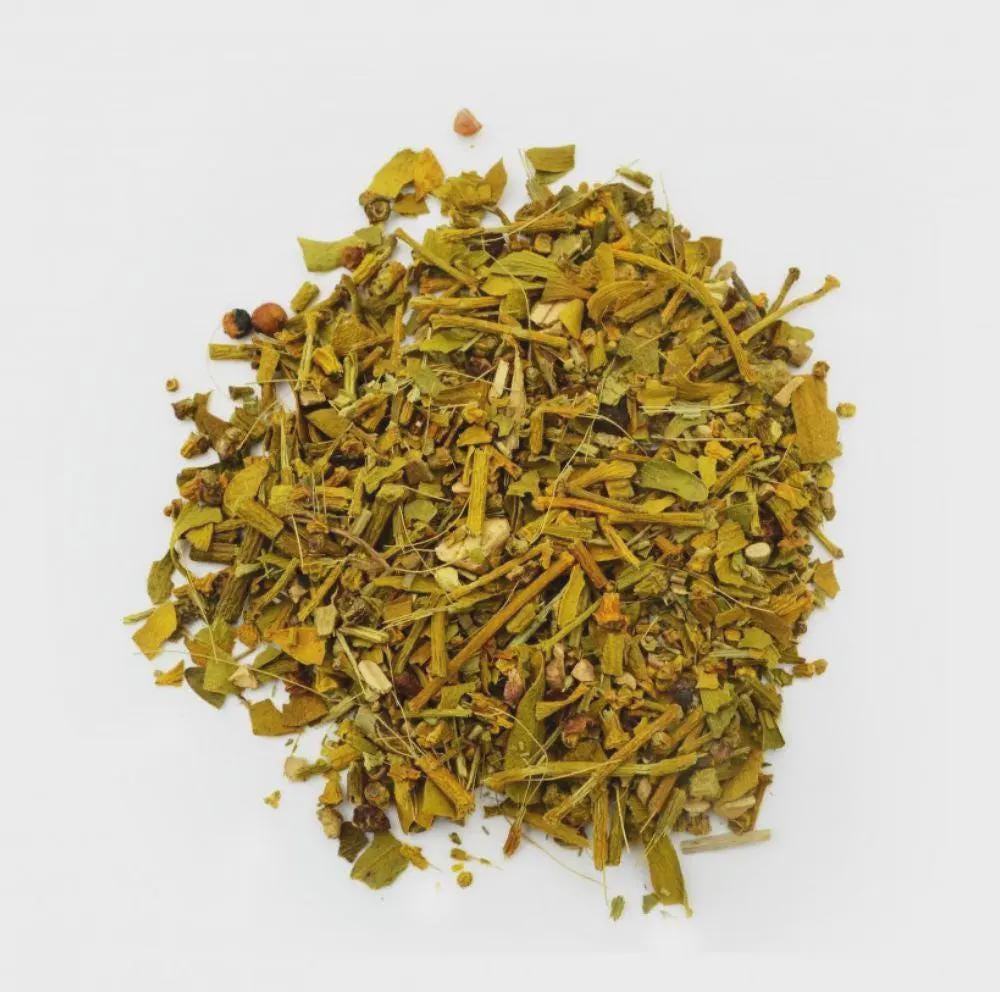
- Dried Herb for Teas or Tinctures: Historically, dried Mistletoe leaves and twigs were steeped to make teas or tinctures. While these preparations contain some bioactive compounds, their concentration is highly variable and significantly lower than standardized injectable extracts. Caution is advised as ingesting raw berries or high doses of crude herb can be toxic due to viscotoxin content. These forms are generally used for mild conditions like hypertension or nervous tension, with careful dosage.
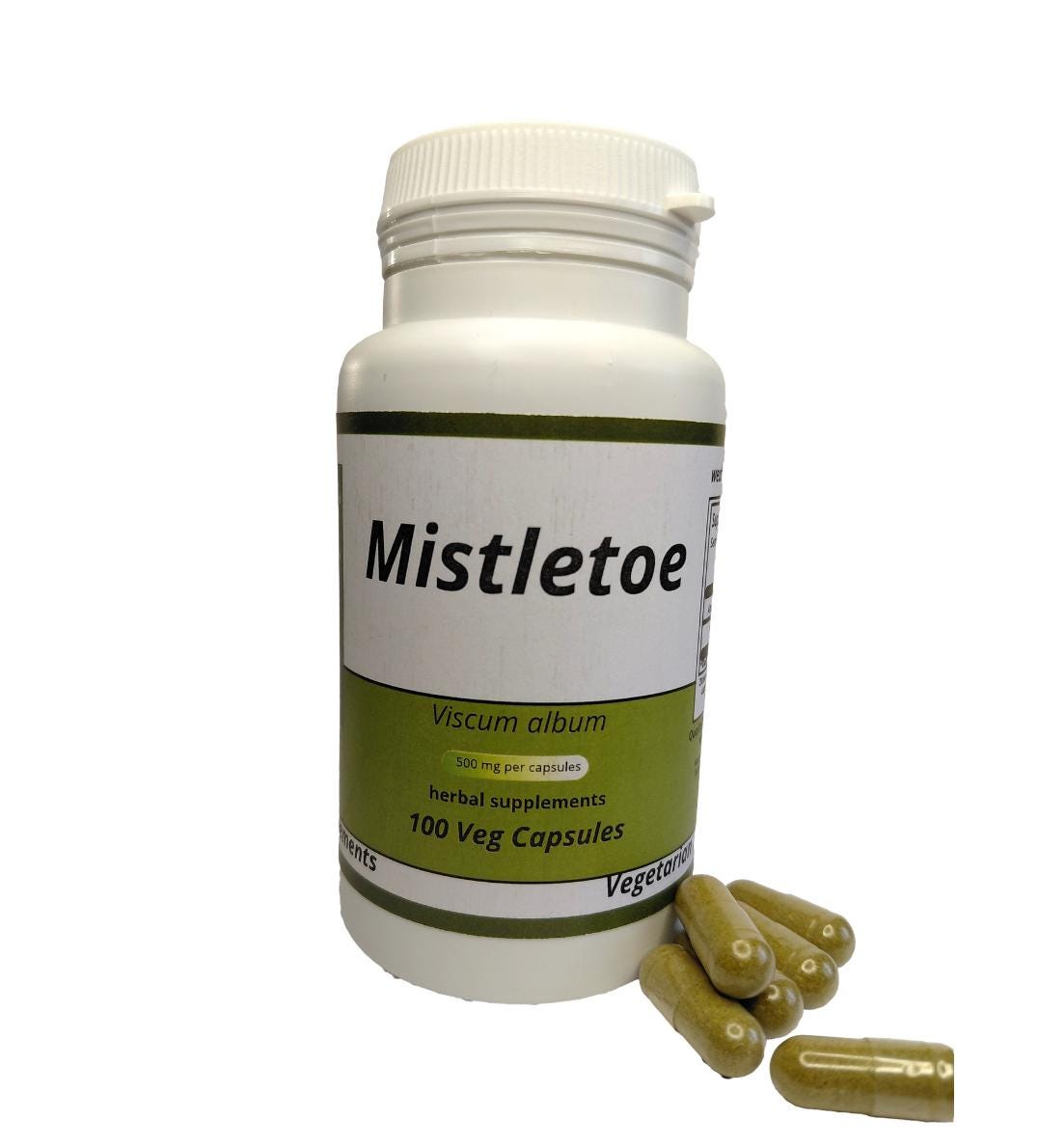
- Capsules and Supplements: Various dietary supplements containing Mistletoe extract are available, typically in capsule or tablet form. These usually contain standardized extracts of the leaves and stems. They offer a convenient way to consume Mistletoe for general immune support or as part of a broader wellness regimen. However, the quality and standardization can vary widely among brands, and professional guidance is still recommended, especially given the plant’s potent nature.
Potential Side Effects, Precautions, and Contraindications
Despite its therapeutic benefits, Mistletoe is a potent herb and carries risks, especially if not used correctly. It is imperative to consult with a qualified healthcare professional before using Mistletoe, particularly for internal consumption or injectable forms.
- Toxicity: Raw Mistletoe berries and leaves, if ingested in large quantities, are toxic due to their viscotoxin content, causing gastrointestinal upset, bradycardia, and in severe cases, seizures or cardiac arrest. While pharmaceutical extracts are highly refined, improper use of crude preparations can be dangerous.
- Allergic Reactions: Some individuals may experience allergic reactions, particularly at the site of injection (redness, swelling, pain) or systemic reactions like fever, chills, or headache.
- Interactions: Mistletoe may interact with certain medications, including immunosuppressants (as it stimulates the immune system), blood pressure medications (due to its hypotensive effects), and potentially anticoagulant drugs.
- Contraindications: Mistletoe is generally contraindicated in individuals with acute inflammatory diseases, hyperthyroidism, high-grade fever, or progressive autoimmune diseases. It is also not recommended during pregnancy or breastfeeding due to insufficient safety data. Patients with primary brain tumors or metastatic brain tumors are often advised against Mistletoe injections due to potential swelling and pressure.

Dosage and Expert Consultation
Dosage for Mistletoe preparations varies significantly depending on the form, concentration, and the specific condition being treated. For injectable forms used in cancer therapy, the dosage is meticulously titrated by trained medical professionals, often starting with low doses and gradually increasing. For oral supplements or teas, standardized products provide more reliable dosing, but even then, professional medical advice is non-negotiable.
Due to its complex pharmacology and potential for toxicity, self-medication with Mistletoe is strongly discouraged. A healthcare provider, ideally one with experience in integrative medicine or anthroposophic medicine, can provide personalized guidance, monitor for side effects, and ensure Mistletoe therapy is safely integrated into a comprehensive treatment plan.
Conclusion: Mistletoe – A Bridge Between Tradition and Modern Medicine
Mistletoe stands as a compelling example of an ancient botanical remedy whose traditional uses are now being rigorously validated and expanded upon by modern science. From its sacred origins with the Druids to its current prominent role in European integrative oncology, Mistletoe offers a remarkable spectrum of health benefits. Its potent bioactive compounds, particularly the lectins and viscotoxins, orchestrate complex interactions within the human body, leading to significant immunomodulatory, anti-cancer, anti-inflammatory, and cardiovascular effects.
While the promise of Mistletoe is immense, especially in improving the quality of life for cancer patients and enhancing immune resilience, it is not a panacea. Its powerful nature demands respect, caution, and, most importantly, professional medical guidance. As research continues to unravel its full potential and refine its applications, Mistletoe promises to remain a vital and fascinating plant, bridging the wisdom of our ancestors with the advancements of contemporary medicine to foster holistic well-being.
Disclaimer: For informational purposes only. Not medical advice. Consult a qualified healthcare professional before use.